Armenia & Georgia Solo Female Travel Guide (2026)
Complete solo female travel guide to Armenia and Georgia — Tbilisi, Yerevan, Caucasus hiking, wine regions, safety tips, and $25/day budgets for 2026.
This post may contain affiliate links. Disclosure
Updated for 2026 — Accurate as of February 2026.
The Caucasus is the most underrated travel region in the world, and I will say that without a hint of exaggeration. Armenia and Georgia, two small countries wedged between the Black Sea and the Caspian Sea at the crossroads of Europe and Asia, offer everything a solo female traveler could want: ancient history, dramatic mountain landscapes, world-class food and wine, warm hospitality, remarkable safety, and costs that make Southeast Asia look expensive.
I traveled through both countries solo over three weeks and left convinced that the Caucasus is about to have its moment. Tourism numbers have been climbing steadily, with Georgia receiving over 7.5 million visitors in 2025 (up from 5 million in 2019), and Armenia welcoming approximately 2.5 million. But these numbers are still a fraction of what comparable European destinations receive, which means the Caucasus retains an authenticity and warmth that more touristed regions have lost.
For solo women, the Caucasus offers something rare: destinations that feel genuinely off the beaten path but are remarkably safe, well-connected, and easy to navigate.
Georgia: Where Europe Meets Asia
Tbilisi: The City That Stole My Heart
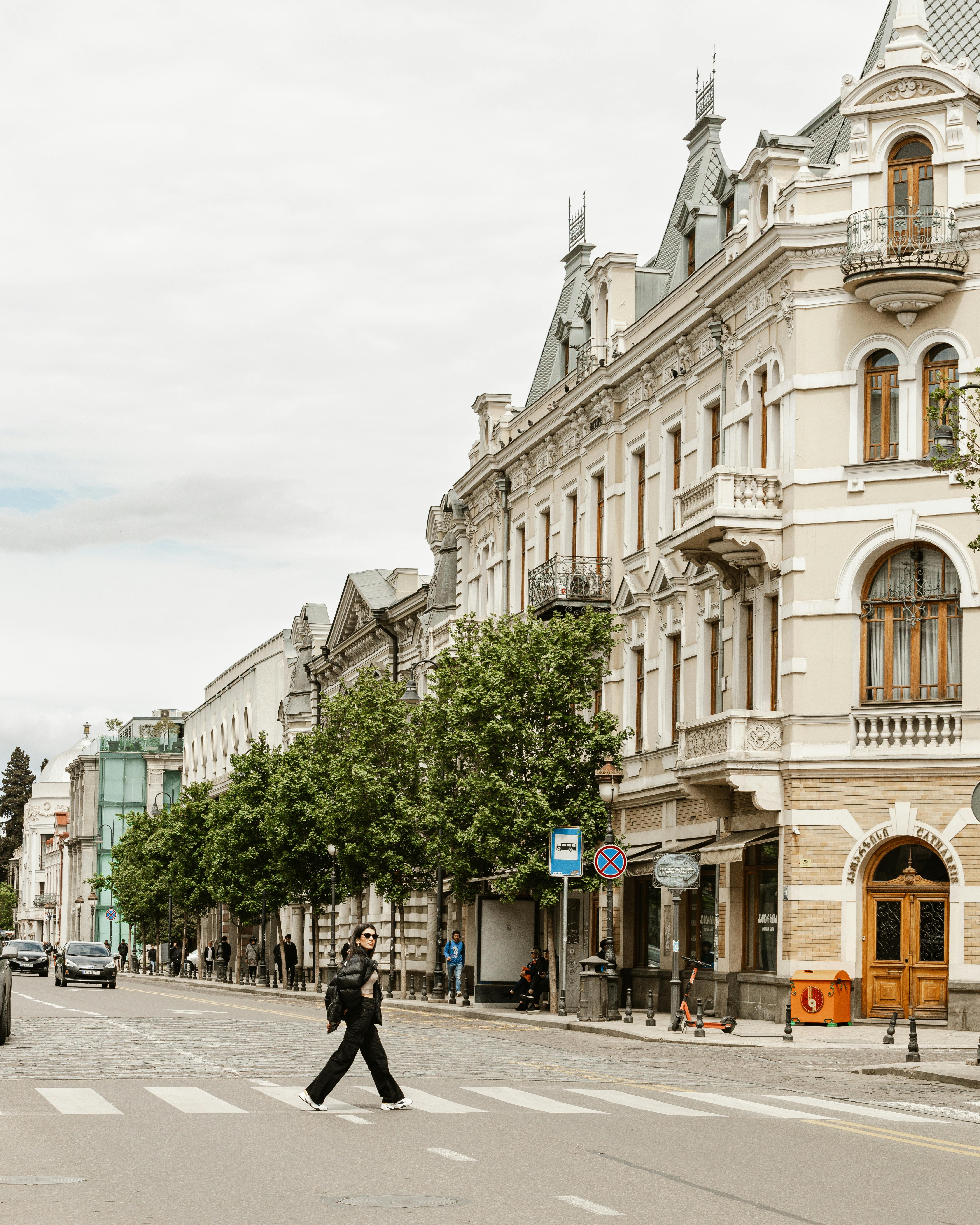
Tbilisi is one of the most characterful cities I have visited anywhere in the world. The old town is a labyrinth of narrow streets, wooden balconied houses, ancient churches, and crumbling Soviet-era buildings draped in grapevines. The Kura River cuts through the center, flanked by the ultramodern Bridge of Peace on one side and a 4th-century fortress on the other. The combination of ancient and contemporary, Eastern and Western, creates an atmosphere that is completely unique.
For solo women, Tbilisi excels because:
- The city is safe to walk at all hours. I walked home alone at 1 AM through the old town multiple times without concern.
- The food and wine culture is built around sharing, which makes solo dining a social experience rather than a lonely one.
- The cafe scene is outstanding, with third-wave coffee shops, wine bars, and hidden courtyard restaurants on every street.
- The cost of living is extraordinarily low. A glass of excellent Georgian wine costs $2-3. A full traditional meal (khinkali, khachapuri, salad) costs $6-10.
Must-do in Tbilisi:
- Sulfur baths (Abanotubani): Natural hot springs in the old town. A private room with a sulfur bath costs $10-20 per hour. It is the most relaxing experience in the city.
- Narikala Fortress: Hike or take the cable car to this 4th-century fortress for the best panoramic view of the city.
- Fabrika: A converted Soviet sewing factory that is now a hostel, coworking space, and social hub. Even if you are not staying here, visit the courtyard for food, drinks, and conversation.
- Georgian National Museum: Excellent collection spanning from Bronze Age gold to Soviet occupation history.
- Wine tasting in the old town: Georgia is the birthplace of wine (8,000 years of continuous winemaking), and natural wine bars are everywhere in Tbilisi.
Georgian Food: A Revelation
Georgian cuisine is one of the world’s great undiscovered food traditions. It is hearty, flavorful, and unlike anything you have eaten before.
Essential dishes:
- Khachapuri: Cheese-filled bread in various regional styles. Adjarian khachapuri (boat-shaped, filled with cheese, topped with an egg and butter) is the most famous and one of the most satisfying dishes on earth.
- Khinkali: Giant soup dumplings filled with spiced meat or mushrooms. Eaten by hand, twisted at the top, punctured to drink the broth, then consumed. The technique matters. Locals judge you by your khinkali eating form.
- Pkhali: Minced vegetables (beet, spinach, eggplant) mixed with walnut paste, garlic, and herbs. Served as a starter.
- Mtsvadi: Georgian barbecue (grilled pork or beef skewers) over grapevine coals.
- Churchkhela: Walnut strings dipped in concentrated grape juice and dried. Called “Georgian Snickers” and available at every market.
Kazbegi (Stepantsminda)
Kazbegi is a small town in the Greater Caucasus mountains, three hours north of Tbilisi along the famous Georgian Military Highway. The landscape on the drive is extraordinary, passing through river gorges, alpine meadows, and over the 2,395-meter Jvari Pass.
The highlight is the Gergeti Trinity Church, a 14th-century stone church perched at 2,170 meters with Mount Kazbek (5,047m) as its backdrop. The hike from town takes about 90 minutes and is one of the most photographed spots in the Caucasus. Carry a Sawyer Squeeze Water Filter — mountain stream water is abundant on the trail and filtering it saves you carrying heavy bottles up the steep ascent. An Anker PowerCore Portable Charger is equally essential — mobile data and Google Translate are your navigation system in rural Georgia and Armenia, and a dead phone in the mountains is a genuine problem.
I hiked to Gergeti Trinity Church at sunrise and had it almost entirely to myself. The combination of the ancient stone church, the snow-capped peak behind it, and the golden light of dawn was one of the most beautiful things I have ever seen.
Svaneti: Remote Mountain Magic
Svaneti is the most remote region of Georgia, home to the Svan people and their distinctive medieval stone towers. The town of Mestia is the base for trekking, including the famous four-day trek to Ushguli, one of the highest continuously inhabited settlements in Europe (2,200m).
Solo women in Svaneti: The region is safe and the guesthouses are family-run and welcoming. The trek from Mestia to Ushguli is well-marked and passable without a guide in summer, though a guide adds cultural context and route security.
Armenia: Ancient, Proud, and Welcoming
Armenia is the world’s first Christian nation (adopting Christianity in 301 AD, as documented by UNESCO’s heritage listings), and its religious and cultural heritage is visible everywhere, from 4th-century monasteries carved into cliffsides to the genocide memorial that overlooks Yerevan.
Yerevan: Pink City at the Foot of Ararat
Yerevan is built from pink and orange volcanic tuff stone, which gives the city a warm, distinctive glow in sunlight. Mount Ararat, the biblical resting place of Noah’s Ark, dominates the skyline from across the Turkish border, and seeing it at sunrise from the Cascade complex is one of those moments that makes you catch your breath.
Yerevan is excellent for solo women:
- Extremely safe. Violent crime is very rare. Walking alone at night is normal.
- The cafe culture is outstanding, with dozens of independent cafes in the city center.
- The Vernissage open-air market (weekends) is a treasure trove of handmade crafts, Soviet memorabilia, and art.
- The food scene is growing rapidly, blending traditional Armenian flavors with contemporary techniques.
Must-do in Yerevan:
- The Cascade: A massive stone stairway with an art museum inside (Cafesjian Center for the Arts). The top offers the best view of Ararat.
- Armenian Genocide Memorial (Tsitsernakaberd): Important and moving. The museum provides essential historical context.
- Republic Square: Magnificent architecture and dancing fountains in the evening.
- Brandy tasting at Ararat Factory: Armenian brandy (they call it cognac, much to France’s displeasure) has been produced here since 1887. Tours with tasting cost $10-15.
Day Trips from Yerevan
Armenia’s small size (about the size of Belgium) means most major sites are accessible as day trips from Yerevan.
- Garni Temple and Geghard Monastery (1 hour): A Hellenistic pagan temple and a UNESCO-listed monastery carved into a cliff. Often combined in a half-day trip.
- Khor Virap Monastery (45 minutes): The closest point to Mount Ararat, with the mountain as a dramatic backdrop. Best photographed in the morning.
- Lake Sevan (1.5 hours): Armenia’s “sea,” a high-altitude lake at 1,900 meters with a peninsula monastery. Swimming in summer.
- Tatev Monastery and Wings of Tatev (3 hours): A stunning 9th-century monastery reached by the world’s longest aerial tramway (5.7 km). The ride alone is worth the trip.
Armenian Food
Armenian cuisine is rich, herbaceous, and ancient. It shares some similarities with Georgian, Turkish, and Persian cuisines but has its own distinct character.
Must-try:
- Lavash: Paper-thin flatbread baked in a clay oven (tonir). UNESCO Intangible Cultural Heritage. Wrapped around cheese and herbs, it is perfect.
- Khorovats: Armenian barbecue. Pork, lamb, or chicken grilled over charcoal. The national dish and weekend ritual.
- Dolma: Grape leaves stuffed with spiced meat and rice.
- Ghapama: Pumpkin stuffed with rice, dried fruits, and nuts. A celebratory dish.
- Armenian coffee: Strong, finely ground, brewed in a jazve (copper pot). The grounds are left in the cup and sometimes used for fortune-telling.
Combined Itinerary: 3 Weeks
| Days | Country | Location | Highlights |
|---|---|---|---|
| 1-4 | Georgia | Tbilisi | Old town, sulfur baths, wine, food, nightlife |
| 5-6 | Georgia | Kazbegi | Gergeti Trinity Church, mountain hiking |
| 7-9 | Georgia | Svaneti (Mestia) | Tower villages, trekking, mountain scenery |
| 10-11 | Georgia | Kutaisi | Gelati Monastery, Prometheus Cave, Okatse Canyon |
| 12 | Travel | Tbilisi to Yerevan | Overnight train or shared taxi (6 hours) |
| 13-15 | Armenia | Yerevan | Cascade, Genocide Memorial, cafes, brandy tasting |
| 16 | Armenia | Garni & Geghard | Temple and monastery day trip |
| 17 | Armenia | Khor Virap & Areni | Monastery with Ararat views, wine region |
| 18-19 | Armenia | Tatev & Goris | Aerial tramway, monastery, stone forest |
| 20-21 | Armenia | Lake Sevan & return | Highland lake, monastery, return to Yerevan |
Cost Breakdown
The Caucasus is one of the cheapest travel regions accessible from Europe.
| Expense | Georgia Budget | Georgia Mid | Armenia Budget | Armenia Mid |
|---|---|---|---|---|
| Accommodation/night | $8-15 | $25-50 | $8-15 | $25-45 |
| Meals/day | $8-12 | $15-30 | $7-12 | $15-25 |
| Transport/day | $3-8 | $10-25 | $3-8 | $10-20 |
| Activities/day | $3-10 | $10-25 | $3-10 | $10-20 |
| Daily total | $22-45 | $60-130 | $21-45 | $60-110 |
A comfortable 3-week trip through both countries costs $2,000-3,500 including international flights from Europe.
Practical Information
Visas: Citizens of most Western countries can enter both Georgia visa-free for one year or Armenia visa-free for 180 days. No advance application needed.
Getting between countries: Shared taxis (marshrutkas) run between Tbilisi and Yerevan daily (6 hours, $25-30). An overnight train also operates the route. Direct flights are available but the land route is more scenic.
Language: Georgian and Armenian are both unique languages with their own alphabets. Russian is widely understood by older generations. English is increasingly common among young people, especially in Tbilisi and Yerevan.
SIM cards: Cheap and easy in both countries. Georgian providers (Magti, Geocell) and Armenian providers (Ucom, VivaCell) offer tourist SIM cards for $3-5 with ample data.
Best time to visit: May to October for both countries. June to September is warmest. October offers beautiful autumn colors. Winter (December-February) is cold but Tbilisi and Yerevan are still enjoyable, and skiing is available in Gudauri (Georgia) and Tsaghkadzor (Armenia).
Safety Tips for Solo Women in the Caucasus
Both Armenia and Georgia are remarkably safe for solo women, but a few region-specific considerations are worth noting.
Transportation: The ride-sharing app Bolt is widely used and reliable in both Tbilisi and Yerevan. Use it rather than hailing taxis on the street, particularly at night. For intercity travel, marshrutkas (shared minivans) are safe and cheap, though comfort levels vary. Book shared taxis through your guesthouse for a more comfortable alternative.
Cultural norms: Armenia is a relatively conservative society. Solo women may receive frequent questions about marital status and children — this is cultural curiosity rather than hostility. A polite, vague answer (“I’m meeting my partner later”) redirects the conversation effectively. In Georgia, attitudes are slightly more liberal, especially in Tbilisi, though rural areas remain traditional.
Geopolitical awareness: The relationship between Armenia and Azerbaijan remains tense. Avoid discussing the Nagorno-Karabakh conflict unless you are well-informed about both perspectives. If you have visited Azerbaijan previously (or plan to), be aware that visa stamps from one country can cause complications at the other’s border. Check the U.S. State Department’s Armenia and Georgia advisories before traveling.
Guesthouse culture: Family-run guesthouses are the safest and most rewarding accommodation option in both countries. Hosts often treat solo women as honored guests, insisting on feeding you far more than you ordered and offering local insights that no guidebook covers. This hospitality is genuine and should be received graciously — offering to help clean up or bringing a small gift is appreciated.
For more detailed safety strategies, see our safest countries for solo women guide and our avoiding scams resource.
Final Thoughts
The Caucasus represents the future of European travel for those willing to look beyond the obvious. Georgia and Armenia offer the history of Greece, the food culture of Italy, the wine tradition of France, the mountain scenery of Switzerland, and the hospitality of the Middle East, all at a fraction of the cost. For solo women, these countries provide a combination of safety, affordability, and genuine cultural immersion that is increasingly hard to find in more popular destinations.
Go now, before the rest of the world catches on.
You Might Also Like
Get the best HerTripGuide tips in your inbox
Weekly guides, deals, and insider tips. No spam, unsubscribe anytime.