Bali Solo Female Travel Guide: Tips & Safety 2026
Everything solo women need to know about Bali in 2026 -- from choosing the right area to temple etiquette, safety tips, and the best wellness experiences.

This post may contain affiliate links. Disclosure
Bali occupies a unique position in the solo female travel landscape. It is one of the most visited destinations in Southeast Asia, a global hub for yoga and wellness, a magnet for digital nomads and creative entrepreneurs, and a place where the spiritual and the practical coexist in genuinely remarkable ways. It is also a place that polarizes travelers: some find it transformative, others find it over-touristed. The difference usually comes down to where you go, what you do, and how you engage with the island beyond the surface-level Instagram version.
For solo women, Bali offers an extraordinary combination of affordability, safety, wellness infrastructure, and community. The island is home to more yoga studios, meditation centers, healing practitioners, and wellness retreats per square mile than virtually anywhere else on earth. The expat and digital nomad community provides instant social connection. And the Balinese culture of warmth, spirituality, and respect creates an environment where women feel welcomed and valued.
This guide will help you navigate the real Bali: the one that exists beyond the Instagram spots and tourist traps, where genuine transformation, adventure, and connection are available to any solo woman willing to look for them.
Choosing Your Base: Which Area of Bali Is Right for You?
Bali is not one place. It is a collection of distinct areas, each with its own personality, price point, and type of traveler. Choosing the right base dramatically shapes your experience.
Ubud: For Wellness, Culture, and Inner Work
Vibe: Spiritual, artistic, lush, creative Budget: $25-60/day mid-range Best for: Yoga, meditation, healing, art, rice terrace walks, cultural immersion
Ubud is the cultural heart of Bali and the epicenter of the wellness movement. The town and surrounding villages are home to dozens of yoga studios, meditation centers, organic cafes, art galleries, and traditional Balinese dance performances. The Tegallalang Rice Terraces, the Monkey Forest, and ancient temples are all within easy reach. For solo women, Ubud is the most comfortable area on the island. The community of yoga practitioners, healers, and creative types is predominantly female, which creates a welcoming and empowering atmosphere. You will meet other solo women in every cafe and yoga class.
Where to stay: The town center is convenient but can be noisy and congested. Staying slightly outside, in areas like Penestanan, Sayan, or Keliki, gives you rice field views, quiet, and proximity to the action without the traffic.
Canggu: For Digital Nomads and Surfers
Vibe: Trendy, social, surfing, coworking, nightlife Budget: $30-70/day mid-range Best for: Remote work, surf lessons, social scene, beach sunsets
Canggu is Bali’s digital nomad capital. The concentration of coworking spaces, cafes with fast Wi-Fi, and social events creates a community that is easy to integrate into as a solo traveler. The surf breaks are beginner-friendly, the food scene is excellent (both Balinese and international), and the sunset views from Batu Bolong and Echo Beach are legendary. The social scene in Canggu is vibrant, with regular events, markets, and nightlife. Solo women will find it easy to meet people, but the party culture can also feel overwhelming. If you want the social energy without the late-night scene, stay on the quieter northern side of Canggu.
Seminyak: For Beach and Boutiques
Vibe: Upscale, beachy, shopping, dining Budget: $40-100/day mid-range Best for: Shopping, beach clubs, restaurant culture, spa treatments
Seminyak is Bali’s most polished tourist area. The beach is beautiful, the shopping is excellent (boutiques, local designers, artisan markets), and the restaurant and bar scene is the most sophisticated on the island. It is more expensive than Ubud or Canggu but also more conventionally comfortable. For solo women, Seminyak is safe and walkable during the day. The beach is patrolled and the tourist infrastructure is well-developed. It can feel less community-oriented than Ubud or Canggu, but it is a good base for a relaxing beach holiday.
Uluwatu and Bukit Peninsula: For Surfing and Cliffs
Vibe: Rugged, stunning, surf-focused, less touristy Budget: $25-50/day mid-range Best for: Experienced surfers, dramatic scenery, quieter beaches
The Bukit Peninsula at Bali’s southern tip offers some of the island’s most spectacular scenery: dramatic clifftop temples, hidden beaches accessible by steep staircases, and world-class surf breaks. Uluwatu Temple’s sunset kecak dance performance is one of Bali’s most iconic cultural experiences. This area is less convenient for solo travelers without a scooter, as public transport is limited. But for women comfortable on a motorbike or willing to hire drivers, it offers a more authentic, less crowded Bali experience.
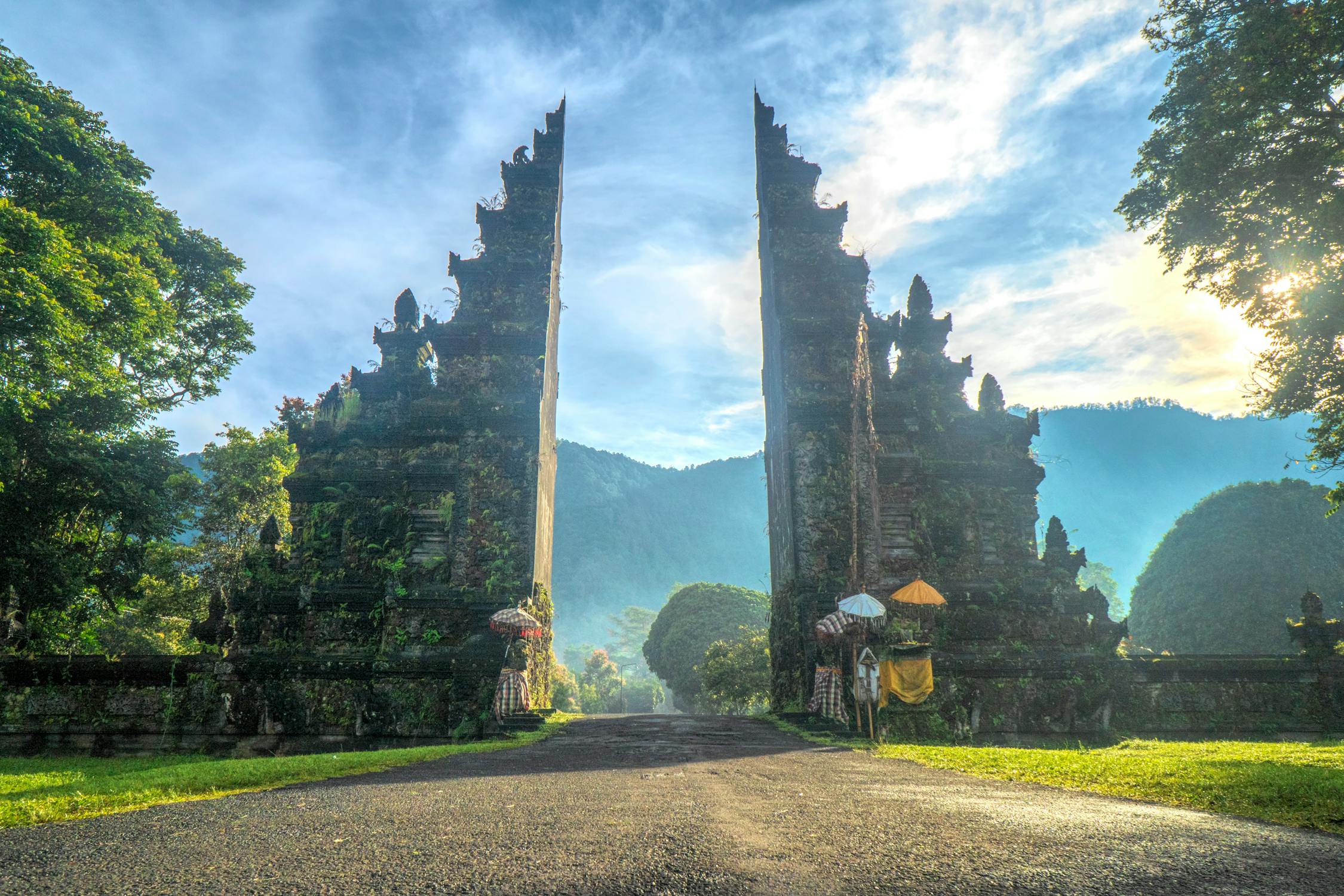 Photo credit on Pexels
Wellness in Bali: Beyond the Hype
Yoga
Bali has more yoga studios than you could visit in a year. Drop-in classes cost $8 to $15 and are available at every level from gentle restorative to intense Ashtanga.
The Yoga Barn (Ubud): Bali’s most established yoga center offers 15+ classes daily across multiple styles. The community vibe is strong, with a cafe, healing center, and regular workshops. This is where many solo women have their first Bali yoga experience.
Desa Seni (Canggu): A beautiful eco-village resort with daily yoga classes, an organic garden, and a pool. Drop-in classes are welcome.
Radiantly Alive (Ubud): Known for its excellent teachers and intimate class sizes. More personal than the larger studios.
Healing and Spiritual Practices
Bali’s spiritual traditions run deep, and the island offers a range of healing experiences from traditional Balinese practices to modern wellness modalities.
Balinese water purification (melukat): This sacred ceremony at a holy spring temple (the most famous is Tirta Empul) involves ritual cleansing under fountains of holy water. It is a profound spiritual experience that is open to respectful visitors. Wear modest clothing (sarong and sash, usually available to borrow at the temple) and follow the guidance of a local priest.
Traditional Balinese healing: Balian (traditional healers) offer sessions that combine energy work, herbal medicine, and spiritual guidance. Ask your accommodation for recommendations to find legitimate practitioners rather than tourist-oriented operations.
Sound healing and breathwork: Many studios in Ubud and Canggu offer sound baths (crystal singing bowls, gongs), ecstatic dance sessions, and breathwork ceremonies. These are popular in the international wellness community and easily accessible to solo visitors.
Spa and Massage
Bali’s massage culture is one of its greatest pleasures. A one-hour Balinese massage costs $8 to $15 at local spas and $30 to $80 at upscale establishments. The quality is consistently high across the price range.
Budget tip: The best-value massages are at local spas in residential neighborhoods rather than tourist areas. Ask your host or accommodation staff for their personal recommendation.
Temple Etiquette
Bali has thousands of Hindu temples, and visiting them is one of the island’s essential experiences. Respect is paramount.
Dress code: Wear a sarong and sash when entering any temple. Many temples provide them for a small fee or donation, but carrying your own (purchased for $3 to $5 at any market) shows respect and avoids the queue.
Menstruation: Balinese tradition considers menstruating women spiritually impure, and women are technically asked not to enter temples during their period. This is a cultural and religious practice. Many travelers respect it; others do not disclose. The choice is personal, but being aware of the tradition is important.
Behavior: Speak quietly, do not point your feet at altars or shrines, do not stand higher than a priest, and ask permission before photographing ceremonies. Offerings (canang sari) are placed throughout Bali — small woven baskets of flowers, incense, and food. Do not step on them.
Best temples for solo visitors:
- Tirta Empul: Holy spring temple with water purification ceremony
- Uluwatu Temple: Clifftop setting with sunset kecak dance
- Tanah Lot: Dramatic sea temple on a rock formation (best at sunset)
- Besakih: Bali’s largest and holiest temple complex, on Mount Agung
 Photo credit on Pexels
Getting Around
Scooter rental. The most popular transportation option in Bali, costing $4 to $7 per day. However, Bali’s traffic is chaotic, road conditions vary, and accidents are the most common cause of injury for tourists. Check the Australian Smartraveller advisory for Indonesia for current safety guidance. If you ride a scooter, wear a helmet (mandatory by law), drive defensively, and ensure your travel insurance covers motorbike use (many policies do not). 2026 Update: Bali police are actively enforcing the requirement for an International Driving Permit (IDP) for foreign riders. Obtain yours before departure from your national automobile association — fines for riding without one have increased significantly, and some travelers are being pulled over at checkpoints near tourist areas.
Ride-hailing apps. Grab and Gojek are available throughout Bali and offer car and motorbike rides at transparent, fixed prices. These are safer than negotiating with street taxis and provide a record of your journey.
Private driver. Hiring a driver for a full day costs $30 to $50 and is the most comfortable way to explore areas outside your base. Your accommodation can arrange this, and the same driver will typically wait for you at each stop. For full-day temple tours or rice terrace visits, this is the best option.
Walking and cycling. In Ubud’s town center and Seminyak, walking is practical for short distances. Cycling is excellent in the rice field areas around Ubud but impractical in traffic-heavy zones.
Budget Breakdown for Two Weeks
| Category | Budget | Mid-Range |
|---|---|---|
| Accommodation (13 nights) | $195 (guesthouses/hostels) | $520 (boutique hotels) |
| Food (14 days) | $140 ($10/day) | $350 ($25/day) |
| Transportation | $60 (scooter rental or Grab) | $150 (mix of driver and Grab) |
| Activities & Yoga | $100 | $300 |
| Spa & Massage | $40 | $120 |
| SIM Card | $5 | $10 |
| Total | $540 | $1,450 |
Bali remains one of the most affordable destinations for solo women travelers. At the budget level, it is possible to live well on less than $40 per day.
Must-Try Experiences for Solo Women in Bali
Sunrise at Mount Batur. The pre-dawn trek up Bali’s active volcano takes about two hours and rewards you with a sunrise above the clouds that is genuinely unforgettable. Most tours depart around 2 AM and include breakfast cooked in the volcanic steam at the summit. Solo travelers can join group treks for $40 to $60. The hike is moderate in difficulty and does not require special fitness.
Tegallalang Rice Terraces. The iconic cascading rice terraces north of Ubud are best visited early in the morning before the crowds arrive. The light between 7 and 9 AM creates stunning photography conditions. Walk through the terraces rather than just photographing from the lookout points above. The farmers are generally friendly and will pose for photos in exchange for a small tip.
Kecak Dance at Uluwatu Temple. This traditional Balinese fire dance is performed at sunset on the clifftop temple grounds, with the Indian Ocean as a backdrop. The combination of chanting, dance, fire, and the setting sun is mesmerizing. Tickets cost around $10 and sell out during peak season, so arrive early to secure a seat in the front rows.
Cooking Class in Ubud. Balinese cooking classes teach you to make traditional dishes including nasi goreng, satay, lawar, and traditional sambals. Most classes include a market visit and a walk through rice paddies to gather ingredients. Prices range from $25 to $50 for a half-day experience.
Snorkeling at Nusa Penida. The island of Nusa Penida, a 30-minute boat ride from Bali’s southeast coast, offers some of the best snorkeling in the region. Manta rays are regularly sighted at Manta Point, and the crystal-clear waters around Crystal Bay reveal vibrant coral and tropical fish. Day trips from Bali cost $50 to $80 including boat transfer, equipment, and lunch.
Safety in Bali
Bali is generally safe for solo women, but it is not without risks. Here is what to know.
Petty theft is the most common crime affecting tourists. Bag snatching from motorbikes is a known issue, particularly in Kuta and Seminyak. Wear your bag cross-body, keep it on the side away from traffic, and never hang bags from scooter handlebars. Our best anti-theft bags for women covers slash-resistant crossbody styles worth considering specifically for these areas. Keep your passport and backup cash in a neck wallet or hidden money belt under your clothes, not in your bag — see the options in our best neck wallets and hidden pouches guide. For a full rundown of scams to watch for in Southeast Asia, see our guide to avoiding scams as a solo woman.
 Anti-theft bags pay for themselves the moment you explore Kuta’s busier streets. Photo credit on Pexels
Drink spiking occurs in nightlife areas, particularly in Kuta and Seminyak. Standard precautions apply: watch your drink, do not accept drinks from strangers, and trust sudden, unexplained intoxication as a danger signal.
Beach safety. Bali’s ocean currents are powerful and unpredictable. Swim only at beaches with lifeguards, pay attention to flag warnings (red = no swimming), and never swim alone in unfamiliar waters.
Scooter accidents are the most common cause of tourist injury in Bali. If you choose to ride, be extremely cautious, particularly at night and on unfamiliar roads.
Methanol poisoning from counterfeit spirits (particularly arak, the local spirit) has caused tourist deaths in Bali. The CDC’s traveler health advice for Indonesia covers additional health precautions. Drink only from sealed bottles at reputable establishments. If a cocktail tastes unusually strong or chemical, do not finish it.
What to Know Before You Go
Bali is a place that gives you what you bring to it. If you come seeking Instagram moments and party culture, you will find them. If you come seeking spiritual depth, creative inspiration, and genuine connection, you will find those too. Our guide to cultural immersion for solo women can help you go deeper. The island has room for all of it, and the solo woman who takes the time to look beyond the surface will discover a place that is more complex, more generous, and more transformative than its reputation suggests.
Stay longer than you planned. Walk through the rice fields at dawn. Sit through a complete gamelan performance. Learn to make canang sari from your Balinese host. And let the island’s strange, persistent magic do its work. Solo women who have traveled the world consistently name Bali as the place that changed them. If you are drawn to similar transformative experiences, explore our guide to wellness retreats for solo women. It is not because Bali is perfect. It is because Bali, somehow, makes room for transformation.
 Photo credit on Pexels
Related Reading
Get the best HerTripGuide tips in your inbox
Weekly guides, deals, and insider tips. No spam, unsubscribe anytime.