The Best Hotels for a First Solo Trip to Europe (2026)
A warm, safety-first guide to hotels in Barcelona, Berlin, Paris, and Rome, with real price bands and neighborhood safety notes for solo women in 2026.

This post may contain affiliate links. Disclosure
Your first solo trip to Europe deserves a home base that feels like an ally, not just a place to crash between sightseeing. I dug into hotels across Barcelona, Berlin, Paris, and Rome and pulled together ten stays that solo women can book with confidence - places on well-lit streets, with staff who take security seriously, in neighborhoods where the walk back from dinner doesn’t feel like a gamble. Below you’ll find real price bands, what each hotel actually gets right (and where it falls short), plus the packing, transit, and budget details that turn a first solo Europe trip from overwhelming into genuinely fun.
Where should you stay on a first solo trip to Europe? Ten stays are vetted across four cities: Barcelona’s walkable Eixample, Berlin’s well-connected Charlottenburg, quiet residential or central Paris, and Rome from Vatican-adjacent calm to a rooftop yoga deck. Price bands run roughly $80 to $220 a night, all on well-lit streets with security-minded staff.
Barcelona’s Eixample: Walkable, Well-Lit, and Easy to Get Home To

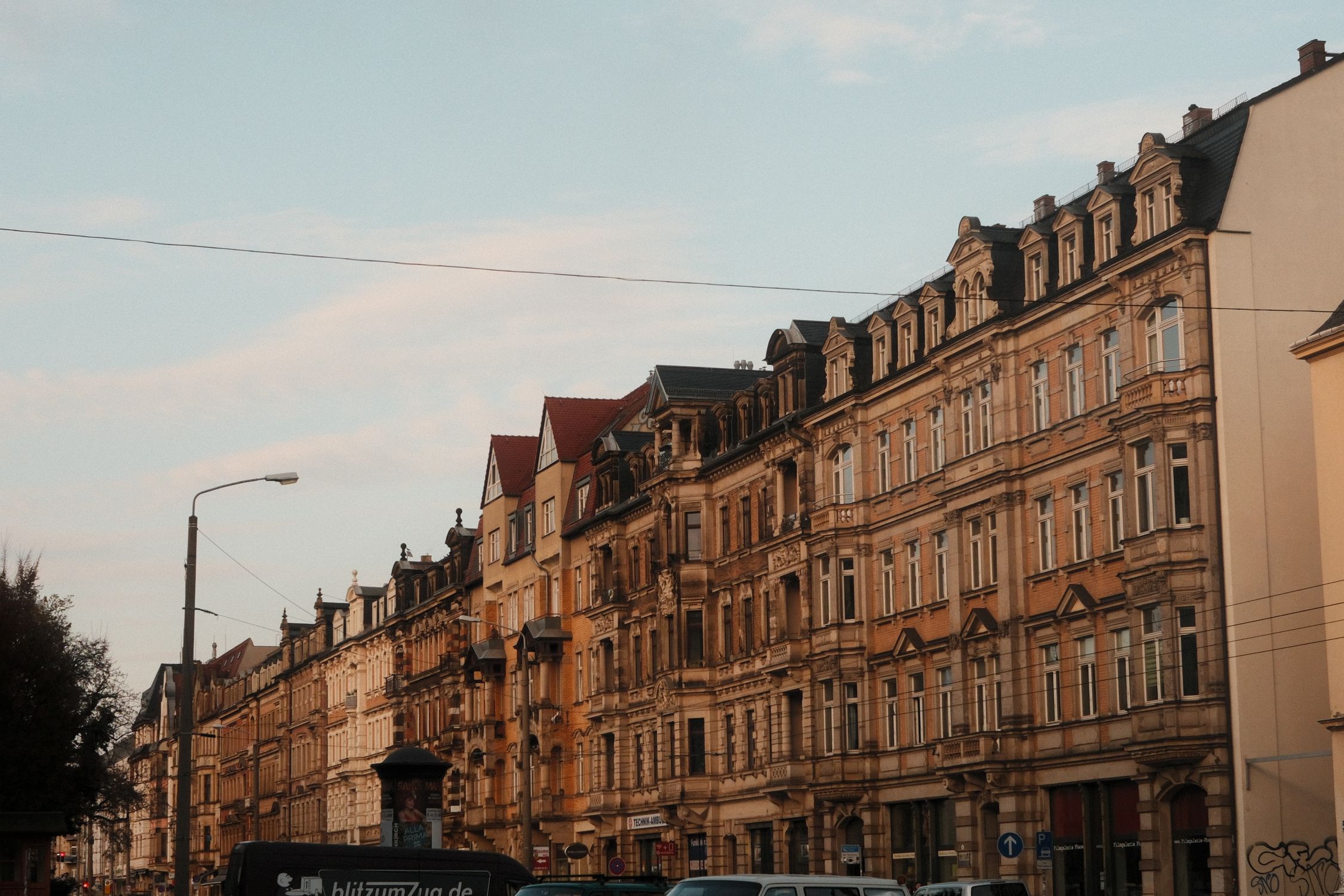
Eixample is consistently ranked as one of the safest central areas of Barcelona for solo women - wide, well-lit streets, a strong police presence, and a grid layout that makes it almost impossible to get truly lost. The Metro lines L1, L2, and L3 run 24 hours on weekends, so a late dinner or a night out doesn’t turn into a stressful trip home. All four hotels below sit inside this district.
Hotel Praktik Bakery ($120-180/night) is on Passeig de Gràcia, five minutes from La Pedrera and Casa Batlló, with a working bakery on the ground floor that fills the lobby with fresh bread and coffee every morning - an easy, low-pressure way to strike up conversation with other travelers. Interior rooms are quiet and great for sleep, though they lack a street view and the price runs above hostel territory. This one’s for solo women who want a design-forward stay with a built-in social icebreaker in a central, walkable neighborhood.
Bruc & Bruc ($80-120/night) is the budget pick, with modern rooms full of natural light, private balconies, and an on-site gym for a post-sightseeing workout. It’s steps from La Pedrera (Casa Milà) and the metro, and its hostel-hotel energy makes it genuinely easy to meet other solo travelers. The trade-offs are shared bathrooms and some street noise - fair compromises for the price.
Hotel Europark ($120-180/night) has a rooftop terrace and outdoor pool for unwinding after a day chasing Gaudí, plus 24-hour reception, which matters if your flight lands late. It leans quieter and more private than the other Eixample options, so it’s best for solo travelers who want comfort and calm over a social scene.
Casa Elliot Hotel ($120-180/night) sits right by the Aerobus stop, which makes airport transfers painless on your first and last day - genuinely useful when you’re navigating alone with luggage. Rooms are air-conditioned and sound-proofed, and staff maintain a strong security presence in a quiet, upscale pocket of the neighborhood. It costs more than a basic hostel, but for first-time visitors who want an easy, well-located base, it earns its price.
For a deeper dive into Barcelona’s solo-female hotel scene, check out the Girl about the Globe Barcelona guide.
Berlin’s Charlottenburg: One Social, Well-Connected Landing Pad
Charlottenburg, around the Zoologischer Garten station near Tiergarten, is considered a safe part of Berlin, with a strong police presence and no shortage of 24-hour shops if you need something after dark. Public transport (U-Bahn and S-Bahn) runs every 5-10 minutes during peak hours and every 10-15 minutes off-peak, so getting to museums, galleries, or nightlife rarely takes long.
25hours Hotel Bikini Berlin ($100-220/night) is the standout here: an urban-jungle design with a rooftop Monkey Bar overlooking the Tiergarten and Berlin Zoo, plus a communal lounge and jungle sauna built for meeting people. It sits right next to S-Bahnhof Zoologischer Garten, so sightseeing is effortless and you’re never far from a well-lit, busy transit hub. The one catch: the bar and lounge can get loud late into the night, so pack earplugs if you’re a light sleeper. This is the pick for solo women who want a social, design-forward stay in a secure, well-connected part of the city.
Paris: Quiet Residential Calm or Central Convenience
Paris gives you two very different flavors of “safe base,” and both show up on this list. The 15th arrondissement, near Georges Brassens Park, is a quiet, family-friendly residential zone - a comfortable landing spot if you’d rather come home to calm streets than nightlife. The Metro runs from 5 am to 1 am across the city, giving you a long, reliable window to get around without planning your whole evening around the last train.
Hotel La Conversation ($80-120/night) sits in that 15th arrondissement pocket, with sound-proofed rooms that are genuinely good for light sleepers and a stylish lobby offering free tea and coffee. Staff are warm, and the park-side streets stay well-lit after dark. There’s no on-site restaurant, so budget a short walk for dinner - a small price for a quiet, budget-friendly stay in a residential area that still feels safe at night.
Hotel des Grands Voyageurs ($120-180/night) trades quiet streets for a central location in the 1st arrondissement, steps from cafés and museums. It has an infrared sauna and wellness area, plus a complimentary minibar and coffee machine in every room - small comforts that add up on a solo trip. Paris’s tourist tax nudges the final bill up a little, but the central location more than makes up for it if you want everything within walking distance.
For more on Paris neighborhoods that work well for solo women, the Girl about the Globe Paris guide is worth a look.
Rome: From Vatican-Adjacent Calm to a Rooftop Yoga Deck
Rome’s public transport network of metro, buses, and trams gets you almost everywhere, and Metro Line A - which runs through the historic centre - stays well-lit at night. Trastevere and Ostiense are popular with solo travelers for their nightlife, and both stay safe thanks to regular police patrols, so you can enjoy an evening out without constantly second-guessing the neighborhood.
La Griffe Hotel Roma ($120-180/night) has a rooftop bar with panoramic views and even yoga classes on the terrace - a nice way to start a day of solo sightseeing grounded rather than rushed. It’s a five-minute walk to the metro and fifteen minutes to major sights, and staff are known for helping solo guests plan their itineraries. The 4-star price is on the higher end, but the wellness touches and hands-on staff make it worth considering.
Grand Hotel Tiberio ($120-180/night) sits in a quiet residential area near the Vatican, with a seasonal outdoor pool, a garden terrace, and a free shuttle into the city centre. Rooms are spacious doubles - roomy enough that you won’t feel like you’re living out of a suitcase. It’s a bit farther from the bustling historic centre, so factor in extra travel time, but the peaceful streets make for genuinely relaxed evening walks.
Hotel Abitart ($120-180/night) is in Ostiense, close to the train and metro stations, with each room styled as its own art gallery inspired by different artistic movements. A 24-hour front desk and in-room safety deposit box add real peace of mind, and the lively bar and terrace make it easy to strike up conversation with fellow travelers. Rooms run smaller, so taller guests may feel a bit cramped, but it’s a great pick for creative solo travelers who want a social vibe with easy transit links.
For a deeper dive into Rome’s solo-friendly hotels, see the Femmehotels Rome guide.
What to Pack for Peace of Mind
A great hotel only does half the work - the right gear handles the rest, especially in cities where pickpocketing is a real (if manageable) risk.
The Pacsafe Citysafe CX 17L Anti-Theft Backpack is built for exactly this trip: interlocking zippers, slash-resistant mesh, and RFID blocking, all in a water-resistant, sustainably made shell that fits a 16-inch laptop. It’s a smart choice for high-theft-risk cities like Barcelona and Rome. The straps aren’t fully adjustable for shorter torsos, and 17 liters is on the small side if you’re combining city stops with a multi-day side trip, but for daily use it’s hard to beat.
For packing itself, the Peak Design Packing Cube Medium compresses from 18 liters down to 8, with a movable divider that keeps clean and dirty clothes separate - genuinely useful when you’re living out of one bag for two weeks across four cities. It’s made of waterproof 70D Versa Heal ripstop nylon, so a surprise Paris drizzle won’t reach your clothes. The price is premium, and it’s probably overkill if you’re not already invested in the Peak Design ecosystem.
If ultralight is more your priority, the Eagle Creek Pack-It Specter Packing Cube Set (XS/S/M) is silnylon ripstop that barely adds any weight to your bag. The translucent fabric lets you spot what’s inside without unzipping everything, and the whole set is machine washable. It doesn’t compress your clothes the way the Peak Design cube does - it’s purely for organization - but for carry-on minimalists, that’s often exactly the point.
Getting Around and Staying Safe: The Real-World Basics
Staying safe on a solo trip isn’t about fear - it’s about knowing the rhythms of a place before you land.
Learn the transit schedule before you need it. Barcelona’s Metro runs 24 hours on weekends, Berlin’s U-Bahn and S-Bahn arrive every 5-10 minutes at peak times, Paris’s Metro runs from 5 am to 1 am, and Rome’s Metro Line A stays well-lit into the evening. Knowing these windows in advance means you’re never standing on an unfamiliar platform wondering if the next train is coming.
Stick to well-lit, busy streets, especially at night. Paris’s 15th arrondissement is quiet but stays well-lit around Georges Brassens Park, Barcelona’s Eixample has 24-hour cafés that double as safe waiting spots if you need to check a map or wait for a rideshare, and Berlin’s Charlottenburg is dotted with 24-hour shops near the Zoologischer Garten station that add an extra layer of visible activity after dark.
Lean on your hotel’s built-in security. Several stays on this list - Hotel Europark’s 24-hour reception, Hotel Abitart’s safety deposit box, Casa Elliot’s strong staff presence - exist specifically to make late arrivals and valuables less stressful. Use them; that’s what they’re there for.
Carry your bag like you mean it. An anti-theft backpack with zippers you can lock together, worn in front on crowded metros, closes off most opportunistic pickpocketing before it starts. Pair that with a quick scan of your surroundings before you step into a station or café.
Get connected the moment you land. A local SIM or an eSIM means you can navigate offline maps, call for help if you need it, and share your location with someone back home - small setup, big peace of mind.
If you can, aim for spring (April through June) or early autumn (September and October) for this trip. Both Barcelona and Berlin are milder and less crowded in those windows, which makes everything from walking tours to finding a quiet café table that much easier.
Budgeting Your First Solo Trip
Knowing what things actually cost ahead of time keeps you from either overspending or white-knuckling your way through the trip.
Food. A solo traveler in Barcelona should budget roughly $30-45 a day for food, and Berlin runs similarly at $35-50. Paris and Rome tend to run a bit higher, especially near major tourist sites, so look for neighborhood bistros and local markets away from the landmarks - you’ll eat better for less.
Hotels. Every stay in this guide falls between $80 and $220 a night. Bruc & Bruc and Hotel La Conversation anchor the budget end, while Hotel des Grands Voyageurs and La Griffe Hotel Roma sit at the mid-range boutique level. Keep in mind that city tourist taxes, particularly in Paris, add a little to your final bill - it’s worth checking the line item so it doesn’t surprise you at checkout.
Getting around. Each of these cities has its own city-wide transit pass that bundles rides together and often includes discounts on museums and attractions - it’s worth pricing one against single tickets once you know roughly how much you’ll be moving around each day, since the math changes depending on your itinerary.
Common First-Timer Mistakes to Skip
-
Booking the cheapest room without checking safety features. A rock-bottom price can mean shared bathrooms, no overnight staff, or a location far from transit. Prioritize 24-hour reception, well-lit streets, and sound-proofed rooms - most of the hotels above check at least one of those boxes.
-
Overpacking. A heavy suitcase turns cobblestone streets and crowded metro stairs into a workout you didn’t sign up for. A capsule wardrobe plus a good set of packing cubes goes a long way toward keeping things manageable.
-
Assuming everything will be in English. Major stations post English signage, but smaller neighborhoods often don’t. An offline map and a translation app saved ahead of time will save you more than one confused moment.
-
Skipping travel insurance. Even with careful planning, a lost bag or an unexpected doctor’s visit can happen. A policy that covers health, theft, and trip interruption is cheap insurance against a genuinely bad day.
-
Treating a “safe neighborhood” as safe everywhere, all the time. Even inside Eixample, Charlottenburg, or Trastevere, a quiet side street at 1 am feels different than it does at 1 pm. Stick to main routes, favor well-lit paths, and trust your gut - if something feels off, change direction without a second thought.
Get the hotel right, get the transit rhythms down, and pack like you’ve done this before - and your first solo trip to Europe will feel like the start of a habit, not a one-time leap of faith.
Related Reading
Get price-drop alerts and new guides from HerTripGuide
One email a week: price drops on the gear we recommend, new guides, and what changed. No spam, unsubscribe anytime.