Best Travel First Aid Kits for Solo Travelers 2026
Discover the top compact first-aid kits for solo female travelers in 2026, plus essential add-ons like UTI relief and blister care, with expert packing tips.

This post may contain affiliate links. Disclosure
Traveling solo is a mix of freedom and responsibility, especially when you are a woman navigating new cities, mountain trails, or crowded markets on your own. The right first-aid kit will not prevent every mishap, but it turns a “what now” moment into a calm, practical response. In 2026, the market has kits that are compact and thoughtfully stocked for everything from a scraped knee on a cobblestone street to a blister three days into a walking tour. Below, we break down the best kits for solo travelers, the extra items solo women in particular tend to need, and the packing and documentation habits that keep you prepared on the road.
What is the best travel first aid kit for solo travelers? Three kits lead: the Adventure Medical Kits Ultralight/Watertight .7, the 98-piece Surviveware Premium Survival kit and the 130-count Welly kit. The guide then covers solo-female add-ons such as UTI relief and blister care, plus packing, documentation and on-the-road usage tips.
Why a Dedicated Travel First Aid Kit Matters
When you are traveling alone, you cannot rely on a stranger’s spare bandage or a hotel’s first-aid drawer being stocked with what you actually need. A dedicated kit puts the tools you need within arm’s reach and lets you stay focused on the trip instead of worrying about the gaps in your bag. The CDC’s Travelers’ Health Pack Smart page stresses the importance of carrying medical supplies and documentation on international trips, because medication rules and pharmacy access vary widely by destination. The same CDC guidance recommends checking the U.S. Embassy or consulate website for your destination before you leave, since a drug that is legal and available over the counter at home can be restricted, or require a permit, somewhere else.
Packing smart also means knowing the rules for getting your supplies through security. The TSA allows medically necessary liquids, medications, and creams in carry-on bags beyond the standard 3.4 oz / 100 ml limit, and recommends keeping everything clearly labeled so screening moves faster. Put together, a compact and well-labeled kit means you are not rummaging through a backpack while the plane is descending or hunting for a bandage behind a locked hostel bathroom door at midnight.
Key Features to Look For
Not every first-aid kit is built with a solo traveler in mind. Some are designed for families, some for backcountry trips, and some are just a drugstore bag with a red cross on it. The features below are the ones that matter most when you are the only person managing your own care on the road.
| Feature | Why It Matters for Solo Women |
|---|---|
| Waterproof or water-resistant case | Rain, humidity, or a leaking water bottle in your daypack can ruin loose supplies. A sealed inner bag, like the DryFlex bag in the Adventure Medical Kits Ultralight/Watertight .7, keeps essentials dry. |
| Compact dimensions | Solo travelers tend to pack light. A kit that fits in a side pocket of a daypack, rather than taking up suitcase space, is far more likely to actually go with you on day trips. |
| Labeled compartments | One-handed access matters when you are juggling a map, a phone, or a stroller strap. Surviveware’s clearly labeled compartments speed up retrieval when you need something fast. |
| Inclusive medical items | Look for wound closure strips, antiseptic wipes, and blister care. Many generic kits skip moleskin or hydrocolloid pads, which matter most on uneven terrain and multi-day walking days. |
| HSA/FSA eligibility | For budget-conscious travelers, a kit that qualifies for pre-tax health-spending dollars, like Surviveware, stretches the travel budget a little further. |
Between the three kits below, the biggest differences come down to how waterproof the case is, how the contents are organized, and price. The right pick depends on whether you are hiking, walking city streets, or want a basic backup for minor scrapes.
Top Picks for Solo Travelers
Below are the three vetted kits that hit the sweet spot of durability, price, and solo-traveler friendliness. Each product link includes our affiliate tag, so you can purchase directly from Amazon.
Adventure Medical Kits Ultralight/Watertight .7
- ASIN: B0DV6NTJBK
- Price: $44.95
- Specs: Built for up to 3 people / 3 days, waterproof DryFlex inner bag plus a water-resistant DWR outer bag, roughly 7” x 5” x 2.5”. Includes moleskin, wound closure strips, gauze, antiseptic wipes, meds, and a tick remover.
- Best for: Solo travelers who want one comprehensive, weatherproof kit that covers hiking day trips, city mishaps, and everything in between.
This is the kit to reach for if you would rather buy one well-built option than piece together several smaller ones. The DryFlex inner bag is a sealed liner rather than just a water-resistant zipper pouch, so gauze, wound closure strips, and antiseptic wipes stay dry through rain or a leaking water bottle in your pack. It is also one of the few kits in this price range that includes moleskin for blister care, a detail most generic kits skip.
Pros:
- Waterproof inner bag keeps supplies dry through rain, humidity, or a leaky water bottle in your pack
- Includes blister-specific supplies (moleskin) most generic kits skip
- Compact enough for a daypack side pocket, not just a suitcase
Cons:
- Pricier than a basic drugstore kit
- No UTI or women’s-health items included, so it needs a solo-female add-on (see below)
Surviveware 98 Pcs Comprehensive Premium Survival First Aid Kit
- ASIN: B01HGSLB6K
- Price: $32.39
- Specs: 98 labeled items in a water-resistant soft case with clear compartments, HSA/FSA eligible, MOLLE-compatible exterior straps.
- Best for: Budget-conscious solo travelers who want labeled compartments so they are not digging through loose supplies mid-emergency.
Surviveware’s kit trades the AMK’s fully sealed inner bag for something arguably more useful day to day: organization. With 98 items sorted into clearly labeled compartments, you can find exactly what you need one-handed, which matters when you are dealing with a cut while also holding a map or a subway ticket. It is HSA/FSA eligible, so it can be purchased with pre-tax health dollars, and the MOLLE-compatible straps let you clip the whole case to the outside of a backpack.
Pros:
- HSA/FSA eligible, so you can use pre-tax health dollars
- Clearly labeled compartments make it fast to find what you need one-handed
- MOLLE straps let you clip it to a backpack exterior
Cons:
- Soft case is water-resistant, not fully waterproof like the AMK kit
- Some included items (safety pins, cravat) are rarely needed for city solo trips
Welly First Aid Kit, 130 Count
- ASIN: B08M6FSGVR
- Price: $14.99
- Specs: 130 pieces including flex-fabric and waterproof bandages, butterfly strips, non-stick pads, triple-antibiotic and hydrocortisone single-use ointment packets, and ibuprofen tablets; FSA eligible.
- Best for: First-time solo travelers who want an affordable, drugstore-familiar kit without researching a hiking-specific brand.
If you have never bought a dedicated travel first-aid kit before, Welly is the least intimidating entry point. At under $15, it is the cheapest of the three full kits here, and its 130 pieces lean toward everyday, familiar items: flex-fabric and waterproof bandages, butterfly strips, non-stick pads, and single-use packets of triple-antibiotic and hydrocortisone ointment, plus ibuprofen tablets. The single-use ointment packets are a genuinely useful detail for a bag that travels with you for weeks: there is no half-used tube leaking into your toiletry pouch.
Pros:
- Cheapest of the three full kits at under $15
- Single-use ointment packets mean no half-used tubes leaking in your bag
- FSA eligible
Cons:
- No waterproof outer case, so repack it into a ziplock bag for wet climates
- Skews toward minor cosmetic scrapes over more serious wound care
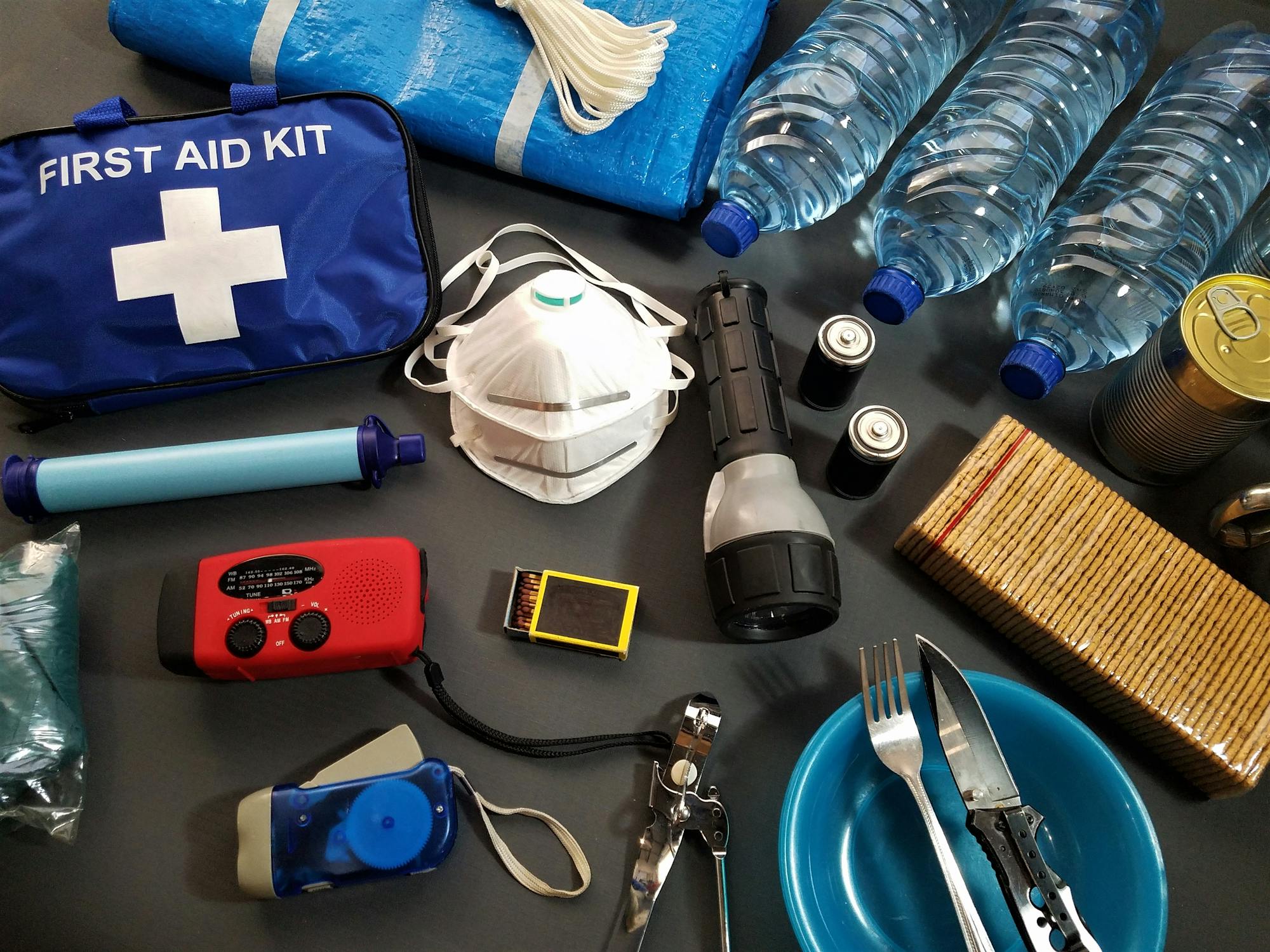
Essential Solo-Female Add-Ons
Even the best all-purpose kit can miss items that solo women specifically tend to need. The two products below are not full first-aid kits on their own; they are add-ons that fit into the pocket of any of the three kits above and cover situations that come up more often for a woman traveling alone.
AZO Urinary Pain Relief Maximum Strength, 24 Count
- ASIN: B0018SGX6I
- Price: $8.12
- Spec: Phenazopyridine HCl tablets, targets UTI pain, burning, and urgency; dose is 2 tablets up to 3 times daily for up to 2 days.
- Best for: The solo-female add-on nobody else’s packing list mentions. Bladder infections are common on long-haul flights and do not wait for a pharmacy to open.
This is the item most general travel first-aid guides never mention, and it is worth the small amount of pack space. The tablets bring fast relief from UTI pain, burning, and urgency while you locate a pharmacy or clinic abroad, and the blister pack is light enough to drop into any kit’s side pocket.
It is important to be clear about what it does and does not do. AZO relieves symptoms only; it does not cure the underlying infection, so treat it as a bridge to care rather than a replacement for antibiotics. Most UTIs are treated with antibiotics, and symptoms typically start improving within 24 to 48 hours once treatment actually begins, which is exactly why an over-the-counter symptom-relief tablet is useful for travelers who cannot reach a clinic immediately, but should not be relied on indefinitely.
Pros:
- Fast symptom relief while you locate a pharmacy or clinic abroad
- Small, lightweight blister pack fits inside any kit’s pocket
- Widely recognized OTC brand, easy to explain to customs or hotel staff if asked
Cons:
- Relieves symptoms only, does not cure the infection, so it is a bridge to care, not a replacement for antibiotics
- Turns urine orange, which can be alarming if you do not know to expect it
Quick tip: pair AZO with a copy of your prescription or a note from your doctor. The CDC’s Pack Smart guidance advises carrying prescription copies and physician documentation on international trips, since medication rules vary by destination.
Compeed Advanced Blister Care Pads, Mixed Sizes, 10 Count (2 Packs)
- ASIN: B07RHZBXTG
- Price: $20.98
- Spec: Hydrocolloid gel cushions in mixed sizes (4 medium, 4 small, 2 toe), with adhesion lasting up to 7 days.
- Best for: Solo travelers doing multi-day walking tours, cobblestone cities, or breaking in new hiking boots who cannot afford a blown blister mid-trip.
Blisters are one of the most common, most avoidable trip-derailers for anyone doing serious walking, and they are harder to manage solo, with no one to slow the pace down for you. Compeed’s hydrocolloid pads cushion on contact for near-instant relief, unlike a standard adhesive bandage, and they stay adhered for up to 7 days, so you are not re-bandaging every night in a hostel bathroom. The mixed sizes cover heels, toes, and the sides of the foot, the spots that tend to blister first on cobblestones or in new boots.
Pros:
- Stays adhered up to 7 days, so you do not need to re-bandage every night in a hostel bathroom
- Cushions on contact for near-instant pain relief, unlike a standard bandage
- Mixed sizes cover heels, toes, and side-of-foot hot spots
Cons:
- Pricier per unit than plain moleskin
- Not a substitute for broken-in shoes; best used preventatively at the first hot spot
Packing and Documentation Tips
- Create a master checklist. Go item by item through whichever kit you choose, plus your solo-female add-ons, so nothing gets left behind when packing in a hurry.
- Store the kit in a waterproof zip-lock bag. Even the AMK’s DryFlex inner bag benefits from a second layer of protection; for the Surviveware or Welly kits, which are only water-resistant, a zip-lock is close to essential in humid or rainy climates.
- Carry copies of medical documents. The CDC’s Pack Smart page recommends prescription copies, physician letters, and immunization records for international travel. Keep one set in your carry-on and a second set in your checked luggage.
- Label everything. The TSA’s medication FAQ advises clear labeling on medically necessary liquids, creams, and pills so security screening moves faster.
- Know your destination’s medication rules before you leave. The CDC recommends checking the website of the U.S. Embassy or consulate for the country you are visiting, since some over-the-counter products that are unrestricted at home may be restricted or controlled abroad.
How to Use Your Kit on the Road
- Day-to-day scrapes: if you get a cut while navigating a market or a trailhead, clean it with the antiseptic wipes included in your kit, apply a gauze pad, and secure it with a wound closure strip. A waterproof or water-resistant case keeps those supplies dry even if you get caught in a sudden downpour.
- Blister management: at the first sign of friction, clean the area, then apply a Compeed hydrocolloid pad rather than waiting for a full blister to form. Its up-to-7-day adhesion means you can keep walking without re-bandaging every night.
- UTI symptoms on a long flight: if burning, urgency, or pain start mid-flight, two AZO tablets with water can take the edge off while you are stuck in your seat. Treat the tablets as a bridge, not a cure: most UTIs require antibiotics to actually clear the infection, and symptoms typically start improving within 24 to 48 hours once treatment begins, so make finding a pharmacy or clinic a priority as soon as you reasonably can (see MedlinePlus’s overview of urinary tract infections for more detail).
- Medication questions at security or a border: keep a small card in your wallet listing your allergies, chronic conditions, and emergency contacts, alongside the prescription copies mentioned above. If you ever need to explain a medication to a customs officer or local pharmacist, the card and the paperwork save time.
Final Thoughts
Choosing the right first-aid kit is a personal decision, but the three kits above cover a range of budgets and comfort levels: the Adventure Medical Kits Ultralight/Watertight .7 for weatherproof coverage, Surviveware for organized, HSA/FSA-eligible peace of mind, and Welly for an affordable, familiar starting point. Pair any of them with AZO for UTI symptom relief and Compeed for blister care, and you have a setup that addresses the gaps solo women run into on the road. Keep the CDC’s Pack Smart advice in mind, label your medications for TSA screening, and carry copies of your prescriptions. A well-packed kit will not eliminate every hiccup, but it means you can handle most of them yourself.
Related Reading
Get price-drop alerts and new guides from HerTripGuide
One email a week: price drops on the gear we recommend, new guides, and what changed. No spam, unsubscribe anytime.