Digital Nomad Burnout: How Solo Women Travelers Recover
The honest guide to digital nomad burnout for solo women — why loneliness masquerades as fatigue, how the perform-freedom pressure accelerates burnout, and a structured path back.

This post may contain affiliate links. Disclosure
You have booked the Airbnb. You have the laptop. You have the views. And yet the spreadsheet on your screen is a blur you cannot make yourself care about, and the message you keep drafting to friends back home — “everything is amazing!” — feels like a lie you have told too many times.
How do solo women recover from digital nomad burnout? Start by naming it: loneliness often masquerades as fatigue, and the pressure to perform freedom publicly accelerates the collapse. Recovery runs through a slow-down protocol, coliving as community medicine, and gear that helps rather than adds load — with going home treated as a legitimate answer, not a failure.
This is not a bad day. This is nomad burnout, and it looks different on solo women than the generic “rest and reset” advice acknowledges. The gender-specific layer is real: the pressure to perform freedom publicly, the loneliness that arrives dressed as wanderlust fatigue, the way every rest day gets mentally justified against an invisible audience asking whether you really deserve the lifestyle you chose. Understanding this pattern — not just “you’re tired, slow down” — is where actual recovery starts.
Why Nomad Burnout Hits Solo Women Differently
The standard burnout diagnosis is overwork plus insufficient recovery. For solo women nomads, there are three additional accelerants that rarely get named.
The perform-freedom tax. Instagram, TikTok, and the expectations of people watching your life from home create a constant low-grade performance pressure. You are not just living; you are demonstrating that the unconventional choice was worth it. Rest days don’t look like much in a grid of sunsets and coworking cafés, so they get sacrificed. Over months, the gap between projected experience and lived experience widens into an exhausting double life.
Loneliness wearing fatigue’s face. Solo travel is genuinely energizing until it isn’t. The early months of meeting people in hostels and coworking spaces fill the social tank. But shallow connections — people who are gone in two weeks, conversations that reset at every destination — stop satisfying the deeper need for continuity. The body interprets the deficit as fatigue. Many women spend months adding more sleep, more vitamins, more exercise before recognizing that what they actually need is to stay somewhere long enough to know someone’s last name.
Administrative load with no support system. Navigating visas, unstable Wi-Fi, unfamiliar banking systems, finding trustworthy accommodation, staying safe in an unfamiliar city — all of this runs in parallel with a full workload. Every practical problem that would be a minor inconvenience at home is a half-day project on the road, and it all lands on one person.
 Photo by Resume Genius on Pexels
Recognizing the Warning Signs Before Collapse
Burnout does not arrive like a cold. It builds over weeks through signals that are easy to explain away individually.
You are looking at signs of serious burnout when multiple of the following are present at once: an inability to feel excited about a destination you deliberately chose, defaulting to your room or apartment for days when you would normally explore, working longer hours with visibly declining output, intrusive thoughts about quitting the whole thing entirely, and a pattern of canceling social plans you actually wanted to keep.
The existential layer is telling: “what is the point of this?” is not a philosophical question when it comes up every morning. It is a stress response to a system running at depletion.
One important distinction: general travel fatigue from constant movement is not the same as burnout. Fatigue from too many overnight buses and time zone changes responds to a week of staying put and sleeping consistently. Burnout does not recover in a week — it is the result of sustained misalignment between how you are living and what you actually need, and it requires structural change, not just rest.
The Slow-Down Protocol: What Actually Works
Recovery from nomad burnout requires changing the conditions that produced it, not just the symptoms.
Commit to a minimum stay. The most consistently cited turning point in accounts from burned-out nomads is slowing the pace to a minimum of four to eight weeks per location. Two-week stays are not long enough to feel settled, build any routines, or develop friendships beyond the “we overlapped at the same hostel” level. Eight weeks is where the local café staff starts recognizing you, where you have a gym you actually go to, and where you might have actual friends rather than travel acquaintances.
Establish non-negotiable anchors. Recovery is harder without daily structure. The routine does not need to be elaborate — morning coffee before opening the laptop, a fixed end-of-work hour, a weekly non-work activity that has nothing to do with productivity — but it must be consistent and genuinely protected. Structure is not the enemy of freedom; it is what makes sustained freedom possible.
Name the loneliness directly. Treating loneliness as a logistics problem to be solved by booking the next interesting destination is the most common mistake. It perpetuates the churn. Instead, ask directly: when did I last have a conversation that did not begin with “where are you from?” When did I last spend time with someone I actually know? The answers point toward what is missing.
For many solo women, the structural fix here is a coliving space for digital nomads. Coliving bundles built-in community with private workspace in a way that short-term accommodation cannot. You eat dinner with the same people three times a week, disagreements happen, inside jokes develop — the ordinary texture of social life that tourism strips away.
Decouple rest from justification. A surprisingly persistent obstacle for solo women in burnout is the internal demand that rest be earned, announced, or deserved according to some external standard. A rest day does not need to produce a blog post, an Instagram story, or a coherent reason. “I felt like staying in” is sufficient. If you cannot rest without narrating it, the perform-freedom pressure has its hooks in you and that is worth examining — perhaps in a journal, perhaps with a therapist via remote session, perhaps just in honest conversation with yourself.
 Photo by Ron Lach on Pexels
Coliving as Community Medicine
Coliving deserves its own section because it addresses the root cause rather than the symptoms. The modern coliving model — particularly spaces designed with women nomads in mind — provides what a coworking membership does not: shared meals, common areas that encourage actual conversation, and residents who are there for weeks rather than hours.
The community dimension is the recovery mechanism, not just a perk. Research on loneliness and health consistently shows that the quality of social connection — not just its quantity — affects stress recovery, cognitive performance, and motivation. A coliving space where you know the people well enough to be honest about having a hard week is genuinely therapeutic in a way that a hostel common room full of strangers is not.
If committing to a full coliving month feels like too large a decision when you are already depleted, a structured trial — booking a two-week stay in a vetted space in a city you know you like — reduces the activation energy. If the community fits, extend. If it does not, you have only lost two weeks rather than a month.
For finding options, Nomad List and Wifi Tribe maintain searchable databases of coliving spaces filtered by city, price range, and community type.
The Gear That Helps (Without Making Things Worse)
Recovery is not primarily a gear problem, and it would be dishonest to suggest otherwise. But three categories of tools genuinely reduce the friction that compounds burnout.

Journaling. Processing the gap between projected life and lived experience is harder in your head than on paper. The Moleskine Passion Travel Journal — structured with tabbed sections for pre-trip plans, destination notes, and reflection — gives the recovery process a physical home. The structure is not mandatory; blank pages work fine. But a dedicated notebook with thematic prompts reduces the blank-page paralysis that makes journaling feel like work when you are already depleted.
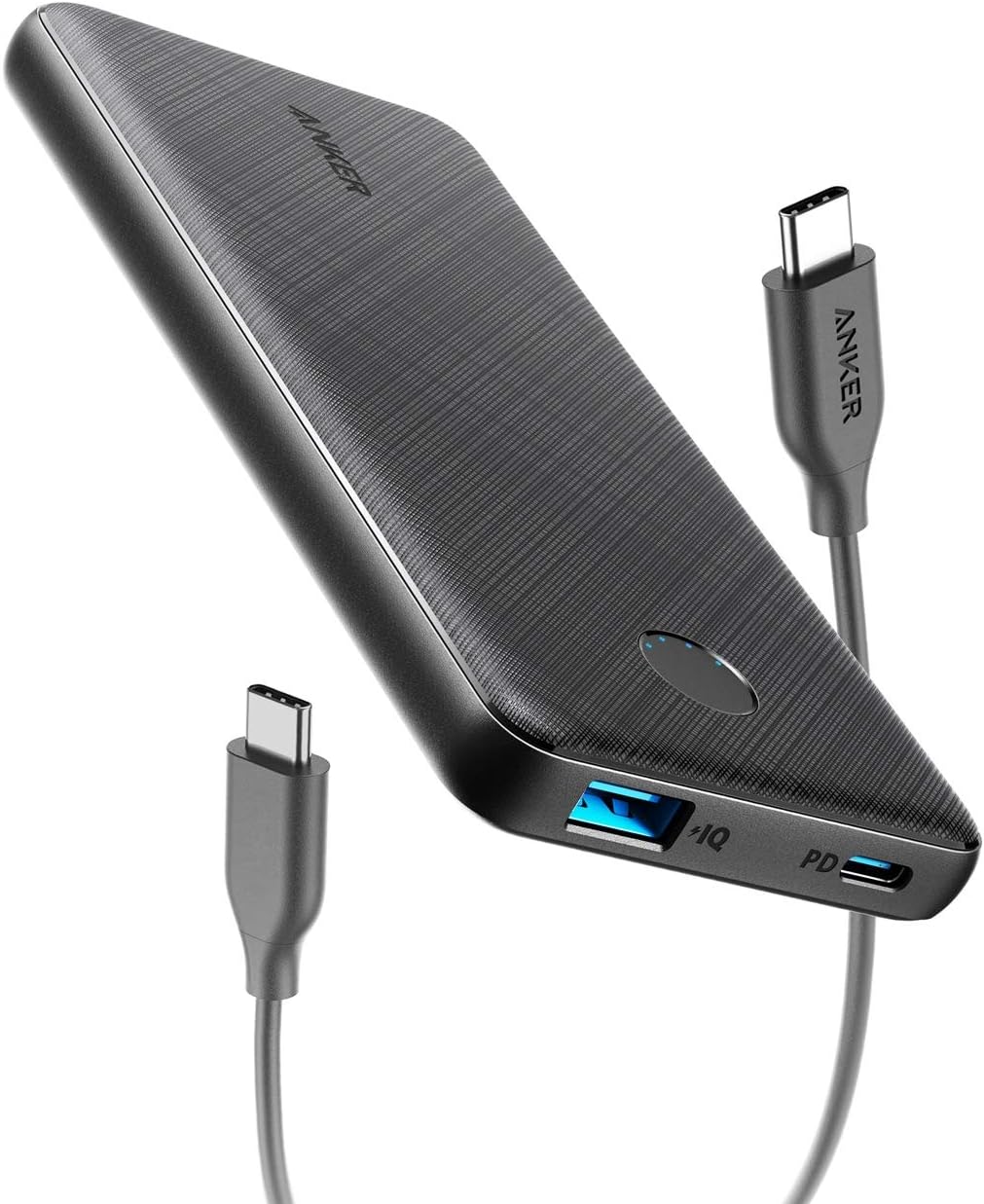
Power reliability. Running out of battery mid-call or having to hunt for outlets in an unfamiliar city is the kind of ambient stress that sounds trivial and accumulates invisibly. The Anker PowerCore Slim 10000 PD is under 0.6 inches thick, charges via USB-C, and delivers 18W Power Delivery — enough to keep a phone and wireless earbuds topped up through a full workday away from a power socket.

Offline reading. The screen-time reduction that most burnout recovery plans recommend is nearly impossible if your only entertainment options also require a device. The Kindle Paperwhite 16GB holds thousands of books, works in direct sunlight, has a battery that lasts up to 12 weeks between charges, and is IPX8 waterproof — meaning it survives at the beach or in the bath without drama. Designating evening reading as phone-free time is one of the simplest concrete steps toward genuine rest.
For a broader look at managing your mental wellbeing on the road, the solo travel mental health guide covers therapeutic resources available remotely and how to evaluate them while abroad.
When the Right Answer Is Going Home
The nomad internet has a complicated relationship with going home. It gets framed as failure, as giving up, as something that requires a narrative of “taking a break to recharge before the next chapter.” None of this framing is accurate or useful.
Going home when you need it is not a flaw in the plan; it is the plan working. The point of a nomadic life is that it fits you, not that you fit it at any cost. If returning to a familiar city for three months to rebuild your social foundation, work from a consistent time zone, and remember what it feels like to have a home routine allows you to return to travel with genuine enthusiasm — that is a successful use of the lifestyle’s flexibility.
The question to ask is not “am I giving up?” The question is: “what do I actually need right now, and where can I get it?” For many women at the acute stage of burnout, the honest answer includes people they know well, places that require no navigation, and a bed they do not have to check out of on Friday.
If the loneliness dimension is something you are working through actively, the handling loneliness on long solo trips guide addresses the psychology in more depth, including how to build a support structure that travels with you.
Building a Burnout-Resistant Nomad Life
Long-term sustainability looks different from the early months of nomadic travel, and recognizing the shift is not a sign of diminishing enthusiasm — it is a sign of maturity in the practice.
The factors that most consistently correlate with sustained, satisfied nomads are: a home base they return to periodically (a city they know, a storage unit, a friend’s spare room — some anchor in the world); a social infrastructure that requires less than full-time effort to maintain (a community group, a coliving network, a consistent coworking space in their most-visited cities); a work arrangement that does not require more than five or six hours of focused effort per day; and an honest relationship with what they actually find restorative versus what they perform as restorative.
The digital nomad guide for women covers the practical infrastructure — visa options, banking, health insurance — but the sustainability question is upstream of all of it. A life that is theoretically optimized and structurally exhausting will produce burnout reliably.
The goal is a life you do not need to recover from.
Related Reading
Get price-drop alerts and new guides from HerTripGuide
One email a week: price drops on the gear we recommend, new guides, and what changed. No spam, unsubscribe anytime.