Sustainable Solo Travel Guide for Women in 2026
Practical guide to eco-friendly travel for women: reduce your carbon footprint, choose green stays, and travel more sustainably without sacrificing the experience.

This post may contain affiliate links. Disclosure
Women are leading the sustainability revolution in travel. Research consistently shows that female travelers are more likely to consider environmental impact when making travel decisions, more likely to choose eco-friendly accommodations, and more likely to modify their behavior to reduce their carbon footprint on the road. In 2026, approximately 75 to 84 percent of solo travelers are women, and they are increasingly using that purchasing power to demand better from the travel industry. A 2025 survey found that 81 percent of global travelers are willing to modify their travel behavior to minimize their environmental impact — and women are driving that statistic.
But sustainable travel is complicated. The gap between wanting to travel responsibly and actually knowing how to do it is wide. Greenwashing is rampant. Carbon offset calculators vary wildly in their methodology. “Eco-lodges” range from genuinely sustainable operations to hotels that stuck a recycling bin in the lobby and called it green. And the fundamental tension between travel (which requires transportation, which produces emissions) and environmentalism is real and unresolvable.
This guide does not pretend that travel can be completely carbon-neutral. Instead, it provides practical, evidence-based strategies for reducing your environmental impact as a solo female traveler while still experiencing the world in meaningful ways.
Understanding Your Travel Footprint
Before optimizing your sustainability, it helps to understand where your impact actually comes from.
Transportation accounts for 75 percent or more of your travel carbon footprint. A round-trip flight from New York to London produces roughly 1.6 tons of CO2 per economy passenger. That single flight represents about 20 percent of the average American’s annual carbon footprint. No amount of reusable water bottles or eco-lodges compensates for frequent long-haul flying.
Accommodation accounts for 10 to 20 percent. Hotels are energy-intensive operations: air conditioning, heating, laundry, lighting, and water use add up. The type and size of accommodation you choose matters significantly.
Activities, food, and shopping account for the remaining 5 to 15 percent. This includes local transportation, the environmental footprint of the food you eat, and the resources consumed by tourist activities.
The implication is clear: the single most impactful sustainability decision you make as a traveler is how often and how far you fly. Everything else is secondary. This does not mean those secondary choices are unimportant, but it does mean that perspective matters.
 Photo credit on Pexels
Sustainable Transportation
Fly Less, Stay Longer
The most sustainable version of travel is taking fewer, longer trips rather than frequent short ones. Instead of four weekend getaways by air, take one two-week trip and travel overland between destinations. Instead of hopping between three countries in a week, spend that time deeply exploring one region. This approach aligns beautifully with solo travel philosophy. Slow travel — the practice of staying longer in fewer places — produces deeper cultural understanding, stronger local connections, and a more relaxed experience. It is better for the planet and better for you. Our guide to slow travel and living abroad monthly goes deeper on this approach.
Choose Trains Over Planes When Possible
In Europe, Japan, and parts of Southeast Asia, the rail network makes train travel a genuine alternative to flying. The environmental advantage is dramatic: a train journey produces roughly 80 to 90 percent less CO2 than the equivalent flight.
Europe: The Interrail/Eurail pass gives you unlimited train travel across 33 countries. Night trains between major cities (Paris to Barcelona, Vienna to Venice, Amsterdam to Zurich) eliminate both a flight and a hotel night. Our Interrail guide for solo women covers exactly how to plan this.
Japan: The Japan Rail Pass gives you access to the Shinkansen (bullet train) network, which is fast enough to compete with flying for most domestic routes while producing a fraction of the emissions.
Southeast Asia: While less developed than European rail, overnight trains in Thailand, Vietnam, and Myanmar are affordable, atmospheric, and significantly less polluting than budget flights. Our solo female Southeast Asia route guide includes the best train connections.
Ground Transportation at Your Destination
Walk. Walking is zero-emission, free, and the best way to experience a city. Solo women travelers who walk their destinations rather than relying on taxis see more, understand the geography better, and have more spontaneous encounters.
Use public transit. Buses, metros, trams, and ferries are the most sustainable motorized transport options. They are also usually the cheapest.
Rent a bicycle. Many cities now have bike-share programs. Cycling is fast, sustainable, and gives you access to neighborhoods that tour buses cannot reach.
Choose electric or hybrid rideshares. When you need a car, opt for electric or hybrid options where available. Some ride-hailing apps now let you filter for electric vehicles.
Choosing Eco-Friendly Accommodation
What to Look For
Genuine sustainability certifications are the most reliable indicators. Look for properties certified by:
- LEED (Leadership in Energy and Environmental Design): The global standard for green building design
- Green Key: An international eco-label for tourism establishments
- EarthCheck: Certification based on measurable environmental performance
- B Corp: Indicates the business meets high standards of social and environmental performance
Beyond certifications, look for specific practices: solar or renewable energy use, water conservation systems, locally sourced food, elimination of single-use plastics, waste reduction programs, and employment of local staff.
A 2025 analysis found that choosing sustainable accommodation is on average 39 percent cheaper than non-sustainable equivalents — a finding that turns the “green travel costs more” myth on its head.
Accommodation Types Ranked by Environmental Impact
Lowest impact: Camping, eco-hostels, homestays with local families Moderate impact: Small guesthouses, certified eco-lodges, efficient apartments Higher impact: Standard hotels, resorts Highest impact: Large resorts with pools, air conditioning, extensive grounds maintenance, and buffet restaurants
For solo women travelers, eco-hostels offer an excellent combination of sustainability, affordability, and social connection. Many modern eco-hostels are designed with communal kitchens (reducing restaurant dependency), solar energy systems, rainwater collection, and organic gardens. See our guide to the best hostels for solo women for vetted picks.
Eco-Friendly Destinations Leading the Way
Costa Rica has built its entire tourism industry around sustainability. Over 25 percent of the country is protected land, and many lodges and hotels operate on renewable energy. The country aims to be carbon-neutral.
Slovenia was the first country to be declared a Green Destination by the Global Green Destinations initiative. Ljubljana, the capital, is a model of sustainable urban living with extensive pedestrian zones, green spaces, and a commitment to zero waste.
Iceland runs almost entirely on geothermal and hydroelectric energy. The country’s tourism industry increasingly emphasizes responsible visitation to protect its fragile landscapes. Our solo female Iceland guide covers the most responsible ways to experience it.
Bhutan measures success by Gross National Happiness rather than GDP and charges a daily sustainable development fee for tourists, which funds conservation and community development.
The Azores, Portugal represent the growing “dead-zone” travel trend: remote, volcanic, and uncrowded, offering peace without isolation with low crime and minimal tourism pressure.
 Photo credit on Pexels
Sustainable Packing for Solo Women
The items you bring and how you use them impact your environmental footprint throughout your trip.
Reusable Essentials
Water bottle with filter: A filtered water bottle (LifeStraw Go, Grayl GeoPress) eliminates the need for single-use plastic bottles. In many countries, tap water is not safe to drink, and a filtered bottle is both a sustainability choice and a health precaution. Over a two-week trip, you might avoid 30 or more plastic bottles. If you prefer a non-filter option for destinations with safe tap water, the Hydro Flask 32oz keeps water cold for 24 hours, meaning you are not reaching for a plastic bottle because your water got warm.
 A reusable insulated water bottle is one of the highest-impact sustainable swaps a traveler can make. Photo credit on Pexels
Reusable shopping bags: A lightweight, packable tote eliminates the need for plastic bags at markets, shops, and grocery stores. Pack two: one for shopping and one for separating dirty laundry.
Reusable utensils and straw set: A bamboo or titanium utensil set with a metal straw means you never need disposable cutlery from street food vendors.
Menstrual cup or period underwear: A menstrual cup replaces thousands of disposable pads and tampons over its lifetime. Period underwear (like Thinx or Modibodi) provides backup or standalone protection. Both are particularly practical for travelers because they reduce the need to find and buy disposable products in unfamiliar locations.
Solid toiletries: Shampoo bars, conditioner bars, and solid soap eliminate plastic bottles entirely. They also save space and weight and never explode in your bag on flights. Ethique, HiBAR, and Lush offer excellent options.
Our carry-on packing system guide has a full breakdown of the lightest sustainable packing setup for solo women. BAGAIL 8-Set Packing Cubes help you maintain a smaller bag footprint by compressing clothes effectively, which also reduces incentive to check luggage — carry-on only means less fuel burned per passenger on every flight.
Sustainable Clothing Choices
Pack versatile, durable pieces. Fewer, higher-quality garments that can be mixed and matched across multiple outfits reduce the total volume of clothing you need.
Choose natural or recycled fibers. Merino wool is a solo traveler’s miracle fabric: it regulates temperature, resists odor (so you can wear it multiple times between washes), dries quickly, and is biodegradable. Recycled polyester and organic cotton are also good choices.
Avoid fast fashion travel wardrobes. Buying cheap “travel clothes” that fall apart after one trip creates more waste than wearing your existing wardrobe.
Eating Sustainably on the Road
Food choices have a significant environmental impact, and solo travelers have complete control over what they eat.
Eat local and seasonal. Food that travels shorter distances from farm to plate has a lower carbon footprint. Farmers markets, local restaurants that source locally, and street food vendors using regional ingredients are your best options.
Reduce meat consumption. Animal agriculture is one of the largest contributors to greenhouse gas emissions. You do not need to become fully vegetarian, but reducing meat consumption, especially beef, during your travels makes a measurable difference. Many of the world’s most delicious cuisines are vegetable-forward: Indian, Thai, Japanese, Mexican, and Ethiopian food all feature exceptional plant-based options.
Avoid food waste. Order what you will actually eat. If portions are large, ask for a takeaway container (bring your own if possible). At buffet breakfasts, take only what you will finish.
Carry your own container. A collapsible silicone container lets you take leftovers, buy food at markets without plastic packaging, and reduce waste from takeaway meals.
Responsible Wildlife and Nature Tourism
Solo women travelers are often drawn to wildlife and nature experiences, but not all are ethical.
What to Avoid
Elephant riding. The training process (known as “the crush”) involves severe physical and psychological abuse. No ethical elephant experience involves riding.
Tiger temples and big cat encounters. Facilities that offer close contact with big cats invariably sedate the animals or raise them in conditions that prevent normal behavior.
Swimming with captive dolphins. Dolphin captivity causes significant suffering. Wild dolphin encounters (where dolphins choose to approach) are ethically different from swimming-with-dolphins programs.
Animal selfie opportunities. If a wild animal is being held, chained, or posed for tourist photos, it is being exploited.
What to Support
Certified wildlife sanctuaries. Look for facilities accredited by the Global Federation of Animal Sanctuaries (GFAS) or endorsed by reputable animal welfare organizations.
Responsible whale and dolphin watching. Choose operators that follow distance guidelines, limit group sizes, and do not chase or harass animals.
National parks and protected areas. Your entrance fees directly fund conservation. Visiting national parks in developing countries is one of the most impactful ways to support environmental protection.
Community-based ecotourism. Programs run by local communities, where tourism revenue directly benefits the people who live alongside wildlife, create incentives for conservation.
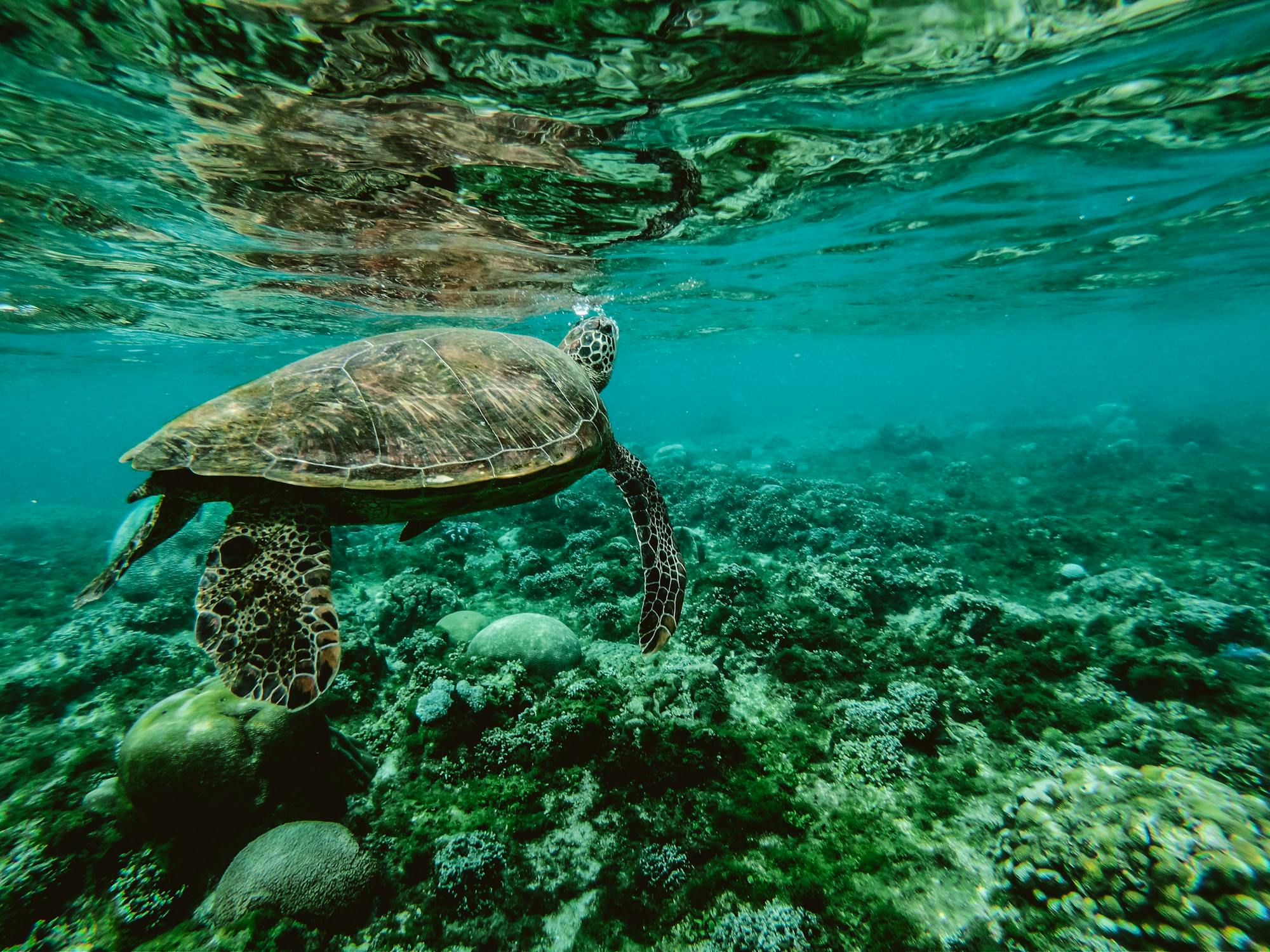 Photo credit on Pexels
Supporting Local Economies
Sustainable travel is not just about environmental impact. It is equally about ensuring that your tourism dollars reach the communities you visit rather than leaking to international corporations.
Stay in locally owned accommodation. A locally owned guesthouse or boutique hotel keeps more money in the community than an international chain. The staff are often the owners’ family and neighbors, and your accommodation spending directly supports local livelihoods.
Eat at local restaurants. Skip the international chains. The family-run trattoria, the street food vendor, the market stall owner — these are the people whose livelihoods depend on tourism. Their food is also almost always better.
Buy from local artisans. When purchasing souvenirs, buy directly from the maker whenever possible. Markets, artisan cooperatives, and studio visits put your money into the hands of the people who created the work.
Use local guides. Hiring a local guide for day trips and excursions provides income directly to a community member and gives you a deeper, more authentic experience than a multinational tour operator can provide.
Learn to recognize fair trade. Organizations like the World Fair Trade Organization certify businesses that provide fair wages, safe working conditions, and environmental responsibility. Seeking out fair trade shops and cooperatives ensures your purchases support ethical business practices.
Avoid over-touristed sites during peak hours. Tourism congestion damages both the environment and local quality of life. Visiting popular sites early in the morning, late in the afternoon, or during shoulder seasons reduces pressure on fragile ecosystems and crowded communities.
Carbon Offsetting: Useful but Imperfect
Carbon offset programs allow you to compensate for your travel emissions by funding projects that reduce carbon elsewhere: reforestation, renewable energy, methane capture, and clean cookstove programs. Offsets are better than nothing but imperfect for several reasons. Verification of actual carbon reduction varies widely. Some offset projects have been found to overstate their impact. And offsets can create a psychological “license” to fly more because you have “compensated” for the emissions.
If you choose to offset, use providers with rigorous verification: Gold Standard, Verra (VCS), and Plan Vivo are among the most credible certification bodies. Atmosfair and MyClimate are well-regarded offset providers. But treat offsets as a complement to reduction, not a substitute for it.
What to Know Before You Go
Sustainable travel is not about perfection. It is about making better choices consistently. You will sometimes need to fly. You will sometimes stay in hotels that are not eco-certified. You will sometimes eat food that traveled thousands of miles. That is fine. The goal is not zero impact; it is reduced impact combined with genuine engagement with the places you visit.
The most sustainable thing you can do as a traveler is also the most enriching: slow down, stay longer, go deeper, spend your money with local businesses. Our guide to cultural immersion for solo women is a perfect companion to sustainable travel, and treat every destination as a community you are visiting rather than a product you are consuming. Women are already leading this shift. Keep going. For more mindful travel, explore our guide to wellness retreats for solo women.
Related Reading
Get the best HerTripGuide tips in your inbox
Weekly guides, deals, and insider tips. No spam, unsubscribe anytime.