Kazakhstan Solo Female Travel: Complete 2026 Guide
Your essential guide to solo female travel in Kazakhstan — Almaty, Astana, safety tips, visa-free entry, Silk Road adventures, and practical advice for 2026.
This post may contain affiliate links. Disclosure
Kazakhstan doesn’t typically appear on “best solo female travel” lists, and that’s exactly why it should be on yours. The world’s ninth-largest country is a destination of staggering contrasts — futuristic cities rise from the steppe, snow-capped mountains tower above alpine meadows, and ancient Silk Road history weaves through modern Central Asian culture. For more on this, see our guide to solo female Southeast Asia route. And for women traveling alone, it offers something increasingly rare: genuine novelty without excessive risk.
Solo female travelers consistently report feeling safe and welcomed in Kazakhstan. Cat-calling is uncommon, locals tend to be helpful without being intrusive, and the country’s crime rates have been steadily declining — dropping 11% in recent years. This guide covers everything you need to navigate Kazakhstan confidently as a solo woman in 2026.
Visa-Free Entry for 2026
Great news for most Western travelers: citizens of the US, UK, EU, Canada, Australia, and many other countries can enter Kazakhstan visa-free for up to 30 days. You can stay a cumulative maximum of 90 days within any six-month period.
For longer stays, an e-visa is available for those entering through the international airports of Almaty or Astana. The application process is straightforward and typically takes 5-7 business days.
Ensure your passport is valid for at least six months beyond your planned entry date. You’ll also need to register with local authorities if staying longer than 30 days, though hotels handle this automatically for their guests.
For the latest entry requirements, check Kazakhstan’s official visa information.
Safety for Solo Female Travelers
Kazakhstan is genuinely safe for women traveling alone. The cultural dynamic works in your favor — Kazakh men don’t tend to approach foreign women aggressively, and harassment on the street is rare. Many solo female travelers report never experiencing cat-calling during extended trips through the country.
That said, exercise standard urban precautions:
- Almaty is safe during the day, but avoid walking alone in parks or poorly lit areas after dark
- Use registered taxis or ride-hailing apps (Yandex Go is the local standard) rather than flagging random cars
- Alcohol-related incidents are the most common safety concern — be cautious in bars and clubs, especially late at night
- Earthquake preparedness: The Almaty region has a Level 4 earthquake risk. Know your hotel’s evacuation procedures and keep shoes near your bed
The U.S. State Department rates Kazakhstan at Level 1 (Exercise Normal Precautions) — the lowest risk category.
For general safety strategies, our guide on solo female travel safety apps covers essential digital tools that work well in Kazakhstan.
Almaty: The Cultural Heart
Almaty is no longer the capital (that’s Astana), but it remains Kazakhstan’s largest and most vibrant city. Set against the dramatic backdrop of the Tian Shan mountains, Almaty combines Soviet-era architecture with modern restaurants, craft coffee shops, and a thriving arts scene.
Must-Visit Almaty Experiences
Green Bazaar (Zelyony Bazaar): This sprawling covered market is sensory overload in the best way — mountains of dried fruits, nuts, spices, fermented mare’s milk (kumiss), and freshly baked bread. It’s an excellent introduction to Kazakh food culture. Arrive early morning for the best atmosphere.
Kok-Tobe Hill: Take the cable car up for panoramic views of Almaty with the mountains behind. The hilltop park has restaurants, a small zoo, and the famous Almaty sign. Go at sunset for incredible photos.
Central State Museum: A comprehensive introduction to Kazakhstan’s history, from nomadic tribes to the Space Race (the Baikonur Cosmodrome is in Kazakhstan). The exhibitions on traditional yurt life and Kazakh textiles are fascinating.
Panfilov Park and Zenkov Cathedral: One of the world’s tallest wooden buildings, this candy-colored Russian Orthodox cathedral was built without a single nail. The surrounding park is a peaceful retreat from the city.
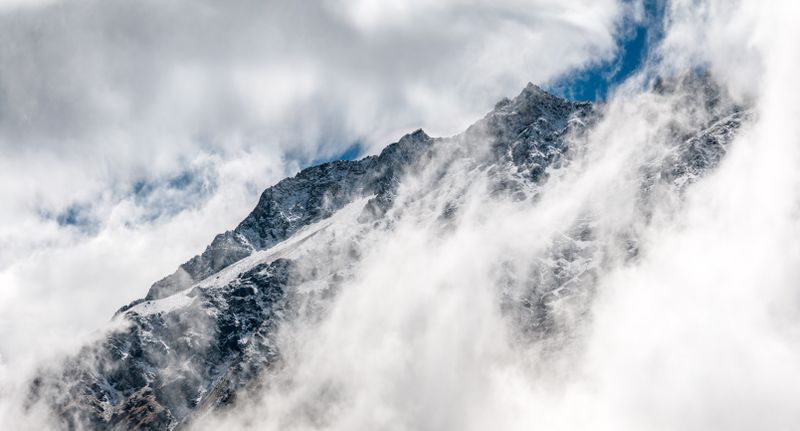
Medeu and Shymbulak: Just 30 minutes from the city center, the Medeu ice skating rink (the world’s highest at 1,691 meters) and Shymbulak ski resort offer year-round mountain activities. In summer, the cable cars take you to alpine hiking trails with jaw-dropping views.
Where to Stay in Almaty
The city center around Abay Avenue and Al-Farabi Avenue offers the best concentration of hotels, restaurants, and attractions. Budget hostels start around $10-15/night, with mid-range hotels around $40-70. For solo women, hostels like the Almaty Backpackers Hostel have good reputations for safety and social atmosphere.
Eating in Almaty
Kazakh cuisine is hearty and meat-heavy, reflecting its nomadic heritage. Must-try dishes:
- Beshbarmak — boiled meat (usually horse or lamb) with flat noodles, the national dish
- Lagman — a spiced noodle soup with roots in Uyghur cuisine
- Manti — large steamed dumplings filled with meat and onions
- Baursak — fried bread balls served at every celebration
- Kumiss — fermented mare’s milk, an acquired taste but culturally essential
Vegetarian options are limited in traditional restaurants, but Almaty’s growing café scene includes plenty of plant-based options in the city center.
Astana: The Futuristic Capital
If Almaty feels like a traditional city with modern touches, Astana (renamed from Nur-Sultan back to Astana in 2022) feels like a science fiction film set. The purpose-built capital showcases some of the world’s most ambitious contemporary architecture.
Highlights
Bayterek Tower: The city’s iconic symbol — a 97-meter tower representing a mythical tree of life. The observation deck offers 360-degree views of the steppe capital.
Khan Shatyr: A massive translucent tent structure that houses shopping, entertainment, and even an indoor beach with sand imported from the Maldives.
Palace of Peace and Reconciliation: A Norman Foster-designed glass pyramid hosting interfaith dialogue. The stained-glass ceiling by artist Brian Clarke is stunning.
EXPO grounds: The former Expo 2017 site is now a cultural and entertainment district with museums and event spaces, including the Museum of Future Energy housed in a massive glass sphere.
Astana can feel sterile compared to Almaty — it’s a government city at heart — but spending 2-3 days here provides fascinating contrast and some extraordinary architectural photography opportunities.
Beyond the Cities: Adventure Kazakhstan
The real magic of Kazakhstan lies outside its cities. The country’s vast landscapes are genuinely some of the most dramatic and least-visited on earth.
Charyn Canyon
Often compared to a mini Grand Canyon, this 80-kilometer gorge in the Charyn River valley is about 3 hours from Almaty. The “Valley of Castles” section features otherworldly rock formations in shades of red and orange. Day trips from Almaty are readily available, or you can camp overnight in designated areas near the canyon.
Big Almaty Lake
This turquoise alpine lake sits at 2,511 meters in the Tian Shan mountains, just 15 kilometers from Almaty’s city limits. The color shifts from deep blue to vivid turquoise depending on the season and light. It’s a popular day hike or taxi ride from the city.
Kolsai Lakes
A chain of three alpine lakes connected by hiking trails through spruce forests. The area is sometimes called the “Pearls of the Tian Shan.” Getting here requires more effort (5-6 hours from Almaty), but guesthouses in the nearby village of Saty offer affordable accommodation and arranged hikes.
Turkestan
For Silk Road history, the city of Turkestan in the south houses the Mausoleum of Khoja Ahmed Yasawi, a UNESCO World Heritage Site and one of Central Asia’s most significant architectural monuments. The high-speed train from Almaty makes this accessible as a day trip.

Getting Around Kazakhstan
Kazakhstan is enormous — roughly the size of Western Europe — so transport planning matters.
Domestic flights: The most practical option for long distances. Air Astana and FlyArystan (its budget subsidiary) connect major cities reliably. Almaty to Astana is about 1.5 hours by air.
Trains: Kazakhstan’s rail network is extensive, and the Talgo high-speed trains between Almaty and Astana are modern and comfortable (though the journey still takes about 12 hours). Overnight trains with sleeper cabins are a classic Central Asian experience — book a two-berth compartment for privacy as a solo woman.
Buses and marshrutkas: Budget-friendly but slow and sometimes uncomfortable. Useful for shorter routes between nearby cities and towns.
Ride-hailing: Yandex Go works throughout Almaty and Astana. In smaller cities, negotiate taxi fares in advance. Having your destination written in Cyrillic helps enormously.
Car rental: Available but challenging due to road conditions outside major highways. Kazakhstan’s rural roads can be unpaved, poorly signed, and seriously potholed. If you want to explore remote areas, hiring a driver is safer and often surprisingly affordable.
Cultural Tips and Etiquette
Kazakh culture blends nomadic traditions with Soviet-era influences and modern Central Asian identity. Some tips for respectful travel:
- Hospitality is sacred. If invited into a Kazakh home, accept — this is a significant gesture of welcome. Bring a small gift (fruit, sweets, or something from your home country)
- Remove your shoes when entering homes and some guesthouses
- Bread is respected. Never put bread upside down on the table or throw it away in front of your hosts
- Photography: Ask before photographing people, especially in rural areas and markets
- Dress code: Kazakhstan is predominantly Muslim but socially moderate. In cities, Western clothing is standard. In rural areas and when visiting mosques, dress more conservatively (cover shoulders and knees)
- Learn basic Russian. Outside tourist areas, English is limited. Russian is the common language across Kazakhstan. A few phrases make a huge difference — “spasibo” (thank you) and “skolko stoit?” (how much?) will get you far
Budget Breakdown
Kazakhstan is moderately priced — cheaper than Western Europe but pricier than Southeast Asia.
Budget ($30-50/day): Hostel dorms, local restaurants, public transport, and self-guided sightseeing.
Mid-range ($60-100/day): Private hotel rooms, a mix of local and international dining, taxis, and some organized tours.
Luxury ($150+/day): International hotels, fine dining, private guides, and domestic flights.
Almaty and Astana are more expensive than smaller cities and rural areas. If you’re on a budget, our budget solo travel guide has strategies that work well in Kazakhstan.
Best Time to Visit
Kazakhstan’s continental climate means extreme seasonal variation:
- Spring (April-May): Wildflowers carpet the steppe, temperatures warm up, and it’s great for hiking as snow melts from lower elevations
- Summer (June-August): Warm to hot (35°C+ in some areas), perfect for mountain activities and outdoor adventures. Peak tourist season
- Autumn (September-October): Golden colors, mild temperatures, fewer tourists. Perhaps the ideal time for photography
- Winter (November-March): Brutally cold (-20°C or lower), but if you’re up for it, the skiing at Shymbulak is excellent and the frozen landscapes are hauntingly beautiful
Connectivity and Communication
SIM cards: Purchase a local SIM at the airport from Kcell, Beeline, or Tele2. Data is cheap (around $5-10 for several GB). Mobile coverage is solid in cities but patchy in remote areas.
eSIM: If your phone supports it, an eSIM is the easiest option. Check out our guide to the best travel eSIM cards for recommendations that work in Kazakhstan.
Internet: Wi-Fi is standard in hotels, hostels, and most cafés in Almaty and Astana. Don’t rely on it in rural areas.
Language apps: Download offline Russian and Kazakh language packs on Google Translate before you arrive. This will be your most-used app outside of major cities.
Combining Kazakhstan with Neighboring Countries
Kazakhstan pairs beautifully with other Central Asian destinations for an extended Silk Road journey:
- Uzbekistan: The classic combination. Fly from Almaty to Tashkent, then train through Samarkand and Bukhara
- Kyrgyzstan: Cross overland from Almaty to Bishkek (4-5 hours), then explore Issyk-Kul Lake and the Kyrgyz highlands
- Georgia: Not geographically adjacent but well-connected by direct flights. Many travelers combine the Caucasus with Central Asia
For more Central Asian inspiration, our first solo international trip guide includes tips for navigating unfamiliar regions with confidence.
Final Thoughts
Kazakhstan is one of those destinations that consistently surprises. Travelers arrive expecting barren steppe and leave with memories of alpine lakes, architectural wonders, enormous hospitality, and some of the most photogenic landscapes in Asia. For solo women, it offers genuine safety, fascinating culture, and the thrill of exploring somewhere genuinely off the typical tourist circuit.
The country is rapidly developing its tourism infrastructure, which means now is an ideal time to visit — modern enough to be comfortable, but still raw and authentic enough to feel like a true adventure. Don’t wait for it to appear on every “trending destinations” list. Go now.
Get the best HerTripGuide tips in your inbox
Weekly guides, deals, and insider tips. No spam, unsubscribe anytime.