Montenegro Solo Female Travel: Hidden Gem Guide
Solo female travel in Montenegro 2026: safety, top destinations, Kotor Bay, Durmitor, costs, and practical tips for visiting the Balkans' best-kept secret.
This post may contain affiliate links. Disclosure
Updated for 2026
I almost skipped Montenegro. I had two weeks in the Balkans and every travel blog pointed me toward Croatia’s Dalmatian coast. But a hostel receptionist in Sarajevo said, “Go to Kotor first. Just trust me.” Seventeen hours later I was standing on a medieval city wall watching the sun sink over a fjord so impossibly beautiful it looked computer-generated. Montenegro had been hiding in plain sight, sandwiched between Croatia, Albania, Serbia, and Bosnia, receiving a fraction of the tourists — and delivering an experience that surpassed all of them.
In 2026, Montenegro ranks 16th globally on the solo female travel safety index, with an overall safety rating of 4.7 out of 5. It consistently scores higher than both the United States and France on global peace indices. For solo women seeking a destination that combines natural spectacle, rich history, affordability, and genuine safety, Montenegro in 2026 is the answer you’ve been looking for.
Is Montenegro Safe for Solo Female Travelers?
Yes — and the safety data backs this up. Montenegro is one of the safer countries for solo female travelers in Europe. Here’s the honest picture:
What’s great:
- Violent crime against tourists is extremely rare
- Women can walk freely during the day in all main towns and tourist areas
- Locals are generally respectful; catcalling is uncommon compared to other Mediterranean destinations
- Tourist police are present in key areas during high season
- Strong government focus on tourism safety
What to be aware of:
- Petty crime (pickpocketing) increases in crowded areas during peak season (June-September)
- Some rural roads are poorly lit at night — take taxis rather than walking in unfamiliar areas after dark
- In August, monitor air quality using apps like IQAir during heat waves
- Use registered taxis or Bolt app (Montenegro’s main ride-share) rather than flagging down unmarked vehicles
For broader Balkan safety context, our budget backpacking Europe guide covers the entire region’s safety landscape.
When to Visit Montenegro
| Season | Pros | Cons | Crowds |
|---|---|---|---|
| April-May | Mild weather, green landscapes, low prices | Some attractions limited hours | Low |
| June-July | Warm, all attractions open | Getting crowded on coast | Medium-High |
| August | Peak beach season | Very crowded, expensive | Very High |
| September | Best weather, fewer crowds | Some mountain roads closing | Medium |
| October-November | Quiet, great hiking, low cost | Shorter days, some closures | Low |
The sweet spot for solo female travelers is late May through June or September. The weather is warm enough for swimming, the coastal towns are lively without being overwhelmed, and accommodation prices are 20-40% lower than August peaks.
Top Destinations in Montenegro
Kotor — The Medieval Marvel
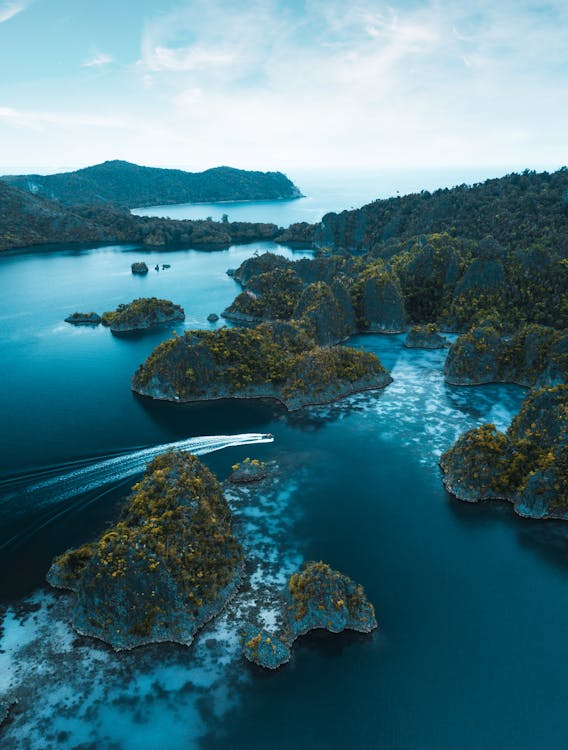
Kotor is Montenegro’s crown jewel and for good reason. The walled Old City sits at the edge of Kotor Bay — technically a fjord, not a bay — surrounded by dramatic limestone mountains. It’s a UNESCO World Heritage Site and one of the best-preserved medieval cities in Europe.
What to do in Kotor:
- Walk the city walls (Kotor Fortifications) — 4.5km of medieval ramparts with panoramic views of the bay. The climb takes 1-2 hours; go at sunrise to avoid heat and crowds
- Explore the Old Town’s maze of narrow streets, churches, and squares
- Take a boat trip on Kotor Bay to the island church of Our Lady of the Rocks near Perast
- Visit the Maritime Museum to understand Montenegro’s seafaring heritage
- Hike to the Vrmac Ridge for views over the entire bay
Solo female safety in Kotor: The Old Town is extremely safe and walkable at all hours. It’s a compact, tourist-friendly environment with restaurants, cafes, and other travelers everywhere. Avoid the poorly lit streets just outside the city walls late at night.
Accommodation: Budget options in the Old Town start around €30-50/night for private rooms in guesthouses. The Old Town itself is the best location for solo travelers — close to everything, social atmosphere.
Budva — Beach Town with Energy
Budva is Montenegro’s most popular beach resort and the nightlife hub of the Adriatic coast. It has a smaller walled Old Town (Stari Grad) rivaling Kotor’s beauty, surrounded by beaches and a lively waterfront.
For solo female travelers in Budva:
- The Old Town and main beach promenade are safe and well-lit
- Nightlife areas on the Budva Riviera can feel overwhelming in peak season — go with other travelers from your hostel or accommodation
- Bečići Beach is calmer and more family-friendly than the main Budva beaches
- The view from the Old Town walls at sunset rivals anywhere in Europe
Accommodation: Budva is pricier than Kotor in high season. Look for guesthouses in the hills above town for better value — they often have bay views.
Durmitor National Park — Adventure Heartland
If Montenegro’s coast is stunning, Durmitor in the north is otherworldly. The national park encompasses 48 glacial lakes, ancient forests, dramatic canyons, and the country’s highest peaks. It’s one of the best adventure travel destinations in Europe.
For solo female adventurers:
- Rafting the Tara Canyon: The Tara River Canyon is Europe’s deepest gorge — rafting it is one of the most spectacular experiences on the continent. Go with a reputable operator based in Žabljak; half-day and full-day trips are available.
- Black Lake (Crno jezero): A peaceful 3.5km walk around a glacial lake — ideal for solo hikers
- Bobotov Kuk: Montenegro’s highest peak at 2,523m — experienced hikers with proper gear can summit independently, but check trail conditions and go early
- Žabljak town: The base for Durmitor — small, friendly, and safe. Guesthouses start around €25-40/night
Safety tip: Mountain weather in Durmitor changes quickly. Always carry layers, inform your accommodation of your hiking plans, and stick to marked trails.
Sveti Stefan — The Instagram Icon
Sveti Stefan — a tiny island connected to the mainland by a narrow causeway — is one of the most photographed places in the Balkans. The island itself is now a private Aman Resorts property (€500+/night), but the viewpoint from the hillside above is free and absolutely worth the short drive or taxi from Budva.
Ulcinj — Where the Balkans Meet the Mediterranean
Ulcinj in Montenegro’s far south has a distinctly different character — its architecture, cuisine, and culture reflect centuries of Ottoman and Albanian influence. The town has one of the Adriatic’s longest natural beaches (Velika Plaža, 12km) and a fascinating old city perched on a cliff above the sea.
Ulcinj is less visited by Western tourists and feels more local. Solo female travelers find it safe and the locals unusually welcoming, though English is less widespread here than in Kotor or Budva.
Getting Around Montenegro Solo
Montenegro is small enough to be very manageable for solo travelers, but public transport is limited:
Options:
| Transport | Cost | Pros | Cons |
|---|---|---|---|
| Buses | €5-15 per route | Affordable, main cities covered | Infrequent schedule |
| Rent a car | €30-70/day | Total freedom | Mountain roads can be challenging |
| Bolt/taxi | €10-30 per trip | Safe, reliable in cities | Less available in rural areas |
| Organized day trips | €30-60 | No navigation stress, social | Less flexible |
For solo women, a rental car gives the most freedom but the mountain roads require confident driving. For a first visit, a combination of buses between major coastal towns plus organized day trips into the national parks is the lowest-stress approach.
Budget Breakdown for Montenegro
Montenegro is significantly more affordable than its Croatian neighbors, especially outside peak season.
| Expense | Budget | Mid-Range |
|---|---|---|
| Accommodation | €20-40/night | €50-100/night |
| Meals | €10-20/day | €25-45/day |
| Transport | €5-15/day | €20-40/day |
| Activities | €10-20/day | €30-60/day |
| Daily total | €45-95/day | €125-245/day |
A week in Montenegro, visiting Kotor, Budva, and Durmitor, will cost approximately €350-650 budget or €875-1,700 mid-range, excluding international flights.

Practical Travel Information
Visa: Montenegro is not an EU member. EU, US, UK, Canadian, and Australian passport holders receive a 90-day visa-free stay. Check requirements for your specific nationality at the Montenegro Ministry of Foreign Affairs.
Currency: Euro (€) — Montenegro adopted the Euro despite not being an EU member. Card payments are accepted in tourist areas; carry cash for rural areas and local markets.
Language: Montenegrin (closely related to Serbian, Croatian, Bosnian). English is widely spoken in tourist areas; Russian is also common given historic connections.
Internet: Good 4G coverage in coastal towns and Žabljak; patchy in remote mountain areas. Get a local SIM at Podgorica airport (Telenor and m:tel are the main carriers).
Health: European Health Insurance Card (EHIC) covers EU citizens. For others, ensure your travel insurance covers Montenegro including any adventure activities.
Emergency numbers:
- Police: 122
- Ambulance: 124
- Tourism Police (coastal areas): Available at tourist information centers
Solo Female Accommodation Strategy
For solo female travelers, this accommodation order works well:
- Kotor Old Town: Start here — the compact, tourist-heavy environment is perfect for orientation and building confidence
- Budva or Bečići: Move to the coast for beaches and a more social scene
- Žabljak: Base for Durmitor — small, safe mountain town with good guesthouse community
- Ulcinj: If time permits — a different cultural experience worth the journey south
Hostel culture is less developed in Montenegro than in major backpacker hubs, but guesthouses are family-run, affordable, and often provide a genuine local experience that hostels can’t match. Use Booking.com — it has the widest Montenegro inventory with genuine reviews.
Meeting Other Travelers
Montenegro is on the radar for independent travelers but not yet overrun with tour groups. To meet other solo travelers:
- Stay in Old Town Kotor — the concentration of travelers makes socializing easy
- Join organized rafting or hiking trips in Durmitor — shared adventure is the best social glue
- Check Facebook groups like “Montenegro Travel” and “Solo Female Travel Balkans” before your trip
- The waterfront promenades in Kotor and Budva are natural gathering points each evening
Our guide on meeting people while solo traveling has more strategies for building connections on the road.
Conclusion
Montenegro rewards the traveler willing to look just past the obvious. While thousands queue for Croatia’s Dubrovnik or the Greek islands, Montenegro’s Kotor Bay sits just as beautiful, its canyons just as dramatic, its food just as good — with half the crowds and a fraction of the cost. In 2026, it remains one of Europe’s genuinely underrated destinations, and for solo female travelers looking for that perfect combination of safety, beauty, adventure, and authenticity, the answer is increasingly clear: go to Montenegro first.
Related Reading
Get the best HerTripGuide tips in your inbox
Weekly guides, deals, and insider tips. No spam, unsubscribe anytime.