Renting a Car in Croatia: Solo Female Traveler Guide 2026
Empowering solo women to rent a car in Croatia with confidence. Learn requirements, costs, insurance, road tips, packing ideas and safety hacks for 2026.

This post may contain affiliate links. Disclosure
Traveling alone as a woman can feel like stepping into a story where you write every chapter. Croatia’s sparkling coastline, historic towns, and winding inland roads beg to be explored at your own pace, and a rental car is the most flexible key to unlock them. This guide walks you through everything you need to know—paperwork, price ranges, insurance, road quirks, safety-savvy habits, and even the tiny accessories that keep your jewelry safe while you chase sunsets. By the end, you’ll feel ready to hit the Adriatic highways with confidence, comfort, and a dash of sisterly encouragement.
What do you need to rent a car in Croatia as a solo woman? Bring your home-country license — plus an International Driving Permit if it is not in Latin script — a passport, and a credit card in your own name for the deposit. Rentals cluster into economy/compact city cars, midsize sedans and crossovers, and larger vehicles for longer coastal trips.
Legal Requirements & Documentation

Renting a car in Croatia follows the same broad pattern you’ll find across most of Europe, but a few documents keep the process smooth:
- Valid driver’s license - Your home-country license is generally accepted for a standard tourist stay. If it isn’t printed in Latin script, it’s worth carrying an International Driving Permit (IDP) alongside it so there’s never a question at the counter.
- Passport - Required for identity verification and to match the credit card holder’s name.
- Credit card - Most agencies place a hold on a credit card in the driver’s name to cover the security deposit and any potential excess. Debit cards are accepted by some agencies, but a credit line generally gives you more flexibility and a wider choice of vehicles.
- Minimum driver age - Agencies set their own age floor, and renters on the younger end of the eligible range should expect a possible young-driver surcharge. Always confirm the exact age policy with your chosen agency before you book, since it varies company to company.
- Proof of insurance - If you already have a personal travel insurance policy that covers rental cars, bring the certificate; otherwise you’ll arrange coverage at the desk.
Double-check any agency’s specific policy before you book, especially if you plan to pick up the car at a smaller city office rather than a major airport hub—smaller desks can have slightly different documentation expectations, and it saves a headache to confirm in advance rather than at the counter with your bags already in hand.
Understanding Rental Costs & Price Bands
Croatia’s rental market clusters into three familiar price bands:
- Economy / Compact - Small hatchbacks and city cars that zip through narrow stone streets. Ideal for solo travelers who prioritize fuel efficiency and easy parking.
- Midsize / Standard - Sedans and crossovers that balance comfort with cargo space, perfect for day trips to places like Plitvice Lakes or the Dalmatian coast.
- SUV / Larger Vehicles - Higher clearance and more luggage room, useful when tackling mountain passes or traveling with bulky gear.
Rates fluctuate with season. Summer (June-August) sees the highest daily fees, while shoulder months (May, September) often bring modest discounts. To compare real-time offers, I recommend checking DiscoverCars. Their platform aggregates local and international agencies, letting you filter by vehicle class, transmission type, and pickup location—so you can spot the best value without endless tab-hopping.
Remember that the headline price usually excludes a few line items worth budgeting for:
- Fuel policy - “Full-to-full” is the most common and cheapest if you return the tank full.
- Additional driver fees - Adding a second driver (perhaps a local friend) typically adds a modest daily charge on top of the base rate.
- Optional extras - GPS, child seats, or roof racks are billed separately and can quickly inflate the bill.
By staying aware of these hidden costs, you keep your budget in check while still enjoying the freedom of the open road. A quick side-by-side comparison of two or three quotes before you commit is usually enough to spot which agency is padding the total with extras you don’t actually need.
Insurance Basics for Solo Female Drivers

Insurance can feel like a maze, but the core options are simple:
- Collision Damage Waiver (CDW) - Reduces your financial responsibility if the car is damaged. Most agencies include a basic CDW; you can purchase “zero-excess” coverage to eliminate any out-of-pocket deductible.
- Theft Protection - Covers loss if the vehicle is stolen. Again, a basic level is standard, but a supplemental policy removes the excess.
- Third-Party Liability - Mandatory by law; protects you against damage to other vehicles or property, with minimum coverage set at the EU standard. You may still opt for higher limits for extra peace of mind.
- Personal Accident Insurance - Covers medical expenses for you and passengers. If you already have travel health insurance, this may be redundant.
Because you’re traveling solo, a “zero-excess” CDW is worth the modest extra cost; it removes the anxiety of negotiating with a local garage after an incident. Winding mountain roads like the ones circling Klis Fortress near Split look spectacular from the driver’s seat, but tight switchbacks and loose gravel shoulders are exactly where a stray scrape happens—another good reason not to skimp on coverage. Always read the fine print: some exclusions apply for off-road driving, reckless behavior, or driving under the influence.
If you have a credit card that offers rental-car insurance, verify that it includes the same coverage levels and that Croatia is covered. Some cards exclude European rentals, so a quick call to your issuer can save a surprise later.
Road Realities in Croatia
Croatia’s roads are a mix of modern highways and charming, narrow passages:
- Highways (autoceste) - The A1 runs north-south, linking Zagreb to Split and Dubrovnik via a toll section. Toll booths accept euros and credit cards; keep a little cash handy for smaller rural tolls just in case.
- Signage - Road signs follow EU conventions: blue for motorways, green for primary roads, and white for local routes. Posted limits step down as you move from open highway to secondary road to town center, so keep an eye on the signage rather than assuming a constant speed.
- Parking - In historic city centers, look for blue-marked “parking zones” where you pay at a nearby meter. White zones are free for a limited time. Avoid parking on sidewalks or in front of fire hydrants—fines are common and can be issued on the spot.
- Mountain Passes - The Velebit range and inland routes feature steep grades and occasional hairpin turns. A compact SUV or a car with good brakes makes these sections less stressful.
- Fuel Stations - Widely available along highways, but rural stretches can have real gaps between stations. Fill up whenever you see one rather than waiting until the tank runs low; pumps accept cash and cards.
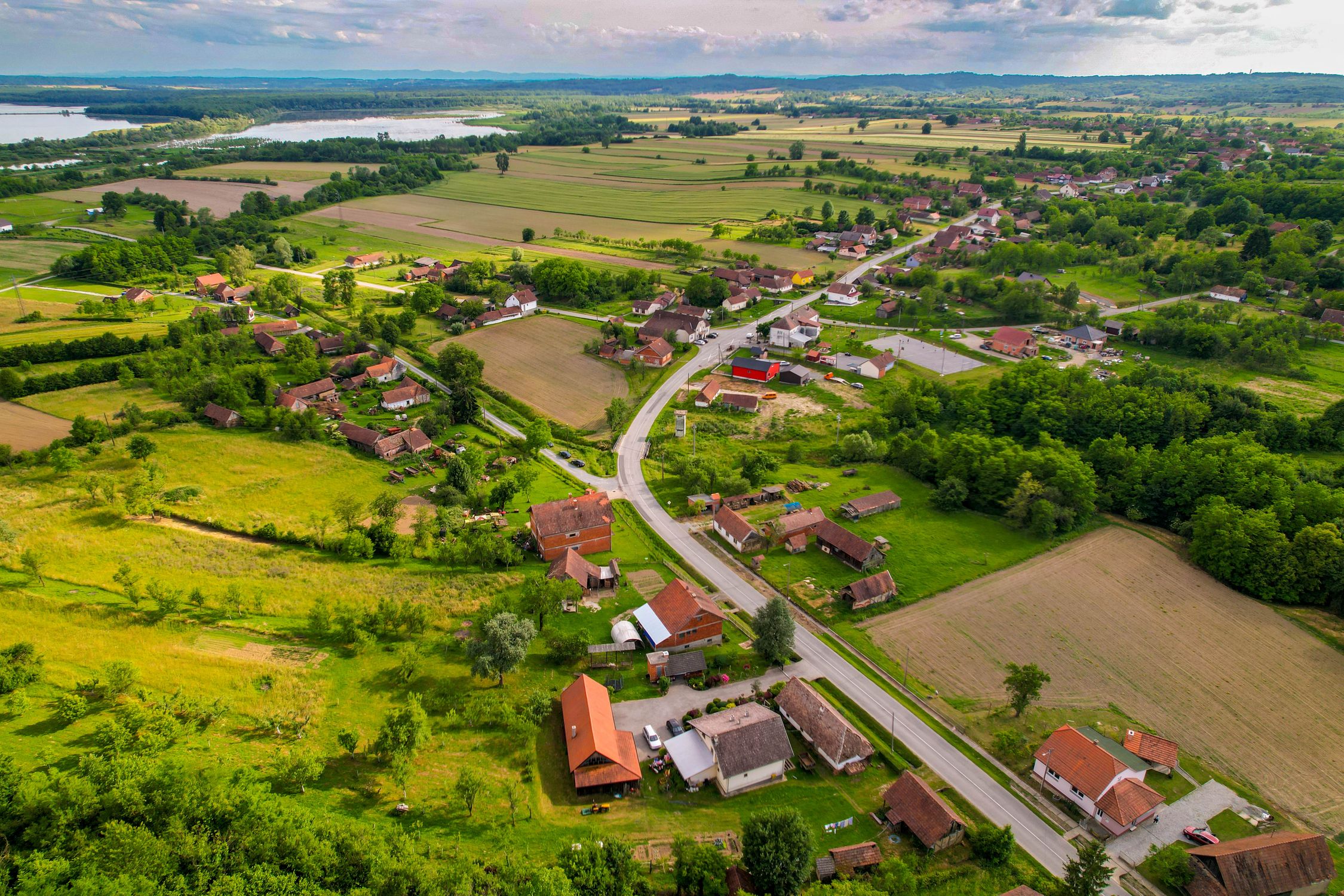
Driving etiquette is relaxed but courteous: yielding to oncoming traffic on narrow streets, using your horn sparingly, and respecting local pedestrians who often cross without looking. Knowing these nuances helps you blend in and reduces the chance of misunderstandings. Villages like Kaniška Iva are a good reminder of how quickly the scenery shifts from coastal highway to quiet rural road—slow down and enjoy the change of pace rather than treating every stretch like a motorway.
Practical Tips for Safe & Confident Driving
- Pick up the car during daylight - Inspect the vehicle in natural light, take photos of any existing scratches, and confirm the fuel level before you drive away. This documentation protects you from later disputes.
- Keep a copy of the rental agreement - Store a digital PDF on your phone and a printed copy in the glove compartment. If you need roadside assistance, the agreement number speeds up the process.
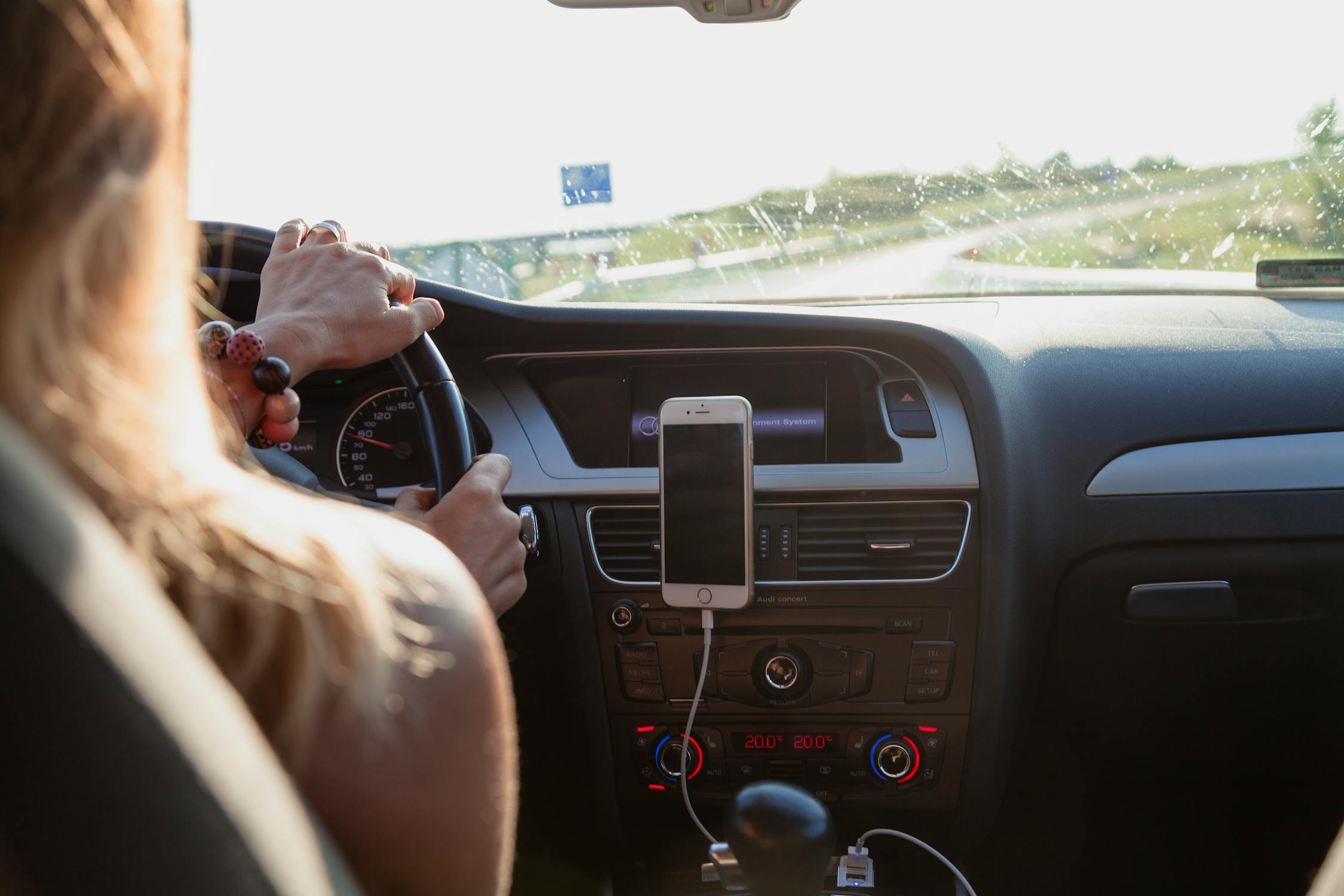
- Use a phone mount - A hands-free GPS setup lets you follow directions without taking your eyes off the road. Many rental agencies sell mounts for a small fee; you can also bring your own and skip the markup entirely.
- Stay visible at night - Croatian rural roads can be poorly lit. Turn on your low beams in fog or heavy rain, and avoid high beams that may blind oncoming drivers.
- Trust your instincts - If a parking lot feels unsafe, move to a better-lit area or a designated garage. Solo travelers often feel more secure in well-traveled tourist zones.
- Emergency kit - Carry a basic kit: reflective vest, spare tire (or roadside assistance contact), water, and a small first-aid pouch. It’s a tiny weight addition but huge for peace of mind.
- Local etiquette - When stopping at a café or market, park a short distance away and walk in; this avoids blocking traffic and shows respect for local customs.
These habits cost almost nothing but add layers of safety and confidence, letting you focus on the scenery rather than the logistics. A phone mount in particular is one of the cheapest upgrades you can make to a solo road trip—glancing at a propped-up screen is far safer than juggling directions in your lap at a roundabout.
What to Pack for Your Car-Rental Adventure
Traveling light doesn’t mean leaving your favorite accessories behind. A tidy jewelry organizer protects delicate pieces while you hop from Dubrovnik’s walls to Zagreb’s cafés.
- BAGSMART Travel Jewelry Organizer Roll Foldable Jewelry Case - Quilted cotton exterior with five compartments; fits neatly in any carry-on and even has a hang-up loop for bathroom hooks.
- Vlando Small Travel Jewelry Box Organizer Display Case - Compact faux-leather box with a removable crossing board; perfect for a minimalist set of earrings and rings.
- Teamoy Double Layer Jewelry Organizer Travel Case - Double-layer design with detachable earring holders; great if you carry a medium collection and want everything visible at a glance.
Beyond jewelry, pack a reusable water bottle, a lightweight rain jacket, and a portable charger. Croatia’s climate can shift from Mediterranean sun to mountain drizzle in a single day, so layering is key. A cross-body bag with a zippered compartment is also worth the space in your suitcase—useful the moment you step out of the car into any busy old town square.
If your route includes any of the coastal switchback roads, motion-sickness bands or a small stash of ginger candy are worth throwing in the glovebox too—Croatia’s scenic drives are gorgeous, but they’re rarely straight. And because a rental car means your bags aren’t always within arm’s reach of you personally, it’s worth keeping anything irreplaceable (passport, cards, the good jewelry) in a bag you carry with you rather than left visible on a seat, even for a five-minute stop.
FAQ - Common Mistakes Solo Women Make When Renting a Car
Q: “Can I drive a manual transmission car?” A: Yes, but many agencies charge an extra fee for manual vehicles and may limit the selection. If you’re comfortable with a stick shift, ask specifically for “manual” when you book; otherwise, an automatic is the safer bet.
Q: “Do I need to buy extra insurance at the desk?” A: Not always. Check your credit-card benefits and existing travel insurance first. Buying “zero-excess” coverage on the spot can be convenient, but it may duplicate coverage you already have.
Q: “Is it okay to leave the rental car parked on the street overnight?” A: In most tourist towns, street parking is allowed but limited to certain hours. Look for signage indicating time limits; exceeding them can result in fines or towing. When in doubt, use a public garage.
Q: “What if I get a flat tire in a remote area?” A: Most rentals include roadside assistance. Keep the hotline number in your phone and the rental agreement handy. If you’re far from a service station, the provider will arrange a tow or replacement vehicle.
Q: “Can I cross the border into Bosnia or Montenegro with the same rental?” A: Only if the rental agreement explicitly permits cross-border travel. Many agencies require a supplemental fee and a written permission slip. Violating this clause can lead to hefty penalties, so confirm this in writing before you leave the lot if a border crossing is even a possibility for your trip.
By anticipating these pitfalls, you’ll avoid the stress that can turn an otherwise magical trip into a logistical headache.
Related Reading
Get price-drop alerts and new guides from HerTripGuide
One email a week: price drops on the gear we recommend, new guides, and what changed. No spam, unsubscribe anytime.