Renting a Car in Greece: Solo Female Traveler Guide 2026
Empowering solo women to rent a car in Greece with safety-focused tips, insurance basics, road realities, and packing essentials for a confident 2026 trip.

This post may contain affiliate links. Disclosure
Traveling alone in Greece can feel like stepping into a living postcard - sun-kissed islands, ancient stone towns, and winding mountain roads that beg to be explored at your own pace. As an older-sister voice, I want you to feel both thrilled and secure when you pick up the keys to your own four-wheel companion. Renting a car gives you the freedom to chase sunrise over the Aegean, wander off the beaten path to hidden villages, and set your own schedule without relying on crowded buses or pricey tours. Below is a step-by-step guide that covers everything a solo female traveler needs to know in 2026: from paperwork and price ranges to insurance, road quirks, and the little gear that makes packing a breeze. Let’s turn that open-road dream into a safe, enjoyable reality.
What do you need to rent a car in Greece as a solo woman? Three documents get you the keys: a valid home-country license (with an International Driving Permit if it is not in the Latin alphabet), your passport, and a credit card in the primary driver’s name for the security hold. Choose economy hatchbacks for island towns and standard sedans for longer mainland drives.
Requirements: What You Need Before You Drive
Before you even step onto the tarmac, make sure you have the three essentials that every Greek rental desk will ask for:
- A valid driver’s license - Your home-country license is accepted, but if it’s not in the Latin alphabet, bring an International Driving Permit (IDP).
- A passport - This serves as your primary ID and is required for the rental contract.
- A credit card in the primary driver’s name - Most agencies place a hold for a security deposit; a debit card may be accepted but can limit your options.
If you’re under 25, some companies add a young-driver surcharge, so be prepared for a modest extra fee. It’s also wise to carry a printed copy of your reservation and insurance policy, even though most paperwork can be shown digitally. Double-check that the name on your booking matches your license and passport exactly; a small typo can turn a five-minute pickup into a much longer conversation at the desk.
Arriving with your paperwork already organized also gives you a moment to ask the agent questions before you’re rushed into the car. Use that window to confirm the fuel policy, ask whether a second driver can be added if a travel companion wants to share the wheel later in the trip, and get a direct phone number for roadside help rather than relying only on a printed brochure.

Cost & Vehicle Classes: Finding the Right Ride for Your Budget
Greek car-rental prices shift with season, location, and vehicle type. While exact numbers fluctuate, the general pattern holds:
- Economy (compact hatchbacks) - The most budget-friendly option, ideal for city strolling and short coastal drives.
- Standard (sedans) - A step up in comfort and trunk space, perfect for day trips that include a few friends or extra luggage.
- SUV / Crossover - Handles the steep, winding mountain passes of the mainland and offers higher ground clearance for unpaved roads.
- Convertible / Sports - For the occasional thrill along the Peloponnese coastline, though fuel consumption is higher.
To compare real-time rates, head to DiscoverCars. Their platform aggregates offers from both local and international agencies, letting you filter by car class, pickup location, and insurance coverage. Booking early, especially for the busy summer months, usually secures the best price and ensures availability in smaller towns where the fleet may be limited.
If your trip spans both the mainland and an island, think through your route before you commit to a class. A compact car that’s perfect for Athens traffic can feel underpowered on a steep switchback climb to a hillside village, while a larger SUV may be more car than you need if you’re mostly parking it at a beach town for the week.
It’s also worth booking a few weeks ahead if your dates fall in the peak summer season, since smaller agencies in island towns and rural regions can sell out of their entire fleet during July and August. A slightly longer rental period, rather than several short separate bookings, often works out simpler logistically and easier to track for insurance and fuel purposes.
Insurance Explained: Protecting Yourself and the Car
Insurance can feel like a maze, but breaking it down into three core components makes it manageable:
- Third-Party Liability - Mandatory by Greek law; it covers damage you cause to other vehicles or property. This is always included in the base rental price.
- Collision Damage Waiver (CDW) - Reduces your financial responsibility for damage to the rental car. Most agencies offer a “zero-excess” option for an extra daily fee; otherwise you may be liable for a few hundred euros.
- Theft Protection - Shields you from the cost of a stolen or vandalized vehicle. Like CDW, it often comes with a deductible that can be lowered for a small surcharge.
If you already have a credit card that offers rental-car coverage, check the terms before purchasing duplicate protection. In 2026, many European insurers also provide a short-term “travel car” add-on that can be bought online before departure, giving you peace of mind without the paperwork at the desk. Whichever route you choose, ask the agent to point out any exclusions before you sign, since off-road driving or driving on unpaved mountain tracks is sometimes carved out of standard coverage.
Road Realities: Navigating Greece’s Unique Driving Landscape
Greek roads are as varied as the country’s terrain, and driving is on the right, the same as most of continental Europe. Here’s what to expect and how to stay safe:
- Narrow historic streets - In villages like Oia or Monemvasia, lanes can be just wide enough for a single car. Give way to locals, and be ready to reverse out slowly.
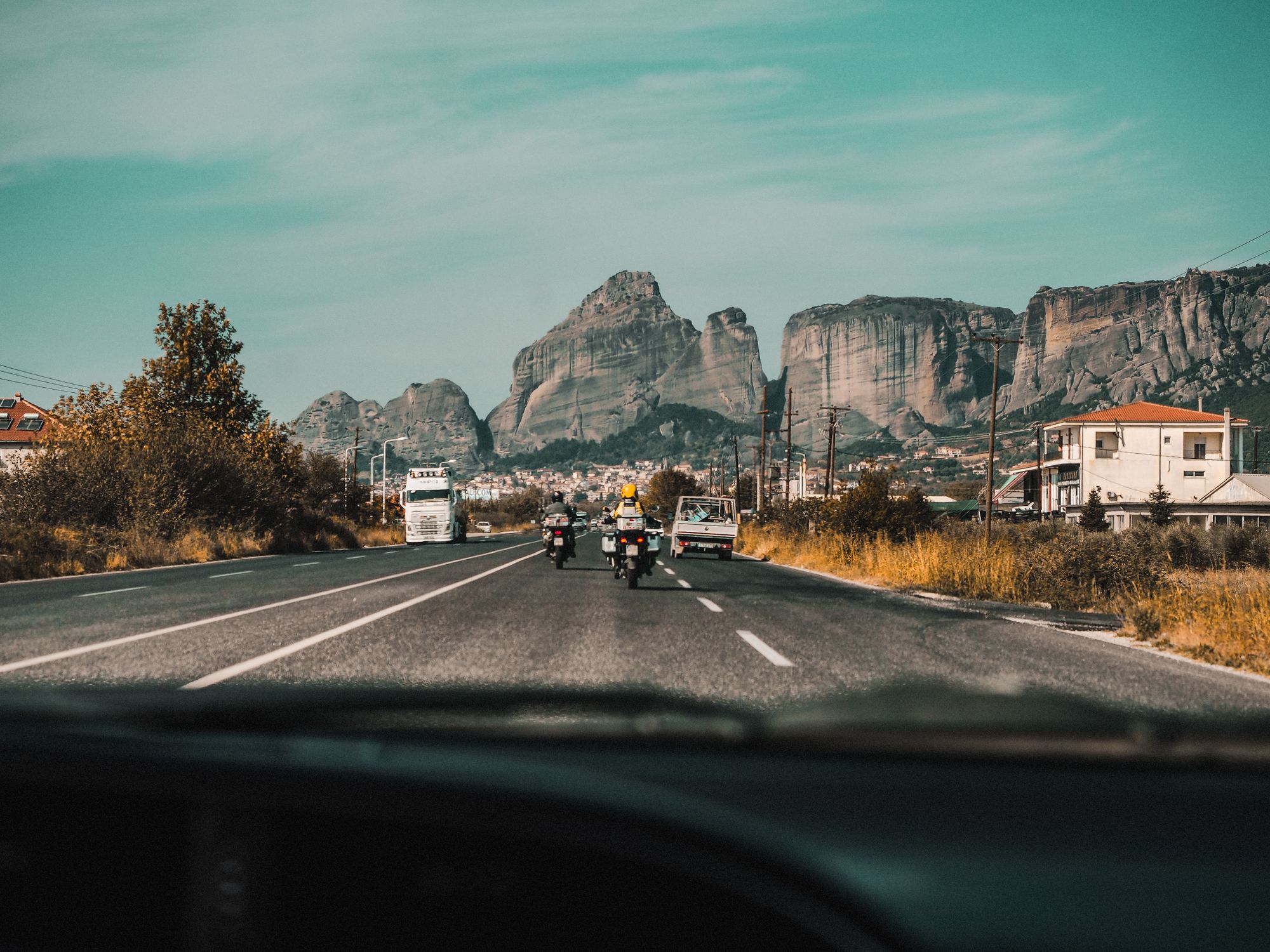
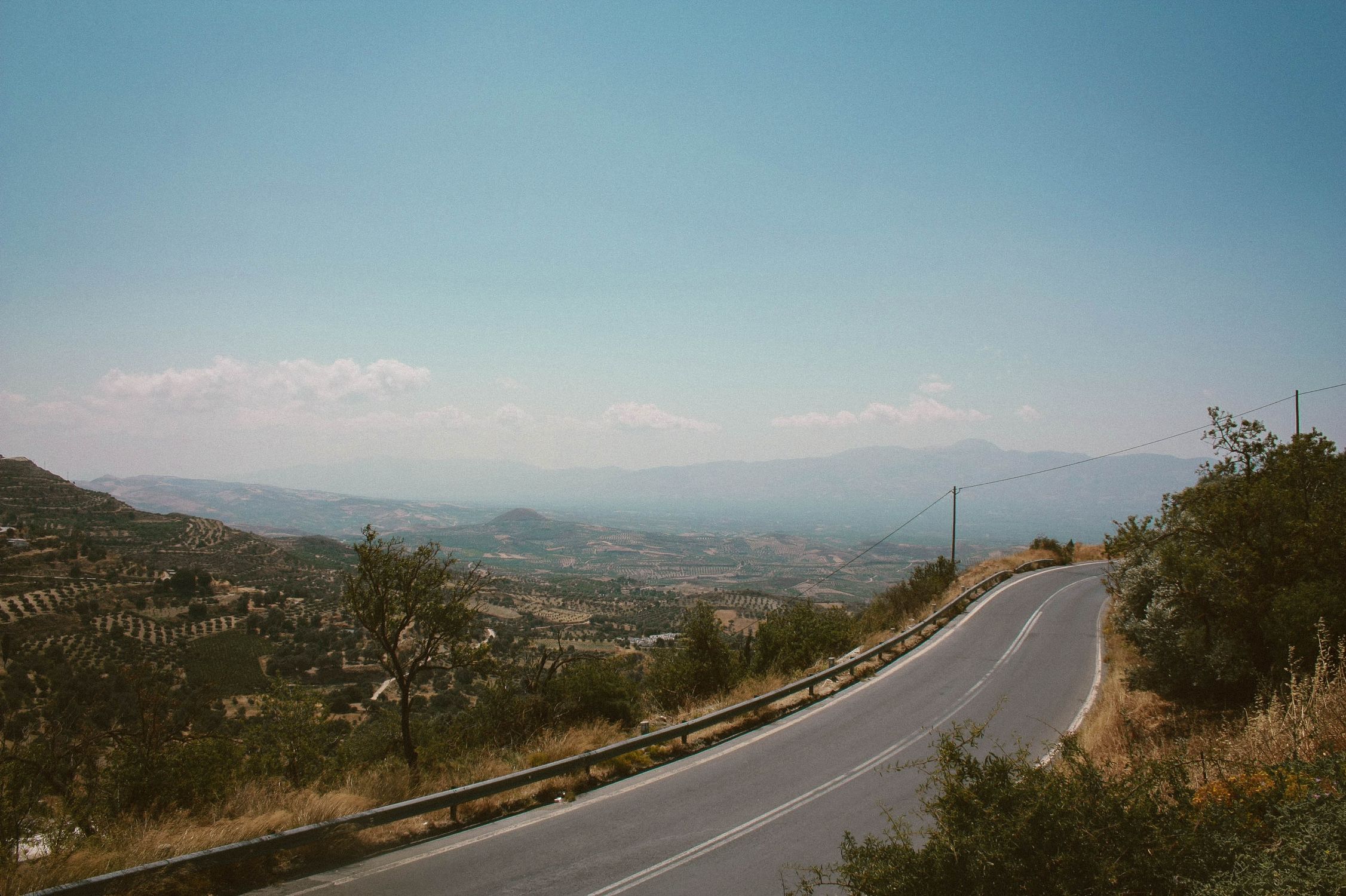
- Mountain passes - The drive to Meteora or the Zagori valleys includes steep climbs, sharp hairpin turns, and occasional fog. Keep a steady speed, use lower gears, and allow extra time for stops to admire the view.
- Toll roads - Major highways such as the Egnatia Odos (A2) have electronic tolls. Rental cars often come equipped with a prepaid transponder; confirm with the agency to avoid surprise charges.
- Parking - In popular tourist spots, designated parking lots are usually marked with blue lines and a pay-and-display machine. In smaller towns, you’ll find free street parking but watch for resident-only zones (often indicated by white lines).
- Fuel stations - While plentiful along the coast, mountain routes may have fewer pumps. Fill up whenever you see a station, especially before heading into remote areas.
- Island driving - If your trip includes a ferry crossing to Crete, Santorini, or another island, confirm with your rental agency whether the car is allowed on board or whether you should arrange a separate rental once you land, since not every agency permits its fleet to leave the mainland.
Practical Tips: Making Your Solo Road Trip Smooth and Secure
- Choose a well-lit, central pickup location - Airports and main bus stations have reputable agencies and 24-hour support.
- Inspect the car thoroughly - Take photos of any existing scratches or dents before you drive off; note them on the rental agreement to avoid later disputes.
- Keep a copy of the emergency numbers - Dial 112 for any emergency in Greece; the rental company’s roadside assistance line is usually listed on the contract.
- Use a GPS or offline maps - Cellular coverage can be spotty in mountainous regions, so download maps of your route in advance.
- Stay aware of local driving etiquette - Horns are used sparingly, and yielding to pedestrians is the norm in town squares.
- Limit valuables in plain sight - Store bags and jewelry in the trunk or a locked glove compartment; a visible backpack can attract unwanted attention.
- Plan fuel stops around your itinerary - Before a long stretch through Zagori or the Peloponnese interior, fill the tank even if the gauge looks comfortable; it’s one less thing to think about on a scenic but sparsely served road.

What to Pack: Jewelry & Small Essentials for the Solo Explorer
Traveling light doesn’t mean you have to sacrifice style or organization. These three compact organizers keep your favorite pieces safe and tangle-free:
- BAGSMART Travel Jewelry Organizer Roll Foldable Jewelry Case ($17.99) - Quilted cotton exterior with five dedicated compartments for rings, earrings, necklaces, and a zip pouch, plus a hangar loop for hotel bathroom hooks. It keeps everyday pieces tangle-free, though it won’t accommodate a very large statement necklace and the snap closure can loosen with heavy use.
- Vlando Small Travel Jewelry Box Organizer Display Case ($10.99) - A faux-leather box with a removable crossing board that adapts to different jewelry sizes, in a compact 4x4x2 inch footprint. Generous storage for the price, but the faux-leather exterior isn’t as durable as premium options and it’s best suited to smaller collections.
- Teamoy Double Layer Jewelry Organizer Travel Case ($22.99) - Double-layer design with detachable earring holders for up to nine pairs and elastic pouches for bracelets or watches. Great for medium-to-large collections without adding much bulk, though the medium size can feel a bit much for ultralight packers and it lacks a hanging hook.
Pair these with a lightweight daypack, a reusable water bottle, and a pair of comfortable sandals that can handle both city cobbles and coastal trails.
Mistakes to Avoid: Common Pitfalls for Solo Women Drivers
- Skipping the pre-rental inspection - Overlooking a small dent can lead to unexpected fees when you return the car.
- Assuming all insurance is included - The base rate usually covers only third-party liability; verify CDW and theft coverage before you sign.
- Relying solely on GPS - In rural Greece, satellite signals can drop; keep a paper map or offline version as a backup.
- Parking in unmarked spots - Illegal parking can result in fines or towing; always look for painted lines or signage.
- Driving at night in unfamiliar mountain passes - Headlights can blind oncoming drivers and road lighting is sparse; plan to stop at daylight-friendly towns for overnight stays.
By staying aware of these easy-to-miss details, you’ll keep your trip stress-free and your budget intact. None of this is meant to make driving in Greece sound daunting - the mainland highway network is modern and well-signed, and it’s really only the narrow village lanes and mountain passes that call for a bit of extra caution.
The same logic applies to solo confidence generally: most of these mistakes are ones any first-time renter could make, not risks unique to traveling alone. A calm, methodical approach at pickup and a habit of double-checking the small print will carry you through nearly every situation Greece’s roads can throw at you.
FAQ: Quick Answers for the On-the-Go Traveler
Q: Do I need an International Driving Permit? A: Only if your license isn’t in the Latin alphabet. Otherwise, a valid home-country license suffices.
Q: Can I pick up a car at the airport and drop it off in another city? A: Yes, most agencies offer one-way rentals, though a drop-off fee may apply, especially between islands and the mainland.
Q: Is it safe to drive at night on the islands? A: Roads on larger islands like Crete are well-lit, but smaller islands may have limited lighting. Stick to daylight hours for unfamiliar routes.
Q: What’s the best fuel type for rental cars in Greece? A: Most rentals run on unleaded gasoline (95 octane). Diesel is less common but available for larger SUVs.
Q: How do I handle tolls on the highway? A: The rental car usually comes with a prepaid transponder; confirm with the agency. If not, you can pay at the toll booth with cash or card.
Q: Should I rent a smaller car if I’m nervous about narrow roads? A: Yes. A compact or economy car is easier to maneuver through village lanes and mountain hairpins, and it’s simpler to park in tight coastal towns than a full-size SUV.
Related Reading
Get price-drop alerts and new guides from HerTripGuide
One email a week: price drops on the gear we recommend, new guides, and what changed. No spam, unsubscribe anytime.