Renting a Car in Iceland: Solo Female Traveler Guide 2026
Empowering solo women to rent a car in Iceland with safety tips, cost breakdowns, insurance advice, road basics, and packing essentials for 2026.

This post may contain affiliate links. Disclosure
Traveling alone in Iceland is a dream many women share, but the freedom of a rental car can feel intimidating if you’ve never navigated the island’s ever-changing weather and remote roads before. This guide walks you through every practical step-what paperwork you need, how much you’ll actually spend, which insurance add-ons are worth the cash, and how to stay safe and confident behind the wheel. Think of it as a conversation with an older sister who’s already driven the Ring Road solo, packed smart, and knows exactly where to pause for a coffee break without getting lost. By the end you’ll have a clear plan, a realistic budget, and a packing list that lets you shine on the road.
How much does it cost to rent a car in Iceland as a solo woman? Daily rates run roughly $40 to $150 depending on season and class: a small 2WD economy car is about $40-70 in summer and can dip below $40 in winter, while 4x4s cost more. Budget separately for the insurance excess, gravel-road risk and tolls covered later.
Rental Requirements for Solo Women

Before you even think about the price, make sure your documents are in order. Iceland has a crowded field of rental companies to choose from - Blue Car Rental, MyCar Rental, Project Car Rental, Ring Car Rental, Go Car Rental, Key Car Rental, Lotus Car Rental, Auto Car Rental, Foss Car Rental, and Lava Car Rental all operate on the island, and Guide to Iceland’s roundup of the top providers is a solid starting point if you want to compare fleets before you commit. Whichever company you pick, the baseline paperwork is the same: a valid full driver’s licence held for at least one year. The minimum age is 20 years for economy cars and 23 years for 4x4s; younger drivers can still rent but will face a surcharge, according to Cars Iceland’s requirements breakdown.
You’ll also need a credit card in your name for the security deposit; a few firms accept debit cards if you’re willing to leave a cash security instead. Non-EU licences must be paired with an International Driving Permit alongside your passport or ID - keep both in your daypack, not buried in checked luggage, since you’ll need them again at drop-off.
All paperwork is checked at pick-up, which most companies streamline with a free shuttle from Keflavík Airport - Blue Car Rental even advertises it on their site - so you can avoid the Reykjavik traffic jam right after landing. Landing after a long flight is exactly when you don’t want to be deciphering rental contracts, so read the excess and mileage terms in advance and simply confirm them at the counter.
How Much Does It Cost? Vehicle Classes Explained

Car rental prices in Iceland vary dramatically by season, vehicle size, and whether you need a 4x4. According to Guide to Iceland’s cost breakdown, daily rates range from $40 to $150 depending on the month you travel and the class of car you book.
- Economy (small 2WD): $40-70 USD per day in summer; can dip below $40 in winter. Perfect for the paved Ring Road and Golden Circle.
- Mid-size / small SUV: $70-110 USD per day. Gives a bit more space for luggage without the premium price of a full-size SUV.
- 4x4 SUV: $90-160 USD per day. Only necessary if you plan to tackle F-roads (highland tracks) or travel in winter when snow and ice are common.
- Camper van: $100-200 USD per day. Ideal for those who want to combine transport and accommodation, but remember the higher fuel consumption.
- Motorhome / 4x4 camper: $185 USD+ per day for the ultimate freedom-on-wheels experience.
All rentals include unlimited mileage and a full-to-full fuel policy, meaning you pick up the car with a full tank and return it the same way. That policy matters for budgeting: a half-empty tank at drop-off almost always costs more per liter than filling up yourself at a station on the way to the airport.
To compare prices across the ten providers listed above, check out DiscoverCars - they aggregate the latest deals and let you filter by age, vehicle type, and insurance options, which is the fastest way to see whether a 2WD or a 4x4 actually saves you money for your specific dates.
Understanding Insurance and Excess
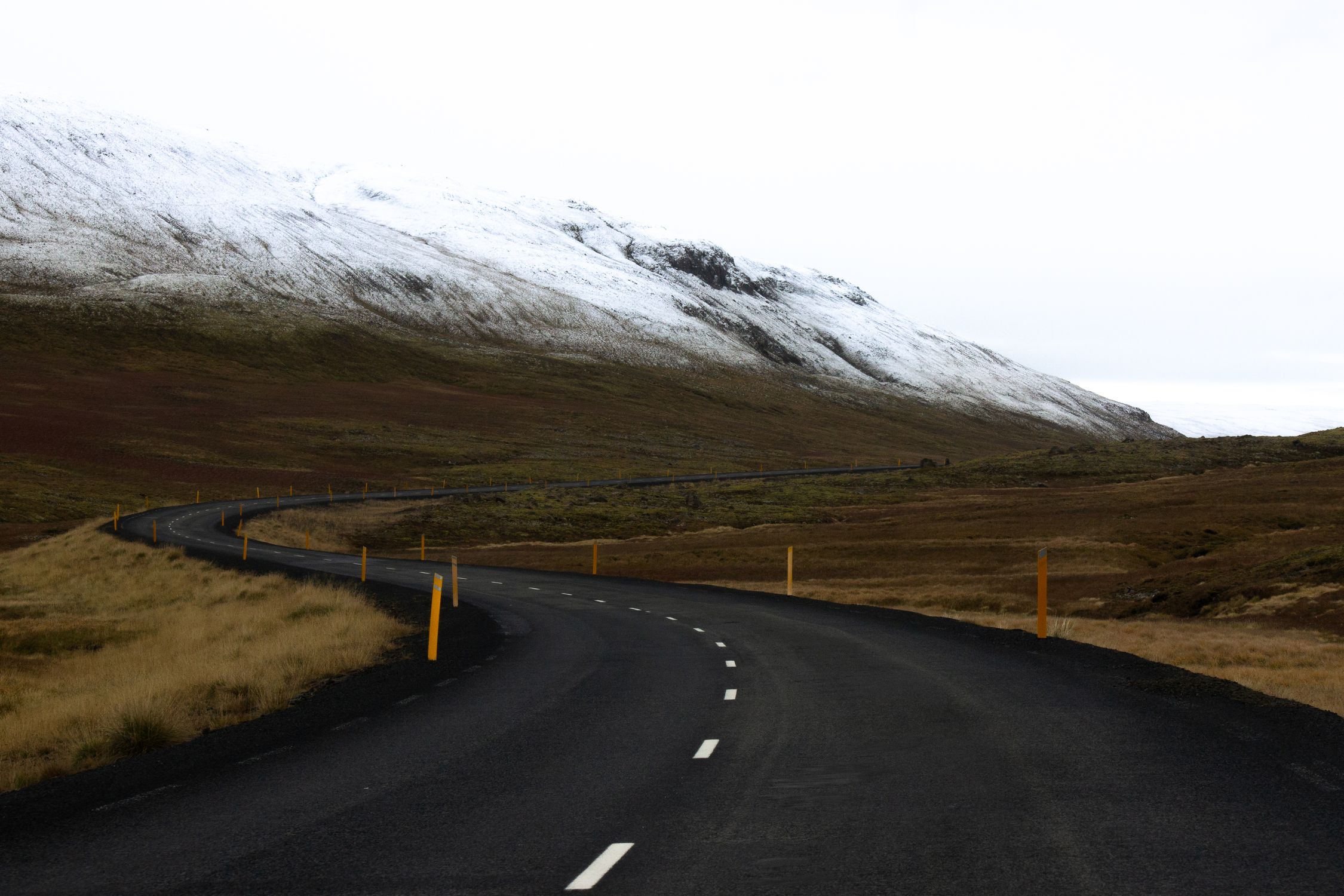
Icelandic law makes Collision Damage Waiver (CDW) and third-party liability mandatory; they’re already baked into the base rate. The standard excess - the amount you’d pay out of pocket if the car is damaged - is $2,000-$3,000 USD. For a solo traveler, that number matters more than it might for a couple splitting the risk between two incomes, so it’s worth budgeting for upfront rather than discovering it at the counter.
If you’d rather drive without that lingering worry, you can add Super CDW (SCDW) for $10-$25 USD per day, which reduces the excess to zero. Other optional protections include:
- Gravel Protection (GP): $7-$15 USD/day, covering windscreen, headlights, and paint from stone chips - highly recommended because many rural roads are gravel.
- Sand & Ash Protection (SAAP): $13-$21 USD/day for coastal or highland routes where volcanic ash can damage the undercarriage.
Some companies bundle these into a zero-excess package (often called Platinum coverage) that combines SCDW, GP, and SAAP at a reduced total price. If you’re traveling in winter or planning highland excursions, the extra cost is a small price for peace of mind - and it means one less thing to think about if weather turns while you’re driving alone. Read the excess terms line by line before you sign; a policy that sounds comprehensive at the counter can still exclude damage from unpaved F-roads if you haven’t opted into the right add-on.
If you’re renting a 4x4 specifically for F-roads, ask the counter agent whether Gravel Protection and Sand & Ash Protection are already folded into your quote. Highland routes are exactly where loose stone and volcanic ash do the most damage to a vehicle, and they’re also where a solo traveler benefits most from not having to negotiate a damage claim from a repair shop hours away from Reykjavik.
Road Realities: Gravel, Toll Roads, and Tax
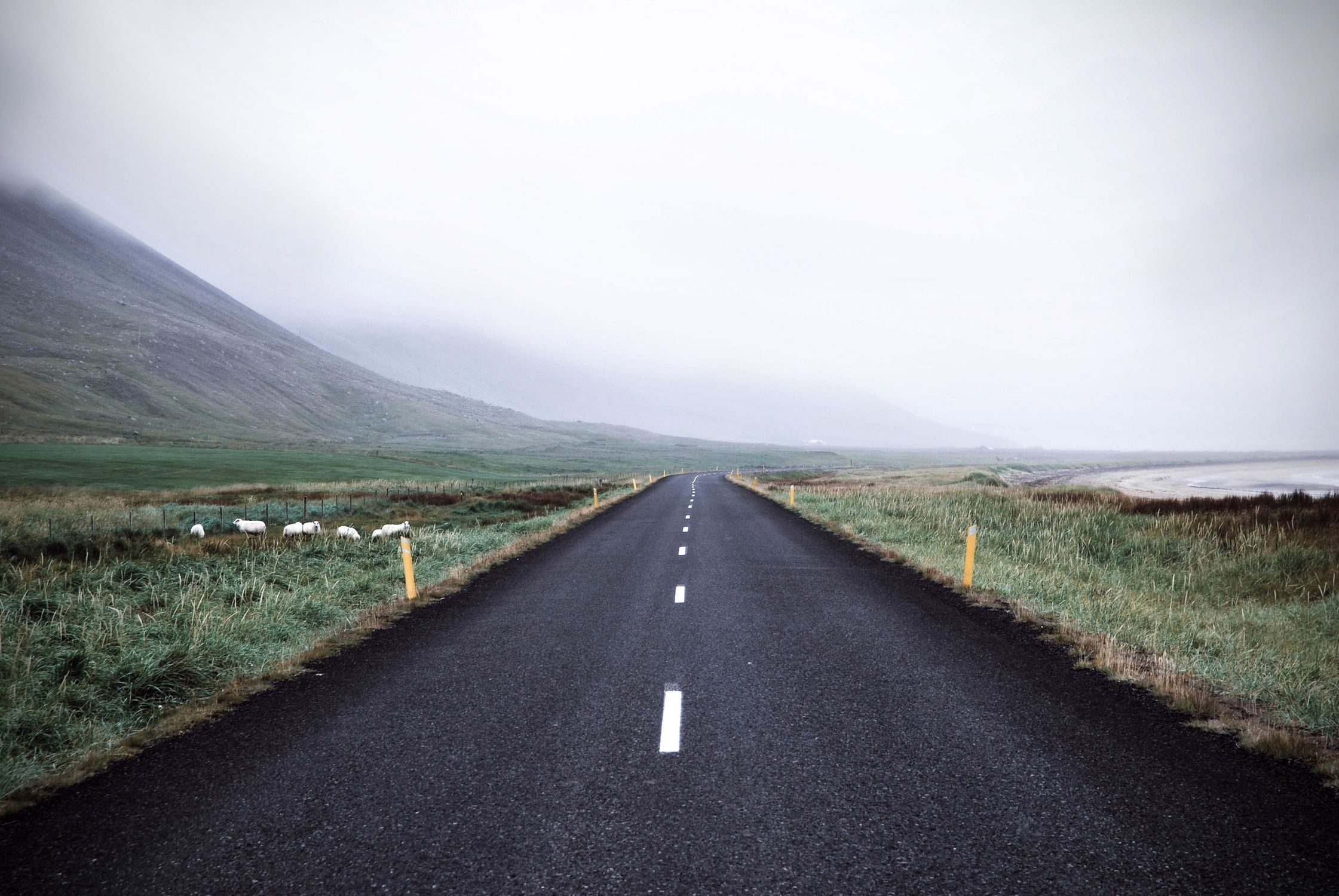
Iceland’s roads are a study in contrasts. The Ring Road (Route 1) is paved and well-maintained, but many side routes are gravel, and stone chips can quickly damage a windshield or paintwork. That’s why Gravel Protection is strongly advised. Drive at moderate speeds on gravel, keep a safe distance from the car ahead, and avoid sudden lane changes - loose gravel behaves nothing like asphalt under braking. The Icelandic Road Administration’s traffic rules page is worth a skim before you leave Reykjavik, since speed limits and right-of-way conventions differ between paved and gravel sections.
Since January 2026, a road tax of 6.95 ISK per kilometre is applied, usually collected as a daily fee of about $10-$11 USD. This fee appears on your rental invoice, so you don’t need to calculate it yourself, but it’s worth knowing it exists so the final bill doesn’t surprise you.
There are two toll roads: the Vadlaheidi tunnel near Akureyri and a Ring Road segment near Höfn. Both are paid online via the Vegagerðin portal; pre-paying on vegagerdin.is saves you from waiting at a toll booth, and it’s one less stop to make if you’re driving solo and want to keep moving before dark.
Parking in Reykjavik can be tight. Use the public car parks on the outskirts or designated street zones - most have meters that accept credit cards. When you leave the capital, parking is generally free at most attractions, but always check local signs before you leave your car for the day.
Practical Tips for Solo Female Travelers
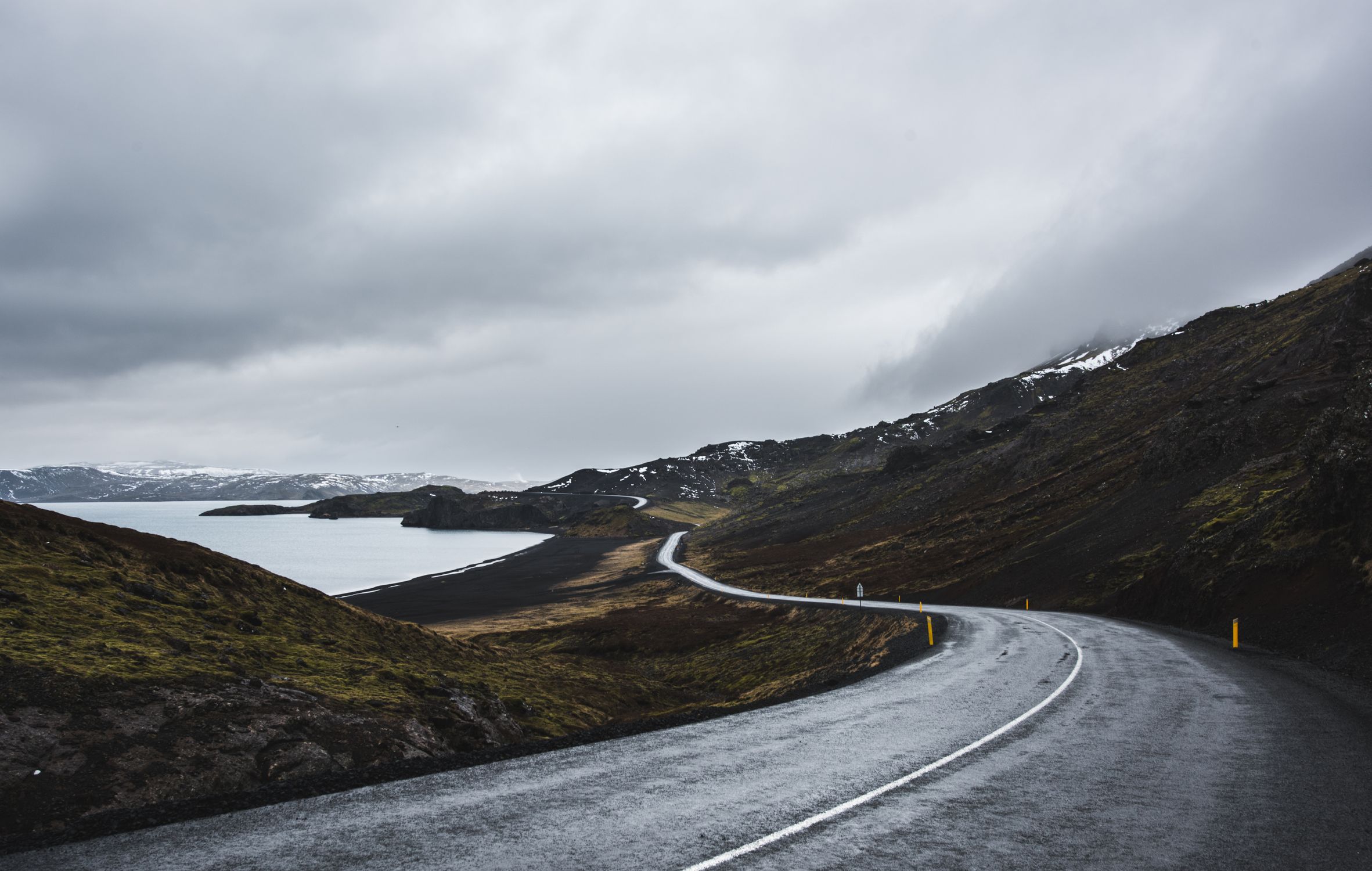
- Book early for summer (June-August). Prices can double and the cheapest cars sell out first, so if your dates are fixed, reserve as soon as your flights are confirmed rather than waiting.
- Choose a 2WD unless you’re heading to F-roads or traveling in winter. A 2WD handles the Ring Road and Golden Circle comfortably, saves fuel, and is simpler to park in central Reykjavik than a full-size 4x4.
- Pick up at Keflavík Airport using the free shuttle many providers offer. It spares you a city-center taxi and gets you on the road faster.
- Fill the tank before leaving Reykjavik. Fuel stations become sparse once you enter the highlands, and the price difference between stations can be noticeable, so top off early rather than let the gauge run low.
- Carry a physical copy of your insurance documents and the rental agreement in case you lose internet connectivity in remote areas.
- Stay connected: purchase an Icelandic SIM card (or an international plan) so you can use the Vegagerðin toll portal and reach emergency services if needed.
- Trust your instincts. If a road looks too rough or a weather forecast calls for strong winds, pull over at a safe spot, stretch, and reassess. Icelandic locals respect cautious drivers, and the landscape rewards patience.
Remember, the island is incredibly safe, but solo travel always benefits from a few extra precautions - especially when you’re behind the wheel.
What to Pack for a Safe & Stylish Journey
Layering matters as much as the car you rent, and a compact jewelry organizer keeps small items from disappearing into the bottom of a duffel bag during long driving days on the Ring Road. All three of the picks below are proven travel-size organizers rather than generic jewelry boxes, so they hold up to a bumpy gravel detour without spilling open in your suitcase.
- BAGSMART Travel Jewelry Organizer Roll Foldable Jewelry Case ($17.99) - A quilted cotton exterior with five compartments (ring band, earring panel, necklace strap, zip pouch, and zip pocket) keeps necklaces and earrings tangle-free in a carry-on, and the built-in hanger loop clips onto hotel bathroom hooks so nothing ends up on the counter. It won’t accommodate a large statement necklace, and the snap closures can loosen with heavy use, but for everyday jewelry it’s the most complete roll of the three.
- Vlando Small Travel Jewelry Box Organizer Display Case ($10.99) - This compact faux-leather box measures just 3.9 x 3.9 x 2.0 inches, with a removable crossing divider board that adapts to different jewelry sizes. It’s the budget pick for minimalists packing a single ring set and a pair of earrings for a weekend loop of the Golden Circle, though the faux-leather exterior isn’t as durable as pricier options.
- Teamoy Double Layer Jewelry Organizer Travel Case ($22.99) - Built with a double-layer design and detachable earring holders for up to nine pairs, plus elastic pouches for bracelets and watches, this case suits travelers packing a medium-to-large collection for a longer Ring Road trip. It’s bulkier than the other two and has no hanging hook, so it’s better suited to a suitcase than a daypack.
Beyond jewelry, pack layered clothing (thermal base, waterproof shell, insulated mid-layer), sturdy waterproof boots, a reusable water bottle, and a portable power bank. A small first-aid kit and a compact travel blanket can be lifesavers on long stretches between services, especially if you’re navigating gravel roads alone after dark.
FAQ: Common Mistakes to Avoid
- Skipping Gravel Protection - Even a short gravel stretch can chip a windshield; the $7-$15 USD/day fee is worth the peace of mind, especially since a cracked windshield in a remote area can turn into an unplanned detour to a repair shop.
- Assuming “unlimited mileage” means you can ignore fuel - Full-to-full means you must return the car with a full tank; otherwise you’ll be hit with a steep refuel charge.
- Driving a 4x4 on paved roads only - 4x4s are heavier on fuel; if you stay on the Ring Road, a 2WD saves money and is easier to park in Reykjavik.
- Waiting to pay tolls - The two toll roads require online payment; delaying can result in a fine that appears on your rental bill.
- Not checking the road tax fee - The daily $10-$11 USD tax is automatically added, but some renters forget and think the price is lower than advertised.
By planning ahead and avoiding these pitfalls, you’ll keep your budget intact and your journey stress-free.
Related Reading
Get price-drop alerts and new guides from HerTripGuide
One email a week: price drops on the gear we recommend, new guides, and what changed. No spam, unsubscribe anytime.