Renting a Car in Ireland: Solo Female Traveler Guide 2026
A practical 2026 guide for solo women renting a car in Ireland: requirements, cost tiers, insurance basics, road realities, safety tips, and what to pack.

This post may contain affiliate links. Disclosure
Traveling alone in Ireland can feel like stepping into a storybook, especially when you have the freedom of your own wheels. In 2026, renting a car remains the most flexible way to chase cliffs, hidden pubs, and sunrise over the Atlantic. As your older sister on the road, I’ll walk you through everything you need: paperwork, cost tiers, insurance lingo, quirky road realities, and a packing list that keeps your jewelry safe while you chase rainbows. No fear-mongering, just practical, body-positive advice that lets you focus on the scenery, not the stress.
What do you need to rent a car in Ireland as a solo woman? You need a valid home-country licence (in English, or paired with an International Driving Permit), a passport, and a card in the primary driver’s name — prepaid cards are refused. Pricing splits into compact/economy hatchbacks for city bases like Dublin, Galway and Cork, then standard and larger classes.
Requirements & Documentation
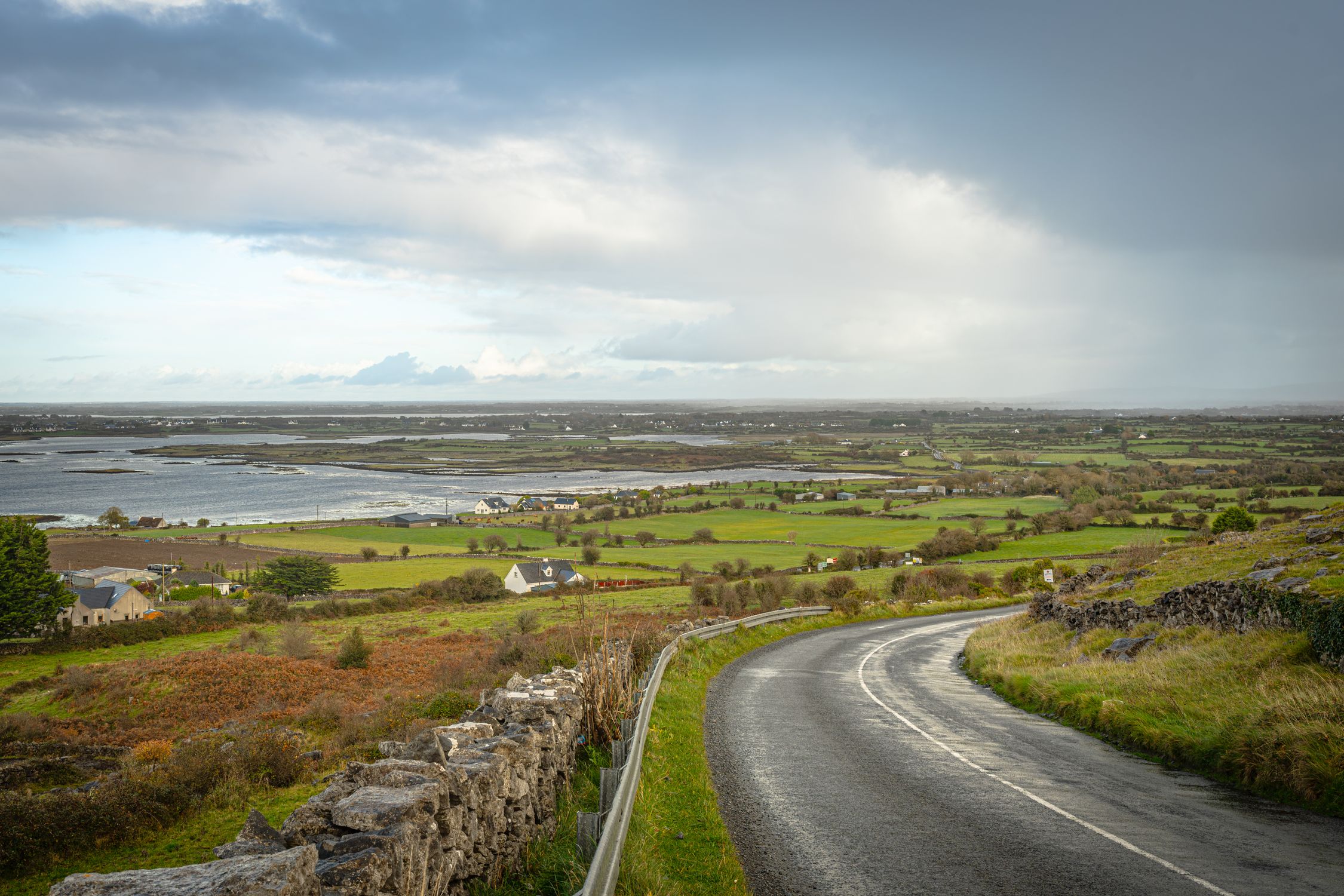
Before you even set foot on Irish tarmac, you’ll need a few basics in your travel bag:
- Valid driver’s licence - Your home-country licence is accepted as long as it’s in English or accompanied by an International Driving Permit (IDP). The IDP is a simple translation; it’s not a separate licence, just a handy supplement.
- Credit or debit card - Most agencies require a card in the primary driver’s name for the security deposit. A prepaid card usually won’t work.
- Passport - Needed for identity verification at the rental desk.
- Age limits - The standard minimum age is 21, with drivers under 25 typically paying a young-driver surcharge. If you’re over 70, some companies may ask for additional proof of fitness to drive, but most will still rent to you without issue.
- Proof of insurance - If you plan to use your own personal auto insurance or a credit-card coverage, bring the policy documents. Otherwise, you’ll purchase coverage through the rental agency at the counter.
Make sure every name on the reservation matches the licence exactly; a typo can delay pickup and waste precious daylight. It’s a small detail, but it’s the single most common reason solo travelers get held up at a busy airport desk, so double-check it before you leave home rather than at the counter.
How Much Will It Cost? (What to Expect by Vehicle Class)

Irish car-rental pricing is generally grouped into three broad tiers, and it helps to think of your itinerary before you think about the badge on the car:
- Compact / Economy - Small hatchbacks that are easy to park on tight city streets and cheap on fuel. A great fit if you’re mostly sticking to Dublin, Galway, or Cork with a few day trips.
- Standard / Intermediate - A step up in trunk space and comfort, useful for multi-day road trips where you’re carrying real luggage rather than a day bag.
- Full-size / SUV - Higher ground clearance and a steadier ride on rural routes, worth the extra cost if you’re spending several days on the Wild Atlantic Way or driving through wind-exposed coastal stretches.
Quoted rates typically bundle in basic tax and a standard collision damage waiver that limits your out-of-pocket liability, while extras like GPS, a child seat, or an additional driver are billed on top of the base rate. Fuel policies vary, but full-to-full (pick up full, return full) is consistently the most economical choice, since a refuel surcharge at return is one of the easiest fees to avoid entirely.
When you’re ready to compare exact numbers for your dates, the aggregator DiscoverCars pulls rates from major Irish agencies onto one screen, letting you filter by vehicle type, pick-up location, and price rather than checking each company’s site individually.
Insurance Basics for Solo Women
Insurance can feel like a maze of acronyms, but the core coverage you’ll encounter is straightforward:
- Collision Damage Waiver (CDW) - Reduces your financial responsibility if the rental car is damaged. Most agencies offer a zero-excess upgrade for an extra daily fee; otherwise you remain liable for a deductible if there’s an accident.
- Loss-Damage Waiver (LDW) - Bundles CDW with theft protection. It’s often the simplest single-purchase option for solo travelers who may be parking in unfamiliar spots overnight.
- Third-Party Liability - Mandatory by Irish law; it covers damage you cause to other vehicles, property, or people, and agencies typically include generous limits at no extra cost.
- Personal Accident Insurance (PAI) - Optional coverage for medical expenses and accidental injury. If you already have travel medical insurance, you can often skip this.
- Credit-Card Coverage - Some premium cards provide CDW or LDW when you pay for the rental with the card. Verify the terms, note any exclusions such as off-road use, and keep the confirmation email handy in case you need to reference it later.
For peace of mind, consider a full-coverage package (CDW plus LDW) unless you have a proven credit-card policy that you’ve already confirmed applies to Ireland. It eliminates surprise excess fees and lets you focus on the road rather than the fine print, which matters most on the days you’re driving somewhere genuinely remote.
Irish Road Realities You’ll Meet
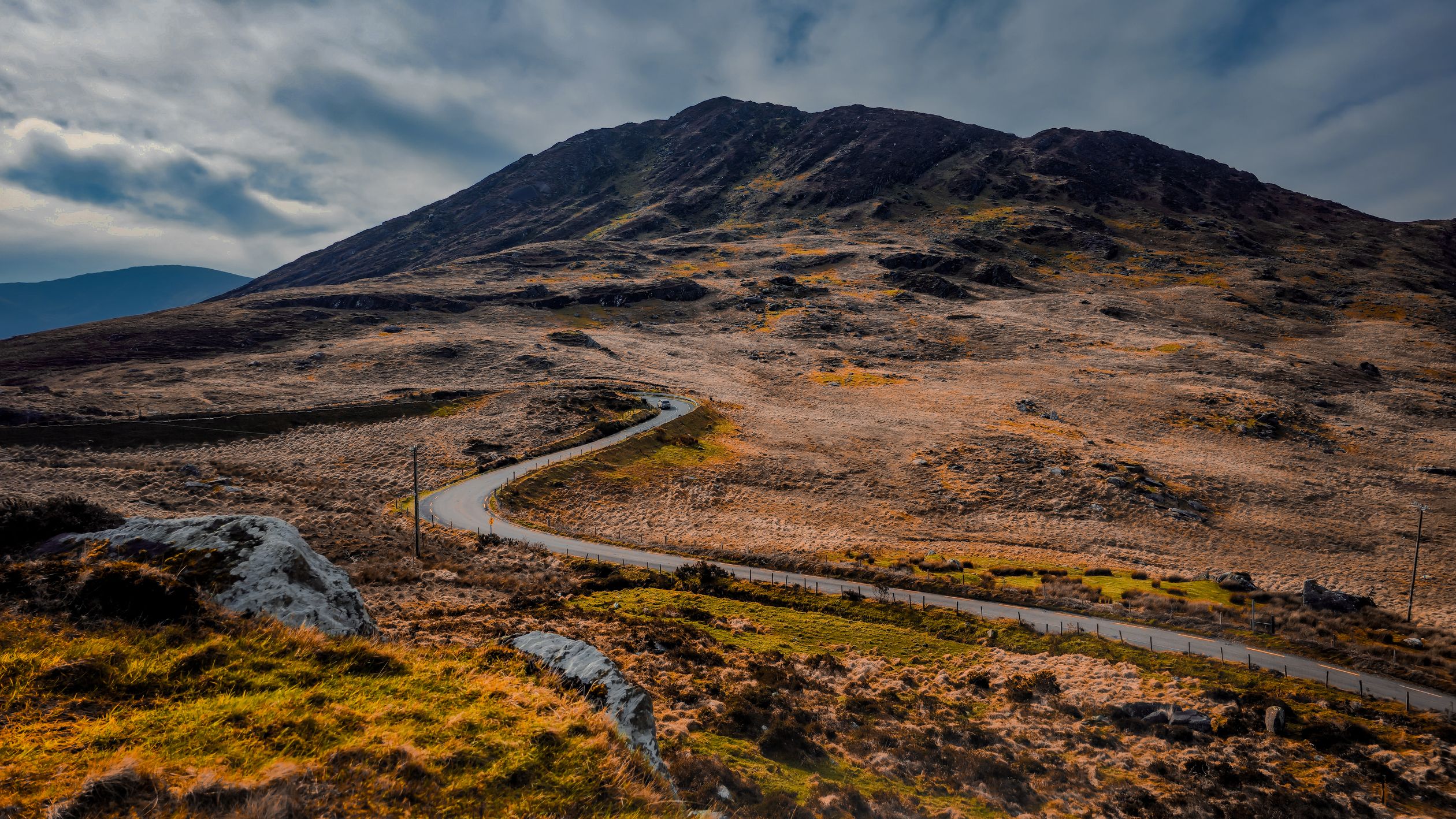
Ireland’s roads have a personality of their own, and a few quirks can catch even seasoned drivers off guard:
- Right-hand drive - Ireland drives on the left, so the steering wheel sits on the right side of the car. Take a moment at a quiet roundabout to get comfortable with the position of the gear lever and mirrors before you merge into traffic.
- Narrow country lanes - Many rural routes are only wide enough for one vehicle. When you meet an oncoming car, a courteous give-way wave is the norm, and reversing a short distance to a passing point is completely normal, not a sign you’ve done something wrong.
- Roundabouts everywhere - They replace traffic lights on many secondary roads. Yield to traffic already in the circle, signal your exit, and keep an eye on cyclists who often use the inner lane.
- Speed limits - 120 km/h on motorways, 100 km/h on national roads, 80 km/h on regional roads, and 50 km/h in built-up areas. Speed cameras are common, especially near towns, so keep an eye on the signage as the road category changes.
- Weather swings - The Atlantic can bring sudden rain, fog, and strong winds, sometimes within the same afternoon. Reduce speed on wet pavement, since braking distances increase dramatically on the country’s older road surfaces.
- Sheep and livestock - In the west, especially County Kerry and Donegal, you’ll occasionally see sheep crossing. Slow down and give them space; most local drivers simply wait it out rather than honk.
- Parking - In city centres, look for pay-and-display meters and be aware of resident-only zones. In rural villages, free street parking is common but may be limited on market days.
Understanding these realities helps you stay safe and confident, turning potential stressors into part of the adventure rather than a source of anxiety before you’ve even picked up the keys.
Practical Tips for Safe & Confident Driving
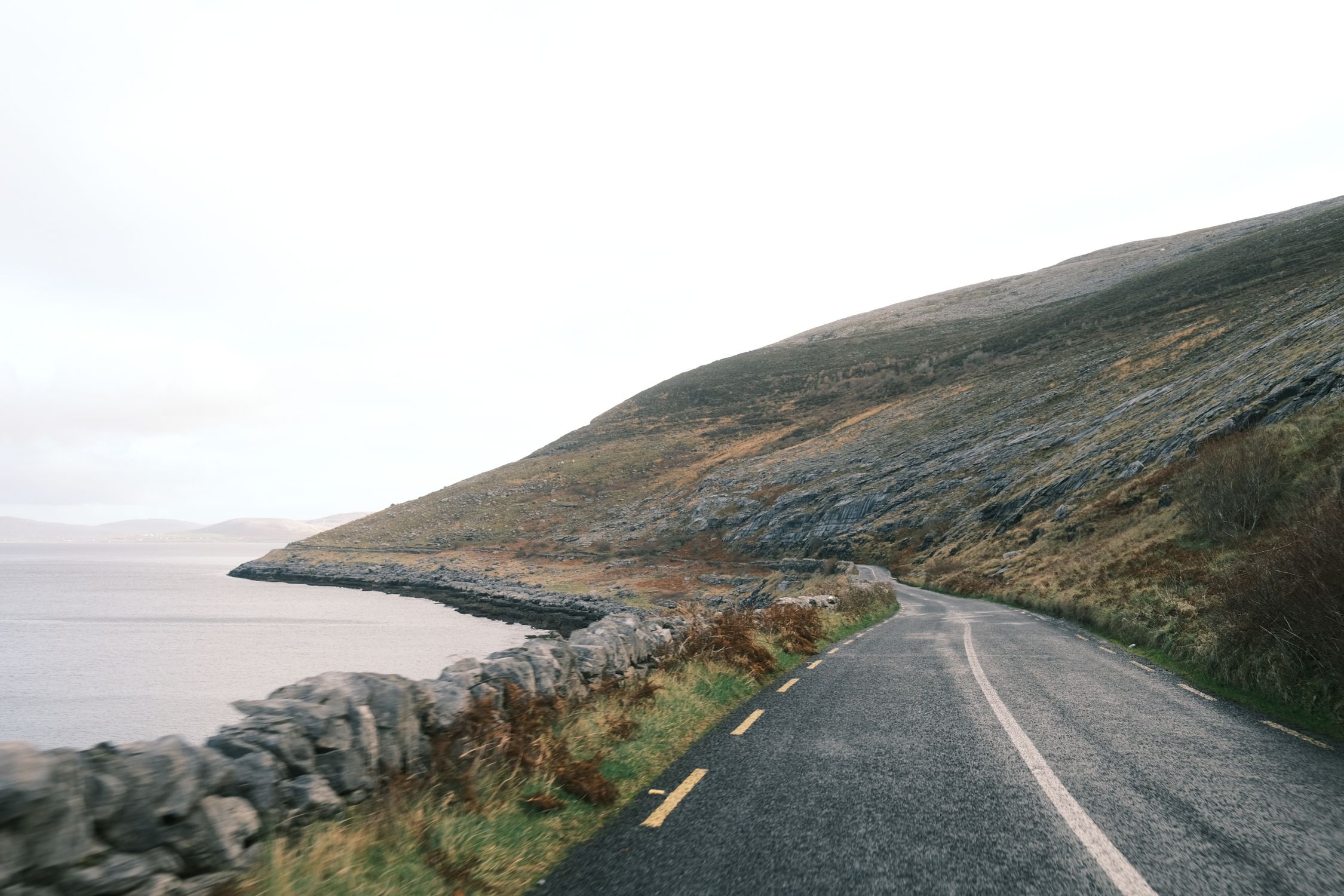
- Pick a well-lit, central pick-up location - Airport counters are busy but efficient; city-centre offices let you see the car before you drive off.
- Inspect the car inside and out - Take photos of any existing scratches or dents and note them on the rental agreement. This protects you from later disputes at return.
- Adjust your seat and mirrors before moving - A comfortable posture reduces fatigue on those winding coastal routes, especially on a long first day behind the wheel.
- Carry a physical map or offline GPS - Mobile signal can drop in remote valleys; a paper map of the Wild Atlantic Way is a reliable backup when your phone loses signal at exactly the wrong junction.
- Use the two-second rule for following distance - On wet roads, increase it to three seconds. It gives you extra reaction time on slippery bends.
- Keep a spare charger and a power bank - Your phone is your lifeline for navigation, emergency calls, and checking in with friends back home.
- Stay hydrated and snack smart - Long drives can be dehydrating, especially in summer heat. Pack nuts, fruit, and a reusable water bottle.
- Trust your instincts - If a parking spot feels unsafe, move on. Ireland’s towns are compact, so you’ll typically find another spot within a couple of minutes.
- Emergency numbers - Dial 112 or 999 for police, fire, or medical assistance. The roadside assistance number is usually printed on the rental contract, so photograph it before you set off.
By embedding these habits into your routine, you’ll navigate Ireland’s roads with the poise of a local well before your trip is over.
What to Pack
When you’re on the move, keeping your accessories organized can make a huge difference to your confidence. Here are three vetted jewelry organizers that fit neatly in a carry-on or day-pack.
- BAGSMART Travel Jewelry Organizer Roll Foldable Jewelry Case ($17.99) - This quilted-cotton roll slides into any suitcase and offers five dedicated compartments, a hangar loop for hotel bathroom hooks, and a snap-plus-ribbon closure that’s easy to open one-handed at a rest stop. Ideal for everyday pieces, though it won’t hold very large statement necklaces, and the snap closures can loosen with heavy use over time.
- Vlando Small Travel Jewelry Box Organizer Display Case ($10.99) - A compact faux-leather box with a removable crossing board and elastic wall pocket, sized at just 3.9 x 3.9 x 2.0 inches. Perfect for minimalist travelers who need a tidy spot for rings and earrings, though the faux-leather shell won’t hold up like a premium material over years of use.
- Teamoy Double Layer Jewelry Organizer Travel Case ($22.99) - Double-layer design with detachable earring holders for up to nine pairs, plus elastic pouches for bracelets or watches. Best for medium-to-large collections, though the size may feel a bit bulky for ultralight packers who’d rather carry the Vlando instead.
Add these to your packing list alongside a reusable water bottle, a lightweight rain jacket, and a pair of sturdy walking shoes - your complete solo-travel toolkit for a country where the weather can change four times before lunch.
Common Mistakes to Avoid (FAQ Style)
Q: Do I really need to buy extra insurance if my credit card already covers me? A: Verify the credit-card policy’s exclusions before you rely on it. Many cards won’t cover rentals in Ireland if you opt for a zero-excess CDW upgrade at the counter, or if you drive on unpaved roads. When in doubt, the modest extra fee for full coverage is worth the peace of mind.
Q: Can I rent a car if I’m under 25? A: Yes, but most agencies impose a young-driver surcharge and may limit you to compact vehicles. Bringing a second driver over 25 can help share the cost and sometimes reduces the surcharge, depending on the agency’s policy.
Q: Is it okay to leave the car unattended in a city centre? A: Generally safe in well-lit areas, but always lock the doors, remove valuables from sight, and park in a designated spot. In smaller towns, a quick glance is enough; in Dublin, a paid garage is the safer bet overnight.
Q: Do I need a GPS if I have a smartphone? A: A smartphone works for most of the trip, but signal loss is common in remote valleys. A built-in GPS or a dedicated handheld unit ensures navigation continuity exactly when you need it most.
Q: What if I get a flat tire on a narrow country road? A: Most rentals include roadside assistance. Call the number on your contract; they’ll either send a technician or arrange a replacement vehicle. Carrying a basic tire-inflation kit buys you time for minor pressure loss until help arrives.
Avoiding these pitfalls keeps your trip smooth and lets you focus on the breathtaking cliffs, historic castles, and warm Irish hospitality that brought you here in the first place.
Related Reading
Get price-drop alerts and new guides from HerTripGuide
One email a week: price drops on the gear we recommend, new guides, and what changed. No spam, unsubscribe anytime.