Renting a Car in Mexico: Solo Female Traveler Guide 2026
A practical 2026 guide for solo women renting a car in Mexico: costs by vehicle class, mandatory insurance, toll and road tips, and packing essentials.

This post may contain affiliate links. Disclosure
Traveling alone in Mexico can feel like a movie - vibrant streets, endless coastlines, and the freedom to explore on your own schedule. Yet the biggest decision after booking your flight is often the car. A reliable rental gives you control over where you go, when you stop for a coffee, and how much you spend on tours. This guide is written in a warm, older-sister tone: practical, safety-savvy, and body-positive. I’ll walk you through the paperwork, the price brackets, the insurance maze, road realities, and the little hacks that keep your solo adventure smooth and stress-free. Let’s hit the road together.
What do you need to rent a car in Mexico as a solo woman? You need a licence from your country of residence, a passport, and a card in the renter’s own name — cash is not accepted. Hertz rents from 18, but age limits vary by company. Economy cars run $30-50 a day with full coverage, compacts $40-60 and SUVs $70-100.
Requirements & Documentation

Before you even think about the car, make sure you have the right documents in hand. All major brands - Avis, Hertz, Enterprise, Budget, Thrifty, Alamo, Sixt, America Car Rental, and Mex Rent a Car - require a valid driver’s license from your country of residence. For foreigners, a passport works; Mexican citizens can use an INE. A credit or debit card must be in the renter’s name; cash payments are not accepted, per Hertz Mexico Rental Conditions.
Age limits vary: Hertz allows rentals from 18 years old but adds a young-driver surcharge for ages 18-24 (Hertz Mexico Rental Conditions). Most other companies set the minimum at 21. If you fall into the 18-24 bracket, expect an extra fee - budget for it before you compare quotes, since the sticker price rarely includes it.
Finally, bring a printed copy of your reservation and a photo ID. Having everything organized in a travel wallet saves time at the counter and reduces the chance of miscommunication, especially if the agent’s first language is Spanish and yours isn’t. If you’re adding a second driver for part of the trip, they’ll need to meet the same age and license requirements, and their name must be added to the contract before you leave the lot rather than after.
Choosing the Right Vehicle & Cost Breakdown
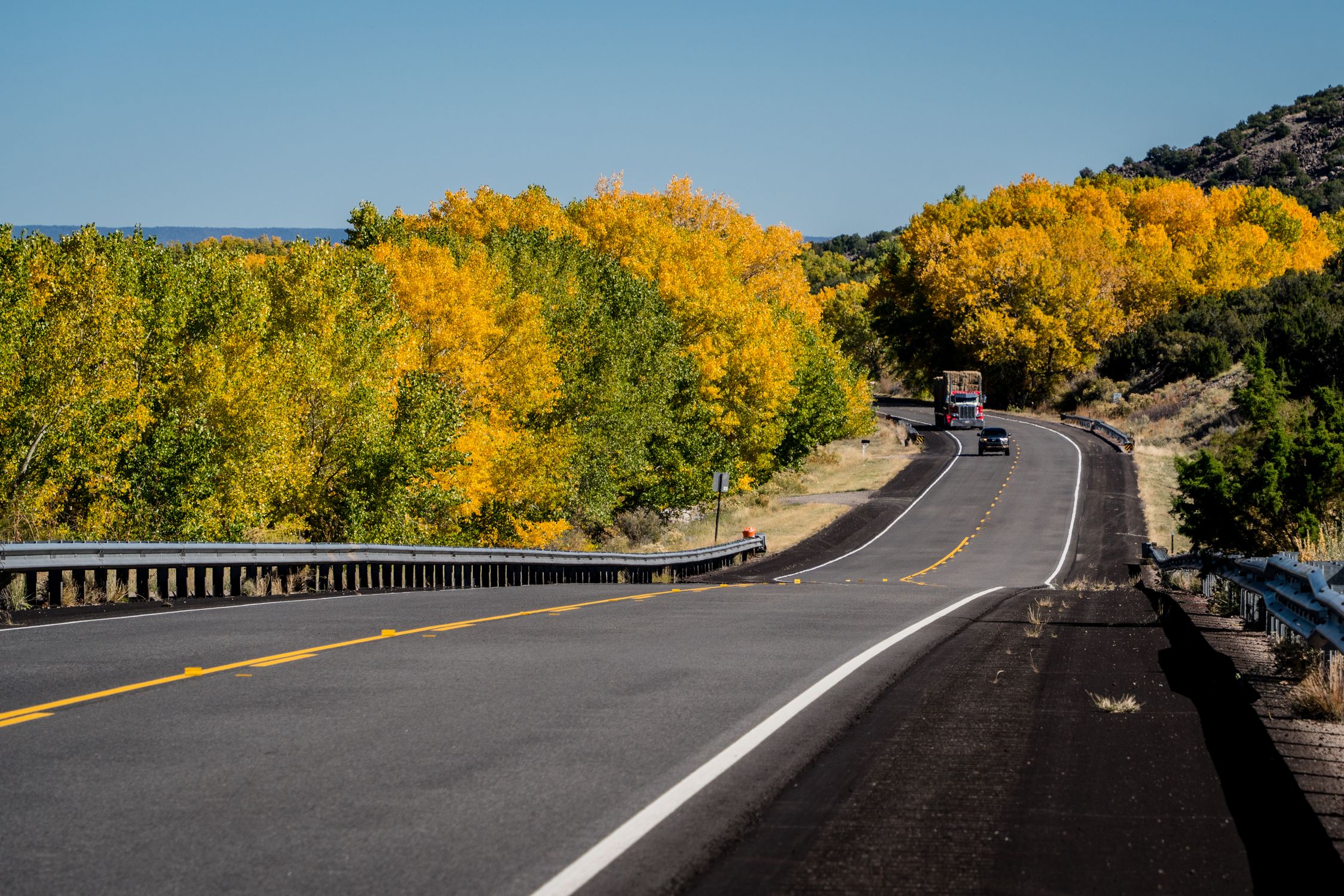
Mexico’s rental market mirrors the U.S. in vehicle categories, but price ranges are tighter thanks to competition and inclusive insurance. According to Where The Road Forks, the average economy car runs $30-50 per day (full coverage included). Compact cars sit at $40-60, while an SUV - great for mountain roads or beach trips - costs $70-100 daily.
When deciding, think about your itinerary:
- Economy (e.g., Nissan Versa, Chevrolet Aveo) - perfect for city hopping, short drives, and tight parking spots.
- Compact (e.g., Volkswagen Jetta, Toyota Corolla) - a bit more room for a small suitcase and a friend.
- SUV (e.g., Toyota RAV4, Nissan X-Trail) - confidence on uneven rural routes, extra cargo space for surfboards or hiking gear.
Rental Companies to Compare
Nine major brands operate across Mexico’s airports and city offices: Avis, Hertz, Enterprise, Budget, Thrifty, Alamo, Sixt, America Car Rental, and the local operator Mex Rent a Car. The global names offer familiar loyalty programs and consistent contract language, which can be reassuring on a first solo trip, while local and regional operators sometimes undercut them on economy and compact classes. Whichever you pick, the requirements above (license, card in your name, age minimums) apply across the board.
Because the same vehicle categories and insurance tiers show up across all nine brands, the real differentiator ends up being pickup location, deposit size, and how clearly each company itemizes its coverage on the contract - not the name on the sign. If two quotes for the same economy class land close together, let the insurance clarity and pickup convenience break the tie rather than defaulting to whichever brand you already know from home.
If you’re landing at a major airport, consider skipping the on-site desk. Airport locations often tack on a surcharge; city-center offices usually have lower fees. Use a comparison engine like DiscoverCars to see side-by-side pricing across all nine brands, but always double-check that the quoted total includes insurance and taxes - many low-rate ads omit these, and the true price can end up $30-40 per day once they’re added back in (Where The Road Forks).
Insurance Made Simple
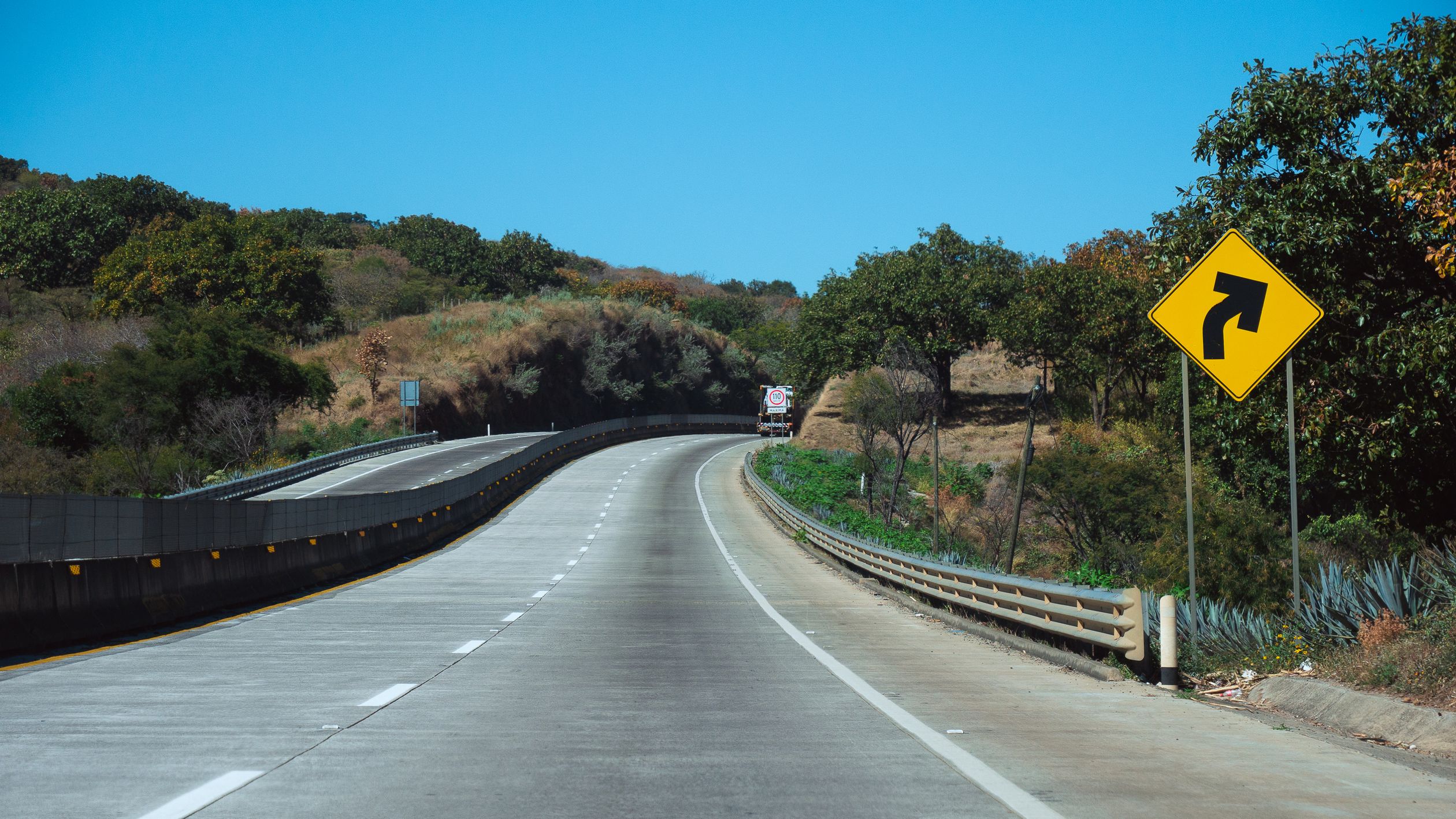
Mexican law requires liability insurance; foreign policies are not recognized (Where The Road Forks). The good news is that every rental company bundles coverage into the daily rate, so you won’t need to hunt for a third-party provider before you land.
Hertz, for example, offers three tiers:
- LDW (Loss Damage Waiver) - covers most damage to the rental vehicle, minus a small deductible.
- CDW (Collision Damage Waiver) - similar to LDW but may include a lower deductible.
- CDW2 - the most comprehensive, often with zero deductible and coverage for theft.
Each tier comes with a pre-authorization hold on your card; the amount varies by vehicle class. Since the insurance is already included in the $30-50 economy price range, you can avoid surprise add-ons later if you confirm which tier is bundled before you sign.
If you have a personal auto policy at home, check whether it extends to rentals abroad - most U.S. insurers exclude Mexico entirely. In that case, rely on the rental company’s coverage rather than assuming you’re protected. Remember to inspect the car for existing dents and photograph any damage before you drive off; this protects you from being blamed for pre-existing issues when you return the vehicle, especially if the return-desk agent isn’t the same person who checked you out.
Ask the agent to point out which tier is already bundled into your quoted rate before you sign anything else. Upgrading from LDW to CDW2 usually costs a modest daily add-on, and for a solo traveler who won’t have a second person to help manage a claim on the road, the zero-deductible peace of mind is often worth it, particularly if your itinerary includes unfamiliar city driving or overnight street parking.
Understanding Mexican Roads & Toll System
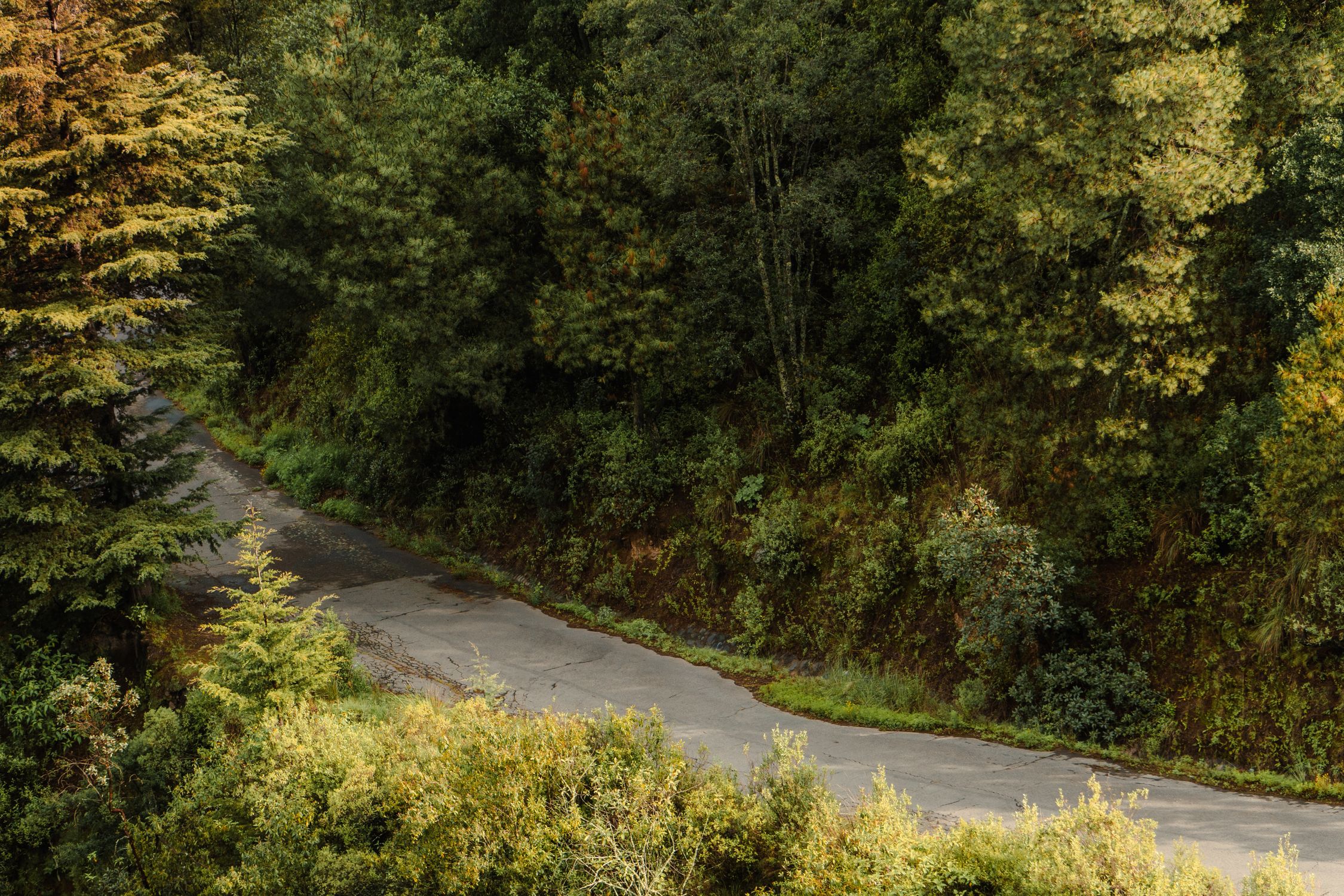
Mexico’s highway network is a mix of modern toll roads (cuotas) and free routes (libres). The major highways are toll roads operated by CAPUFE; they’re well-maintained, have clear signage, and often cut travel time in half. Starting in 2026, all CAPUFE tolls are cashless, requiring an electronic TAG that you preload with funds, according to tollguru.com. Purchase a prepaid TAG online or at most rental offices; it saves you from hunting for cash at toll booths and speeds up your journey considerably on longer cross-country drives.
Urban parking can be a headache, especially in Mexico City or Guadalajara. Opt for secured lots in safe neighborhoods - they’re usually a bit pricier but worth the peace of mind when you’re leaving a car unattended overnight. Keep doors locked, windows up, and valuables out of sight, even for a quick five-minute errand.
On federal highways, road conditions are generally good, but rural routes may have potholes, limited signage, and occasional livestock. Drive during daylight whenever possible; it’s easier to spot hazards and you’ll feel more comfortable navigating unfamiliar streets, particularly on the stretches between smaller towns where signage can thin out fast.
The toll cuotas are almost always worth the extra pesos compared to the free libres routes, especially between major cities: you’ll trade a few dollars for significantly smoother pavement, better lighting, and far less risk of an unmarked pothole at highway speed. If your itinerary sticks mainly to well-traveled corridors like the routes connecting major resort towns to their airports, the toll network alone will cover most of your driving, and you can save the libres for short local hops where the toll simply isn’t worth it.
Practical Tips & Safety Hacks
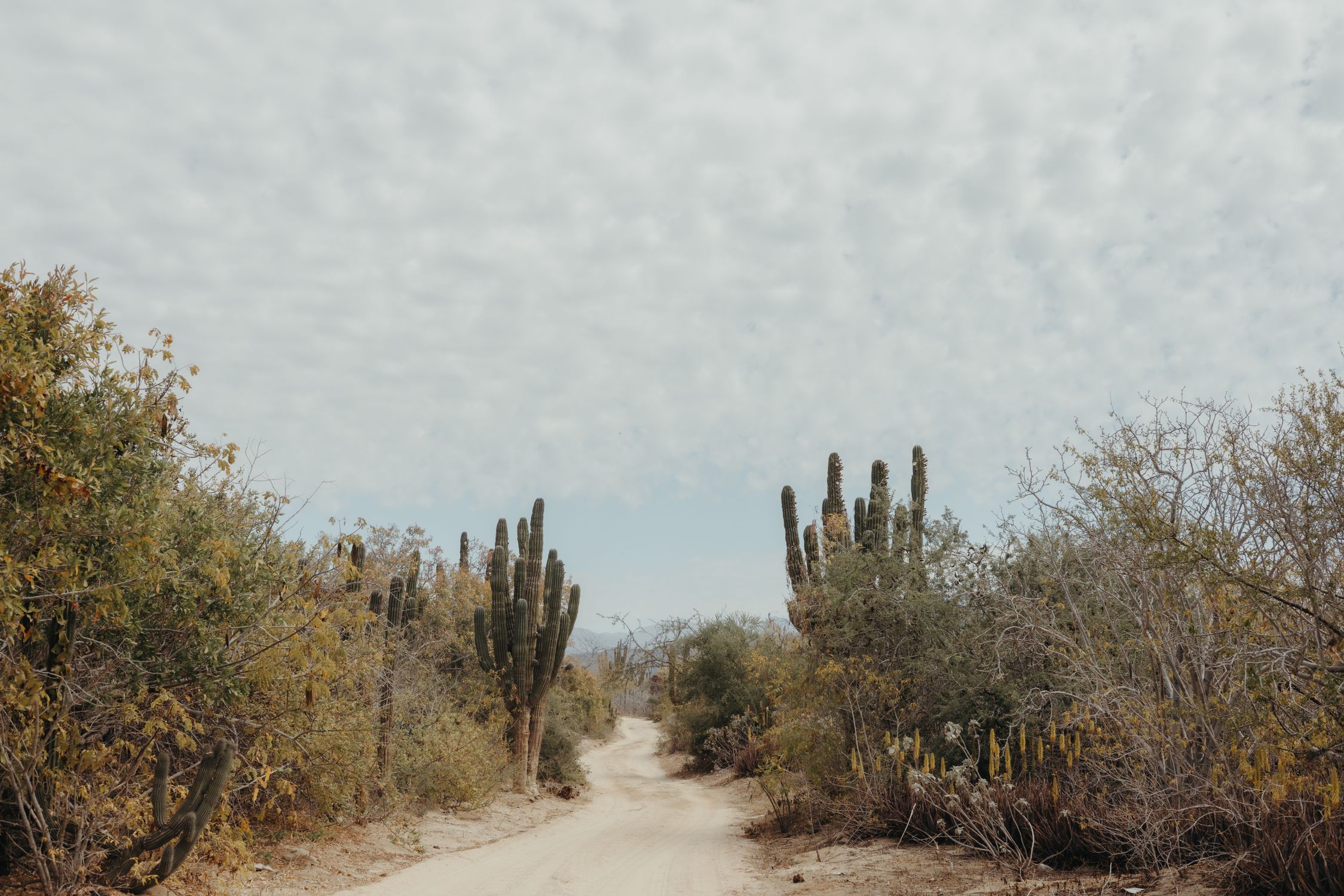
- Book smart. Compare quotes using a site like DiscoverCars (see the cost section above), then verify that the displayed total includes full-coverage insurance and all taxes. Low-rate ads often hide these costs, inflating the real price to $30-40 per day (Where The Road Forks).
- Avoid airport surcharges. If your flight lands in Mexico City, consider taking a shuttle to a downtown rental office; the price difference can be $10-$15 per day.
- Pre-load your TAG. Load enough credit for the entire trip; you can top up online if you run low, which matters more once the cashless CAPUFE system is fully in place.
- Inspect & photograph. Walk around the car, open the trunk, and take photos of any scratches or dents. Keep the pictures on your phone for reference in case of a dispute at drop-off.
- Drive daylight. Visibility is better, and you’ll feel safer navigating unfamiliar streets, especially on rural routes with less signage.
- Lock up. Keep doors locked, windows up, and any bags or electronics stored in the trunk or under the seat rather than on the passenger seat in plain view.
- Stay connected. Purchase a local SIM card; it gives you reliable GPS and the ability to call for help if needed, without relying on spotty hotel wifi.
- Know the emergency number. 911 works nationwide for police, medical, and fire services.
By following these steps, you’ll minimize surprises and keep the focus on the adventure, not the logistics.
What to Pack
When you’re the one behind the wheel, a tidy bag makes a big difference. Here are three jewelry organizers that keep your accessories safe and tangle-free while you explore Mexico’s hidden gems.
- BAGSMART Travel Jewelry Organizer Roll Foldable Jewelry Case ($17.99) - Quilted cotton exterior with velvet lining, folding down to 9.8 x 5.7 x 1.6 inches with five compartments (ring band, earring panel, necklace strap, zip pouch, zip pocket) and a hangar loop for hotel bathroom hooks. Comes in 12 colors. Great for everyday pieces, though it won’t fit a very large statement necklace and the snap closures can loosen with heavy use over time.
- Vlando Small Travel Jewelry Box Organizer Display Case ($10.99) - A compact faux-leather box at just 3.9 x 3.9 x 2.0 inches, with a removable crossing board and elastic wall pocket. Ideal for minimalist travelers or weekend packers on a budget, though the faux leather is less durable than premium options and the collection size it holds is necessarily limited.
- Teamoy Double Layer Jewelry Organizer Travel Case ($22.99) - A double-layer polyester case with detachable earring holders for up to nine pairs and elastic pouches for bracelets and watches. Great for medium-to-large collections, though the 9.5 x 6.7 x 2.8-inch size adds more bulk than the other two and it lacks a hanging hook for bathroom use.
Pick the one that matches your packing style, and you’ll never have to worry about tangled necklaces while you’re cruising down a coastal highway.
Common Mistakes to Avoid (FAQ)
Q: Can I use my U.S. auto insurance in Mexico? A: No. Mexican liability insurance is mandatory and foreign policies are not valid (Where The Road Forks). Rely on the rental company’s coverage included in the daily rate.
Q: Do I need a credit card? My debit card works everywhere. A: Yes, a credit or debit card in the renter’s name is required; cash is not accepted (Hertz Mexico Rental Conditions). Some agencies may place a larger hold on debit cards, so be prepared for a higher pre-authorization amount than you’d see with a credit card.
Q: Is it okay to rent at the airport to save time? A: Airport desks often add a surcharge. If you can, rent from a downtown office to avoid extra fees.
Q: What happens if I’m under 25? A: Hertz allows rentals from 18 but adds a young-driver surcharge for ages 18-24 (Hertz Mexico Rental Conditions). Other companies start at 21 and may also charge extra, so factor this into your budget when comparing brands.
Q: Do I need cash for tolls? A: No. Starting in 2026, CAPUFE toll roads are cashless; you’ll need an electronic TAG (tollguru.com).
Avoiding these pitfalls keeps your trip smooth, your wallet happy, and your confidence high. None of this is meant to make Mexico sound complicated to drive - the highway network is genuinely good, and a little upfront preparation is all it takes to enjoy the freedom of your own wheels.
Related Reading
Get price-drop alerts and new guides from HerTripGuide
One email a week: price drops on the gear we recommend, new guides, and what changed. No spam, unsubscribe anytime.