Renting a Car in Morocco: Solo Female Traveler Guide 2026
Empowering solo women to rent a car in Morocco in 2026. Learn requirements, costs, insurance, road tips, packing ideas and safety hacks for a confident trip.

This post may contain affiliate links. Disclosure
Traveling alone in Morocco is a feast for the senses—spice-laden markets, ancient kasbahs, and endless desert horizons. When you add the freedom of a rental car, the country opens up like a choose-your-own-adventure story. This guide walks you through everything a solo female traveler needs to know in 2026: paperwork, price ranges, insurance basics, road quirks, safety-savvy tips, and even the tiny gear that keeps your jewelry untangled on the road. Think of it as the older-sister pep talk you’d get over coffee, with practical details and a sprinkle of body-positive confidence.
What do you need to rent a car in Morocco as a solo woman? Three things get you the keys: a valid home-country licence (many agencies also ask for an International Driving Permit), your passport, and a major credit card in the driver’s name. Fleets run from economy hatchbacks for Marrakech, Essaouira and Agadir up to SUVs built for mountain passes.
Getting Started: Requirements & Documentation
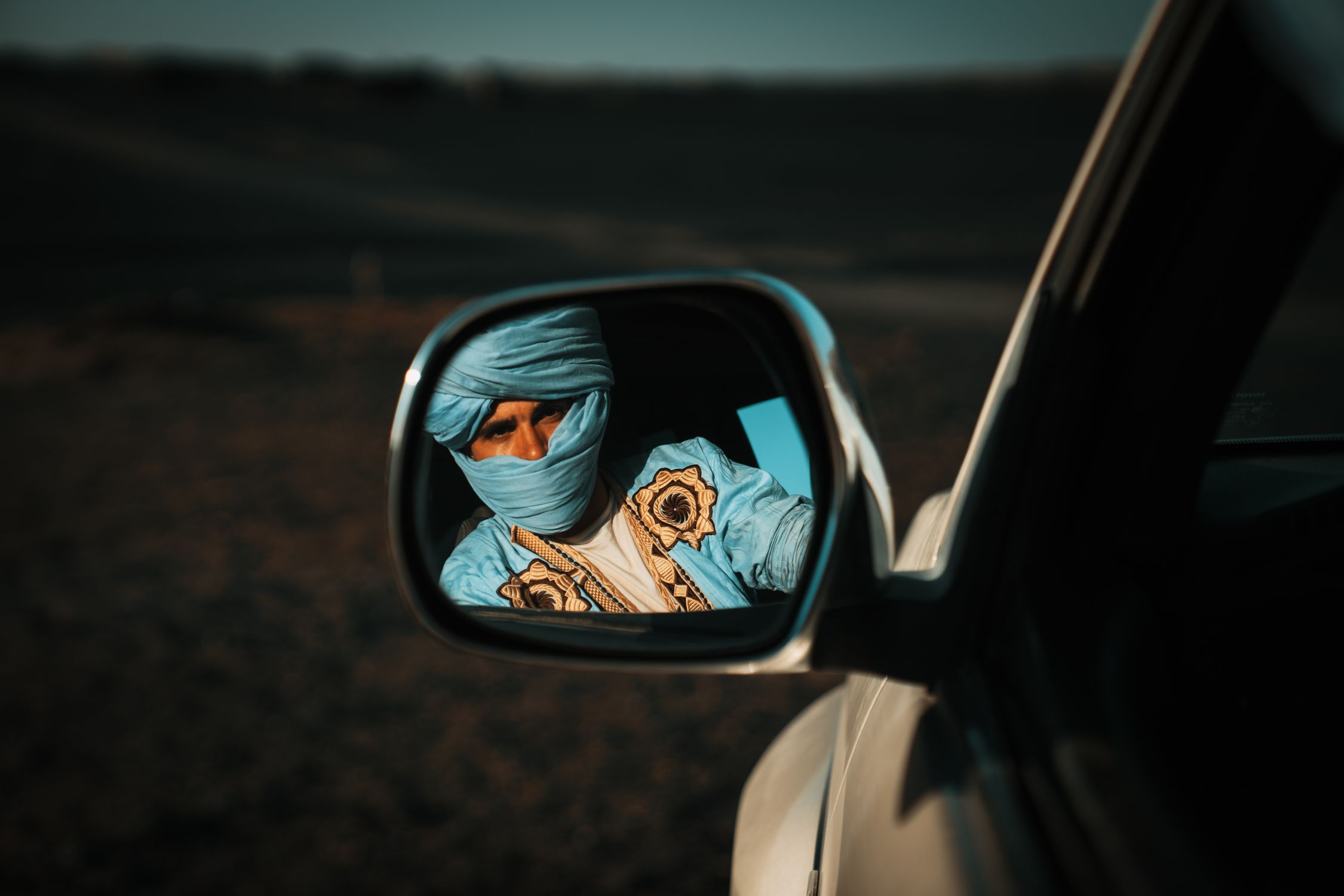
Before you even step onto the tarmac, make sure you have the three essentials that every Moroccan car rental agency will ask for:
- Valid driver’s license - Your home-country license is accepted, but many agencies request an International Driving Permit (IDP) as a courtesy. It’s a cheap, one-day online application that removes any doubt at the desk.
- Passport - A clear copy (or the passport itself) is needed for identity verification.
- Credit card - A major-brand card in the driver’s name is the standard method for the security deposit. Debit cards are sometimes accepted, but they can limit the type of vehicle you’re offered.
Most Western nationals can enter Morocco visa-free for a standard tourist stay, and the same three documents above will suffice for a rental during that window. If you’re staying considerably longer, a Moroccan residence permit can factor into the paperwork, but the IDP remains useful regardless. Keep all paperwork in a dedicated travel folder so you can hand it over quickly and keep your confidence high at the counter—the reflection of a stranger in a car mirror, like the one pictured above, is a good reminder that you’re about to spend your days surrounded by a culture worth slowing down for, paperwork and all.
Choosing the Right Car & Understanding Price Bands
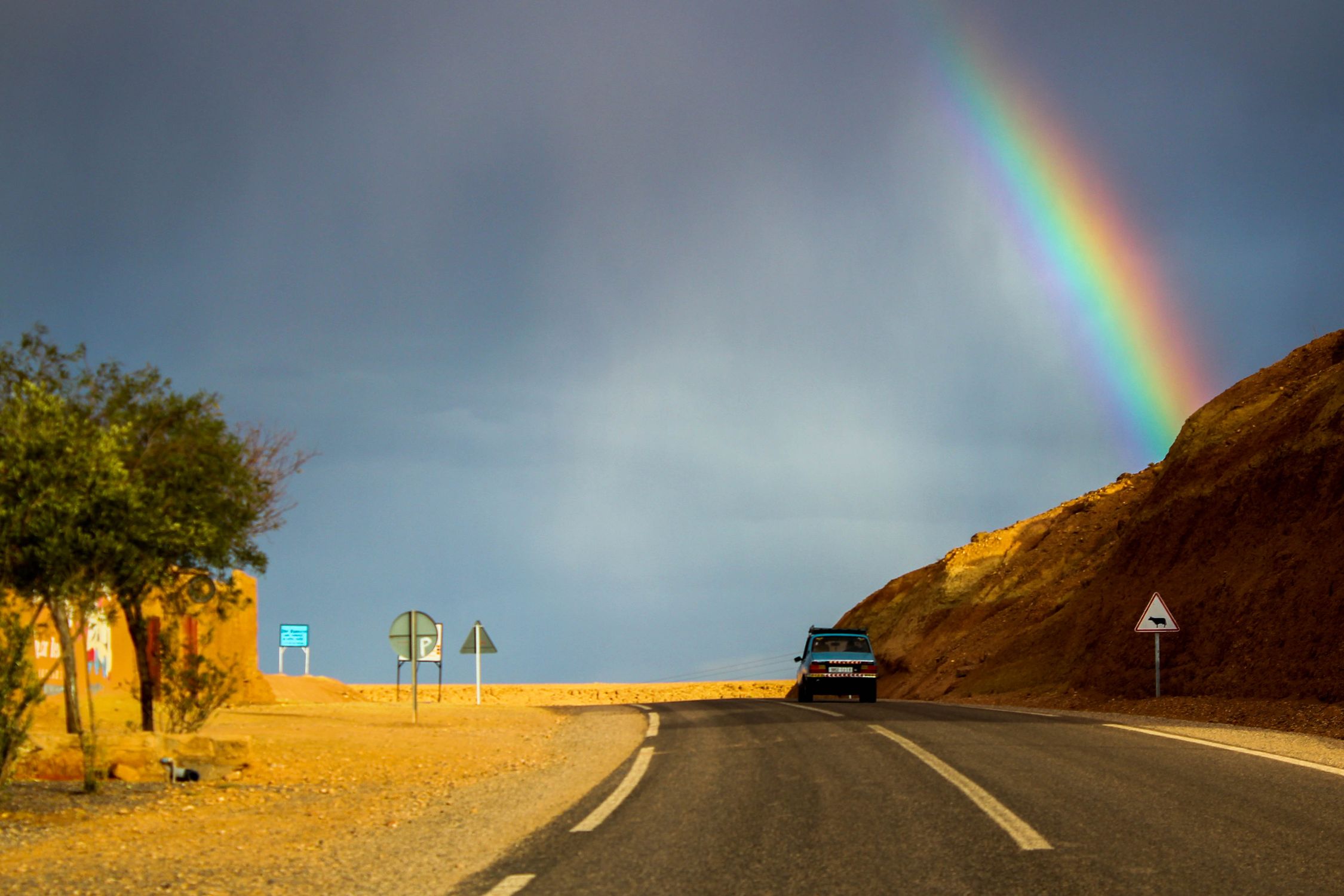
Morocco’s rental market mirrors most global hubs: you’ll find economy hatchbacks, compact sedans, midsize family cars, and rugged SUVs for mountain passes. While we can’t list exact numbers, the general pattern in 2026 is:
- Economy (e.g., a small hatchback) - Ideal for city hopping between Marrakech, Essaouira, and Agadir. Fuel-efficient and easy to park.
- Compact & midsize sedans - Offer a bit more legroom for longer drives, such as the coastal road from Casablanca to Chefchaouen.
- SUVs & 4×4s - Recommended for the Atlas Mountains or desert routes where gravel and sand are common, not unlike the rainbow-lit stretch near Aït Ben Haddou pictured above.
Rates rise with vehicle size and season. High-summer months (June-August) see a modest premium, while shoulder seasons (April-May, September-October) are gentler on the wallet. To compare all options in one place, try the trusted aggregator DiscoverCars. It pulls quotes from local agencies and international chains, letting you filter by price, vehicle type, and pickup location.
Quick cost-checking checklist
- Daily rate - Look for the “total price” inclusive of taxes; some sites hide airport fees until the final step.
- Mileage - Unlimited mileage is common, but double-check if a limit applies for larger SUVs.
- Fuel policy - “Full-to-full” is the most transparent: you pick up a full tank and return it full.
By matching the vehicle to your itinerary, you’ll avoid unnecessary upgrades and keep your budget on track. A small hatchback that’s perfect for Marrakech’s medina streets can feel underpowered and under-cleared the moment you turn onto a desert piste, so be honest with yourself about where you’re actually headed before you book.
It’s also worth thinking about transmission type early, since automatics can be in shorter supply than manuals at smaller agencies—if you’re not confident with a stick shift, request an automatic explicitly when you reserve rather than assuming one will be waiting for you. And don’t underestimate parking: older medina streets were built for donkey carts, not sedans, so a smaller vehicle often saves you more stress than it costs you in comfort.
Insurance Made Simple

Insurance can feel like a maze, but the core pieces are the same across Morocco’s rental firms:
| Coverage | What it does | Typical inclusion |
|---|---|---|
| Collision Damage Waiver (CDW) | Limits your out-of-pocket cost if the car is damaged. | Often offered with a deductible that varies by agency and vehicle class. |
| Theft Protection (TP) | Covers loss if the vehicle is stolen or vandalized. | Usually bundled with CDW. |
| Third-Party Liability | Pays for damage you cause to other people or property. | Mandatory by law; most agencies include a basic level. |
| Personal Accident Insurance (PAI) | Provides medical coverage for occupants. | Optional, useful if you travel without comprehensive health insurance. |
Roads like the Atlas Mountains pass pictured above are stunning to drive but come with tight switchbacks, loose gravel shoulders, and the occasional rockfall debris—exactly the conditions where a stray scrape happens, and exactly why it’s worth confirming your deductible amount before you head for the mountains rather than after. If you already have a credit-card travel insurance that includes rental coverage, you can decline the agency’s duplicate CDW—just bring the card’s policy number to the desk. Always read the fine print: some policies exclude off-road driving, which matters if you plan to explore the Sahara dunes. When in doubt, ask the agent to clarify the deductible amount and whether you need additional “Super CDW” for peace of mind.
Take the insurance conversation seriously even if it eats a few extra minutes at the counter. A solo traveler negotiating a damage claim alone, in a second language, at the end of a long trip, is a much worse position to be in than paying a little more upfront for the zero-excess option. Ask the agent to walk you through exactly what’s covered in plain language before you sign anything.
Moroccan Roads: What to Expect
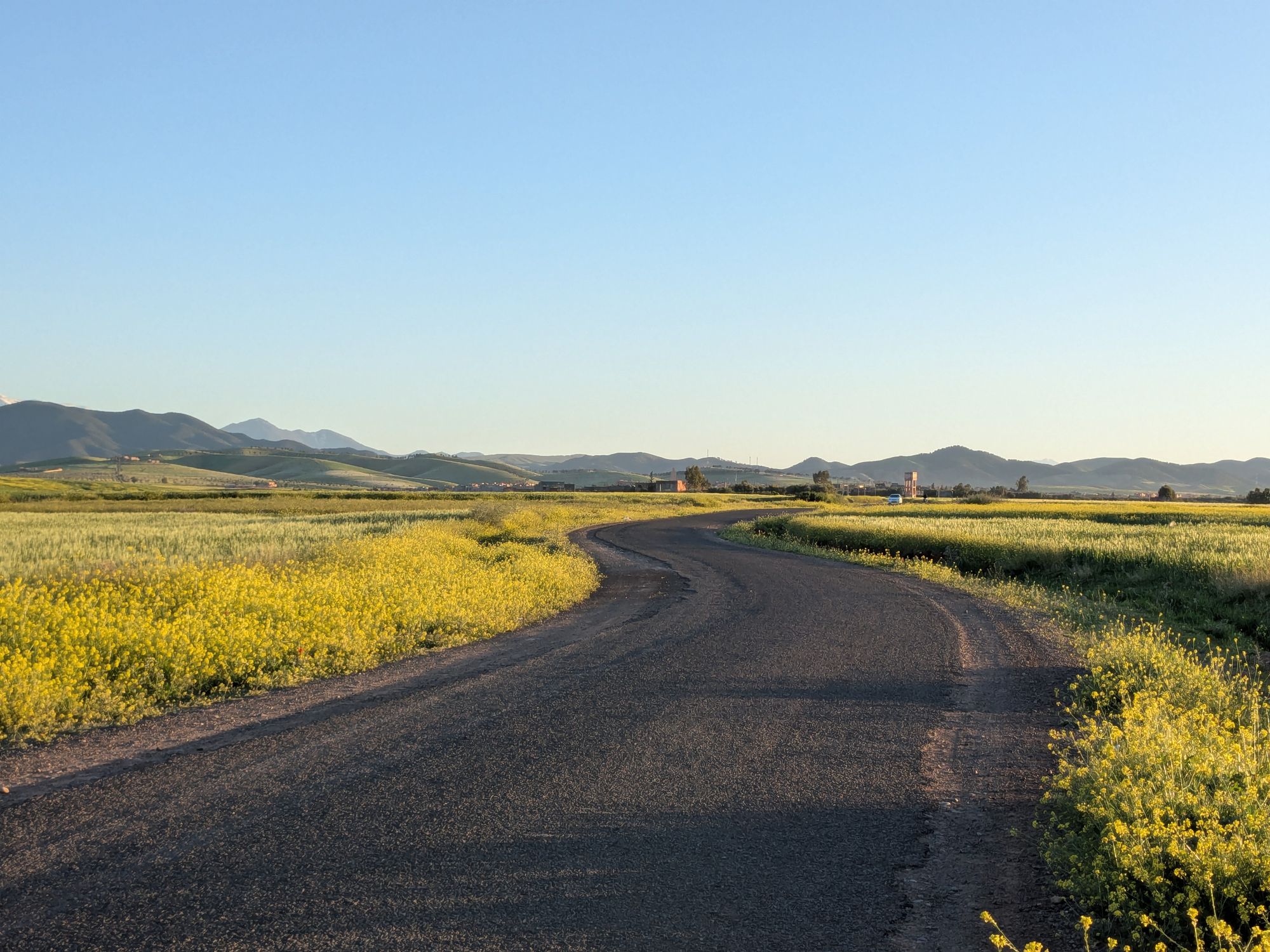
Driving in Morocco is a sensory experience. Here’s a realistic snapshot of the road environment you’ll encounter:
- Signage - Major highways use French and Arabic lettering; rural routes may rely on simple symbols. Keep a basic French phrasebook handy for “turn left/right” and “stop”.
- Speed limits - Expressways carry the highest posted limits, paved secondary roads step down from there, and towns are the slowest of all. Speed cameras are rare outside the big cities, but police checkpoints appear near borders and tourist hotspots, so always drive to the posted sign rather than assuming.
- Fuel stations - They are plentiful along the coastal corridor (Casablanca-Rabat-Tangier) but become sparse in the interior. Fill up whenever you see a station rather than waiting for the tank to run low—gaps between stations can be real once you’re in the Atlas foothills.
- Road surface - Expect a mix: smooth asphalt in cities, cracked concrete on mountain passes, and packed dirt on desert tracks. If you rent an SUV, you’ll feel more confidence on the latter, but a compact car handles the paved network just fine.
- Driving etiquette - Horns are used as greetings, not warnings. Expect occasional lane weaving, especially in bustling medinas where cars, scooters, and pedestrians share space. Stay calm, keep a safe distance, and use your mirrors frequently.
Night driving is generally safe on main roads, but rural lighting can be minimal. If you’re heading into the Atlas at night, consider staying in a well-lit town before the next day’s ascent. Fields like the ones pictured above near Marrakesh are a preview of just how quickly the scenery shifts from city traffic to open countryside—give yourself the extra minute to enjoy it rather than rushing the transition.
Smart Tips for Solo Female Drivers

- Pick a reputable pickup location - Airport counters are convenient, but city offices often have a quieter atmosphere and staff who speak English.
- Inspect the car inside and out - Take photos of any existing scratches or dents, and note them on the rental agreement. This protects you from later disputes.
- Use a GPS or offline maps - Moroccan road names can be confusing. Download offline maps of the regions you’ll visit; they work without cellular data, which matters the moment you’re on a dirt track like the one pictured above with no signal in sight.
- Carry a small emergency kit - A spare tire, basic tools, a flashlight, and a bottle of water go a long way on remote stretches.
- Dress comfortably - Loose, breathable clothing helps you stay cool in the desert heat and makes quick stops at roadside cafés easier.
- Secure your belongings - Keep valuables out of sight, preferably in the trunk or a lockable bag. A simple lockable travel pouch can double as a jewelry organizer (see the “What to Pack” section).
- Trust your intuition - If a parking spot feels unsafe, move on. Moroccan cities have plenty of alternatives, and a short walk is often worth the peace of mind.
Remember, confidence is your best accessory. The more you prepare, the more the road becomes an extension of your adventure, not a source of anxiety.
A few more habits are worth building in before you leave: share your rough route and expected arrival time with someone back home each morning, keep a paper copy of your accommodation addresses in case your phone dies, and always fill the tank a little earlier than you think you need to. None of these take more than a minute, and together they’re the difference between a smooth day and a stressful one.
What to Pack for Your Road Trip
When you’re hopping from the blue streets of Chefchaouen to the red dunes of Merzouga, a tidy travel bag keeps you feeling organized and stress-free. Here are three jewelry organizers that fit neatly into any carry-on or backpack:
- BAGSMART Travel Jewelry Organizer Roll Foldable Jewelry Case - Quilted cotton exterior with five compartments; perfect for everyday pieces and includes a hanging loop for bathroom hooks.
- Vlando Small Travel Jewelry Box Organizer Display Case - Compact faux-leather box with a removable crossing board; ideal for minimalist travelers who need just the essentials.
- Teamoy Double Layer Jewelry Organizer Travel Case - Double-layer design with detachable earring holders; great for medium-sized collections without adding bulk.
Beyond jewelry, consider packing a reusable water bottle, a lightweight scarf for sun protection, and a portable charger for your navigation apps. A small first-aid kit with band-aids, antiseptic wipes, and any personal medication rounds out the essentials. If you’re planning any desert detours, a second phone charging cable stashed in the glovebox is cheap insurance against a dead battery miles from the nearest outlet.
Common Mistakes to Avoid (FAQ)
Q: Can I drive a rental car with only my home-country license? A: Yes, but an International Driving Permit removes any ambiguity and is strongly recommended for solo travelers.
Q: Is it safe to leave the car parked on the street overnight? A: In major cities, secure parking garages are the safest option. In smaller towns, choose well-lit, busy streets and lock the doors; avoid isolated alleys.
Q: Do I need a GPS device, or is my phone enough? A: A phone with offline maps works well, but a dedicated GPS can be a lifesaver where cellular coverage drops, especially in the Atlas or desert regions.
Q: Should I buy extra insurance from the rental desk? A: Only if your credit-card coverage excludes certain scenarios (e.g., off-road driving) or if you’re uncomfortable with the deductible amount. Otherwise, the basic CDW/TP combo is sufficient.
Q: What if I get a flat tire on a remote road? A: Most agencies provide a spare tire and basic tools. Call the agency’s 24-hour roadside assistance number—keep it saved in your phone contacts before you set off.
Q: Should I book my rental before I land, or wait until I arrive? A: Booking ahead through an aggregator like DiscoverCars locks in your rate and guarantees the vehicle class you actually want, which matters more in Morocco than in destinations with denser rental supply—showing up unbooked at a smaller airport can mean a limited, pricier selection.
Avoiding these pitfalls keeps your journey smooth, budget-friendly, and, most importantly, enjoyable.
Related Reading
Get price-drop alerts and new guides from HerTripGuide
One email a week: price drops on the gear we recommend, new guides, and what changed. No spam, unsubscribe anytime.