Renting a Car in Portugal: Solo Female Traveler Guide 2026
Everything solo women need to confidently rent a car in Portugal for 2026: age rules, costs, insurance, tolls, and practical safety tips inside.

This post may contain affiliate links. Disclosure
Traveling alone as a woman can feel like writing your own story, one chapter at a time. Portugal’s coastlines, historic towns, and countryside are best explored at your own pace, and a rental car gives you that freedom without waiting on anyone else’s schedule. In 2026 the process is smoother than ever, but a few details - age limits, insurance terms, and toll technology - still catch first-time renters off guard. This guide walks you through what to bring to the counter, how pricing and insurance actually work, what the roads and tolls are really like, and how to park and drive with confidence, so you can focus on the trip instead of the logistics.
What do you need to rent a car in Portugal as a solo woman? The minimum rental age is 21, or 19 with a €3-10 daily young-driver surcharge, and your licence must have been held one to two years. Non-Roman-alphabet licences need an International Driving Permit. Economy hatchbacks start near €25-35 a day, midsize sedans €45-60 and convertibles €70-90.
Requirements and Documentation

The first step is proving you’re legally allowed to drive a rental car in Portugal. The minimum rental age is 21, though some companies will rent to drivers as young as 19 for an extra young-driver surcharge of 3-10 euros per day. Your driver’s license must have been held for at least 1-2 years, and if it isn’t printed in the Roman alphabet, you’ll also need an International Driving Permit (IDP) - a quick application you can complete online before you fly, so you’re not sorting out paperwork at the rental desk.
A credit card in the primary driver’s name is required for the security deposit. Debit cards are accepted only by some companies and usually come with a higher hold amount, so budget for that if a debit card is your only option. Keep the card you use for the deposit handy: the rental desk places a pre-authorization on it that can sit on your account for several days after you return the car, which is worth knowing if you’re tracking a tight travel budget.
Between the license, the IDP if you need one, and the credit card, most solo travelers can clear the counter in a few minutes rather than getting pulled aside for missing paperwork. These requirements are outlined in detail by Simple Travel Path, a solid reference for Portuguese car-rental rules if you want to double-check anything before you land.
Cost Overview by Vehicle Class
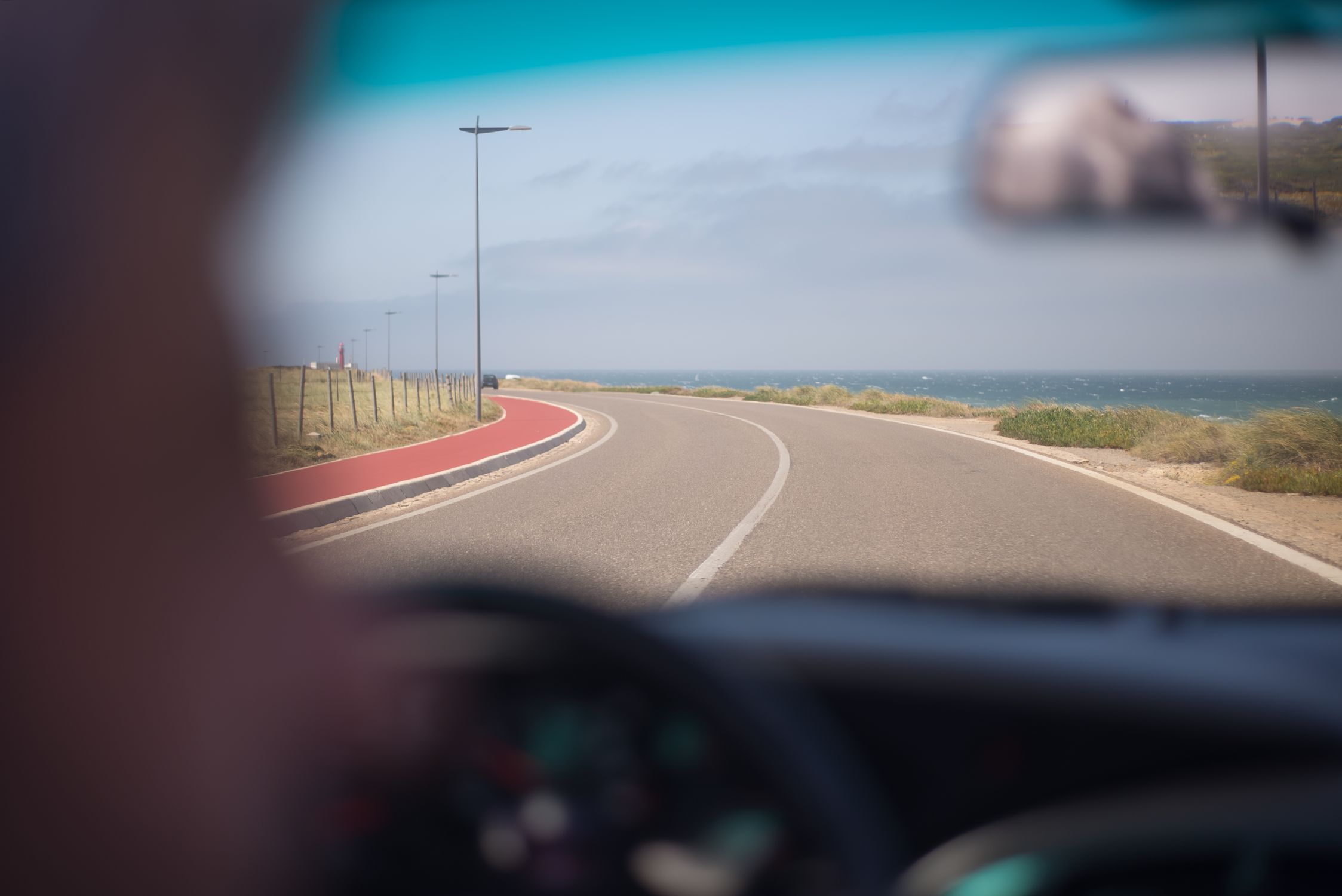
Pricing in Portugal varies by vehicle size, rental length, and the company you choose. Economy hatchbacks - the compact city cruisers - typically start around 25-35 euros per day, while midsize sedans climb to 45-60 euros. If you’re dreaming of a convertible for the Algarve coast, expect 70-90 euros daily, and luxury or SUV options can exceed 120 euros.
All base rates already include the mandatory third-party liability insurance required by EU law, so that piece of the price is non-negotiable and non-optional no matter which company you book with. The young-driver surcharge, if it applies to you, and any optional extras like GPS or a child seat are added on top of the base daily rate, not baked into it, so read the line items on your booking confirmation before you accept.
When you’re building your overall trip budget, remember that the daily rental rate is only one piece of the puzzle. Tolls, fuel, the Via Verde device, and whichever insurance tier you choose all sit on top of that base number, so it’s worth adding a rough estimate for each before you commit to a specific vehicle class.
Rental Companies to Compare
When you’re ready to compare exact numbers, you’ll typically see quotes from a mix of international majors and regional operators:
- International brands - Sixt, Europcar, Hertz, Avis, Budget, and Enterprise
- Regional and local options - Guerin, Green Motion, Drive on Holidays, and Localiza
Comparing across all of them at once, rather than checking each company’s own site one by one, is the fastest way to spot the best deal for your dates and vehicle preference. DiscoverCars aggregates real-time quotes from these providers side by side, so you can shop the whole market from one screen instead of juggling ten browser tabs the night before your trip.
If you’re between 19 and 25, pay special attention to each company’s young-driver policy while you compare: the surcharge of 3-10 euros per day applies across that age range, and not every company rents below 21 at all, so the cheapest headline rate isn’t always the cheapest total for younger drivers.
Insurance Explained in Plain Language
Portuguese rentals come with basic Collision Damage Waiver (CDW) already baked into the price, but it leaves you with a deductible - called an excess - that ranges from 950 to 3,600 euros depending on the car class. Think of the excess as the amount you’d pay out of pocket if the vehicle is damaged: rent an economy car and a scraped bumper might cost you under a thousand euros; rent an SUV and that same scrape could run several times higher.
If you’d rather not carry that risk, you can purchase a Super CDW / Excess Waiver for roughly 7-15 euros per day; it reduces the excess to zero, which for many solo travelers is worth the daily cost just for the peace of mind. Theft Protection is often included, but some companies charge 3-8 euros per day as an add-on if it isn’t. For an extra layer of personal coverage, Personal Accident Insurance is optional at 5-8 euros per day.
These coverage tiers, and which ones are actually worth paying for as a solo traveler versus which ones duplicate coverage you may already have through a credit card or travel insurance policy, are broken down by International Drivers Association.
A simple way to decide: if the base excess amount would be a genuine financial strain if you had to pay it out of pocket tomorrow, the Super CDW is worth the daily fee. If you’re already covered by a travel insurance policy or a premium credit card that includes rental car protection, check the fine print before paying twice for the same coverage.
Road Realities: Tolls, Fuel, and Parking

Portugal’s highways are modern and well-maintained, but most major A-roads are tolled, including the A1 connecting Lisbon and Porto and the A2 running toward the Algarve. Those two are just the headline routes: the toll network covers dozens of motorways - the A22, A23, A24, A25, and A28 among them - so the safest assumption is that any A-road you merge onto is charging you. The easiest way to pay is with a Via Verde electronic toll device. You can order a Via Verde Visitor unit online before you land and get a small discount plus the convenience of cashless tolls, rather than hunting for coins at a booth with a line of cars behind you. The device itself costs 1.85-2.23 euros per day plus the actual toll amounts you incur.
Fuel stations are plentiful on the motorways, with both diesel and gasoline widely available, so you won’t need to plan refueling stops carefully the way you might in more remote countries.
When you arrive in city centers like Lisbon or Porto, expect paid parking. Public garages are the safest bet for solo women: they’re well-lit, often monitored, and give you a clear exit route back to your car after dark. In Lisbon’s historic centre especially, avoid narrow street parking during rush hour (7-9 am, 5-7 pm) to sidestep fines, tight cobblestone turns, and unnecessary traffic stress.
Practical Tips for a Smooth Solo Experience

- Airport pick-up. Collect your car at the airport and use the rental company’s shuttle to the rental desk. This avoids city traffic and lets you start your journey fresh instead of navigating an unfamiliar city center on zero sleep. Most Portuguese airports have 24-hour service desks, so a late or delayed arrival isn’t a problem.
- Pre-book the Via Verde Visitor. Ordering it ahead of time saves a little money on the daily rate and eliminates the need to stop at a toll booth with cash, which matters more than it sounds like the first time you’re merging onto an unfamiliar motorway.
- Know the rush-hour rules. In Lisbon’s historic centre, the narrow streets become a maze during peak times. Plan your museum visits or cafe stops for mid-morning or early afternoon, then park in a public garage before you head back out for the evening.
- Carry a small emergency kit. Basic first-aid supplies and a portable charger keep you prepared for the unexpected without adding real weight to your luggage.
- Use GPS sparingly. Portugal’s road signs are clear, and a good offline map app saves data and battery for when you actually need turn-by-turn directions in an unfamiliar town.
- Stay connected. A local SIM card, available at the airport, gives you affordable data for navigation and emergency calls for the length of your trip.
Following these six steps lets you focus on the joy of the drive rather than the logistics of getting there.
What to Pack: Jewelry & Essentials
Keeping your accessories organized while on the road makes daily dressing a breeze, especially if you’re moving between a beach town one day and a historic city center the next. Here are three vetted organizers that fit neatly in a carry-on or backpack:
- BAGSMART Travel Jewelry Organizer Roll Foldable Jewelry Case - Quilted cotton exterior with five compartments, perfect for everyday pieces, and it includes a hang-up loop for hotel bathroom hooks.
- Vlando Small Travel Jewelry Box Organizer Display Case - Compact faux-leather box with a removable crossing board, ideal for minimalist travelers who need just the basics.
- Teamoy Double Layer Jewelry Organizer Travel Case - Double-layer design with detachable earring holders, great for medium-to-large collections without adding bulk to your bag.
Pair whichever organizer fits your packing style with a lightweight rain jacket, a reusable water bottle, and a power bank, and you’ll be ready for anything from coastal cliffs to mountain villages without overpacking.
Mistakes to Avoid (FAQ)
Q: Can I use my debit card instead of a credit card? A: Only a few companies accept debit cards, and they usually require a higher deposit. To keep things simple, bring a credit card in your own name.
Q: Do I need to buy extra insurance if the basic CDW is included? A: The basic CDW leaves a deductible of up to 3,600 euros. If that amount feels uncomfortable to carry as personal risk, add the Super CDW for 7-15 euros per day to reduce the excess to zero.
Q: Is it okay to pay tolls with cash at the booths? A: Most Portuguese toll roads are set up for electronic payment via Via Verde rather than cash booths. Having a visitor device before you arrive prevents surprise cash-only stops on the motorway.
Q: Should I park on the street to save money? A: Street parking in historic centres can be risky: limited lighting, narrow lanes, and frequent fines. Public garages may cost a bit more but offer real security and peace of mind, especially at night.
Q: Do I need an International Driving Permit if my licence is in English? A: No. An IDP is only required for licences that don’t use the Roman alphabet, according to Simple Travel Path.
Q: Can I rent a car if I’m under 21? A: Some companies will rent to drivers as young as 19, but expect a young-driver surcharge of about 3-10 euros per day on top of the standard rate, so budget it into your trip if you’re in that age range.
Q: Is fuel in Portugal diesel or gasoline? A: Both are widely available at motorway fuel stations, so check your rental agreement for which one your specific vehicle takes before your first fill-up.
Avoiding these common pitfalls keeps your solo adventure smooth and stress-free.
Related Reading
Get price-drop alerts and new guides from HerTripGuide
One email a week: price drops on the gear we recommend, new guides, and what changed. No spam, unsubscribe anytime.