Renting a Car in Scotland: Solo Female Traveler Guide 2026
A practical 2026 guide for solo women renting a car in Scotland: real price bands, insurance basics, single-track road rules, safety hacks, and packing tips.

This post may contain affiliate links. Disclosure
Scotland’s dramatic lochs, mist-kissed highlands, and charming villages are even more rewarding when you can explore them at your own pace. As a solo woman traveler, renting a car gives you the freedom to chase sunrise over Glencoe, pop into a hidden whisky distillery, or simply avoid the rush of crowded buses. Yet the logistics - what to book, how much to expect, and how to stay safe on narrow country lanes - can feel overwhelming. This guide walks you through every step, from paperwork to packing, with the practical, sister-to-sister tone you deserve. By the end you’ll know exactly how to secure a reliable ride, obey Scottish road etiquette, and keep your valuables tidy, all while staying comfortably within a 2026 budget.
What do you need to rent a car in Scotland as a solo woman? Scotland follows UK rules: bring a valid home-country licence (with an International Driving Permit if it is not in English), a passport, and a credit card in the primary driver’s name. Kayak puts a small economy car near $19 a day and an intermediate around $30.
Getting Started: Requirements & Documentation

Before you even think about which car to click, make sure you have the right paperwork in hand. Scotland follows the United Kingdom’s driving rules, so you’ll need:
- A valid driver’s licence from your home country. If it’s not in English, carry an International Driving Permit (IDP) alongside the original.
- A credit card in the primary driver’s name for the security deposit.
- A passport for identity verification at the rental desk.
All passengers, including yourself, must wear seatbelts, and children under 12 need appropriate child restraints, a rule highlighted by Kayak. There are no age-specific bans, but most companies set a minimum driver age of 21 and may charge a young-driver surcharge for those under 25. Double-check each agency’s policy before you book, since the surcharge amount and cutoff age both vary company to company.
Keep your licence, passport, and deposit card together in one folder before you reach the desk. A missing document is the single most common reason a reservation gets delayed at pickup, and it’s entirely avoidable with five minutes of prep the night before. If you’re arriving on an overnight flight, print your documents rather than relying solely on a phone screen, since a dead battery at the counter is a frustrating way to start a road trip.
How Much Will It Cost? Price Bands & Budget Picks
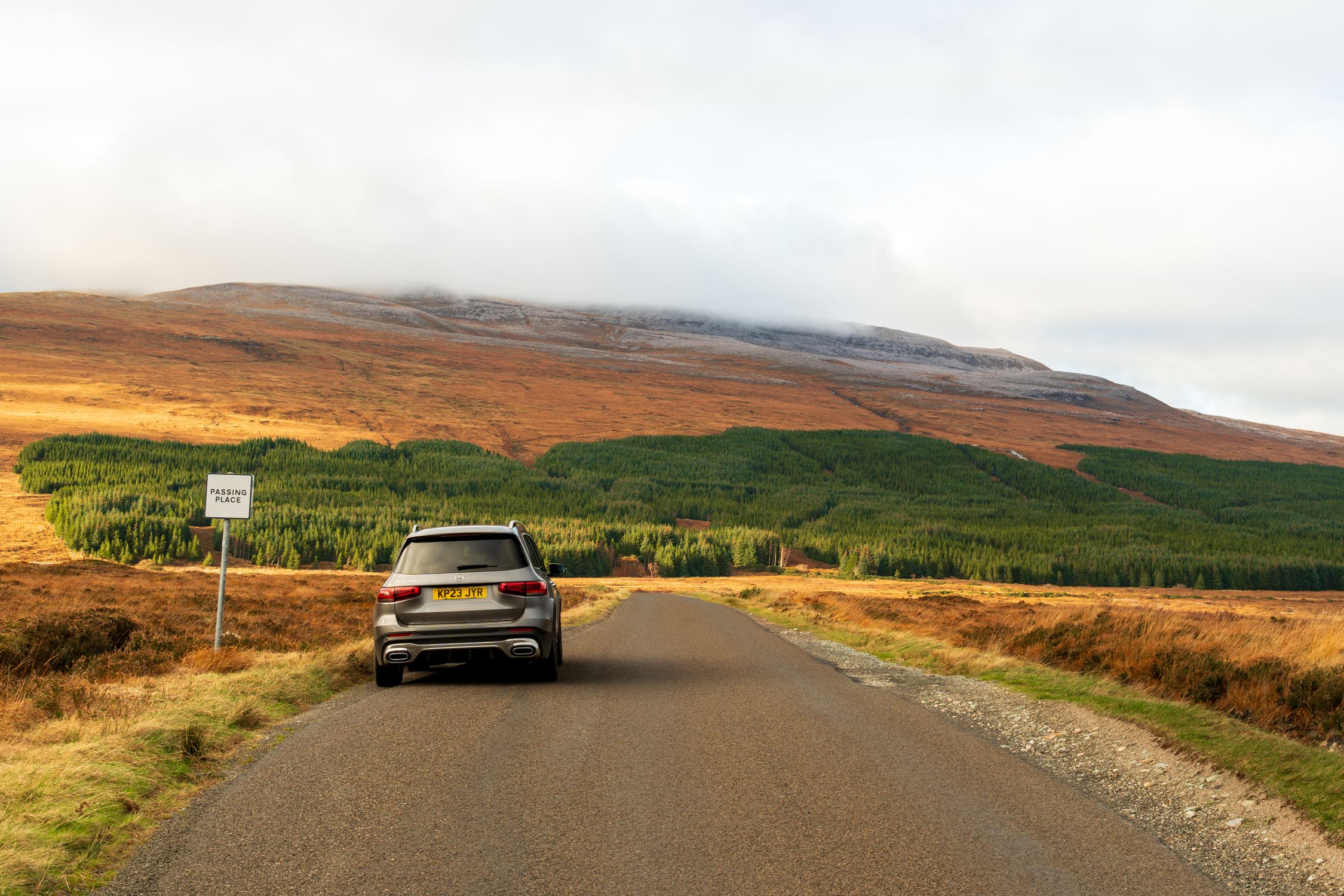
Understanding the price spectrum helps you avoid surprise fees. According to Kayak, the average daily rate for a small (economy) car sits around $19/day, while a medium (intermediate) vehicle averages $30/day. The cheapest month to rent is January, with an average of $24/day for a small car.
Here’s a quick snapshot of the standard price bands you’ll see across the major brands:
| Class | Daily Range (USD) |
|---|---|
| Economy | $19-21 |
| Compact | $23-25 |
| Intermediate | $30-33 |
| SUV | $27-71 |
| Luxury | $40-85 |
| Van | $55-99 |
If you’re watching every pound, the budget-friendly operators Green Motion ($5.41/day), Drivalia ($9.87/day), and Europcar ($12.98/day) consistently rank as the cheapest, according to Kayak’s recent data. Avis remains the most widespread, with 13 locations across Scotland, making pick-up and drop-off convenient in both Edinburgh and Glasgow.
Rental Companies to Compare
Scotland’s market includes both international majors and smaller budget operators, so it’s worth knowing the landscape before you book:
- Hertz, Sixt, Alamo, Thrifty, National, Budget, and Europcar - the familiar global names, with broad coverage at airports and city centres and consistent booking policies if you already have a loyalty account with one of them. If you’d rather not learn a new brand’s app or paperwork mid-trip, sticking with a name you already know is a perfectly reasonable trade-off for a small premium.
- Avis - the single most widespread brand in the country, with 13 locations, which makes one-way rentals between Edinburgh and Glasgow easier to arrange if your itinerary starts in one city and ends in another.
- Green Motion, Drivalia, and Europcar - the three cheapest operators in recent pricing data, at $5.41, $9.87, and $12.98 per day respectively, worth checking first if budget is your priority. Smaller operators may have fewer pick-up points outside the main cities, so confirm their nearest office lines up with your arrival point before you book on price alone.
Whichever brand you land on, compare the total cost of the rental period rather than just the daily headline rate. A cheaper operator with a distant pick-up point can cost you a taxi fare that erases the savings, especially if you’re arriving late or with heavy luggage.
When you’re ready to compare real-time offers, head to DiscoverCars - it aggregates rates from all the companies listed above, letting you lock in the best deal with a single click rather than checking each brand’s site separately.
Insurance Made Simple

Insurance can feel like a maze, but you only need three core coverages to feel protected:
- Collision Damage Waiver (CDW) - covers damage to the rental car. Many agencies include a basic CDW; you can purchase a lower-excess option for extra peace of mind.
- Theft Protection - guards against loss if the vehicle is stolen. Again, a basic level is usually bundled; consider upgrading if you’ll be parking in remote areas overnight.
- Personal Accident Insurance (PAI) - optional, but useful if you want coverage for medical expenses and passenger injuries.
Before you add anything, check whether your personal car insurance or credit card already extends coverage to rentals abroad. If you’re covered, you can often decline the agency’s duplicate policies and save a few dollars per day. Always read the fine print: some policies exclude off-road use, which matters if you plan to venture onto the famous single-track routes in the Highlands or islands.
It’s worth calling your card issuer before you travel rather than assuming the benefit applies. Ask whether it covers rentals in the UK specifically, whether you must decline the rental company’s own CDW for the card benefit to stay valid, and whether there’s a separate deductible on the card’s side. Confirming this at home is far less stressful than discovering a gap in coverage after a scrape on a single-track bridge.
Scottish Roads: What to Expect
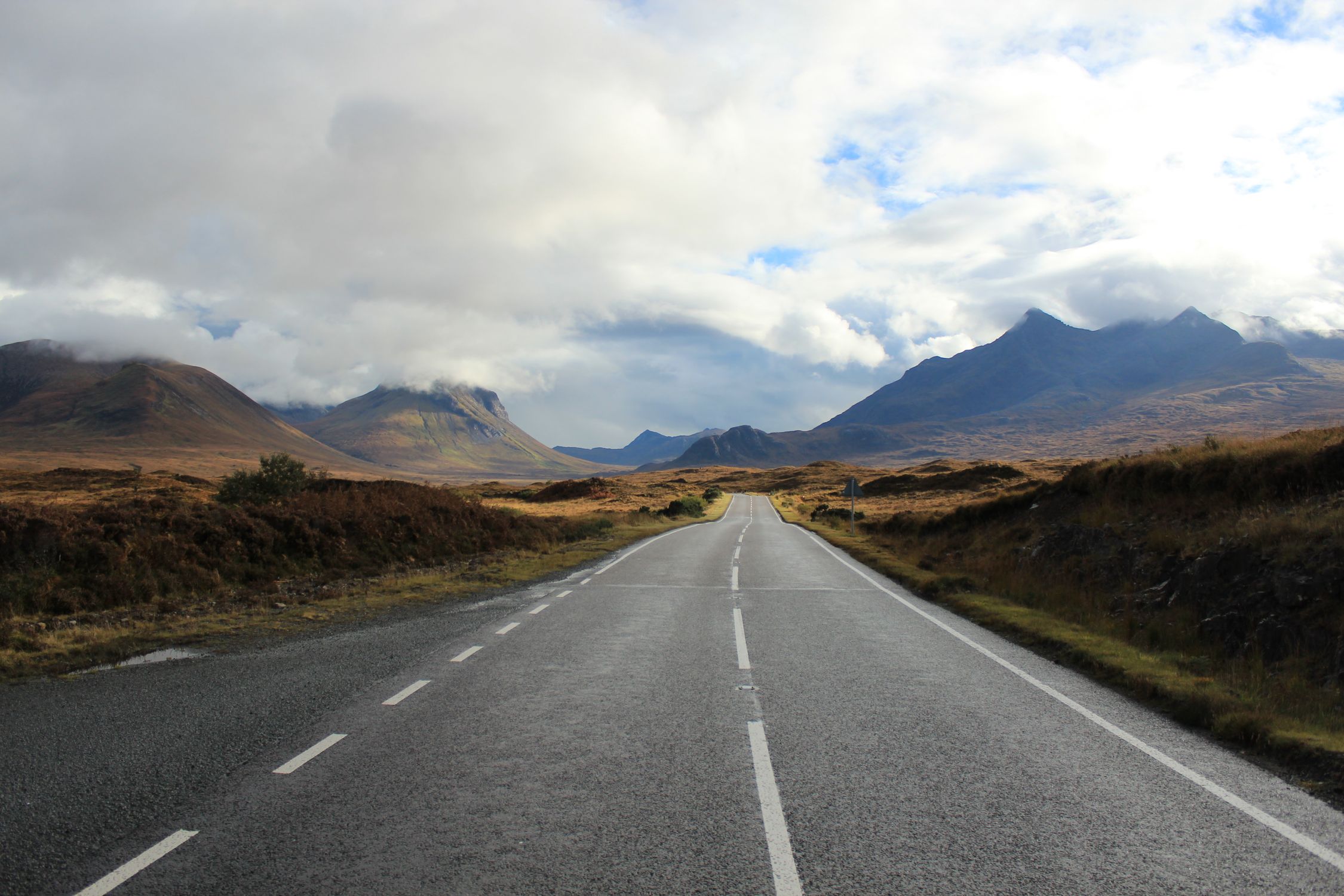
Driving in Scotland is a blend of modern motorways and ancient, narrow lanes that test even seasoned motorists. Speed limits follow UK standards: 48 km/h (30 mph) in urban areas, 97 km/h (60 mph) on single-carriageways, and 113 km/h (70 mph) on motorways, all according to Kayak.
Rural routes often narrow to a single track with passing places. The etiquette is simple but crucial: give way to uphill traffic and use the marked passing places to let oncoming vehicles pull aside. Many bridges are only wide enough for one car, so patience and a calm approach are your best tools.
Good news: Scotland has no toll roads, a policy confirmed by both Transport Scotland and the UK government’s official toll-roads page, so you won’t encounter unexpected toll fees on your journey. For live traffic updates, especially during winter storms, the Traffic Scotland website offers real-time alerts and road-closure notices.
That said, the absence of tolls doesn’t mean the absence of surprises. Weather can close a Highland pass with little warning in winter, and a single-track road that felt easy in daylight can feel very different once the light fades. Checking Traffic Scotland before you set off each morning, rather than only when you sense trouble, keeps you ahead of closures instead of reacting to them.
Practical Tips for Solo Women

- Book early. Securing your reservation at least 7 days in advance locks in lower rates; the average in January drops to $24/day (Kayak).
- Choose a compact car. Narrow Highland lanes and tight city parking spots are far easier to navigate in a small vehicle. Plus, a compact fits comfortably in most hotel garages.
- Keep a copy of your rental agreement in both digital and printed form. If you ever need assistance, the local office’s phone number is your lifeline.
- Stay visible at night. Scottish evenings can get dark early, especially in the winter months. Keep your interior lights on low and consider a small, portable LED lantern for roadside stops.
- Park in well-lit, busy areas when you’re staying overnight. Most city centre streets have CCTV, and a bright headlamp can deter any unwanted attention.
- Use a GPS or offline maps (e.g., Maps.me) because mobile signal can fade in remote glens. Download the map before you set off.
- Fuel up early. Rural petrol stations may be spaced far apart; a full tank before heading into the Highlands prevents anxiety.
For a quick comparison of agencies in Edinburgh, the CarRentals.co.uk page lists all the major brands and their nearest pick-up points, making it easy to choose a location that’s close to your accommodation.
What to Pack
When you’re on the road, a tidy bag means less stress at every stop. Here are three jewelry organizers that keep your accessories safe and untangled, perfect for the solo traveler who loves a touch of sparkle on the go.
- BAGSMART Travel Jewelry Organizer Roll Foldable Jewelry Case ($17.99) - A quilted-cotton roll with five dedicated compartments, a snap-plus-ribbon closure, and a handy hang-loop for bathroom hooks. Ideal for everyday pieces, though it won’t fit very large statement necklaces and the snap can loosen with heavy use over time.
- Vlando Small Travel Jewelry Box Organizer Display Case ($10.99) - A compact faux-leather box with a removable crossing board and elastic pocket, under $12 with generous storage for the price. Great for minimalist packing, though it’s limited to smaller collections and the faux-leather shell is less durable than premium options.
- Teamoy Double Layer Jewelry Organizer Travel Case ($22.99) - A two-layer polyester case with detachable earring holders for nine pairs and elastic pouches for bracelets or watches. Offers generous storage for medium-to-large collections, though it’s a bit bulkier for ultralight travelers and lacks a hanging hook of its own.
Pick the one that matches your packing style, tuck it into your carry-on, and you’ll never have to worry about tangled necklaces on the drive between distilleries.
FAQ & Common Mistakes to Avoid
Q: Do I need an International Driving Permit if I have a US licence? A: Yes, the UK requires an IDP alongside a non-English licence. It’s a quick online purchase and saves you from a potential rental denial at the desk.
Q: Are there hidden toll fees anywhere in Scotland? A: No. Scotland has no toll roads, as confirmed by Transport Scotland and the UK government’s toll-roads page, and the UK’s internal borders are free of additional charges.
Q: Can I drive a rental on the single-track roads? A: Absolutely, but choose a compact car for better maneuverability and be prepared to use passing places. Avoid oversized SUVs unless you’re comfortable with the extra width on narrow bridges.
Mistake #1 - Skipping the insurance read-through. Many travelers decline the CDW assuming their credit card covers it, only to discover exclusions for off-road use. Double-check the policy language before you sign, not after an incident.
Mistake #2 - Forgetting to refuel before returning. Most companies operate a full-to-full policy; returning empty can incur steep refuelling charges. Fill up at a reputable station and keep the receipt in case of a dispute.
Mistake #3 - Ignoring local speed limits. Urban limits drop to 48 km/h, and rural single-carriageways sit at 97 km/h. Speed-limit reminders on your GPS help you stay compliant and avoid fines, especially since limits change abruptly at village boundaries.
None of this is meant to make driving in Scotland sound intimidating. The roads are well-signed, the etiquette is simple once you’ve practiced it for a day, and most solo travelers find the single-track sections one of the most memorable parts of the trip rather than a source of stress.
Related Reading
Get price-drop alerts and new guides from HerTripGuide
One email a week: price drops on the gear we recommend, new guides, and what changed. No spam, unsubscribe anytime.