Solo Female Cycling Tours in Europe: 12 Best Routes
Discover the best solo female cycling tour routes in Europe for 2026. From the Loire Valley to hidden Alpine gems, plan your two-wheeled adventure safely.
This post may contain affiliate links. Disclosure
Updated for 2026 — Accurate as of March 2026.
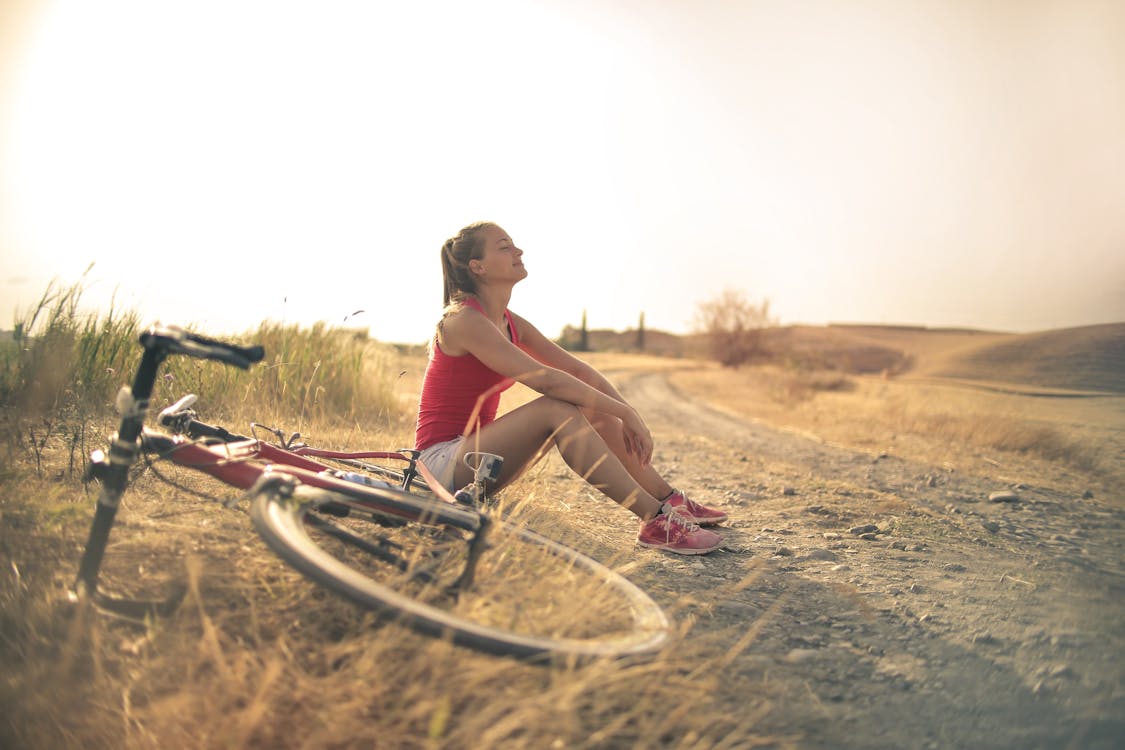
There is something deeply liberating about traveling through Europe on a bicycle. No train schedules to chase, no rental car GPS arguments, no crowded tour buses. Just you, two wheels, and a road that unfolds at exactly the right speed to notice the lavender fields, the medieval church towers, and the bakeries that smell like heaven at six in the morning.
What are the best cycling routes in Europe for solo women? Twelve routes are covered, opening with France’s Loire Valley, the Danube Cycle Path from Austria to Hungary, Austria’s Carinthian Lake Loop, the Netherlands’ Waterline Route, Switzerland’s Aare Cycle Route and Portugal’s Algarve coast. The guide adds gear, safety, budget, timing and how to plan a first tour.
Solo female cycling in Europe has surged in popularity, and for good reason. The continent boasts some of the world’s best cycling infrastructure, with dedicated paths that keep you safely separated from traffic, well-marked routes through stunning landscapes, and a cycling culture that welcomes riders of every experience level. According to the European Cyclists’ Federation, over 90,000 kilometers of EuroVelo routes now connect 42 countries, making it easier than ever to plan a multi-day cycling adventure without worrying about dangerous roads or confusing navigation.
Whether you are a seasoned cyclist who wants to tackle Alpine passes or a casual rider looking for flat canal paths through tulip fields, this guide covers the twelve best cycling routes in Europe for solo women — plus essential safety tips, gear recommendations, and practical planning advice.
Why Cycling Is Perfect for Solo Female Travel
Cycling occupies a sweet spot between the vulnerability of walking and the isolation of driving. You move fast enough to cover meaningful distances each day, but slowly enough to absorb every detail of the landscape. You stop whenever you want. You change your route on a whim. And because cycling attracts a friendly, health-conscious community, you will meet fellow riders at every rest stop, campsite, and village café along the way.
For women traveling alone, cycling offers specific advantages. You are always mobile, which means you can leave any situation quickly. You carry your own gear, so you are not dependent on taxis or public transport. And the cycling community in Europe tends to be welcoming, safety-conscious, and eager to help fellow riders with route advice, spare parts, and recommendations for the best places to eat and sleep.
If you are new to solo travel, check out our first solo international trip guide for foundational planning advice that applies to any style of travel.
The 12 Best Solo Female Cycling Routes in Europe
1. The Loire Valley, France
Distance: 800 km (full route) or 200 km (Tours to Angers section) Difficulty: Easy to moderate Best months: May through September
The Loire à Vélo route follows the longest river in France through a UNESCO World Heritage landscape of châteaux, vineyards, and medieval towns. The path is almost entirely flat, well-paved, and separated from car traffic — making it ideal for solo women who want a relaxed, scenic ride without navigating busy roads.
Start in Tours, a university city with excellent train connections to Paris, and ride west toward Angers. Along the way, you will pass the fairy-tale Château de Villandry, the magnificent Château d’Azay-le-Rideau, and dozens of smaller castles tucked into the riverside hills. The route is dotted with “Loire à Vélo” certified accommodations — guesthouses, hotels, and campsites that cater specifically to cyclists with secure bike storage, repair tools, and early breakfasts.
2. The Danube Cycle Path, Austria to Hungary
Distance: 320 km (Passau to Vienna) or 500+ km (extended to Budapest) Difficulty: Easy Best months: April through October
The Danube Cycle Path is widely considered the most beginner-friendly long-distance cycling route in Europe. The Passau-to-Vienna section follows the river downstream through the Wachau Valley, a wine region of terraced vineyards and apricot orchards that feels like cycling through a painting. The path is flat, paved, and superbly signposted.
Solo women riders will appreciate the density of towns along this route — you are never more than fifteen kilometers from a village with accommodation, food, and supplies. Many riders extend the journey to Budapest, adding spectacular Hungarian scenery and one of Europe’s most vibrant capital cities to the itinerary.
3. The Carinthian Lake Loop, Austria
Distance: 400 km Difficulty: Moderate Best months: June through September
This hidden gem connects the scenic lakes of southern Austria through routes largely separated from car traffic. The Carinthian Lake Loop links Lake Wörthersee, Lake Millstättersee, and Lake Ossiacher See through Alpine valleys and pine forests. Water temperatures reach swimming-perfect levels in summer, so you can cool off with a lake dip after a morning of riding.
The route suits cyclists with moderate fitness — there are some climbs between valleys, but nothing that requires advanced cycling experience. Accommodation ranges from lakeside campsites to charming Austrian guesthouses where the breakfast spreads are legendary.
4. The Waterline Route, Netherlands
Distance: 200 km Difficulty: Easy Best months: April through October
Running from Amsterdam through Utrecht to Breda, this route links cities with countryside while passing historic forts and the remains of the Dutch Water Line — a defensive network that used controlled flooding to protect against invasion. The Netherlands is cycling paradise: flat terrain, dedicated cycle paths on every road, and a culture where bicycles outnumber people.
For first-time solo cycling tourists, this route is essentially a gentle introduction. Navigation is foolproof, accommodations are plentiful, and the distances between stops are short enough that you can take a leisurely pace without worrying about running out of daylight.
5. The Aare Cycle Route, Switzerland
Distance: 310 km Difficulty: Moderate to challenging Best months: June through September
Following the Aare River from its source in the high Alps to the Rhine, this route traverses some of Switzerland’s most dramatic landscapes. You will ride through glacier-carved valleys, past turquoise Alpine lakes, and through charming cities like Bern, Thun, and Solothurn.
The upper sections involve some climbing, but the overall direction is downhill as you follow the river from mountains to lowlands. Switzerland’s cycling infrastructure is excellent, with well-marked national routes and frequent train stations where you can hop on a bike-friendly train if your legs need a rest.
6. The Algarve Coast, Portugal
Distance: 200 km Difficulty: Moderate Best months: March through May, September through November
The Ecovia do Litoral follows the southern Portuguese coast through dramatic cliff landscapes, fishing villages, and some of Europe’s most beautiful beaches. Portugal ranks consistently among the safest countries for solo female travelers, and the Algarve’s warm climate makes it perfect for shoulder-season cycling when the rest of Europe is too cold or too crowded.
The route has some hilly sections, particularly around the cliff tops, but the coastal scenery rewards every climb. Accommodation is affordable compared to northern Europe, and the Portuguese food scene — fresh seafood, pastéis de nata, and local wine — makes every rest stop a culinary experience.
7. The Vía Verde de la Sierra, Spain
Distance: 36 km (one way) Difficulty: Easy Best months: March through June, September through November
Spain has converted hundreds of abandoned railway lines into “Vías Verdes” — greenways that are flat, car-free, and perfect for cycling. The Vía Verde de la Sierra in Andalusia is the most spectacular, running through limestone gorges, over viaducts, and through tunnels carved into mountainsides.
At only 36 kilometers one way, this is an ideal day ride or gentle two-day trip. Combine it with time in the nearby white villages of Olvera and Zahara de la Sierra for a week of cycling and cultural exploration in one of Spain’s most beautiful regions.
8. The Baltic Coast, Germany
Distance: 650 km (Lübeck to Usedom) Difficulty: Easy to moderate Best months: May through September
Germany’s Baltic coast offers flat, wind-swept cycling through a landscape of white sand beaches, red-brick Hanseatic towns, and gentle pastoral countryside. The Ostseeküstenradweg follows the coastline from Lübeck to the Polish border, passing through resort towns like Warnemünde and Binz, the island of Rügen with its dramatic chalk cliffs, and the artist colony of Ahrenshoop.
The infrastructure is typically German — impeccable signposting, well-maintained paths, and accommodation that ranges from beachside campsites to elegant seaside hotels. Solo women will appreciate the general safety of northern Germany and the friendliness of the coastal communities.
9. The Wild Atlantic Way, Ireland
Distance: Variable (full route is 2,500 km, but shorter sections work perfectly) Difficulty: Moderate to challenging Best months: May through September
Ireland’s Wild Atlantic Way is one of the world’s most dramatic coastal roads, and cycling even a portion of it delivers unforgettable scenery. The section from Galway south to the Cliffs of Moher and the Dingle Peninsula is particularly spectacular, with ocean views, rugged cliffs, and the warmest hospitality you will find anywhere.
Be prepared for hills, wind, and rain — this is Ireland, after all. But the reward is a landscape that feels ancient and wild, pubs where strangers become friends over a pint, and a sense of accomplishment that comes from cycling in challenging conditions.
10. The Tuscany Hills, Italy
Distance: Variable (200-400 km depending on route) Difficulty: Moderate to challenging Best months: April through June, September through October
Cycling through Tuscany is a bucket-list experience — rolling hills topped with cypress trees, medieval hill towns, and some of the best food and wine on the planet. The classic route connects Florence, Siena, and the Val d’Orcia, passing through landscapes that have barely changed since the Renaissance.
The hills are real — Tuscany is not flat — but the climbs are rewarded with views that make you stop and stare. Plan your daily distances conservatively and build in time for long lunches, because rushing through Tuscany defeats the entire purpose of being there.
11. The Rallarvegen, Norway
Distance: 82 km Difficulty: Moderate Best months: July through August
The Rallarvegen follows the construction road of the Bergen Railway from Haugastøl to Flåm, descending from a high mountain plateau through a series of spectacular waterfalls and into the world-famous Flåm valley. This is one of Norway’s most iconic cycling experiences — a short but unforgettable route through some of Europe’s most dramatic scenery.
The riding season is short (the road is covered in snow most of the year), but the midnight sun of July means you have nearly unlimited daylight for riding. The route is well-maintained and suitable for mountain bikes or sturdy touring bikes.
12. The EuroVelo 15, Rhine Cycle Route
Distance: 1,233 km (full route, Switzerland to Netherlands) Difficulty: Easy to moderate Best months: April through October
Following the Rhine from its Alpine source to the North Sea, EuroVelo 15 passes through Switzerland, Germany, France, and the Netherlands. You can ride the entire route or pick sections — the stretch through the Rhine Gorge in Germany, with its castle-topped cliffs and vineyard-covered hillsides, is particularly stunning.
This is an excellent route for first-time cycle tourists because the infrastructure is outstanding, the path is well-signposted in multiple languages, and the density of towns along the river means you always have options for food, accommodation, and emergency supplies.
Essential Gear for Solo Female Cycling in Europe
Packing for a cycling tour requires balancing weight against preparedness. Here is what I recommend for solo women:
Bike and accessories: A reliable touring bike or e-bike with panniers, a good lock, basic repair kit (spare tube, tire levers, mini pump, multi-tool), front and rear lights, and a bell. Many routes have bike rental services if you do not want to bring your own.
Safety items: A personal alarm, basic first aid kit, phone with offline maps downloaded, and a portable battery pack. For more safety gear ideas, see our personal safety devices guide.
Clothing: Padded cycling shorts, moisture-wicking layers, a rain jacket, and one set of non-cycling clothes for evening wear. Our carry-on packing system has excellent tips for minimalist packing that applies to cycling panniers too.
Navigation: Download offline maps for your entire route. Komoot and Ride with GPS are excellent cycling-specific navigation apps that work offline. An eSIM card ensures you have connectivity throughout your trip — check our guide to the best travel eSIM cards for recommendations.
Safety Tips for Solo Female Cyclists
Solo cycling is generally very safe in Europe, but smart precautions make it even safer:
Share your route. Send your daily planned route to a friend or family member. Many cycling apps let you share live location tracking. Check our solo female travel safety apps guide for the best location-sharing tools.
Trust your instincts. If a campsite, accommodation, or stretch of road feels wrong, move on. You have wheels — use them.
Carry enough water and snacks. Some rural stretches in southern Europe can go twenty or more kilometers between villages. Always start each riding day with full water bottles and emergency snacks.
Plan your stops before dark. Arrive at your accommodation with at least an hour of daylight to spare. Cycling unfamiliar roads in the dark is dangerous regardless of gender.
Connect with other cyclists. Warmshowers.org is a hospitality network specifically for touring cyclists — locals open their homes to traveling riders for free. The community is welcoming and well-established across Europe.
Planning Your Budget
A solo cycling tour in Europe can be remarkably affordable. Accommodation costs range from free (wild camping where legal, or Warmshowers hosts) to moderate (guesthouses and small hotels averaging forty to eighty euros per night in Western Europe, less in Eastern Europe). Food costs stay low because you can shop at local markets and cook at campsites.
The biggest expense is usually getting to your starting point and shipping or renting a bike. Budget airlines in Europe often charge for bike transport, so research this before booking. For more budget-planning strategies, see our budget solo travel guide.
Typical daily budgets for a cycling tour in Europe:
- Budget: €30-50/day (camping, self-catering, free accommodation)
- Mid-range: €70-120/day (guesthouses, restaurants for dinner)
- Comfort: €120-200/day (hotels, eating out for most meals)
When to Go
The optimal cycling season varies by region:
- Northern Europe (Scandinavia, UK, Netherlands): June through August
- Central Europe (France, Germany, Austria, Switzerland): May through September
- Southern Europe (Portugal, Spain, Italy, Greece): March through June, September through November
Shoulder seasons offer the best combination of pleasant weather, fewer crowds, and lower prices. July and August can be extremely hot in southern Europe and very crowded on popular routes.
Getting Started: Your First Cycling Tour
If you have never done a multi-day cycling tour, start small. Choose an easy route like the Danube Cycle Path or the Waterline Route in the Netherlands, plan three to five days of riding, and keep daily distances under fifty kilometers. This gives you time to adjust to life on the bike, figure out your packing system, and build confidence before tackling longer or more challenging routes.
Self-guided cycling tours are available from companies like Cycling for Softies and UTracks, which handle accommodation bookings, luggage transfers, and route planning so you can focus on riding. These are an excellent middle ground between fully independent cycling and organized group tours.
Women-only cycling tours are also growing in popularity, offering the camaraderie of group riding with routes and pacing designed specifically for women. If solo cycling feels too intimidating as a first step, a women-only group tour can build your skills and confidence for future independent rides.
For women who want to combine cycling with other solo travel experiences, check our solo female campervan Europe guide for another way to explore the continent at your own pace.
Final Thoughts
A solo cycling tour through Europe is one of the most rewarding travel experiences you can have. The rhythm of pedaling through beautiful landscapes, the freedom of choosing your own pace and route, the satisfaction of arriving somewhere under your own power — these are feelings that stay with you long after the trip ends.
Europe makes it easy. The infrastructure is world-class, the routes are stunning, and the cycling community is warm and welcoming. Whether you choose a gentle ride along the Loire Valley or a challenging climb through the Swiss Alps, you will discover that two wheels and an open road are all you need for an unforgettable adventure.
Start planning, start pedaling, and start discovering what solo cycling in Europe has to offer. Your best route is waiting.
Get price-drop alerts and new guides from HerTripGuide
One email a week: price drops on the gear we recommend, new guides, and what changed. No spam, unsubscribe anytime.