Solo Travel Healing Guide for Female DV Survivors in 2026
A warm, evidence-based guide for women healing from domestic violence, offering safety planning, first-trip tips, and essential gear for solo travel in 2026.

This post may contain affiliate links. Disclosure

Travel can feel like a daring promise of new horizons, especially after the turbulence of an abusive relationship. For many women, stepping out on their own isn’t about escaping — it’s about reclaiming agency, rebuilding a sense of self, and nurturing the body-mind connection that trauma often frays. In 2026, a study published in Leisure Sciences (Vol. 47 No. 7, 2024) found that purposeful travel supports emotional regulation and self-reflection, turning a suitcase into a portable sanctuary. This guide blends that science with practical safety steps, gear recommendations, and gentle encouragement so you can design a solo adventure that feels both empowering and secure.
How can solo travel support healing after domestic violence? A 2024 study in Leisure Sciences found that purposeful travel supports emotional regulation and self-reflection. The guide builds on that with a personalized travel safety plan, destination and timing choices, confidence-building gear, a gentle first introductory trip, and ways to keep healing momentum going on the road.
Understanding Safety First
Before you book a flight or pack a backpack, grounding yourself in safety basics is essential. The National Domestic Violence Hotline (1-800-799-7233) offers 24/7 multilingual support in more than 200 languages, including help locating shelters, creating travel safety plans, and connecting with local resources. Their travel-specific resource page — The National Domestic Violence Hotline: Travel Safety for Survivors — outlines how to assess risk, communicate plans to trusted allies, and set up emergency check-ins.
Domestic violence remains a pervasive issue: 1 in 4 women experience severe intimate partner physical violence, sexual violence, or stalking, and nearly 20 people per minute are abused across the United States, totaling approximately 10 million people each year (CDC NISVS). On a single day in 2025, the NNEDV’s 20th Annual Domestic Violence Counts Report found that 84,146 survivors and their children were served by 1,707 programs — while 13,018 requests for help went unmet. These numbers underscore why a thoughtful safety framework isn’t optional; it’s a cornerstone of healing travel. Research also shows that 63% of homeless women cite intimate partner violence as a primary cause, highlighting the intersection of housing insecurity and safety planning.
Creating a Personalized Travel Safety Plan
A safety plan is a living document that adapts to each trip’s unique variables. Start by answering these core questions:
- Who knows you’re traveling? Share itinerary details — flight numbers, accommodation addresses, and expected return dates — with a trusted friend, family member, or a support coordinator from DomesticShelters.org.
- How will you check in? Set a regular check-in schedule (e.g., text at 10 am, call at 6 pm). Use a location-sharing app only if you feel comfortable sharing location data.
- What are your emergency contacts? Include the local police non-emergency number, the nearest YWCA shelter, and the hotline’s 24/7 line.
- What are your exit strategies? Identify safe spaces near your lodging — pharmacies, coffee shops, or a nearby library — where you can retreat if you feel threatened.
- What resources are at your destination? Use the State Department’s guidance for Women Travelers International Safety to learn about local customs, gender-based risks, and reliable transport options.
Write these points in a notebook or a digital note accessible offline. The act of externalizing your plan reduces mental load and creates a clear roadmap you can follow even when anxiety spikes. The YWCA operates domestic violence shelters and survivor programs nationwide and is an excellent starting point when researching what support looks like at a potential destination — its programs span housing assistance, legal advocacy, and job training, giving you a fuller picture of the safety net available to you wherever you land.
Choosing the Right Destination and Timing
Your first solo trip doesn’t have to be a cross-continent odyssey; it can be a weekend getaway to a nearby city where you already have a support network. The Hotline’s report on transportation barriers for survivors highlights that reliable, affordable transit reduces stress. When selecting a destination, consider:
- Transport Accessibility: Look for destinations with reputable public transit, rideshare services, and clear signage.
- Community Presence: Cities with active YWCA or domestic-violence support centers provide an added safety net. A quick search on DomesticShelters.org can reveal nearby resources.
- Cultural Climate: Some destinations offer women-only spaces — hostels, tours, co-working cafes — that can feel safer for first-time solo travelers.
- Seasonality: Travel during shoulder seasons (late spring or early fall) often means fewer crowds, lower prices, and more predictable weather — factors that simplify logistics and reduce exposure to unpredictable situations.
Remember, the goal is to choose a place where you feel both challenged and supported, not overwhelmed. A modest city break can give you the confidence to later plan longer, more remote adventures.
Essential Gear for Confidence and Protection
The right tools can transform anxiety into assurance. Below are four vetted products that blend discreet design with proven effectiveness.
SABRE Personal Alarm With Key Ring — 120dB Safety Siren
- ASIN: B00BD4YVXY
- Price: $10-15
- Why it works: The 120 dB siren can be heard up to 1,280 ft, and the pull-pin activation requires no fumbling — ideal for high-stress moments. SABRE is the number-one personal alarm brand trusted by consumers and law enforcement worldwide. Its compact key-ring form factor lets you keep it on your keys or purse strap, making it an everyday safety companion.
- Buy here: SABRE Personal Alarm
HerTime2 Personal Safety Alarm for Women — Waterproof Keychain
- ASIN: B0BYCC8WM4
- Price: $12-18
- Why it works: At 130 dB, this alarm adds a high-intensity LED strobe and IP56 waterproof rating, so rain or accidental splashes won’t mute it. The 365-day battery standby eliminates charging worries on long trips, and its TSA-friendly design passes airport security without hassle.
- Buy here: HerTime2 Personal Safety Alarm
The Solo Traveler Journal for Healing and Self Discovery — Jessica Alvarez
- ASIN: B09NRWCFLC
- Price: $12-17
- Why it works: This paperback offers guided prompts tailored for solo travelers processing trauma, plus exercises for creating new, empowering beliefs. Lightweight enough for a daypack, it becomes a portable therapist when you need quiet reflection on a train or mountaintop.
- Buy here: Solo Traveler Journal
Unmapped: Solo Women Travelers on Bold Journeys of Healing, Resilience, and Self-Discovery
- ASIN: B0FTSNM997
- Price: $16-20
- Why it works: Edited by Lizbeth Meredith — author of the award-winning memoir Pieces of Me — this anthology collects true stories from women who reclaimed their lives through solo travel. Half of the royalties support YWCA programs that shelter and empower survivors nationwide. Reading these narratives validates your own feelings, reminds you that you’re not alone, and sparks ideas for routes you might not have considered.
- Buy here: Unmapped on Amazon
These four items cover immediate safety, environmental resilience, emotional processing, and community inspiration — all pillars of a healing journey on the road.
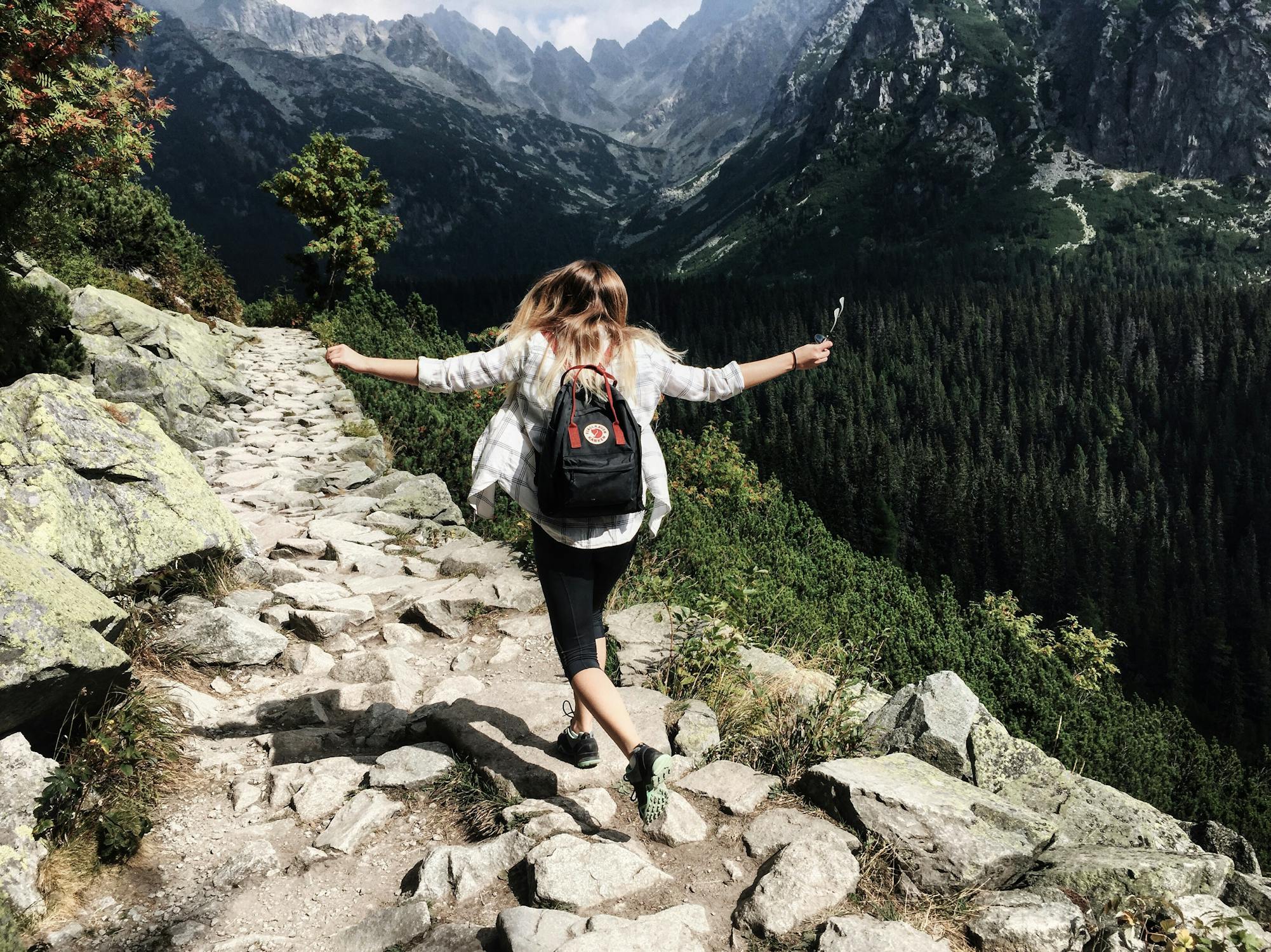
First Steps: Planning Your Introductory Trip
Now that safety, gear, and emotional support are in place, here is a concrete first-trip checklist. This walks you through each phase, ensuring no detail is overlooked.
- Set a Goal: Choose a purpose beyond “escape.” Perhaps you want to hike a local trail, attend a women’s art workshop, or simply explore a new cafe district. A clear intention guides decisions and gives you a sense of accomplishment.
- Research Accommodations: Opt for places with 24-hour front desks, secure lockers, and positive reviews from solo female travelers. Filter for host reviews that explicitly mention safety and responsiveness.
- Book Transportation: Reserve refundable tickets when possible. If you’re flying, sign up for airline alerts that notify you of gate changes — this reduces uncertainty at the airport.
- Pack Smart: Include the personal alarms, the journal, a portable charger, a copy of your safety plan, and a small first-aid kit. Pack versatile clothing that layers for weather changes.
- Create a Digital Backup: Scan important documents (ID, insurance, emergency contacts) and store them in a secure cloud folder you can access without Wi-Fi.
- Practice Scenarios: Role-play with a trusted friend how you’d respond if someone made you uncomfortable — whether that means using the alarm, calling the hotline, or exiting the venue.
- Schedule Check-Ins: Set calendar reminders for predetermined check-in times. If a check-in is missed, have a protocol (e.g., call your emergency contact) that automatically triggers.
By breaking the process into bite-size actions, the trip feels manageable rather than daunting. Remember, the first journey is a rehearsal for the many adventures that follow.

Maintaining Healing Momentum on the Road
Travel is a catalyst, not a cure. To sustain progress, build these habits into your daily routine:
- Daily Grounding: Use breathing exercises or short body scans before stepping out of your accommodation. Even five minutes can anchor you in the present moment.
- Community Connection: Join local women’s meet-ups or workshops. Many cities host “solo traveler” groups on platforms like Meetup.com; these gatherings provide both social support and practical tips.
- Therapeutic Continuity: If you’re in therapy, discuss your travel plans with your clinician before departure. Many therapists offer telehealth sessions, allowing you to process experiences in real time from anywhere with a signal.
- Reflective Writing: Dedicate 10-15 minutes each evening to your Solo Traveler Journal. Note moments of joy, anxiety, and any triggers that arose. Over time, you’ll see a narrative of resilience forming across its pages.
- Resource Refresh: Keep the hotline number and the DomesticShelters.org directory saved offline on your phone. If you encounter a new city, a quick search can reveal nearby shelters or crisis centers.
According to the NNEDV’s 2025 report, 58% of unmet requests for help from survivors were for shelter and housing — a reminder that having a solid accommodation plan before you travel is not just a comfort preference, it’s a safety measure. By integrating these habits, your solo travel becomes a sustained practice of self-care rather than a one-off escape.

Final Thoughts: Why the Data Matters and Where to Begin
The data behind domestic violence is staggering, but it is also clarifying. Approximately 50% of women seen in emergency departments report a history of abuse (NCBI StatPearls). On the single day counted in 2025, 1,707 programs served over 84,000 people — and still could not meet more than 13,000 requests for help. These numbers remind us that survivors are not rare exceptions; they are a community of millions navigating the same courage you are tapping into right now. Understanding this context helps dissolve shame and replace it with solidarity. You are not starting over alone. You are joining a vast, invisible network of women who have chosen to move toward their lives rather than away from them.
Solo travel for survivors of domestic violence is a brave declaration that you deserve space, joy, and the freedom to chart your own course. The Leisure Sciences research makes it clear: purposeful travel supports emotional regulation and rebuilds a positive sense of self. By grounding your adventure in a solid safety plan, equipping yourself with trusted gear, and nurturing your inner narrative through journaling and community stories, you set the stage for a journey that heals as much as it explores.
If you are ready to begin, start small. Choose a destination within a few hours of home. Reach out to the National Domestic Violence Hotline before you go. Pack the SABRE alarm on your keyring, tuck the Solo Traveler Journal in your daypack, and let the first chapter of Unmapped ride along in your bag for the moments when you need a reminder that other women have walked this road before you — and come back transformed.
You have the power to decide the pace, the destination, and the level of privacy that feels right for you. Trust your instincts, lean on the resources that exist to support you, and remember that each step — no matter how small — is a triumph of resilience.
Related Reading
Get price-drop alerts and new guides from HerTripGuide
One email a week: price drops on the gear we recommend, new guides, and what changed. No spam, unsubscribe anytime.