Solo Female Travel in Laos: 2026 Slow-Travel Guide
Plan your 2026 solo trip to Laos. Get e-visa and LDIF steps, ride the Laos-China railway, stay safe, respect temple customs, and witness the sunrise almsgiving.

This post may contain affiliate links. Disclosure
Traveling alone as a woman can feel like stepping into a story where you write every chapter. In Laos, that story unfolds at a pace that lets you breathe, notice the details, and let the landscape shape your mood. The country’s gentle rhythm, rising popularity among solo adventurers, and the new Laos-China railway mean you can glide from bustling Vientiane to the mist-kissed temples of Luang Prabang without rushing. With clear visa rules, a simple digital arrival form, and a safety record that ranks among the best in Southeast Asia, 2026 is the perfect moment to plan a slow-travel journey that feels both empowering and soothing.
What should you know before traveling solo in Laos? Sort the e-visa and the LDIF digital arrival form before you fly. The new Laos-China railway makes Vientiane to Luang Prabang effortless, with Mekong slow boats as the scenic alternative. The guide covers seasons and burning haze, budgets, temple dress, health and the dawn almsgiving ceremony.
Visa, LDIF & Pre-Trip Essentials
The first step to any solo adventure is paperwork, and Laos has streamlined the process for most nationalities, including U.S., U.K., EU, and Australian passport holders. You can arrive with a Visa on Arrival (approximately USD 40) or apply for an e-Visa (USD 50 total, processing fee included) through the official portal laoevisa.gov.la. The e-Visa is processed within three business days, and you’ll receive a PDF that you print or store on your phone to present at the border.
A newer requirement, the Lao Digital Immigration Form (LDIF), replaces the old paper arrival card. Since September 2025 the form is mandatory for all entrants and exits, and by mid-2026 it will be available at every international airport and major land border. Complete the LDIF online before you depart, keep the confirmation email handy, and you’ll breeze through immigration without a pause.
Key checklist
| Item | Detail |
|---|---|
| Passport validity | Minimum 6 months beyond entry |
| Visa | Visa on Arrival (USD 40) or e-Visa (USD 50) |
| LDIF | Submit online and save confirmation |
| Health | Review CDC recommendations |
| Insurance | Choose a policy that covers medical evacuation |
The official Lao Department of Immigration site immigration.gov.la/en/visas provides up-to-date fee tables and a quick FAQ for solo travelers. If you prefer a U.S. government perspective, the State Department’s page travel.state.gov outlines entry requirements and current safety advisories. For health guidance, check the CDC Laos travel page before departure.
When to Go: Seasons & the Burning Haze
Laos’ climate divides cleanly into a dry season (November through April) and a wet season (May through October). For most solo female travelers, the dry season offers the most comfortable temperatures (average 20-28 degrees Celsius) and clear skies — ideal for sunrise almsgiving and long train rides. November through February is especially pleasant, with cool mornings that make temple visits feel magical.
March and April bring the burning season. Agricultural burning in northern provinces creates a haze that can reduce visibility, especially in the mountains around Vang Vieng and Luang Prabang. While the haze rarely affects city centers, it can make early-morning hikes feel gritty and the famous limestone karsts appear muted. If you’re planning extensive trekking or photography, aim for late February or early May when the haze lifts but the weather remains dry.
Tourist numbers reflect these preferences: 2025 saw 4.58 million visitors, an 11% year-on-year rise that surpassed the government’s own target of 4.3 million. Q1 2026 already recorded 1.36 million arrivals — up 8% from the same period in 2025 — with a full-year government target of 5-6 million visitors. Laotian Times carries the full statistics.
Getting Around: Laos-China Railway, Slow Boats & Local Rides
The Laos-China Railway — A Game-Changer
Since its launch in December 2021, the Laos-China Railway has transformed north-south travel. The Vientiane-Luang Prabang segment now takes roughly 2 hours by train compared with the 8-10 hour road journey that once dominated itineraries. Ticket prices range from USD 15-30 depending on class, making it a budget-friendly option for solo travelers who value comfort and scenery.
The train glides along the Mekong valley, offering panoramic windows that showcase rice paddies, limestone cliffs, and small villages. First-class seats provide extra legroom and a small table — perfect for journaling or sipping tea. Second-class is still spacious, and the friendly staff often help with luggage, a small but appreciated gesture when you’re traveling light. The route continues north through Vang Vieng and Oudomxay to the Chinese border, making it possible to design an entire itinerary around rail travel if that appeals to you.
Slow Boats on the Mekong
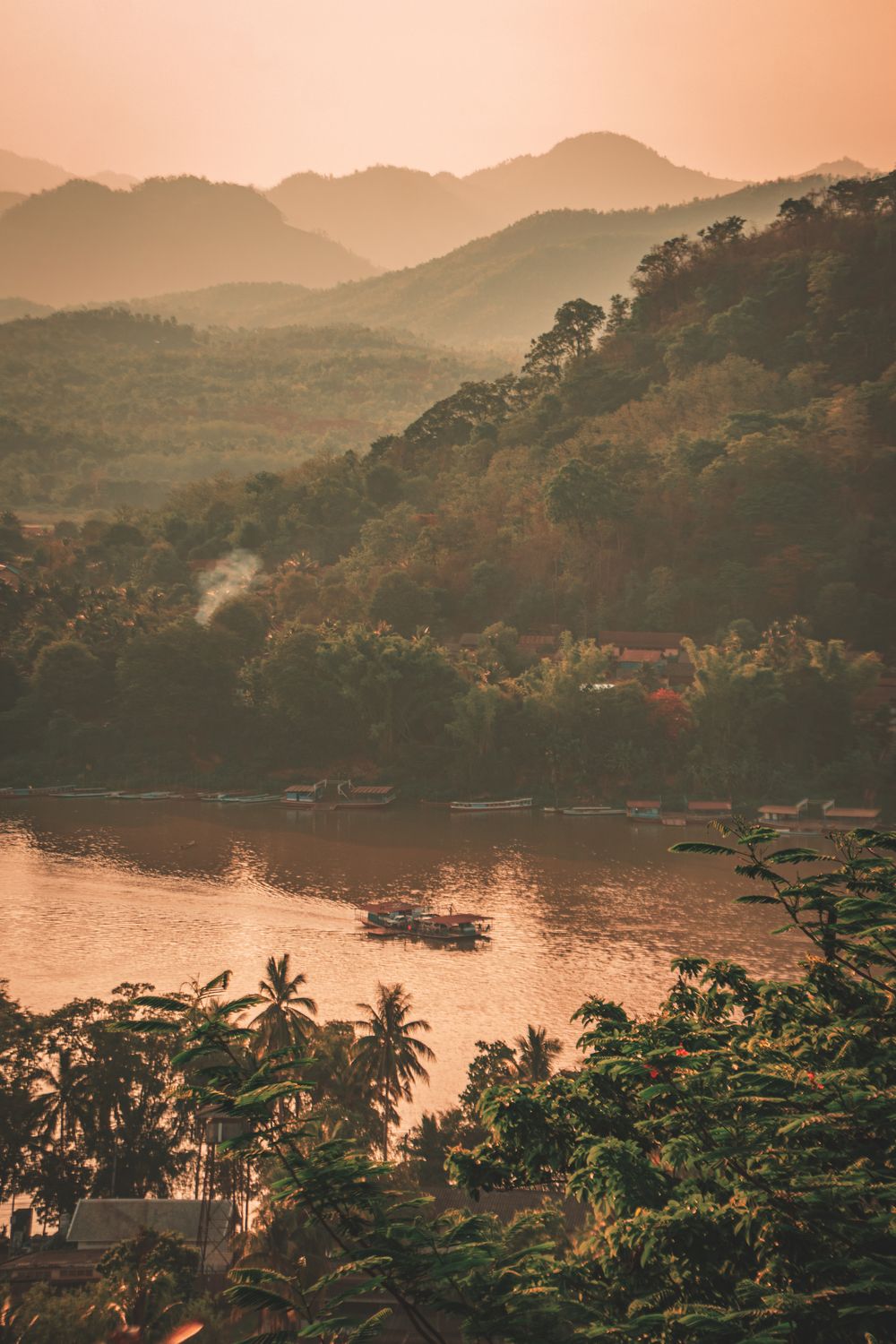
For a truly meditative experience, consider the two-day slow boat from Huay Xai (Thai border) to Luang Prabang. Boats travel 6-8 hours each day, stopping overnight in Pak Beng. In 2026 the price rose by about 20%, but the journey remains a favorite for those who want to watch the river’s rhythm, meet fellow travelers, and capture sunrise over the river’s bends. Passport and Stamps has an up-to-date breakdown of the schedule and recent price changes for both budget and premium boat options.
Local Transport & Daily Budget
Once you’re in town, tuk-tuks and songthaews (shared trucks) are the most common short-distance options. A typical ride costs USD 1-4, and drivers in tourist centers are well accustomed to lone female passengers. In Vientiane and Luang Prabang, you’ll find dorm beds for USD 5-12 and street meals for USD 1-4, meaning a comfortable daily budget of USD 17-25 covers accommodation, food, and local transport. The Lao Kip trades at approximately 21,900 LAK per 1 USD (May 2026); keep a small amount of cash in LAK for market purchases, as remote villages rely on cash rather than cards.
Where to Stay & Budgeting for the Gentle Pace
Laos caters to a spectrum of budgets, but solo female travelers often prefer places that blend safety, community, and a touch of local charm.
Vientiane — The capital offers several boutique guesthouses in the French-colonial district. Many have 24-hour reception, secure lockers, and communal kitchens where you can meet other solo adventurers. The city’s compact layout makes it easy to walk between temples, coffee shops, and the Night Market without ever needing a tuk-tuk.
Vang Vieng — Known for its limestone scenery, the town’s riverside hostels provide dorms with mosquito nets and organized kayaking trips. Booking a dorm for USD 8-10 gives you a social environment without compromising privacy. The surrounding karst landscape — visible from the train window and even more dramatic on foot — is the main draw for hikers and nature photographers.
Luang Prabang — The UNESCO-listed city shines with modest boutique hotels sitting within walking distance of the night market and Wat Xieng Thong. A private room with an en-suite bathroom typically costs USD 20-30, and many properties include breakfast made from locally sourced ingredients. The pedestrianized lanes between temples encourage slow exploration on foot, which is exactly the pace this city demands.
Here is a quick budgeting snapshot for a 7-day slow-travel itinerary:
| Category | Daily Cost (USD) | 7-Day Total |
|---|---|---|
| Accommodation | 8-30 (depends on city) | 56-210 |
| Meals (street and cafes) | 3-7 | 21-49 |
| Transport (tuk-tuk, train, boat) | 5-10 | 35-70 |
| Activities (temple entry, almsgiving, tours) | 5-12 | 35-84 |
| Estimated Total | approx. USD 147-413 |
Cultural Etiquette, Safety & Health
Respectful Dress & Temple Etiquette
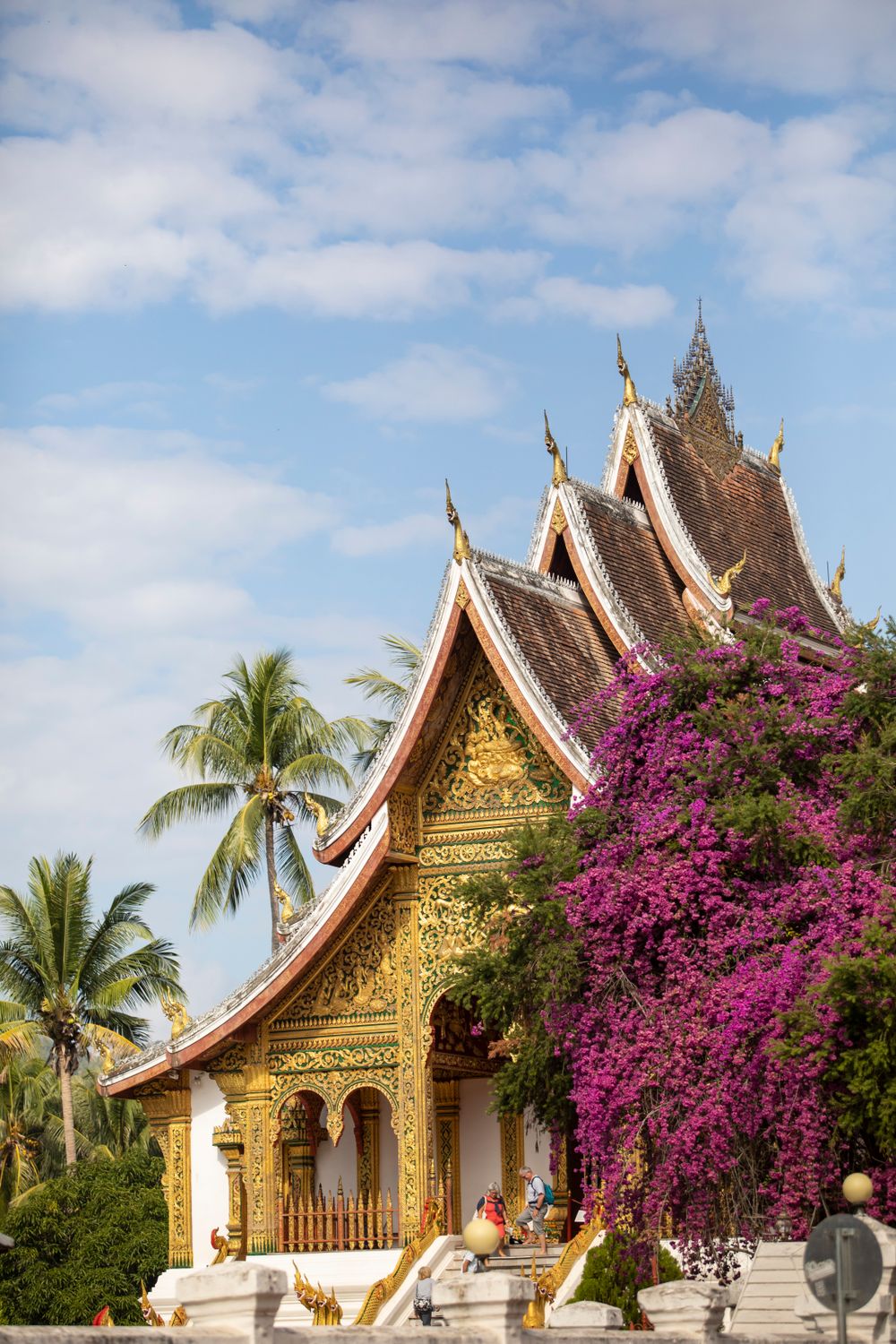
When visiting temples, the cultural dress code asks visitors to cover shoulders and knees. Women should avoid touching monks or handing items directly to them; instead, place items on a nearby table or hand them to a male companion who can pass them along. The traditional ‘nop’ greeting — palms pressed together with a slight bow — signals respect and is appreciated by locals in every city, village, and market.
Safety Snapshot
Laos ranks among the safest destinations in Southeast Asia for solo female travelers. Violent crime against tourists is rated extremely rare. The most common issue is petty theft in busy urban centers — Vientiane, Vang Vieng, and Luang Prabang — so keep bags zipped, use hotel safes, and stay aware of your surroundings at night markets.
Safety: The U.S. State Department rates Laos Level 2 — Exercise Increased Caution. The UK Foreign Office notes: “Petty crime can occur in tourist areas and around ATMs. Try to have someone with you and do not carry your bank cards and cash in the same bag.” (US advisory · UK FCDO, updated 2026-04-22).
The Lao National Tourism Administration offers a 24-hour tourist hotline available through most hotels. The U.S. State Department travel page provides current advisories and emergency contact numbers. Both resources are worth bookmarking before you land.
Health Tips
The CDC recommends routine vaccinations (MMR, DTP, Hepatitis A) and advises travelers to bring a basic medical kit — band-aids, antiseptic wipes, and any personal prescription medication. Mosquito-borne illnesses are present, so pack repellent with DEET and consider a long-sleeve shirt for evenings near water. Tap water is not reliably safe; stick to bottled or filtered water and enjoy the abundant fresh fruit sold at markets to stay hydrated without worry.
Highlights: Luang Prabang Dawn Almsgiving & Mindful Moments
One of Laos’ most moving experiences is the morning almsgiving ceremony (Tak Bun) in Luang Prabang. At sunrise, monks in orange robes walk silently through the town’s quiet streets, receiving sticky rice and fruit from locals and visitors alike.

As a solo traveler, you’ll find the ritual both humbling and deeply connective — no language barrier needed, just a gentle smile and a respectful bow. Arrive before 5:30 AM, stand quietly on the pavement, and resist the urge to use a flash on your camera. The monks are not a spectacle; they are practicing their faith, and your quiet presence is itself a form of respect.
After the almsgiving, wander the night market along the Mekong River, where lanterns flicker over stalls selling handmade textiles, silver jewelry, and fragrant incense. The river’s reflection at sunset is a perfect backdrop for journaling or simply breathing in the calm.
The gold-mosaic interior of Wat Xieng Thong, illuminated by candlelight, is an intimate space that feels like a meditation hall rather than a tourist site.

Take a day trip to Vang Vieng’s limestone karsts for a final perspective on why this country rewards the slow traveler. Hot-air balloon rides at dawn reveal the valley’s scale — the Nam Song River cutting through a landscape that looks painted rather than real.
Practical Packing Tips for Laos
Packing for a slow-travel trip to Laos means balancing temple-ready modesty with the practicality of hot, humid days. A lightweight sarong doubles as a temple coverup, beach towel, and picnic blanket — it is arguably the single most versatile item you can bring. Pair it with breathable linen or moisture-wicking shirts in neutral tones, and you’ll feel comfortable whether you’re sweating through a street market or stepping into an air-conditioned guesthouse.
Footwear deserves special attention. Sandals that slip on and off easily are essential for frequent temple visits where shoes must be removed at the entrance. A pair of lightweight walking shoes handles longer trekking days or the occasional uneven riverfront path in Luang Prabang. Keep both clean — muddy shoes at a temple entrance are a silent but noticeable breach of etiquette.
For technology, a universal power adapter and a portable power bank are must-haves. Electricity in guesthouses can be intermittent in smaller towns, and you’ll want a fully charged phone for navigation, translation apps, and the inevitable spontaneous photography moment. A small first-aid kit, DEET repellent, and reusable water bottles round out the packing list without adding much weight.
These moments — slow, intentional, and rooted in local rhythm — define the essence of solo female travel in Laos. Trust your instincts, move at a pace that feels right, and let the country’s gentle hospitality guide you toward a journey that will stay with you long after you land back home.
Related Reading
Get price-drop alerts and new guides from HerTripGuide
One email a week: price drops on the gear we recommend, new guides, and what changed. No spam, unsubscribe anytime.