Solo Female Travel Malaysia: Safety & Tips Guide 2026
Complete guide to solo female travel in Malaysia — KL, Penang, Langkawi, Borneo, safety tips, food guide, and practical advice for women traveling alone in 2026.
This post may contain affiliate links. Disclosure
Malaysia is one of Southeast Asia’s best-kept secrets for solo female travelers — and it’s been hiding in plain sight. While neighboring Thailand and Bali dominate the solo travel conversation, Malaysia quietly offers everything those destinations do — incredible food, tropical beaches, rich culture, and affordable prices — with some distinct advantages: better infrastructure, lower crime rates, and a multicultural society where English is widely spoken.
Ranked 10th on the Global Peace Index and 27th safest country globally, Malaysia delivers genuine safety alongside extraordinary diversity. In a single trip, you can explore futuristic cityscapes, colonial heritage towns, ancient rainforests, and pristine islands — all connected by efficient transport and served by what is arguably the best street food in the world.
Why Malaysia Works for Solo Women
English is widely spoken. Malaysia’s colonial history and multicultural education system mean most Malaysians speak at least conversational English. Signs, menus, and public announcements are routinely bilingual. This dramatically reduces the communication barriers that can make solo travel stressful in other Southeast Asian countries.
Transport is reliable and safe. From KL’s modern metro system to long-distance buses and domestic flights, getting around Malaysia is straightforward and affordable.
The food is world-class. Malaysia’s position at the crossroads of Malay, Chinese, Indian, and indigenous Bornean culinary traditions creates one of the most diverse food scenes in the world. And you can eat like royalty for $3-5 per meal.
Cultural diversity provides comfort. Malaysia’s mix of Malay, Chinese, Indian, and indigenous communities means no single dress code or cultural norm dominates. You’ll see hijab-wearing women alongside women in tank tops, traditional Chinese temples next to mosques, and Hindu festivals next to Malay celebrations. This diversity creates an atmosphere of tolerance that solo female travelers consistently appreciate.
Safety for Solo Female Travelers
Malaysia is generally safe for solo women, with some standard precautions:
What’s safe:
- Walking around city centers during the day
- Using public transport, including KL’s metro and bus systems
- Visiting tourist attractions, markets, and restaurants
- Traveling between cities via bus, train, or domestic flights
What to be cautious about:
- Petty crime (pickpocketing, bag snatching) in crowded areas like Bukit Bintang in KL, markets, and bus stations. Use a crossbody bag and keep it in front of you
- Taxi scams — always use Grab (Malaysia’s ride-hailing app) rather than flagging taxis on the street
- Walking alone late at night in poorly lit areas
- Drink spiking in bars and clubs — don’t accept drinks from strangers and don’t leave your drink unattended
Women-only train coaches: KL’s rail system offers women-only coaches during peak hours. Look for the pink-marked cars. This is a thoughtful touch that many solo female travelers appreciate.
For digital safety tools, our solo female travel safety apps guide has recommendations that work well in Malaysia.
Kuala Lumpur: The Vibrant Capital
KL is a sensory feast — modern skyscrapers tower over colonial shophouses, the call to prayer mingles with Chinese temple drums, and food stalls operate on seemingly every street corner. Plan 3-4 days here.
Must-Visit Experiences
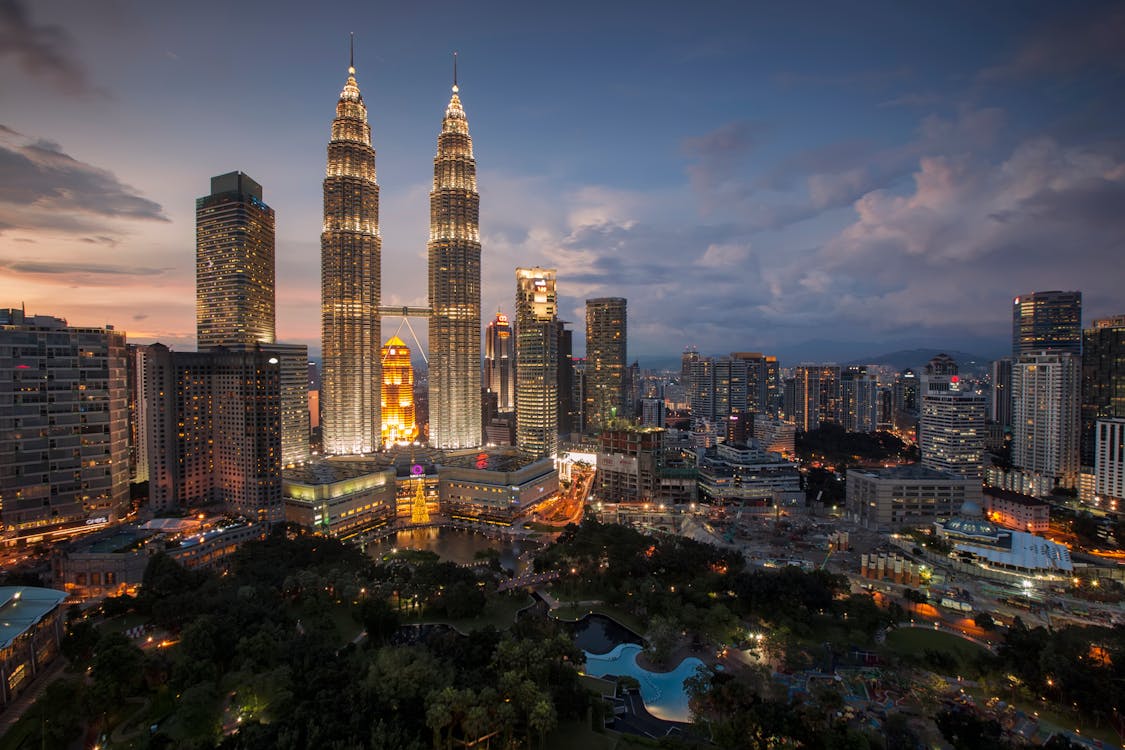
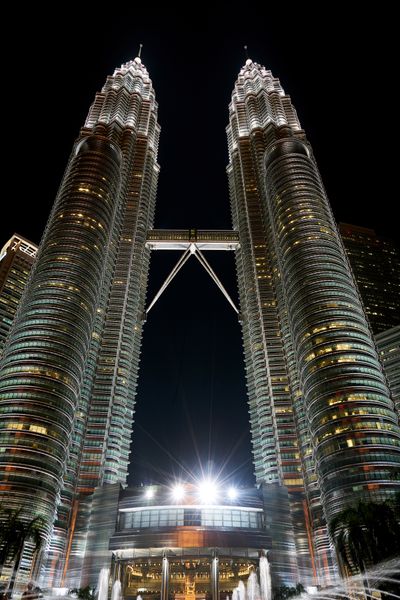
Petronas Twin Towers: Iconic for a reason. Book your Skybridge tickets online in advance (they sell out daily). The tower is most photogenic at sunset from the KLCC Park below.
Batu Caves: A Hindu temple complex built inside dramatic limestone caves, accessed via a climb of 272 rainbow-painted steps. Go early morning to avoid crowds and heat. The resident macaque monkeys are entertaining but will steal food and shiny objects — secure your belongings.
Jalan Alor: KL’s most famous food street. Every evening, this Bukit Bintang alley fills with tables, chairs, and the smoke from dozens of food stalls. Must-try: grilled chicken wings, stingray in sambal, and fresh fruit juice. It’s loud, crowded, and absolutely wonderful.
Central Market (Pasar Seni): An art deco market building housing handicrafts, batik textiles, and souvenirs. Less chaotic than Petaling Street and better curated.
Islamic Arts Museum Malaysia: One of the best Islamic art museums in the world, with stunning collections of calligraphy, textiles, and architectural models. The building itself is beautiful.
Chinatown (Petaling Street): Bustling market street with street food, fake goods, and vibrant atmosphere. Fun to walk through but hold your bag tight — this is a pickpocketing hotspot.
Where to Stay in KL
Bukit Bintang: The commercial heart of KL. Walking distance to major attractions, excellent food, and well-connected by monorail. Great hostel options for solo travelers.
KLCC: Upscale area near the Petronas Towers. More expensive but very safe, with good dining options.
Chinatown: Budget-friendly with character. Excellent street food and walkable to the Central Market and Merdeka Square.
Budget hostels start from $8-12/night, mid-range hotels $30-60. KL has excellent hostel options with female-only dorms and strong reviews from solo women travelers.
Penang: The Food Capital
If you only add one destination beyond KL, make it Penang. George Town — the island’s UNESCO-listed capital — is a food lover’s paradise and one of Southeast Asia’s most charming cities.
George Town Highlights
Street art trail: Armenian Street and the surrounding lanes feature murals and iron caricatures that have become Penang’s calling card. Walking the trail is a perfect half-day activity that also takes you past temples, clan houses, and cafés.
Kek Lok Si Temple: Southeast Asia’s largest Buddhist temple, featuring a stunning pagoda that combines Chinese, Thai, and Burmese architectural styles. The views from the hilltop are spectacular.
Clan Jetties: Waterfront communities built on stilts over the harbor. The Chew Jetty is the most visited, but walking the entire stretch gives you a sense of George Town’s maritime heritage.
Penang Hill: Take the funicular railway to the top for panoramic views of the island, the strait, and the mainland. On clear days, you can see forever.
Penang Food
Penang’s food scene is legendary, and solo diners fit right in at hawker centers (food courts) where sharing tables with strangers is the norm.
Essential Penang dishes:
- Char kway teow: Smoky stir-fried flat noodles with prawns, cockles, egg, and bean sprouts. The benchmark Malaysian dish
- Assam laksa: Sour, fish-based noodle soup that’s Penang’s signature. Nothing like KL’s coconut-based laksa
- Nasi kandar: Rice with an array of curries — choose your combination. Originated from the Indian Muslim community
- Cendol: Shaved ice with coconut milk, palm sugar, and green rice flour jelly. The perfect afternoon cooldown
- Hokkien mee: Prawn-based soup noodles unique to Penang’s Hokkien Chinese community
Where to eat: Gurney Drive Hawker Centre, New Lane Hawker Centre, and the food stalls along Lebuh Chulia are all excellent and safe for solo women, even at night.
Langkawi: Island Paradise
Langkawi is Malaysia’s premier beach destination — a duty-free island of dramatic landscapes, mangrove-lined shores, and surprisingly good dining for such a small island.
Solo-Friendly Langkawi
Langkawi Sky Bridge and Cable Car: A curved pedestrian bridge suspended 660 meters above sea level with views across the Andaman Sea. Not for vertigo sufferers, but the experience is extraordinary.
Island hopping tours: Group boat tours to nearby islands (Pulau Dayang Bunting, Pulau Beras Basah) are social, affordable ($10-15), and a great way to meet other travelers.
Mangrove kayaking: Paddling through Langkawi’s ancient mangrove forests is peaceful and accessible for beginners. Guided tours run $25-40.
Cenang Beach: The main tourist beach with restaurants, bars, and a lively evening scene. Accommodation ranges from $10 hostels to luxury resorts. The night market (changing locations daily) is a must for street food.

Malaysian Borneo: The Adventure Side
For something completely different, cross to East Malaysia for rainforest, wildlife, and diving that rival anything in the region.
Sabah
Mount Kinabalu: Southeast Asia’s highest accessible peak (4,095m). The two-day guided climb is demanding but achievable for fit hikers. Permits and accommodation at the mountain huts must be booked well in advance.
Sepilok Orangutan Rehabilitation Centre: Watch semi-wild orangutans at feeding times — a powerful wildlife encounter. The adjacent Sun Bear Conservation Centre is equally worthwhile.
Sipadan Island: Consistently rated among the world’s best dive sites. Limited daily permits make it exclusive — book your dive operator months ahead.
Sarawak
Kuching: Sarawak’s charming capital city, known for its waterfront, excellent food scene, and easy access to indigenous Iban longhouse communities and Bako National Park.
Bako National Park: One of Malaysia’s best national parks for wildlife spotting, including the endemic proboscis monkey. Day trips from Kuching are easy, or stay overnight in basic park accommodation for early morning sightings.

Getting Around Malaysia
Domestic flights: AirAsia and Malaysia Airlines connect major destinations cheaply and frequently. KL to Penang from $15 one-way, KL to Kota Kinabalu (Borneo) from $30.
Buses: Long-distance buses are comfortable, air-conditioned, and affordable. KL to Penang takes 4-5 hours and costs $8-12. Book through BusOnlineTicket.com or at terminal counters.
Trains: The ETS (Electric Train Service) connects KL to Penang via Ipoh — a comfortable, scenic journey. KL to Butterworth (Penang mainland) takes about 4 hours.
Grab: Malaysia’s ride-hailing app is essential. It works in all major cities and is safer and more reliable than taxis. Download it before you arrive.
Ferries: Connect Penang Island, Langkawi, and various Borneo destinations. Generally reliable and affordable.
What to Wear
Malaysia’s multicultural society means there’s no single dress code, but modesty is appreciated:
- In cities (KL, Penang, Kuching): Western clothing is standard. Shorts and t-shirts are fine in tourist areas
- At religious sites: Cover shoulders and knees at mosques (many provide robes for visitors). Modest dress at Hindu and Buddhist temples as well
- In rural and conservative areas (East Coast, parts of Sabah): Dress more conservatively — longer skirts or trousers and covered shoulders
- At the beach: Swimwear is fine at resort beaches but cover up when walking to and from the beach in non-tourist areas
Climate note: Malaysia is hot and humid year-round (28-33°C). Wear lightweight, breathable fabrics. Carry a light rain jacket — tropical downpours are daily occurrences, especially in the afternoon. For a packable option that won’t overheat you, see our best travel rain jackets for women.
Budget Breakdown
Malaysia is excellent value:
Budget ($25-40/day): Hostel dorms, hawker center meals, public transport, and self-guided sightseeing.
Mid-range ($50-80/day): Private hotel rooms, a mix of hawker and restaurant dining, Grab rides, and some organized tours.
Luxury ($100+/day): Boutique hotels, fine dining, private tours, and domestic flights.
For more budget strategies, check our budget solo travel guide.
Health and Practical Tips
Vaccinations: No mandatory vaccinations for entry (unless arriving from a yellow fever zone). Recommended: Hepatitis A and B, typhoid, and routine vaccinations.
Water: Tap water is technically treated but stick to bottled or filtered water to be safe. Ice in restaurants and hawker centers is generally safe.
Mosquitoes: Dengue fever is present, especially during monsoon season. Use repellent (DEET-based), wear long sleeves at dusk and dawn, and consider staying in air-conditioned accommodation.
Travel insurance: Always a good idea. Our travel insurance guide for solo women has recommendations suited to Southeast Asian travel.
SIM cards: Buy a local SIM at the airport from Maxis, Celcom, or Digi. Data is cheap and coverage is excellent. For eSIM options, check our travel eSIM guide.
Best Time to Visit
Malaysia has two monsoon seasons affecting different coasts:
- West coast (KL, Penang, Langkawi): Driest from December to April. Rain increases May to November but rarely stops you from doing anything
- East coast (Perhentian Islands, Redang): Best June to August. Many resorts close November to February due to monsoon
- Borneo: Driest March to October, though rain is possible year-round
Year-round option: KL and Penang are comfortable in any month. If your dates are fixed, these destinations work regardless of season.
Final Thoughts
Malaysia is the Southeast Asian destination that overdelivers on every front. The food alone justifies the trip — many travelers rank Malaysian cuisine above Thai — and the combination of safety, affordability, cultural depth, and natural beauty makes it ideal for solo women at any experience level.
Whether it’s your first solo trip or your fiftieth, Malaysia has a way of exceeding expectations. The only common complaint from travelers is that they didn’t plan enough time.
For more Southeast Asian inspiration, explore our solo female travel Vietnam guide and our first solo international trip guide.
Get the best HerTripGuide tips in your inbox
Weekly guides, deals, and insider tips. No spam, unsubscribe anytime.