Solo Female Travel in Senegal: 2026 West Africa Guide
Discover Senegal's welcoming culture, safety tips, health prep, and top destinations for solo female travelers in 2026. Your confident West Africa guide.

This post may contain affiliate links. Disclosure
Traveling alone as a woman can feel like stepping into a story where every page is yours to write. Senegal, with its open-handed hospitality, visa-free entry for U.S. citizens, and a reputation for stability, offers a welcoming stage for that story. From the bustling streets of Dakar to the pink-hued waters of Lac Rose, the country blends vibrant culture with practical conveniences that make solo exploration feel both exciting and manageable. Senegal welcomed back international visitors with enthusiasm post-pandemic, with tourism revenue reaching USD 589 million in 2023 — a 14% year-on-year jump. Below you’ll find a warm, older-sister-style guide that celebrates the joy of solo travel while giving you the safety-savvy tools you need to move confidently through Senegal in 2026.
Is Senegal good for solo female travel? Senegal offers visa-free entry for U.S. citizens, a reputation for stability and famously open hospitality. Base yourself in Dakar, then add the pink waters of Lac Rose and colonial Saint-Louis. The guide covers the best travel window, public transport versus registered taxis, and the Casamance caution.
Why Senegal Feels Like a Friendly Home Base
Senegal’s Level 1 travel advisory from the U.S. State Department — “Exercise Normal Precautions” — places it among West Africa’s safest destinations for international visitors. The country’s political stability, combined with a cultural ethos often described as Teranga (the spirit of hospitality), means locals are generally eager to help a solo traveler find her way. Teranga is not just a marketing slogan; it is a deeply held social value that shapes how Senegalese people interact with strangers. Sharing food, offering directions, and going out of the way to help a visitor are everyday expressions of this spirit.
The capital, Dakar, is a modern metropolis where the new electric Bus Rapid Transit (BRT) system and the TER commuter rail line coexist with traditional sept-place shared taxis and colorful car rapides. This blend of old and new gives you plenty of options to move around safely while feeling connected to everyday Senegalese life.
Senegal is approximately 94% Muslim, so respecting Islamic customs goes a long way toward building goodwill and reducing unwanted attention. Dress modestly when visiting mosques, refrain from eating or drinking in public during Ramadan, and remove your shoes before entering a place of worship. These small gestures signal cultural awareness and are consistently appreciated by locals.
Even if you venture beyond the city, towns like Saint-Louis and the coastal gem of Cap Skirring retain that same welcoming vibe, often greeting visitors with smiles and helpful directions. For a solo woman, that sense of being seen and respected can turn a simple trip into a lifelong memory.
When to Go: Climate, Seasons, and the Ideal Travel Window
Senegal’s climate is divided into two clear seasons:
- Dry season (November to May) - Average temperatures hover around 77 degrees F (25 degrees C). This period offers comfortable sightseeing, lower humidity, and the iconic pink hue of Lac Rose when winds stir up the algae.
- Rainy season (June to October) - Temperatures regularly climb above 95 degrees F (35 degrees C) with heavy downpours, especially in August.
For solo female travelers seeking pleasant weather and easy navigation, the dry season is the sweet spot. Not only does the milder heat make walking the markets and exploring historic sites more enjoyable, but the reduced rain also means fewer travel disruptions and clearer road conditions — particularly important if you plan to visit the more remote Casamance region (see safety note below).
Getting There and Visa Basics
U.S. citizens can enter Senegal visa-free for stays up to 90 days. Just ensure your passport is valid for at least six months beyond your arrival date. For the most up-to-date entry requirements, check the dedicated page on Senegal Visa Requirements for U.S. Citizens.
Flights land primarily at Blaise Diagne International Airport (DSS) just north of Dakar. After you disembark, you’ll find a range of transport options — from official airport taxis to ride-hailing apps that operate in the city. For a smooth transition, read our guide on Airport Safety for Solo Women.
Getting Around Safely
Public Transport
Since 2023, Dakar’s public transport network has added 380 new buses across 14 routes, plus an electric BRT line that speeds you through traffic-heavy corridors. The BRT is a reliable, air-conditioned choice for daytime travel. The TER commuter rail line is another modern option, connecting central Dakar with the suburbs quickly and affordably. For intercity trips — say, Dakar to Saint-Louis — most locals still rely on car rapides and sept-place shared taxis. These minibuses are cheap, colorful, and run frequently, but they can get crowded. Booking your seat at the main gare routiere (bus station) early in the day gives you more predictable departure times.
Registered Taxis and Ride-Hailing
After dark, it’s best to stick with registered taxis or reputable ride-hailing services. These options are tracked, and drivers are vetted, reducing the chance of unwanted attention. The practice is especially recommended in markets and on beaches where verbal street harassment — locally called drague — can occur. Keeping a confident posture, a friendly smile, and a clear “no thank you” defuses most situations without escalation.
The Casamance Caution
The Casamance region in the far south carries a Level 3 advisory (“Reconsider Travel”) due to historical separatist activity and the presence of landmines off main roads. If you’re set on seeing the lush landscapes there, consider joining an organized tour that sticks to well-traveled routes and always check the latest guidance from the UK Foreign Travel Advice for Senegal before you book.
Top Solo-Female Friendly Spots
Dakar: Urban Energy with a Safe Core
Start in Dakar’s Plateau district, where the modern skyline meets historic colonial architecture. The House of Slaves museum on Goree Island — a UNESCO World Heritage Site since 1978 located just 3.5 km off the Dakar coast — offers a profound look at the trans-Atlantic slave trade. The ferry departs from the main port, and the 20-minute journey makes it an easy, meaningful day trip. The Door of No Return memorial at the House of Slaves is one of the most visited and emotionally resonant sites in all of West Africa.
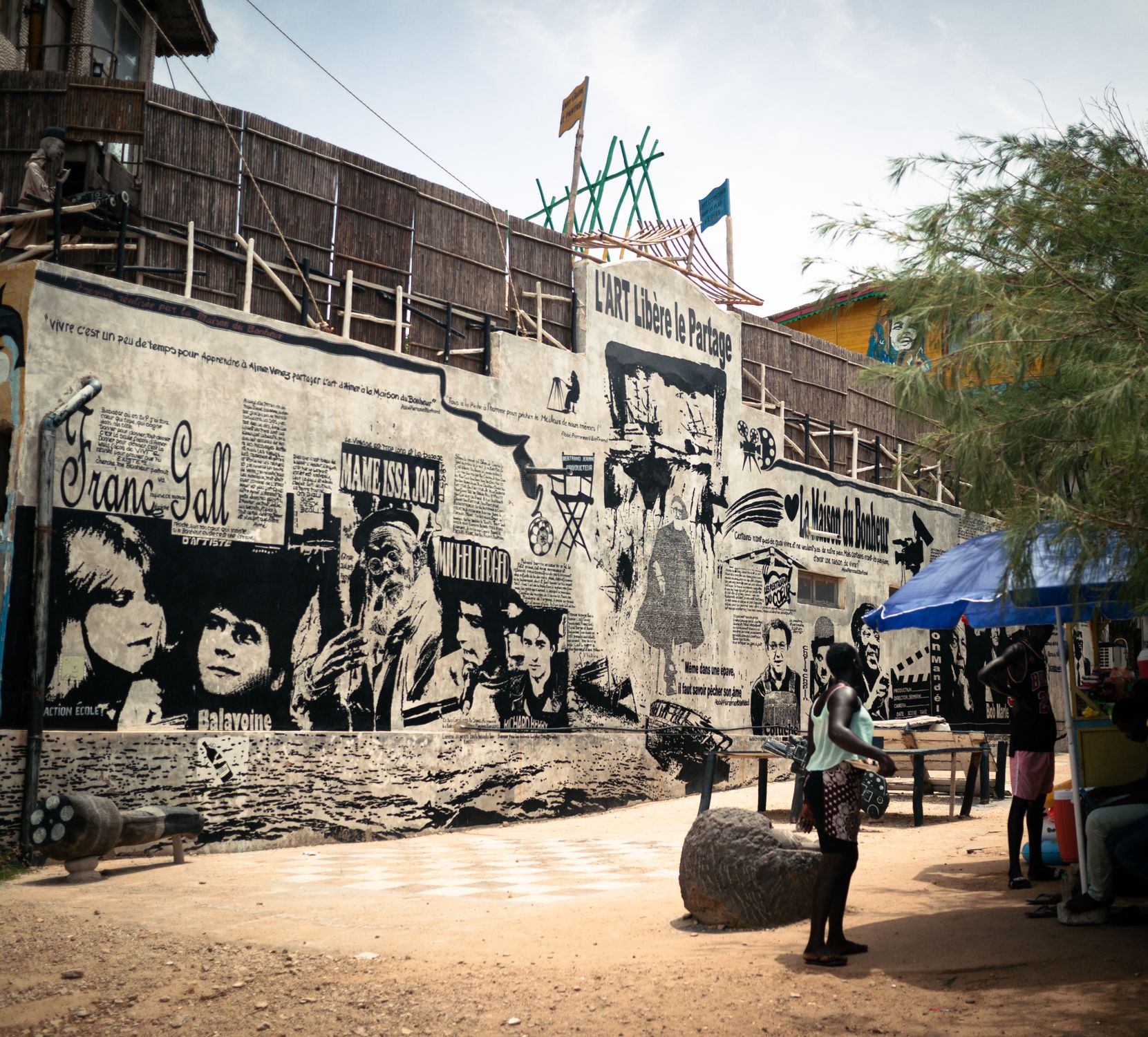
The Marche Kermel market is a sensory feast of spices, fabrics, and fresh produce. Dress modestly — covering shoulders and knees — to keep interactions friendly and respectful. Dakar’s metropolitan area houses around 1.06 million people, yet the Plateau and Almadies neighborhoods retain a walkable, manageable scale that solo travelers appreciate.
Lac Rose (Lake Retba): Pink Waters and Easy Floats
About 35 km north of Dakar, Lac Rose boasts salinity levels up to 40% — ten times saltier than the ocean — allowing you to float effortlessly. In the dry season, winds stir up Dunaliella salina algae, turning the water a dreamy pink. The site is popular with tourists, and local guides are accustomed to solo travelers, making it a low-stress day out. Salt harvesting on the lake’s banks is a centuries-old tradition; you’ll often see workers wading in with baskets, creating striking visual contrasts against the pink water.
Saint-Louis: Colonial Charm on the River
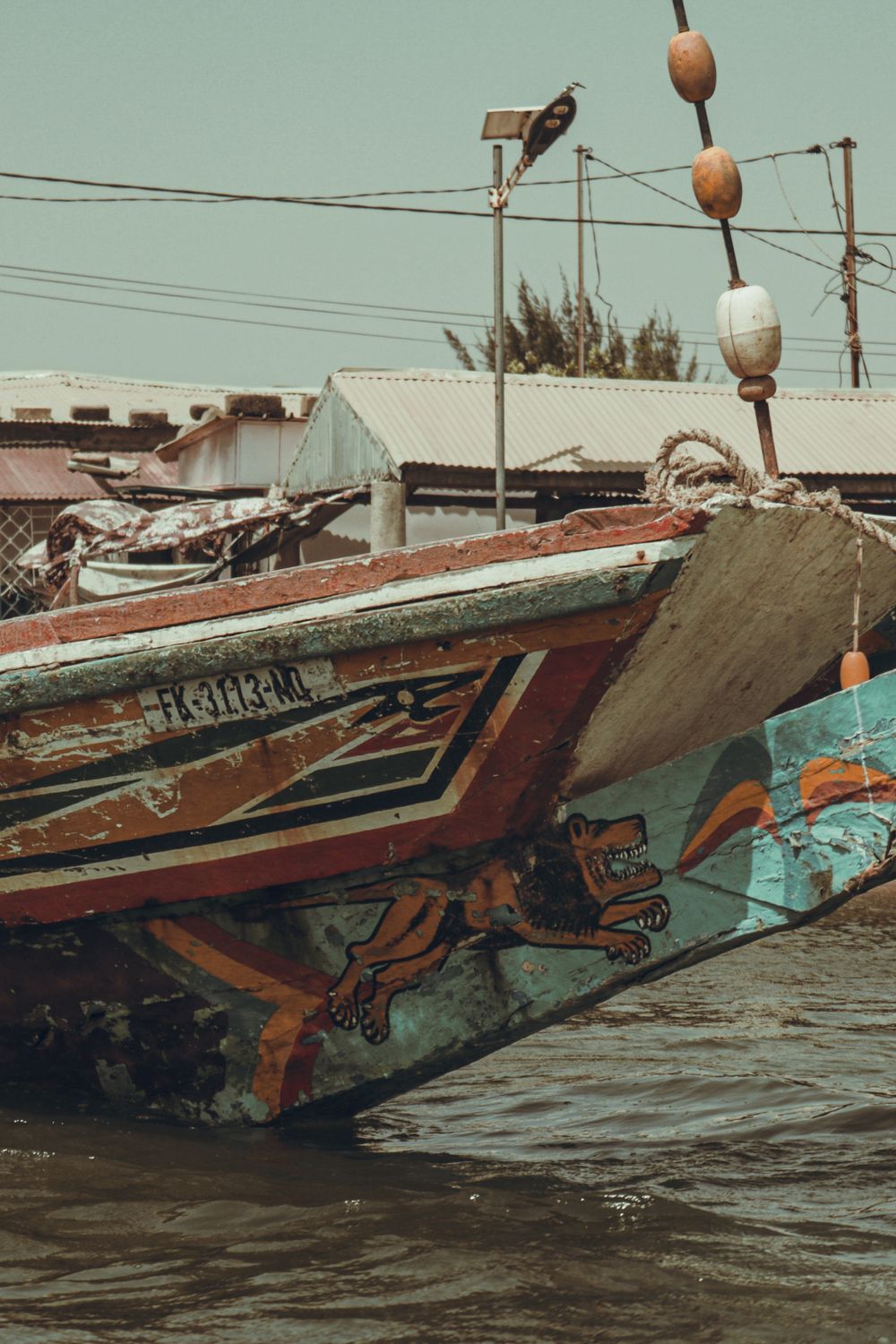
A UNESCO World Heritage site, Saint-Louis sits on the Senegal River delta and retains a French colonial feel with its pastel-colored buildings and wide boulevards. The city’s compact layout makes it walkable, and the evenings are calm — perfect for solo diners at rooftop cafes. Saint-Louis also serves as a gateway to the Djoudj National Bird Sanctuary, a wetland reserve that shelters over three million migratory birds each winter. Day tours from the city are easy to arrange and highly recommended for nature lovers.
Cap Skirring: Beach Bliss in the South
If you crave a quieter coastline, Cap Skirring in the Casamance area offers pristine beaches and a relaxed vibe. Stick to reputable beachfront lodges and travel with a trusted driver, especially after dark, given the higher advisory level for the region. Many travelers reach Cap Skirring via a short domestic flight from Dakar, bypassing road travel through the Casamance interior entirely — this is the smartest approach for solo women and the option most recommended by established tour operators like Intrepid Travel and G Adventures West Africa, both of which offer itineraries that include this stretch of coastline.
Rural Villages: Authentic Connections
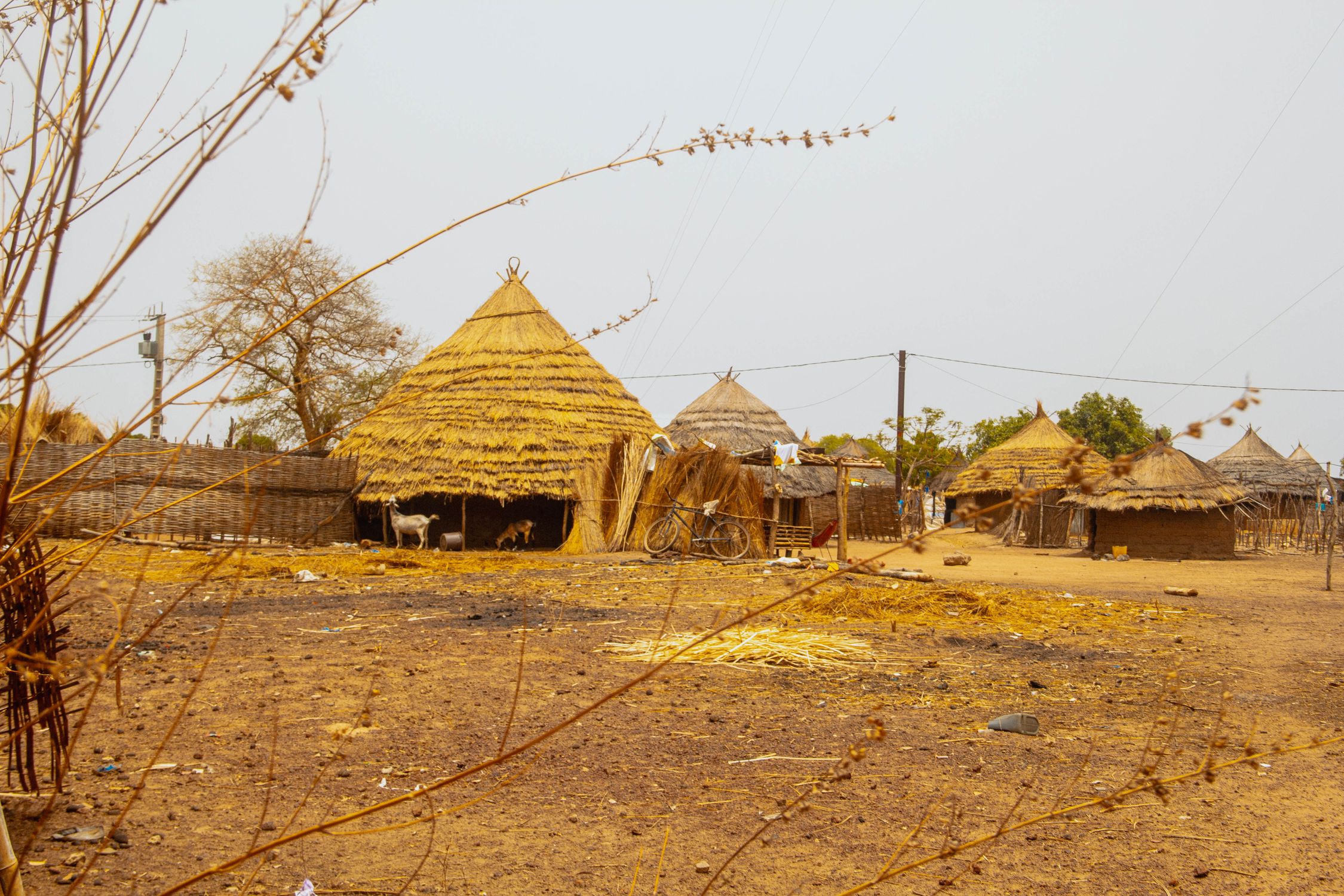
For a deeper cultural immersion, consider a day trip to a traditional village with thatched houses surrounded by open fields. When visiting, wearing a headscarf is appreciated in rural settings and signals respect for local customs — this simple gesture often earns you a warmer welcome and opens doors to genuine conversation.
Health and Safety Essentials
Vaccinations and Malaria Prevention
- Yellow fever: The CDC recommends vaccination for all travelers aged 9 months and older. If you’re arriving from a country with yellow fever risk, you’ll need to show a valid vaccination certificate (the “yellow card”) at the border.
- Malaria: Present in every region year-round, malaria in Senegal is resistant to chloroquine. The CDC advises taking a prescription antimalarial before, during, and after your trip.
For the latest health guidance, consult the CDC Travelers Health page for Senegal and the WHO Senegal Country Health Profile. Pack your prescription antimalarial in its original packaging, and carry a copy of your yellow fever card separately from your passport in case one gets lost.
General Safety Practices
- Dress modestly: Cover shoulders and knees, especially near mosques and in rural areas.
- Headscarf: Wearing one in villages signals cultural respect and often earns you a warmer welcome.
- Avoid isolated beaches after dark: Stick to well-lit, populated areas or join a group.
- Use registered transport: After sunset, opt for official taxis or ride-hailing apps rather than hailing a random car rapide.
Violent crime against foreign women is reported as rare, but verbal street harassment does happen, particularly in markets and on beaches. For more on staying safe, read our piece on Avoiding Scams When Traveling Solo.
Money Matters and Practical Tips
Currency and Payments
Senegal uses the West African CFA franc (XOF), pegged to the Euro at roughly 656 XOF per 1 EUR. Credit cards are accepted mainly in upscale hotels and large restaurants; cash is essential for markets, street food, and transport. ATMs are plentiful in Dakar and Saint-Louis, but keep a modest amount on hand when traveling to smaller towns.
Connectivity
Purchasing a local SIM card at the airport or a downtown shop gives you reliable 4G coverage across most of the country. Major carriers offer data bundles that are affordable and work well for navigation apps, ride-hailing, and staying in touch with friends back home.
Language
French is the official language, while Wolof is widely spoken in everyday conversation. Learning a few polite phrases — Bonjour (hello), Merci (thank you), Sama ndaw (my friend) — goes a long way toward building rapport and can make taxi negotiations smoother.
Packing Checklist (Solo Female Focus)
- Light, breathable clothing that covers shoulders and knees
- A versatile headscarf
- Comfortable walking shoes and sandals for the beach
- Prescription antimalarial medication (in original packaging)
- Yellow fever vaccination card (if applicable)
- Small daypack with water bottle and sunscreen
- Portable charger and universal adapter
- Copies of passport and travel insurance documents
Embracing the Experience: A Final Word
Senegal’s blend of modern infrastructure, historic charm, and genuine hospitality creates a landscape where solo female travelers can thrive. The country’s Level 1 safety rating, combined with Teranga culture and a vibrant tourism scene, means you’ll find both adventure and a sense of security at every turn. By staying informed — checking the latest advisories from the U.S. State Department and the UK Foreign Office — and preparing health-wise, you set the stage for a journey that feels both adventurous and secure.
Remember, the world is full of stories waiting to be lived; Senegal offers a chapter that celebrates your independence, curiosity, and the joy of discovering a culture that welcomes you with open arms.
Related Reading
Get price-drop alerts and new guides from HerTripGuide
One email a week: price drops on the gear we recommend, new guides, and what changed. No spam, unsubscribe anytime.