Solo Female Travel in Uruguay 2026: Safety & Itinerary Guide
Discover why Uruguay is the safest South American destination for solo female travelers in 2026, with practical safety tips, a 5-day itinerary, and cultural insights.

This post may contain affiliate links. Disclosure
The moment you step onto the Rambla de Montevideo, the salty breeze and the rhythmic hum of cyclists will feel like a warm welcome from an older sister who has already walked these boards. Uruguay consistently ranks as the safest country in South America — placed 46th globally on the 2025 Global Peace Index out of 163 countries — yet the U.S. State Department still advises a Level 2 “Exercise Increased Caution.” That balance means you can explore with confidence while staying smart about pockets of risk, especially during the summer high season. Uruguay also stands out for its strong Human Development Index score of 0.862 (2023 UNDP data), placing it 52nd in the world and ranking it among the most developed nations in Latin America — a practical marker for infrastructure, healthcare access, and overall quality of life you will actually feel as a traveler. In this guide we blend hard-won safety facts with a realistic itinerary that makes the most of Uruguay’s coastal charm, historic towns, and the world-record Montevideo Carnival — whether you are traveling in January or the quieter shoulder months of March-April.
Is Uruguay safe for solo female travelers? Uruguay consistently ranks as South America’s safest country, placed 46th of 163 on the 2025 Global Peace Index, though the U.S. State Department still advises Level 2. The guide covers entry basics, day-to-day safety on neighborhoods, transport and belongings, and a five-day Montevideo and Colonia itinerary.
Why Uruguay Tops the Safety List for Solo Women
Uruguay’s reputation for safety is backed by data. The 2025 Global Peace Index, compiled by the Institute for Economics and Peace, ranks Uruguay as the safest nation on the continent and 46th out of 163 countries worldwide. That score reflects low levels of violent crime, strong institutions, and a well-functioning legal system.
At the same time, the U.S. State Department assigns Uruguay a Level 2 advisory, flagging higher-than-average crime in specific departments — Montevideo, Canelones, Maldonado, and Rivera. The most common threats for solo travelers are opportunistic thefts, especially motorcycle-pair robberies that spike in the summer months (December-March). The State Department’s advice to avoid ATMs after dark and to keep valuables out of sight aligns with local observations that street harassment is significantly lower than in neighboring countries.
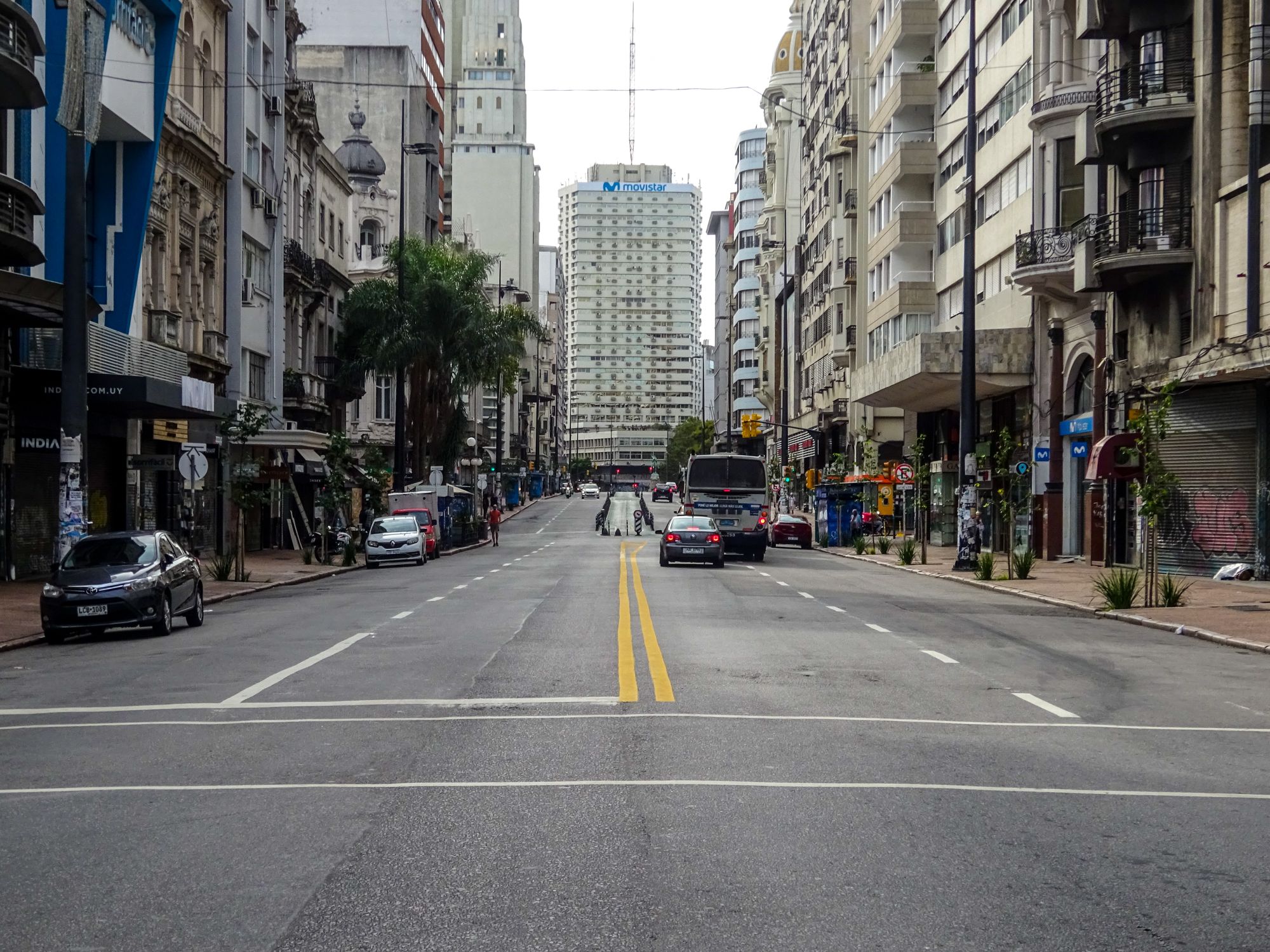
For women traveling alone, the neighborhoods of Pocitos, Punta Carretas, and Ciudad Vieja in Montevideo consistently rank as the safest and most walkable during daylight. These districts combine well-lit streets, active cafes, and a steady flow of locals and tourists, creating a natural eyes-on-the-street environment.
Uruguay’s Human Development Index score of 0.862 places it 52nd out of 193 countries globally, making it one of the most developed nations in Latin America. Universal healthcare and free public education are constitutionally guaranteed — both markers that translate into real-world traveler infrastructure: reliable public hospitals, educated service workers, and a functional legal system you can actually use if something goes wrong.
Quick safety snapshot
- Global Peace Index 2025: 46th worldwide (safest in South America)
- U.S. State Dept. Level 2 advisory — focus on Montevideo, Canelones, Maldonado, Rivera
- Lower street harassment than most of the region; safest Montevideo districts: Pocitos, Punta Carretas, Ciudad Vieja
Getting There & Entry Basics
Travelers from the U.S., Canada, the UK, EU nations, and Australia can enter Uruguay visa-free for tourism stays up to 90 days. All you need is a passport with at least one blank page; no additional paperwork is required for short visits. Flights land primarily at Carrasco International Airport (MVD) just outside Montevideo, and the airport is well-connected to the city via Uber, DiDi, and official airport shuttles.
If you are flying from North America, most airlines route through Sao Paulo or Buenos Aires, so be prepared for a brief layover. Once you arrive, the local currency is the Uruguayan Peso (UYU). In 2025 the exchange rate hovered between 38-42 UYU per USD, and ATMs from the Redbanred and Bancomat networks are plentiful in Montevideo, Punta del Este, and larger towns. For peace of mind, withdraw a modest amount during daylight hours and keep the rest in a secure travel wallet.
For the most up-to-date entry requirements, check the U.S. State Department’s Uruguay page. The official Ministry of Tourism site also offers practical travel tips and seasonal updates: Uruguay Natural.
Staying Safe Day-to-Day
Neighborhoods & Walking
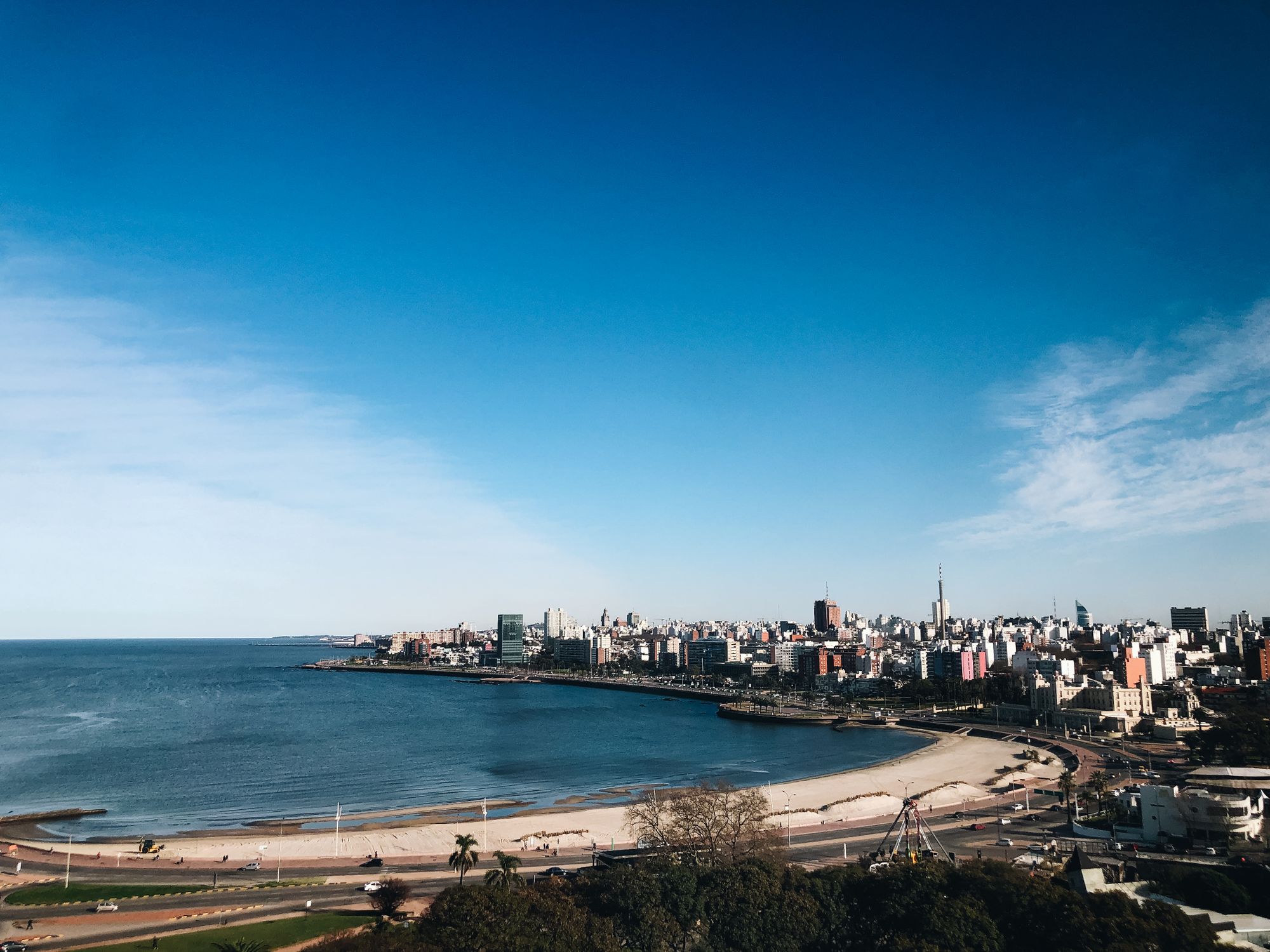
Montevideo’s coastal promenade, the Rambla, stretches for 22 km and is a favorite spot for joggers, cyclists, and sunset watchers. The stretch between Pocitos Beach and the historic Ciudad Vieja is especially lively during the day, with cafes, street vendors, and a constant flow of locals. Stick to well-lit main avenues after dark, and consider a short ride-share if you are returning late from a night out.
In Punta del Este, the “Boca” (the tip of the peninsula) is a tourist hub with a strong police presence. The beachfront promenade there is safe, but the surrounding residential streets can be quieter after sunset.
Transportation
Bus travel is Uruguay’s backbone for intercity movement. The Punta del Este to Montevideo route costs roughly UYU 483 (about USD 12) and is operated by COT, TURISMAR, and COPSA. Buses are modern, air-conditioned, and equipped with GPS tracking, making them a reliable choice for solo travelers. For more details on bus travel, see Guru’Guay’s bus guide.
Within cities, Uber and DiDi are recommended over unmarked taxis. They provide driver details, route tracking, and the ability to share your trip with a friend. If you do need a traditional taxi, always ask for the official Radio Taxi number and verify the vehicle’s license plate before getting in.
Money & Belongings
Because violent crime spikes during the summer, the State Department advises avoiding ATMs after dark. When you do need cash, use ATMs located inside banks, shopping malls, or 24-hour convenience stores. Keep your phone, passport, and wallet in a hidden money belt or a zip-up backpack.
A simple habit many solo women find empowering is to carry a small safety kit: a whistle, a portable charger, a copy of your passport (kept separate from the original), and a few local emergency numbers (Police: 911, Tourist Police: 0800 555 555).
Must-Do Itinerary: 5-Day Sample
Below is a flexible, day-by-day plan that balances cultural immersion, relaxation, and safety. Adjust the order based on your arrival day and whether you are traveling in the Carnival season.
Day 1 — Montevideo Arrival & Rambla Ritual
After settling into your accommodation (look for options in Pocitos or Ciudad Vieja), head straight to the Rambla. A gentle walk or bike ride along the waterfront sets a calming tone. Grab a coffee at Cafe Brasilero, a historic spot where locals gather.
In the afternoon, explore Ciudad Vieja’s Plaza Independencia, the Solis Theatre, and the Mercado del Puerto for a hearty Uruguayan asado. Sunset on the Rambla offers panoramic views of the Rio de la Plata. Dine at a seaside restaurant and keep the night walk to well-lit main streets.
Day 2 — Colonia del Sacramento Day Trip
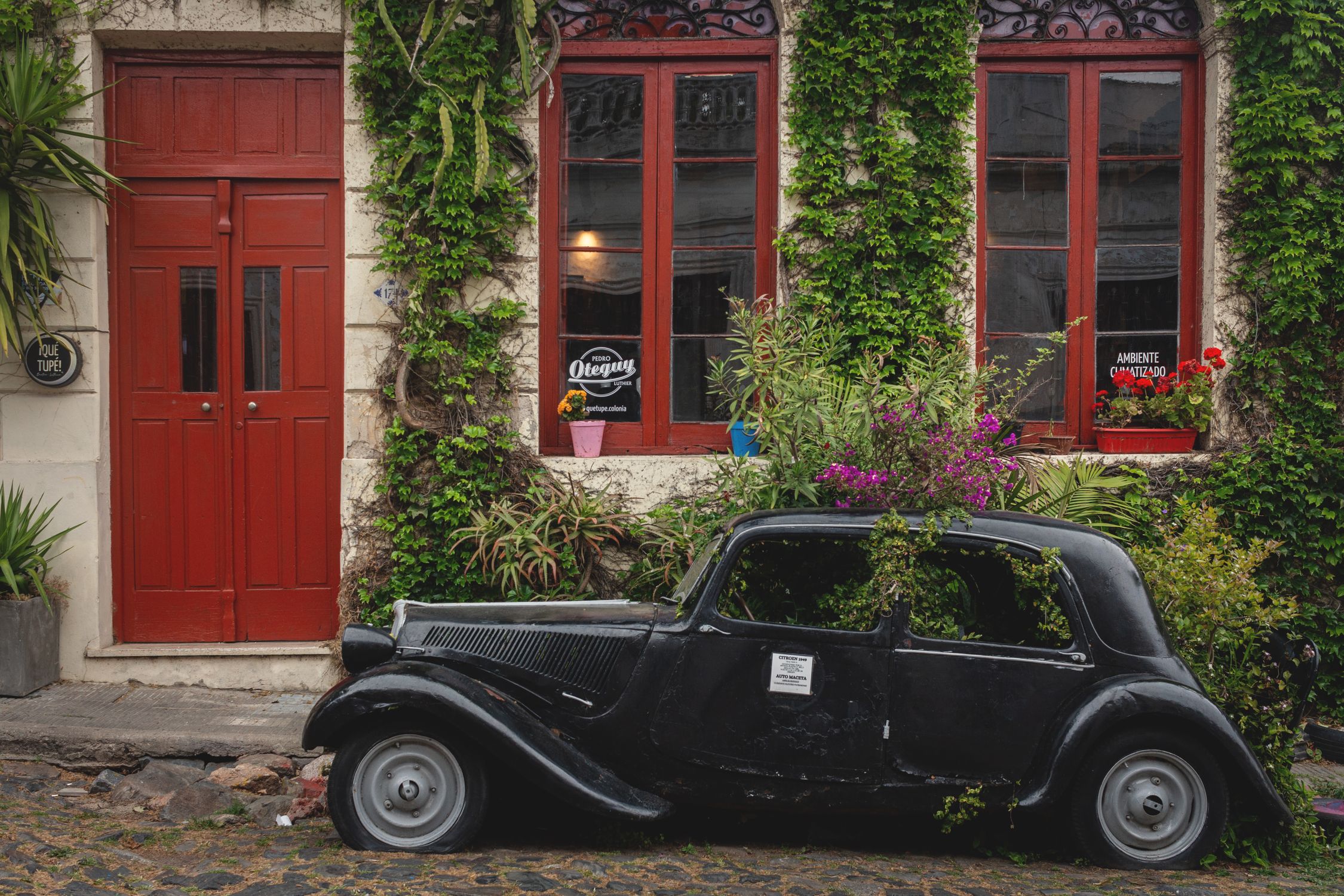
Take the 1-hour Buquebus or Colonia Express ferry from Montevideo’s port. The historic quarter (Barrio Historico) is a UNESCO World Heritage Site, founded by the Portuguese in 1680, with cobblestone lanes and colonial architecture that feels like stepping back in time.
Spend the morning wandering the lighthouse, the Plaza Mayor, and the iconic Calle de los Suspiros. Lunch at a riverside cafe, then catch the afternoon ferry back.

Day 3 — Montevideo Carnival (If Visiting January-February)
If your travel window aligns with the Montevideo Carnival (mid-late January, lasting approximately 40 consecutive days — making it the world’s longest carnival celebration), immerse yourself in the local vibe. The carnival is primarily a Uruguayan celebration, with candombe drum parades, colorful street performances, and tablados (stage shows). Because the crowds are mostly locals, it is a perfect opportunity to observe cultural traditions without tourist pressure. Stay in the safe neighborhoods of Punta Carretas or Pocitos, and use ride-share apps to move between venues.
For exact dates, see Guru’Guay’s Carnival calendar.
Day 4 — Punta del Este & Beaches
Catch an early bus (UYU 483, around USD 12) to Punta del Este. The town’s famous “La Mano” sculpture at Playa Brava is a photo-worthy stop. Spend the day lounging on Playa Mansa, where the water is calmer and the vibe more relaxed. In the evening, stroll the Gorlero Avenue promenade, enjoy a seafood dinner, and head back to Montevideo by bus.

Day 5 — Culture, Shopping & Departure
Use your final morning to explore Montevideo’s museums — the Museo Nacional de Artes Visuales or the Museo del Carnaval — both located in safe, central districts. Pick up souvenirs at the Feria Tristan Narvaja market (open Sundays) and practice your Spanish with friendly vendors. Before heading to the airport, treat yourself to a final walk along the Rambla.
Summer vs. Shoulder Season: What Changes
| Aspect | Summer (Dec-Mar) | Shoulder (Mar-Apr) |
|---|---|---|
| Weather | Avg 27 C, up to 10 sunshine hrs/day; beach water warm | Mild temps (20-24 C), fewer crowds |
| Safety | Higher incidence of motorcycle-pair theft; avoid ATMs after dark | Lower crime rates; safer night outings |
| Crowds | Peak tourist flow, especially in Punta del Este | Quieter streets, easier restaurant reservations |
| Prices | Accommodation at peak; flights more expensive | Hotels drop 10-20% post-summer; better deals |
| Carnival | Ongoing 40-day celebration; cultural immersion | Carnival ended; more local daily life to experience |
Uruguay has a humid subtropical climate with four full seasons. Summer averages 27 degrees C with up to 10 sunshine hours per day, while winters are mild and snow is virtually unknown. If you travel in the shoulder months of March-April, you will still enjoy warm coastal water, lower prices, and the same safety advantages — with the added bonus of empty beaches and easier restaurant bookings. Pack a light jacket for cooler evenings and a reusable water bottle; Uruguay’s tap water is safe to drink.
Cultural Etiquette & Body-Positive Travel
Uruguayans are known for their relaxed, egalitarian attitude. Dress codes are casual; beachwear is acceptable on the sand but not in restaurants or churches. When greeting locals, a simple “Hola!” or “Como esta?” is appreciated.
Women’s bodies are respected in most public spaces, especially in the safe districts highlighted earlier. Modesty is still valued in certain traditional neighborhoods — covering shoulders and knees when visiting churches or government buildings shows respect.
Tipping is not mandatory but appreciated: 10% in restaurants if service is not already included, and rounding up taxi fares. If you ever feel uncomfortable, a polite but firm “No, gracias” works well, and most service staff will respect it.
Uruguay’s progressive social culture also extends to LGBTQ+ rights — the country was the first in Latin America to legalize same-sex marriage (2013) and has some of the most comprehensive anti-discrimination protections on the continent. For solo female travelers, this progressiveness translates into a general climate of respect and openness that you feel in everyday interactions: in cafes, on the Rambla, and at local markets.
Language is not a major barrier in tourist hubs; staff at most hotels, restaurants, and ferry terminals in Montevideo and Punta del Este speak functional English. In smaller towns, a basic Spanish phrasebook or a translation app will take you far. Uruguayans genuinely appreciate even small attempts to use local Spanish, and a warm exchange with a market vendor or bus driver is often the highlight of the day.
One cultural ritual worth embracing is mate — the bitter herbal tea drunk through a metal straw from a shared gourd. If a local offers you mate, accepting is a sign of trust and friendship. Declining is fine too, just do so with a smile. Tereré, the iced version popular in the summer heat, is equally beloved and a refreshing way to connect with locals at the beach.
Resources & Helpful Links
- U.S. State Department Uruguay Travel Information
- Uruguay Natural: Official Ministry of Tourism Website
- Guru’Guay: Is Uruguay Safe? Local Expert Guide
- Guru’Guay: Travelling by Bus in Uruguay
- Guru’Guay: Montevideo Carnival 2026 Dates
- Wikipedia: Uruguay Country Overview
Related Reading
Get price-drop alerts and new guides from HerTripGuide
One email a week: price drops on the gear we recommend, new guides, and what changed. No spam, unsubscribe anytime.