Best Women's Adventure Travel Groups & Tours 2026
Best women-only adventure travel groups 2026: AdventureWomen, Wild Women Expeditions, Intrepid, Flash Pack reviewed. Choose your group, pack right, go further.

This post may contain affiliate links. Disclosure
There is a sweet spot between traveling completely solo and joining a generic group tour. Women’s adventure travel groups occupy that space, offering the camaraderie and safety of a group combined with the spirit of independence and self-discovery that drives solo travel. These are not the bus tours your parents took. They are treks through the Himalayas with a crew of equally ambitious women, surf camps in Morocco with instructors who understand female-specific coaching, and safari expeditions led by women who have spent decades in the bush.
The women’s adventure travel market has grown substantially in recent years, driven by the reality that women make up nearly 65% of all solo travelers worldwide and many want the challenge of adventure without the logistics of planning it alone. A Travel Market Report analysis found that solo women’s groups are actively redefining adventure travel by creating programs that match their actual pace preferences, safety priorities, and desire for genuine connection — not softer versions of male-coded adventure, but their own category.
The best companies in this space understand that women’s adventure travel is not a softer version of regular adventure travel. It is its own category, with its own dynamics, strengths, and requirements. This guide reviews the best women’s adventure travel companies operating in 2026, covering everything from budget-friendly group treks to luxury expedition experiences.
Why Women-Only Adventure Groups Work
Before diving into specific companies, it is worth understanding why the women-only format produces a qualitatively different experience.
Pace and pressure. In mixed-gender adventure groups, there is often an unspoken pressure to keep pace with the fastest members, who are disproportionately male. Women’s groups set their own pace without that dynamic, and the result is usually a more enjoyable, more sustainable experience for everyone.
Risk calibration. Women’s groups tend to take a more thoughtful approach to risk assessment, balancing adventure with genuine safety planning. This does not mean less challenging; it means more intelligently challenging.
Vulnerability and connection. Women in all-female groups report feeling more comfortable sharing fears, asking for help, and being honest about their physical limits. This creates stronger group bonds and a more supportive environment.
Specific needs addressed. From menstrual product availability to bathroom considerations on long treks to cultural dynamics in countries where women’s movement is restricted, women-only companies anticipate and plan for the specific realities that female travelers face.
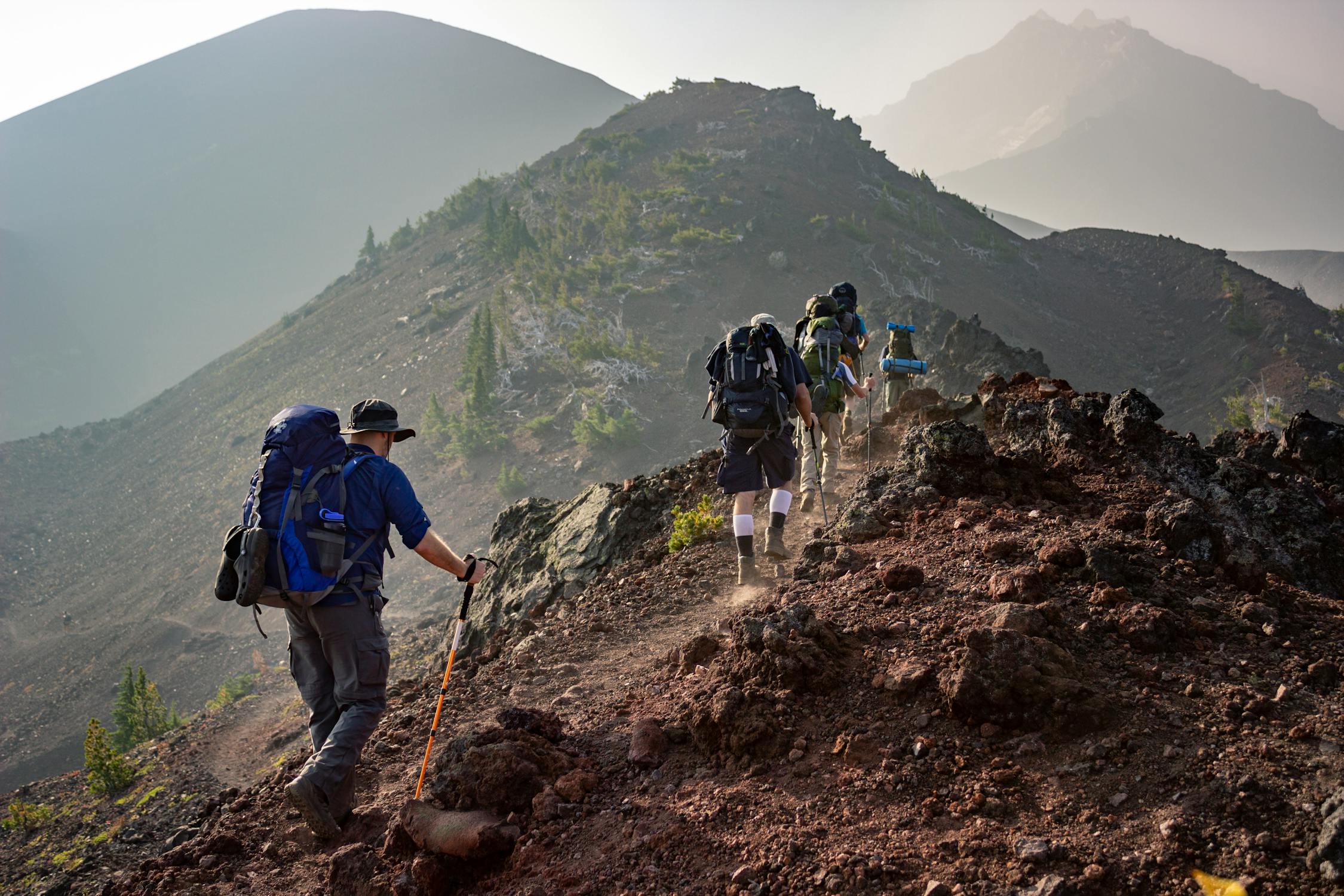 Photo credit on Pexels
Best Women’s Adventure Travel Companies
AdventureWomen (formerly Adventure Women)
Founded: 1982 Speciality: Active cultural adventures for women 30+ Destinations: Worldwide (50+ destinations) Price range: $3,000 to $8,000 Group size: 10 to 16 women
AdventureWomen is one of the pioneering companies in women’s travel, operating for over four decades and widely considered the gold standard of the category. Their trips blend physical adventure with cultural immersion: hiking in Patagonia with visits to local estancias, trekking in Nepal with community visits, cycling in Tuscany with cooking classes and wine tastings.
For 2026, AdventureWomen has introduced five new North America itineraries — a wellness-focused Baja trip, an active adventure in Utah, a multi-adventure experience in Alaska, an exploration of California national parks, and a tour through Glacier National Park — expanding their accessible domestic offerings alongside their international program. The demographic skews toward women in their 40s, 50s, and 60s, which means the pace is active but sustainable, and the conversation tends to be rich and thoughtful. Many women return year after year, creating a loyal community.
What sets them apart: Their longevity and the depth of their local connections. After 40+ years, their guides and local partners know how to create experiences that go beyond surface-level tourism.
Wild Women Expeditions
Founded: 1991 Speciality: Multi-sport wilderness adventures Destinations: Canada, Iceland, Costa Rica, Peru, Portugal, and more Price range: $1,500 to $5,000 Group size: 8 to 16 women
Wild Women Expeditions is one of the oldest and most respected women’s adventure companies. Their trips combine multiple activities — canoeing, hiking, kayaking, snowshoeing, and cultural experiences — into cohesive wilderness journeys. The leadership team consists entirely of women with extensive outdoor guiding experience.
Their Canadian trips are particularly acclaimed: multi-day canoe expeditions in Algonquin Park, sea kayaking in the Bay of Fundy, and backcountry skiing in British Columbia. International offerings include hiking Iceland’s Laugavegur Trail, trekking to Machu Picchu, and surfing in Portugal.
What sets them apart: Their emphasis on genuine wilderness skills. You do not just experience the outdoors; you learn to navigate, make camp, read weather, and build competence that stays with you after the trip ends.
Intrepid Travel Women’s Expeditions
Founded: 1989 (women’s program launched 2019) Speciality: Immersive cultural adventures in challenging destinations Destinations: Morocco, Jordan, Iran, India, and other destinations where women-only groups provide specific advantages Price range: $1,500 to $4,000 Group size: 8 to 12 women
Intrepid’s women’s expeditions focus on destinations where traveling as a woman-only group provides access to experiences that mixed groups cannot access: visiting women’s cooperatives in Morocco, entering women-only spaces in Iran, and engaging with female artisans and entrepreneurs in India and Jordan. The trips are led by local female guides, which creates a bridge between travelers and local women’s lives.
This is not voluntourism or poverty tourism; it is genuine cross-cultural exchange facilitated by shared gender identity.
What sets them apart: The focus on destinations where the women-only format unlocks unique access rather than simply being a preference.
Backroads Women’s Adventures
Founded: 1979 Speciality: Active walking, hiking, and cycling tours Destinations: Worldwide Price range: $2,900 to $12,000 (average around $5,300) Group size: 10 to 16 women
Backroads launched its dedicated Women’s Adventures program and has expanded it significantly for 2026, including new walking and hiking tours in Colombia, the Pyrenees, Tasmania, and Death Valley. Their operational excellence — what’s included: accommodations, most meals, all transportation during the trip, activities and entry fees, trip leaders and guides, baggage transfers — makes them one of the most reliable choices in the market. The higher price point reflects genuine value: you arrive at the start point and hand off every logistical concern.
What sets them apart: Their operational quality is among the best in the industry. No detail is overlooked, and the guides are consistently exceptional.
Flash Pack
Founded: 2014 Speciality: Social adventure travel for solo travelers in their 30s and 40s Destinations: Worldwide Price range: $2,000 to $5,000 Group size: 10 to 14 travelers
Flash Pack is not exclusively women-only, but their solo-traveler focus means many trips are majority female. Their trips are designed for active professionals who want adventure without the backpacker vibe: cocktail-making in Medellin, surfing in Sri Lanka, hiking in Patagonia, and exploring Tokyo’s hidden neighborhoods.
The demographic is specifically 30- and 40-something solo travelers, which creates a social dynamic that is more mature and intentional than typical backpacker tours. Many participants form lasting friendships.
What sets them apart: The design focus on solo travelers ensures that group dynamics are calibrated for people who are independent by nature, which creates a comfortable environment for women who want community without clinginess.
WOAH Travel (Women High On Adventure)
Founded: 2019 Speciality: High-altitude and bucket-list adventure experiences Destinations: Tanzania (Kilimanjaro), Peru (Machu Picchu), Nepal, and expanding Price range: $2,500 to $6,000 Group size: 8 to 14 women
WOAH Travel leads boutique women-powered excursions designed to push you to new limits. Their signature adventures include high-altitude hikes to Kilimanjaro and Machu Picchu with women-only summit teams, and their approach emphasizes genuine challenge rather than modified difficulty. For women who want to test their limits in a completely supportive environment, WOAH stands out as one of the most exciting newer operators in the market.
What sets them apart: Unapologetically ambitious itineraries that don’t downgrade difficulty — they upgrade support systems.
Women Traveling the World
Founded: 2017 Speciality: Small-group adventures for women of all ages Destinations: Bali, Costa Rica, Peru, Morocco, Iceland, Portugal Price range: $2,000 to $4,500 Group size: 6 to 12 women
Women Traveling the World emphasizes transformational travel experiences that combine adventure with personal growth. Trips typically include activities like yoga, journaling workshops, facilitated group discussions, and cultural immersion alongside hiking, snorkeling, and exploration. The small group sizes create intimate bonds, and the personal growth element means that conversations often go deeper than typical group travel.
Many women book these trips during life transitions: after a divorce, a career change, or the death of a loved one.
What sets them apart: The integration of personal development with adventure travel, creating trips that are both outwardly exciting and inwardly transformative.
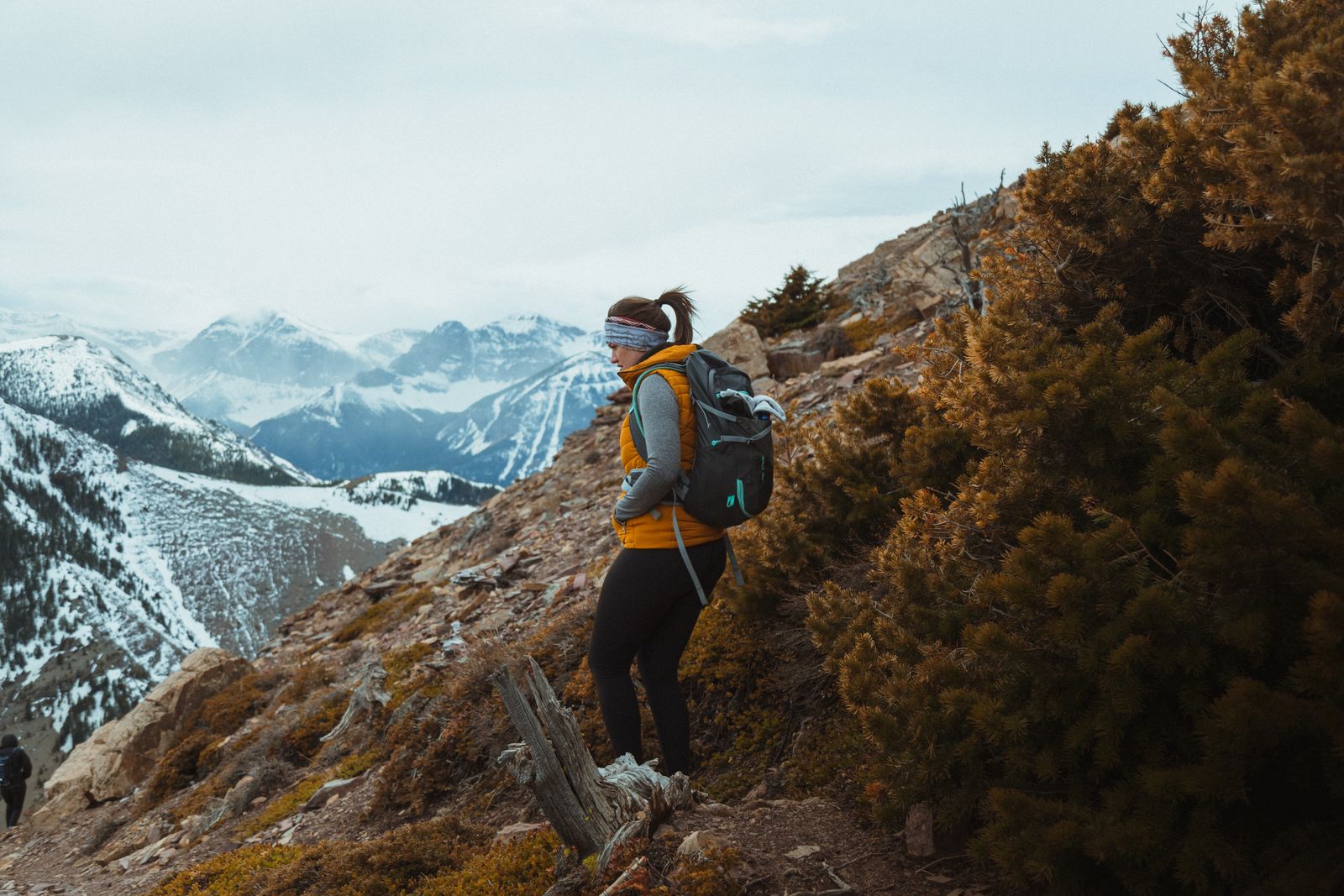
 Photo credit on Pexels
Activity-Specific Women’s Groups
Surf
Surf Sistas (Portugal, Morocco, Sri Lanka): Beginner to advanced surf camps run by women, for women. Week-long camps include daily lessons, yoga, and accommodation in beach houses. Prices start at $800 for a week.
Las Olas Surf Safaris (Mexico, Nicaragua, Costa Rica): Luxury women’s surf retreats with world-class coaching. Higher price point ($2,500 to $4,000 per week) but exceptional quality.
Cycling
Trek Women’s Rides (Worldwide): Trek bicycle company sponsors women’s group rides and cycling tours globally. Events range from single-day rides to multi-day touring adventures.
Wheel Women (Europe): Women-only cycling tours through France, Italy, Spain, and Portugal. Trips are graded by difficulty, from leisurely wine country rides to challenging mountain passes.
Trekking
WanderWomen (Ireland, Greece, Peru): Small-group trekking adventures led by female guides. Ireland’s Wild Atlantic Way and Greece’s Mani Peninsula are standout offerings.
Alpenglow Expeditions Women’s Climbs: For women interested in mountaineering, Alpenglow offers women-only ascents of mountains worldwide, from introductory peaks to advanced climbs.
Scuba Diving
Girls that Scuba: Not a tour operator but the world’s largest female diving community (300,000+ members). They organize group trips, connect dive buddies, and provide a platform for women to share diving destinations and experiences.
What to Pack for Women’s Adventure Group Trips
Packing for a group adventure trip differs from standard travel because your gear needs to match the activity level while remaining manageable on group transfers. Check your company’s gear list carefully, then layer in these essentials. Our packing checklist for solo women covers the baseline — adventure trips build on top of that.
Layering system. Mountain weather changes rapidly. Pack a moisture-wicking base layer, an insulating mid-layer (fleece or down jacket), and a waterproof outer shell. This system handles everything from tropical heat to alpine cold.
Proper footwear. Invest in broken-in hiking boots for trekking trips and water shoes for coastal adventures. The single most common equipment complaint on adventure trips is inadequate footwear. Do not debut new boots on the first day of a multi-day trek.
Quick-dry clothing. Merino wool and synthetic fabrics that dry overnight are essential for multi-day adventures where laundry facilities may not exist. Pack fewer items and wash frequently.
Personal first aid additions. While all reputable companies carry group first-aid kits, bring your own blister treatment (moleskin, blister bandages), anti-chafing balm, and any personal medications. Menstrual products sufficient for the trip duration are essential, as resupply may not be possible in remote areas.
Petzl Tikkina Headlamp. Essential for early morning starts, late evening returns, and any camping component. A headlamp keeps your hands free for scrambling, cooking, and navigating in low light.
BAGAIL 8-Set Packing Cubes. Most adventure tour operators require a single carry-on bag to simplify group logistics. Compression cubes are what make two weeks of adventure gear — base layers, insulating mid-layers, quick-dry clothing, rain gear — fit into a 40-45 liter pack without chaos.
Dry bags. Waterproof dry bags protect electronics, documents, and dry clothing during water-based activities and rainy trekking days. They weigh almost nothing and save significant stress.
How to Choose the Right Group
Match the intensity to your fitness. Be honest about your current physical condition. Most companies provide fitness level ratings for their trips. Choosing a trip that is too physically demanding will make you miserable; choosing one that is too easy will bore you.
Consider the group dynamic. Some companies attract a specific demographic (age range, fitness level, personality type). Read reviews and ask the company about the typical participant profile. You want to be among women you will enjoy spending 24 hours a day with for a week or more.
Check the guide credentials. The quality of guides makes or breaks an adventure trip. Ask about guide certifications, wilderness first aid training, and experience leading women’s groups specifically. Female guides who understand the physical and social dynamics of women’s adventure travel create significantly better experiences.
Understand what is included. Adventure trip pricing can be misleading. Some companies include all meals, transportation, equipment, and activities. Others quote a base price and add costs for meals, gear rental, and optional activities. Compare total costs, not headline prices.
Read solo traveler reviews. Even in group settings, the solo traveler experience can differ from the experience of women who come with a friend. Look specifically for reviews from women who joined alone.
Ask about the single supplement. Some companies charge a single supplement for solo travelers who want a private room. Others include private rooms in the price or pair solo travelers with compatible roommates. This can significantly affect the total cost.
Preparing Physically for Adventure Travel
Most adventure travel companies provide fitness guidelines for each trip. Taking these seriously will dramatically improve your experience.
Start training 8 to 12 weeks before departure. If your trip involves trekking, begin with regular hikes that gradually increase in distance and elevation gain. For cycling trips, build your endurance on a stationary bike or road bike. For water-based adventures, swim laps to build cardiovascular fitness and comfort in the water.
Train with your gear. Break in your hiking boots on training hikes, not on the first day of the trek. Carry a loaded daypack to accustom your body to the weight. Practice using trekking poles if your trip includes them.
Build core strength. Core stability prevents injuries on uneven terrain, in boats, and on bicycles. Planks, squats, lunges, and balance exercises three times per week for two months will make a measurable difference.
Address altitude if relevant. If your trip goes above 3,000 meters (10,000 feet), understand the symptoms of altitude sickness (headache, nausea, fatigue, dizziness) and know that physical fitness does not prevent it. Proper acclimatization, hydration, and slow ascent are the only reliable strategies. Talk to your doctor about altitude medication (acetazolamide) if your itinerary involves rapid elevation gain.
Do not over-train. The goal is to arrive at the trip start feeling strong and healthy, not exhausted from a last-minute training blitz. Taper your training in the final week before departure.
Budget Considerations
Women’s adventure group trips represent a range of price points, and understanding what affects cost helps you make informed decisions.
What drives cost up: Remote destinations requiring charter flights or specialized logistics, luxury accommodation, small group sizes (which spread fixed costs across fewer participants), specialized equipment provided by the company, and high-credential guides.
What keeps cost down: Popular destinations with established tourism infrastructure, larger group sizes, basic but comfortable accommodation (camping, guesthouses), and trips where participants provide their own equipment.
Hidden costs to budget for: International flights to the trip start point (rarely included), travel insurance (always required, sometimes included), tips for guides and local staff (typically $100 to $300 for a week-long trip), personal equipment purchases, and pre/post-trip accommodation in the departure city. Our travel insurance guide for solo women covers what adventure-specific policies need to include — medical evacuation and gear coverage matter more on these trips than on city breaks.
Value calculation: A $3,000 week-long adventure trip that includes accommodation, meals, guides, equipment, and activities may actually be cheaper than independently organizing the same experience, particularly in remote destinations where logistics are complex.
What to Know Before You Go
Joining a women’s adventure group does not mean giving up independence. The best companies create a framework that handles the logistics, safety, and expert guidance while leaving you free to engage at your own level. You can be as social or as solitary as you want within the group structure.
If you have never done a group adventure trip, consider starting with a shorter option (3 to 5 days) to test the format before committing to a two-week expedition. And if the idea of a group trip feels like a compromise on your independence, reframe it: even the most experienced mountaineers climb in teams. Choosing to adventure with other women is not a concession. It is a strategy for going further, higher, and deeper than you might go alone.
The summit is the summit regardless of how you get there. Learn how to meet people while traveling solo outside of organized groups too — skills that transfer directly into group dynamics. If you prefer to start with solo exploration first, our guide to overcoming first trip anxiety can help you build confidence before joining a group. The women you climb with might just become the best part of the journey.
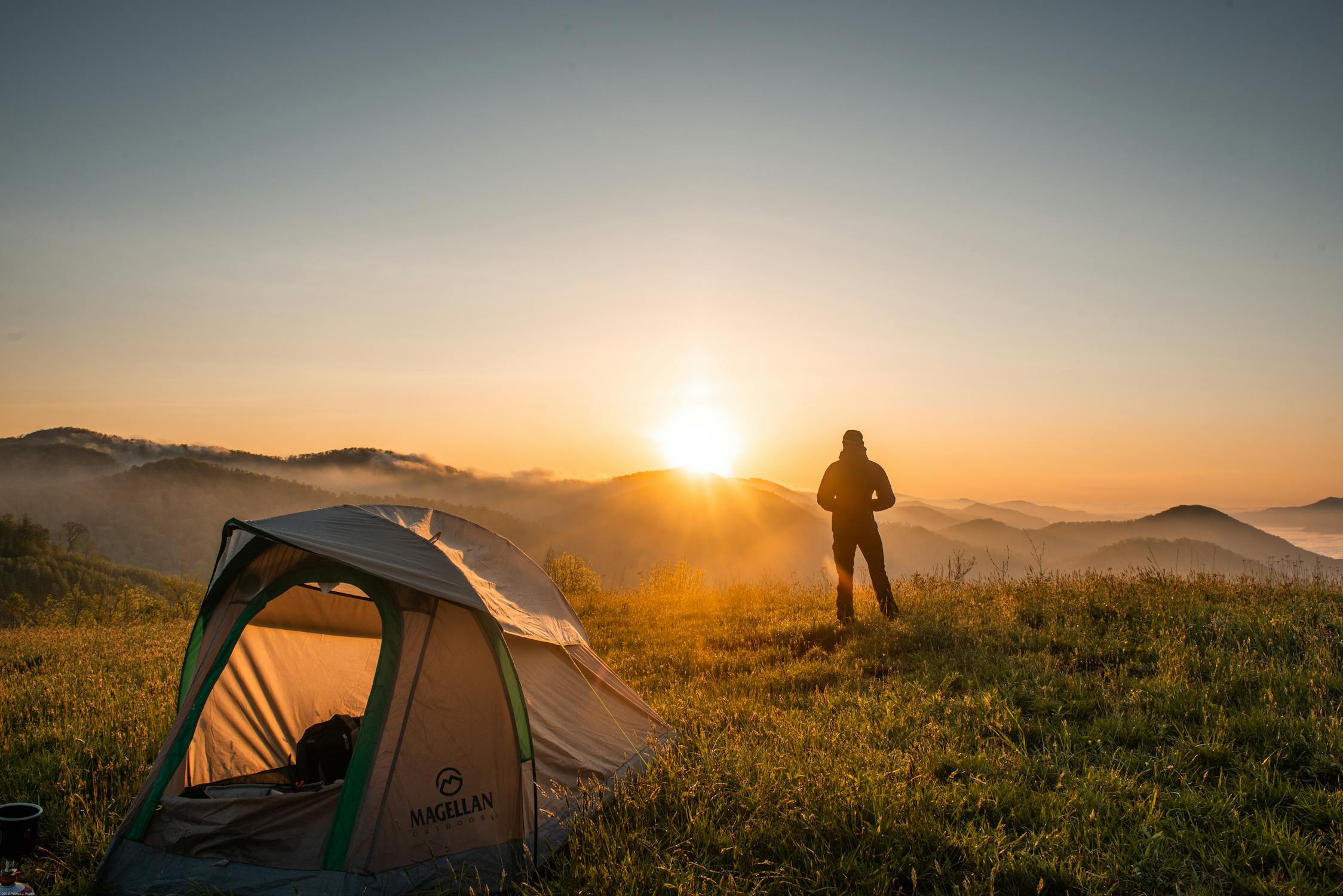 Photo credit on Pexels
Related Reading
Get the best HerTripGuide tips in your inbox
Weekly guides, deals, and insider tips. No spam, unsubscribe anytime.