Dubai Solo Female Travel Guide
Everything solo women need to know about Dubai: safest neighborhoods, getting around, budgets, and where to stay.

Dubai, United Arab Emirates

About Dubai
Dubai is the most populous city in the United Arab Emirates and the capital of the Emirate of Dubai. It is on a creek on the southeastern coast of the Persian Gulf. As of 2025, its population stands at 4 million, 92% of whom are expatriates.
Read more on WikipediaQuick Facts
Safety score derived from the U.S. State Department Travel Advisory for United Arab Emirates: Level 3 (Reconsider Travel), as of 2026-07-08. Country-level guidance; check local conditions before you go.
A Warm Welcome to Dubai
 Photo: Dubai Skyline and Burj Khalifa - 25072008.jpg by petter palander (CC BY 2.0), via Wikimedia Commons
Hey sister traveler, welcome to Dubai — a glittering oasis where modern ambition meets desert soul. With its iconic skyline, world-class shopping, and a cultural tapestry that stretches from historic souks to futuristic art districts, the city feels like a playground for the curious and the confident. Dubai is home to roughly 3.655 million people, making it the most populous city in the United Arab Emirates (according to Wikipedia). Whether you’re sipping mint tea in Al Fahidi or watching the sunset from a rooftop lounge in Downtown, you’ll find a city that’s built for tourists and easy to navigate solo.
Neighborhoods to Know
Downtown Dubai
 Photo: Burj Khalifa (16260269606).jpg by Laika ac (CC BY-SA 2.0), via Wikimedia Commons
The heart of the city, home to the Burj Khalifa and Dubai Mall, with a walkable promenade of cafes and art installations. It’s a great base for first-time visitors who want to be close to the major attractions.
Dubai Marina
 Photo: Dubai Marina and skyline from Le Royal Méridien Beach Resort and Spa.jpg by CT Cooper (Public domain), via Wikimedia Commons
A sleek waterfront district lined with high-rise apartments, trendy eateries, and a bustling promenade. The marina vibe feels cosmopolitan and is perfect for evening strolls by the water.
Al Barsha & Mall of the Emirates
 Photo: Mall of the Emirates, Dubai (Ank Kumar) 01.jpg by Ank Kumar (CC BY-SA 4.0), via Wikimedia Commons
A residential-friendly area that offers easy access to the Mall of the Emirates and its indoor ski slope. It’s quieter than the downtown core but still well-connected to the rest of the city.
Jumeirah Beach Residence (JBR)
 Photo: Dubai Jumeirah Beach.JPG by pe-sa (CC BY 3.0), via Wikimedia Commons
If you love the beach, JBR blends sandy shores with a lively boardwalk full of restaurants, boutique shops, and street performances. It’s a tourist-friendly spot that feels like a resort town within the city.
Deira & Bur Dubai (Historic Core)
 Photo: Al Fahidi Historical Neighbourhood, Dubai.jpg by Delta.jpg (CC BY-SA 4.0), via Wikimedia Commons
For a taste of old Dubai, wander the winding lanes of the Al Fahidi Historical Neighbourhood in Bur Dubai, or cross the creek to Deira’s souks. Here you’ll find traditional wind-tower architecture, historic mosques, and a more authentic glimpse of Emirati life.
Top Things to Do in Dubai
Sister, once you’ve settled into a neighborhood, here’s where to actually spend your days.
1. Burj Khalifa
At 829.8 meters, the Burj Khalifa has been the world’s tallest building since it was completed in 2009, anchoring Downtown Dubai. The observation decks are an easy solo outing — book a time slot online and you can be up and back down before dinner.
2. Dubai Mall
Right next to the Burj Khalifa, this mall has over 1,200 shops across four floors of leasable space. It’s air-conditioned, well-signed, and endlessly walkable if you want a low-key solo afternoon away from the heat.
3. The Dubai Fountain
A choreographed fountain system on the 12-hectare Burj Khalifa Lake, shooting water up to 500 feet with performances timed to music through the evening. Grab a spot along the promenade before a show starts — it’s free, safe, and a nice way to end a solo day of sightseeing.
4. Jumeirah Mosque
Built between 1975 and 1979 in Fatimid and Mamluk architectural style, this is one of the few mosques in the UAE open to non-Muslim visitors, through guided tours run by the Sheikh Mohammed Centre for Cultural Understanding. It’s a respectful, welcoming way to learn about Emirati culture as a solo visitor.
5. Palm Jumeirah
This artificial island archipelago, built by land reclamation starting in 2001, is shaped like a palm tree when seen from above. A monorail and taxis make it easy to visit the beach clubs and boardwalk without a car.
6. Dubai Frame
Standing 150.24 meters tall in Zabeel Park, this observatory and museum opened in 2018 and frames views of old and new Dubai side by side from its sky bridge. It’s a quick, self-guided stop that pairs well with a stroll through the park.
Book tickets & skip-the-line tours: Browse Dubai experiences
Getting Around
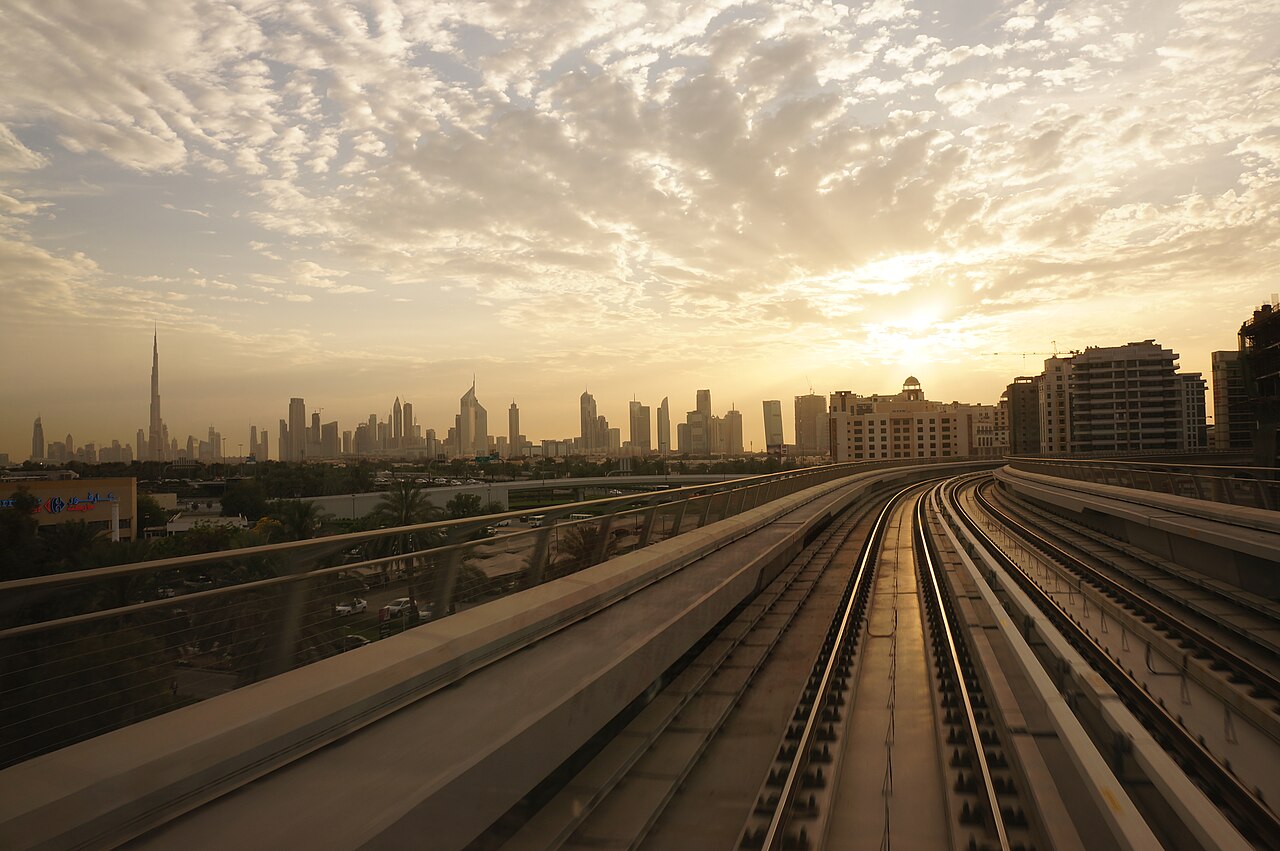 Photo: Dubai Metro at Sunset.JPG by Jahak (CC BY-SA 3.0), via Wikimedia Commons
Dubai’s public-transport network is modern, clean, and well-signposted, which makes moving around feel straightforward even if you’re traveling alone.
- Metro: The driverless Dubai Metro links the main districts, with Red and Green lines that stop at key attractions like the Burj Khalifa, Dubai Mall, and Dubai Marina. Trains run frequently and are air-conditioned — a blessing in the desert heat.
- Taxis: Taxis are plentiful, metered, and generally safe. You can hail one on the street, book through an app, or ask your hotel to arrange a ride. Female drivers are also an option if you prefer.
- Buses: An extensive bus network weaves through neighborhoods that the metro doesn’t cover. Buses accept the same Nol card used for the metro, keeping payment simple.
- Nol Card: This rechargeable smart card works across metro, bus, and tram services. Pick one up at any metro station for a seamless way to hop between modes of transport.
Because the city is built with tourists in mind, signage is in English as well as Arabic, and most staff speak multiple languages.
Safety & Practical Notes
The U.S. State Department rates the United Arab Emirates Level 3 (Reconsider Travel) (as of 2026-07-08). Check the latest guidance before you fly, and consider enrolling in the State Department’s STEP program if you’re a U.S. citizen. Day-to-day, Dubai’s environment is highly organized: strict laws, a visible police presence, and extensive CCTV coverage mean petty crime is rare in the areas most travelers visit.
Visa: If you hold a U.S. passport, you’ll receive a free 30-day visa on arrival. This makes the entry process smooth and hassle-free.
Currency: The official currency is the Emirati Dirham (AED). Credit cards are widely accepted, and ATMs are easy to find in malls, hotels, and major streets.
Language: Arabic is the official language, but English is spoken fluently in most tourist areas, hotels, and restaurants.
Tap Water: Dubai’s municipal tap water is treated to potable standards and is generally considered safe, though many residents and visitors still prefer bottled water for taste. Bottled water is inexpensive and readily available.
Plug Type: Dubai uses Type G sockets (230V), the same three-pin plug as the UK, so bring an adapter if you’re arriving from elsewhere.
Emergency Services: Dial 999 for police, 998 for ambulance, or 997 for fire.
Dress Code: Dubai is modern, yet modesty is appreciated, especially in traditional neighborhoods and religious sites. A light scarf or shawl can be handy for covering shoulders when needed.
Cultural Etiquette: Public displays of affection are best kept low-key, alcohol is only served in licensed venues, and it’s respectful to ask before taking photos of locals.
Best Time to Visit
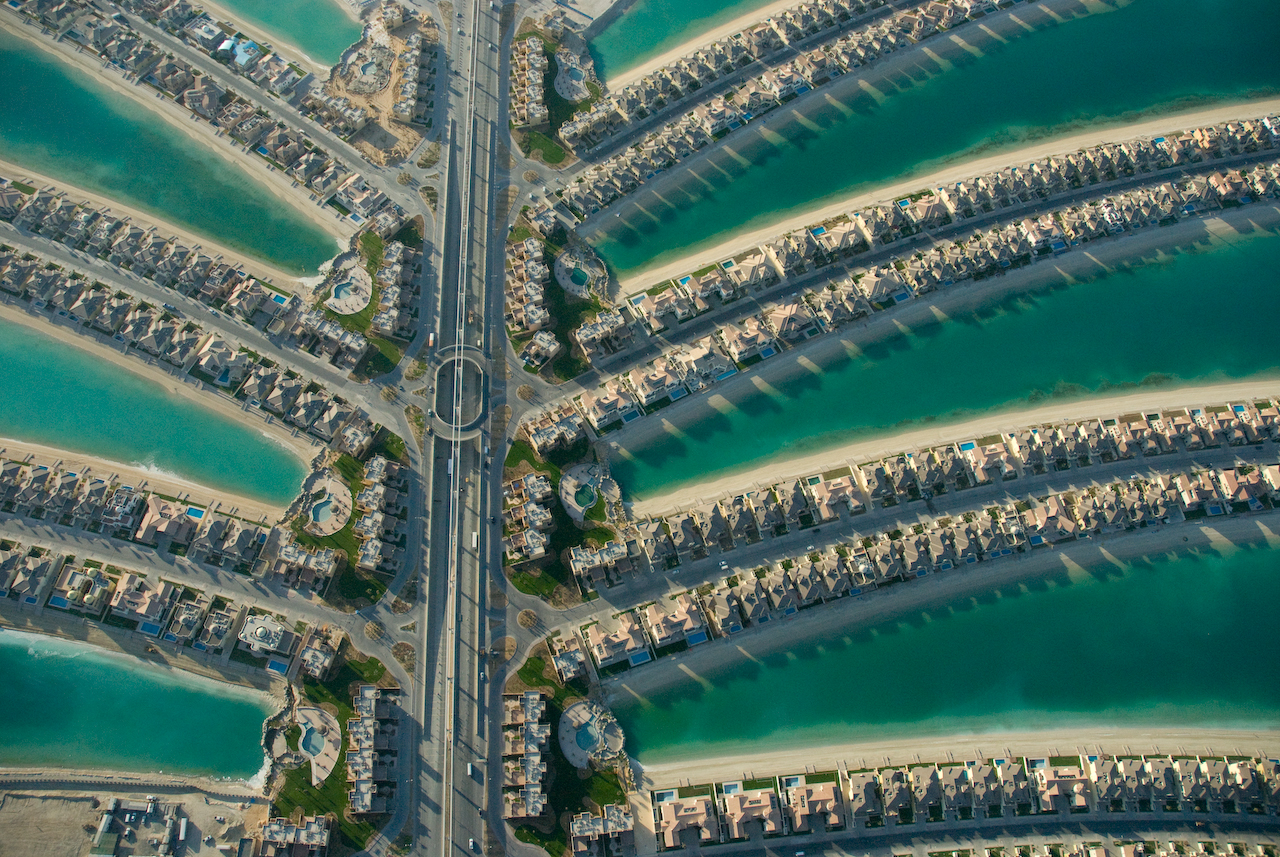 Photo: Palm jumeirah core.jpg by Aheilner (CC BY-SA 4.0), via Wikimedia Commons
Dubai enjoys sunshine year-round, but many travelers prefer the cooler months from November to March, when temperatures are milder and outdoor activities like desert safaris and beach days feel much more comfortable. If you’re flexible, aim for that window to enjoy pleasant weather while still catching the city’s festival calendar.
Where to Stay
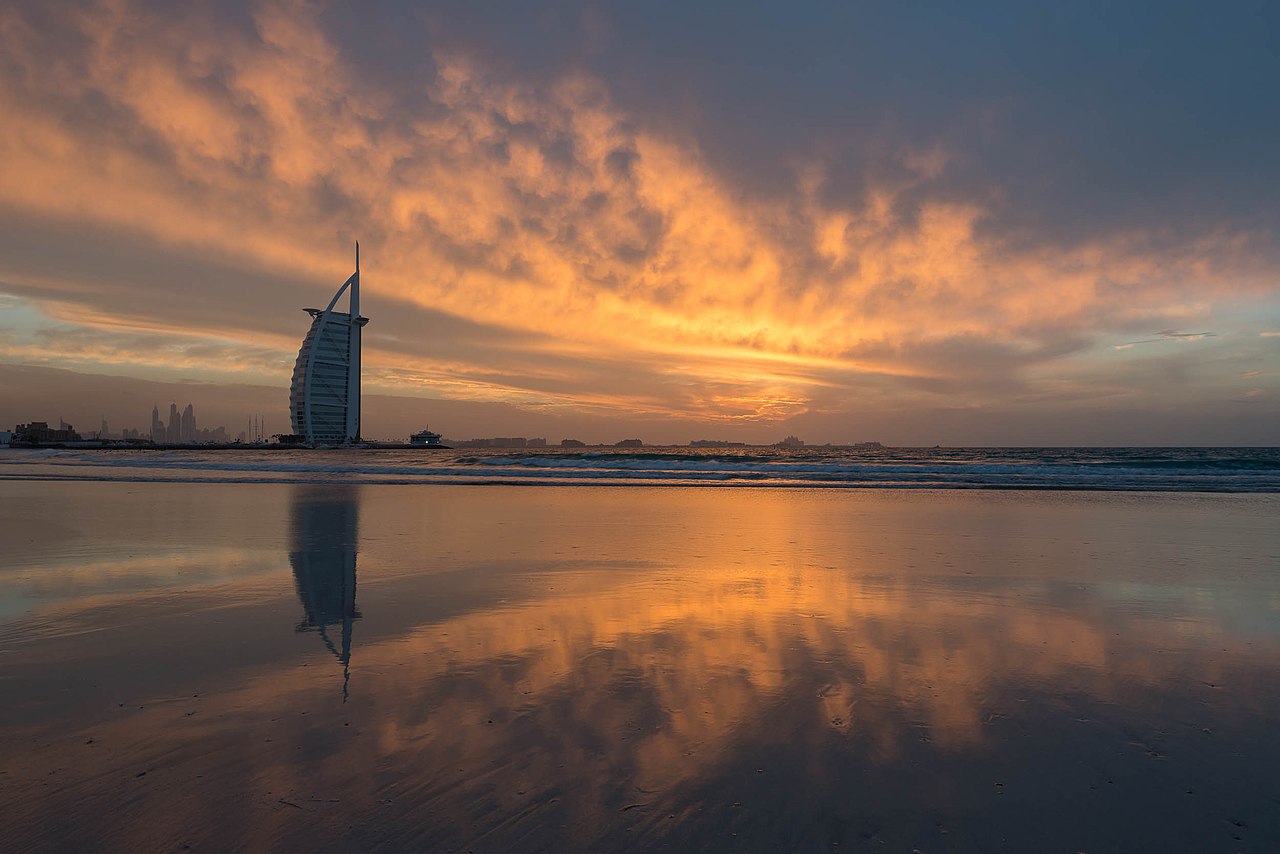 Photo: Burj Al Arab during sunset.jpg by Nicolascornet (CC BY-SA 4.0), via Wikimedia Commons
Dubai offers a range of accommodation that caters to solo female travelers, from boutique hotels in Al Barsha to stylish serviced apartments in Downtown. Look for places with 24-hour front desks, female-only floors, or wellness-focused amenities to enhance your sense of security and comfort. For curated options that match your travel style, check out our full hotel guide.
Enjoy the sparkle, the culture, and the confidence that comes with exploring Dubai on your own terms. You’ve got this, and the city is ready to welcome you with open arms.
Frequently Asked Questions
Is Dubai safe for a woman traveling alone?
The U.S. State Department rates the United Arab Emirates Level 3 (Reconsider Travel), as of 2026-07-08, so check the latest guidance before you fly. Day-to-day, Dubai is highly organized -- strict laws, a visible police presence, and extensive CCTV coverage -- and most tourist areas stay busy and well-lit into the evening.
Do I need a visa if I'm a U.S. citizen?
No pre-travel visa is required. U.S. passport holders receive a free 30-day visa on arrival, per UAE government visa policy for U.S. citizens.
What currency should I carry, and can I use credit cards?
The official currency is the Emirati Dirham (AED). Credit and debit cards are accepted almost everywhere, from malls to street-side cafes, and ATMs are easy to find.
How do I get around if I'm not comfortable driving?
The Dubai Metro, metered taxis, and the city's bus network are all reliable. Pick up a Nol card at any metro station for seamless travel across metro, bus, and tram.
Get price-drop alerts and new guides from HerTripGuide
One email a week: price drops on the gear we recommend, new guides, and what changed. No spam, unsubscribe anytime.