Travel Guide to Lisbon, Portugal
Sunny, affordable, and welcoming, Lisbon is a European gem where solo women can explore centuries of history, eat magnificently, and feel at ease day and night.
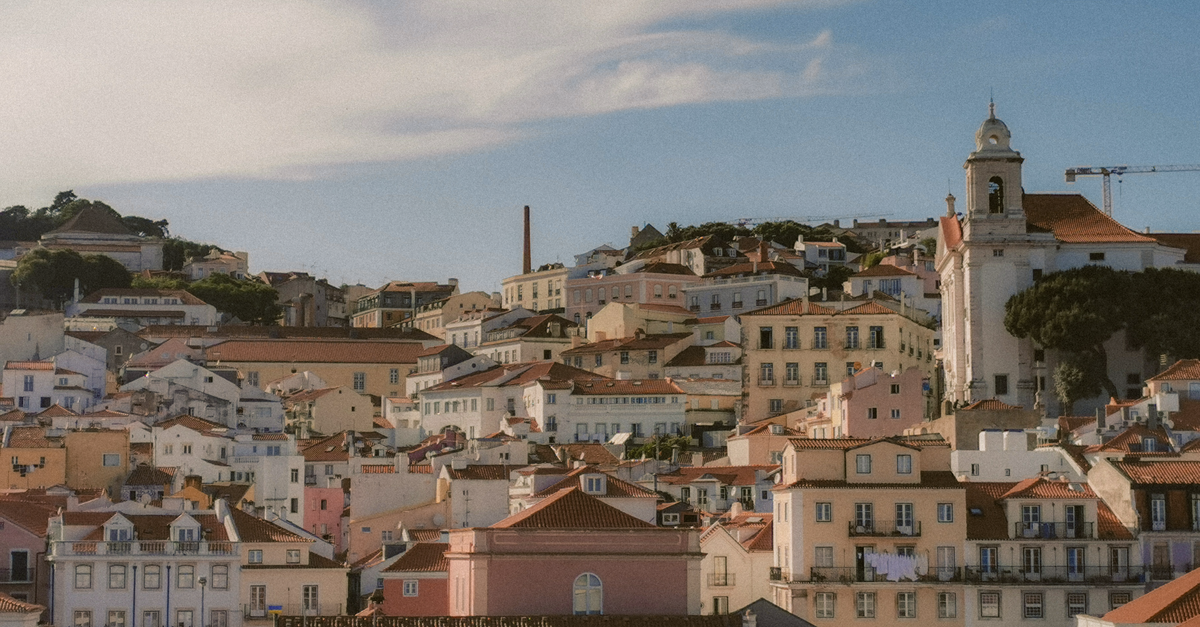
Lisbon, Portugal

About Lisbon
Lisbon is the capital and most populous city of Portugal, with an estimated population of 658,236 as of 2025, within its administrative limits and 3,353,000 within the metropolis, as of 2025.
Read more on WikipediaQuick Facts
Safety score derived from the U.S. State Department Travel Advisory for Portugal: Level 1 (Exercise Normal Precautions), as of 2026-07-08. Country-level guidance; check local conditions before you go.
Why Lisbon Is Great for Solo Women
 Photo: Portugal, Lisbon - skyline (8588522505).jpg by muffinn from Worcester, UK (CC BY 2.0), via Wikimedia Commons
Lisbon has become one of Europe’s most popular destinations for solo female travelers, and for good reason. It is affordable, the weather is reliably sunny, the food is extraordinary, and the Portuguese are genuinely warm and welcoming. The city has a relaxed, unhurried energy that makes it easy to settle into — many solo travelers come for a week and stay for a month.
For women specifically, Lisbon feels safe in a way that is hard to quantify but immediately noticeable. You can walk through most neighborhoods at night without anxiety. The bar and restaurant scene is social without being predatory. And the city’s growing digital nomad community means solo women are everywhere — you will never feel like the odd one out.
Neighborhoods to Know
Alfama
 Photo: Alfama Rooftops and Tagus River View, Lisbon (54733828355).jpg by Dale Cruse (CC BY 4.0), via Wikimedia Commons
Lisbon’s oldest neighborhood is a maze of narrow, hilly lanes, whitewashed houses, and fado music drifting from open windows. It survived the 1755 earthquake largely intact, so the medieval street layout is still exactly as confusing — and charming — as it always was. Alfama is packed with small guesthouses and viewpoints, making it a favorite base for solo women who want atmosphere over polish.
Bairro Alto
 Photo: Elevador da Glória Base Station and Avenida da Liberdade Façade, Lisbon (54721638424).jpg by Dale Cruse (CC BY 4.0), via Wikimedia Commons
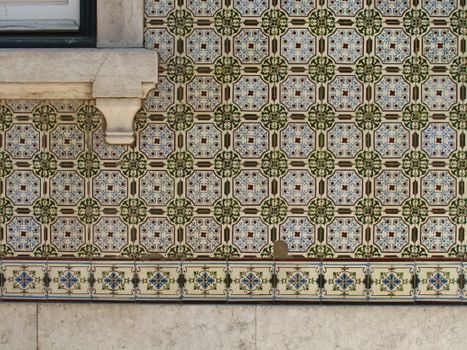
Reached by the yellow Elevador da Glória funicular, Bairro Alto is Lisbon’s main nightlife district by day a quiet, tiled residential quarter, by night a maze of bars spilling onto the street. It is generally safe but can get rowdy late, so stick to the well-trafficked main streets and skip the empty side alleys after 2 a.m.
Belém
 Photo: Mosteiro dos Jerónimos (49931109751).jpg by Pedro Ribeiro Simões (CC BY 2.0), via Wikimedia Commons
A short tram or bus ride west along the river, Belém is home to Lisbon’s grandest monuments and its most famous pastry. It is more spread out and less residential than the central neighborhoods, so most visitors treat it as a daytime outing rather than a place to stay — but it earns a half-day easily.
Chiado & Baixa
 Photo: Rua Augusta Arch, Lisbon (34486837972).jpg by Sam (CC BY 2.0), via Wikimedia Commons
Baixa is the grid-planned downtown rebuilt after the 1755 earthquake, all grand plazas and pedestrian shopping streets. Chiado, just uphill, adds bookshops, theaters, and elegant cafés. Both are flat by Lisbon standards, well-lit, and busy well into the evening, making them an easy, low-stress base for a first visit.
Top Things to Do in Lisbon
1. Belém Tower
A 16th-century fortification built to defend Lisbon’s harbor, this UNESCO World Heritage Site is one of the finest examples of Manueline architecture in Portugal. It sits right on the Tagus, so pair it with a riverside walk before or after.
2. Jerónimos Monastery
Also a UNESCO World Heritage Site, this 16th-century monastery in Belém was funded in part by proceeds from the spice trade and holds the tomb of explorer Vasco da Gama. It’s a five-minute walk from Belém Tower, so most solo travelers do both in one outing.
3. São Jorge Castle
Perched on Alfama’s highest hill and occupied since well before the city’s founding, this Moorish-era castle offers some of the best panoramic views over Lisbon and the Tagus. The uphill walk is steep, so budget extra time and wear good shoes.
4. Alfama
Lisbon’s oldest district is an attraction in its own right — a warren of narrow medieval lanes that survived the 1755 earthquake and remains the traditional home of fado music. Wandering it without a fixed route is half the point.
5. Time Out Market Lisboa
Opened in 2014 inside the historic Mercado da Ribeira building, this food hall gathers stalls from some of the city’s best chefs and restaurants under one roof. The communal tables make it one of the easiest places in Lisbon to eat solo and strike up a conversation.
6. Santa Justa Lift
Built in 1902 and designed by Raoul Mesnier du Ponsard, this wrought-iron elevator connects the Baixa district to the Carmo Square above, with a small viewing platform at the top. It’s a quick, walkable stop for city views without a full hike uphill.
7. Pena Palace (Sintra day trip)
A 19th-century Romanticist palace crowning the hills above Sintra, Pena Palace is part of a UNESCO World Heritage cultural landscape and one of the most photographed buildings in Portugal. Sintra is about 40 minutes from Lisbon by train, easily done as a solo day trip.
Book tickets & skip-the-line tours: Browse Lisbon experiences
Getting Around
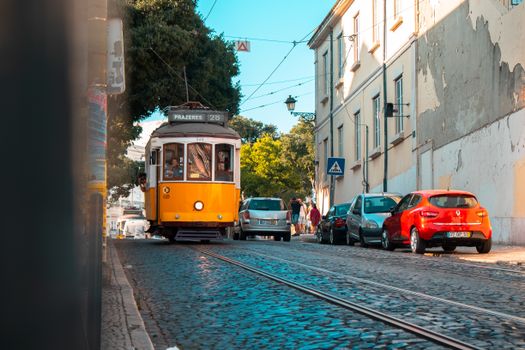
 Photo: Tram 28; Lisbon (5282021178).jpg by Christine Zenino (CC BY 2.0), via Wikimedia Commons
Lisbon is a walking city, but those hills are serious. The Metro is clean, safe, and covers most areas — a daily pass (Viva Viagem card) costs 6.60 euros. Tram 28 is iconic but extremely crowded and a hotspot for pickpockets; walk the route instead for better views and no theft risk. Uber and Bolt are cheap and widely available. The ferry to Cacilhas across the Tagus is a quick, scenic trip that offers stunning city views.
Safety & Practical Notes
The U.S. State Department rates Portugal Level 1 (Exercise Normal Precautions) (as of 2026-07-08). Lisbon is very safe by European standards, and violent crime targeting tourists is rare. The primary concern is petty theft — pickpocketing on Tram 28, in Baixa, and at popular viewpoints (miradouros). Some solo women report occasional catcalling, particularly in the Bairro Alto nightlife area late at night, but it rarely escalates beyond verbal comments. The Mouraria and Martim Moniz areas have a grittier feel after dark but are not dangerous.
A few practical notes:
- Pickpockets are the main threat — use a crossbody bag with zippers, keep your phone in a front pocket, and be especially vigilant on Tram 28 and at viewpoints.
- Cobblestone streets are steep and uneven — wear sturdy shoes with good grip; this is not a heels city.
- Solo dining is completely normal — Portuguese restaurants are welcoming to solo diners, and sitting at a bar counter is a great way to chat with locals and staff.
- Sunscreen is essential — Lisbon’s sun is stronger than most Northern Europeans expect.
- Emergency number: 112. English is widely spoken, especially by younger Portuguese.
Best Time to Visit
 Photo: Lisbon Sunset from Miradouro da Graça.jpg by TheDumpy (CC BY-SA 4.0), via Wikimedia Commons
April through June and September through October bring warm, dry weather without the peak-summer heat or crowds. Summer (July-August) is hot and busy with European vacationers, while winter stays mild by northern-European standards but sees more rain. Sunset at a miradouro like Graça, bottle of wine in hand alongside locals doing the same, is a Lisbon ritual worth timing your evening around in any season.
Where to Stay (Solo-Friendly)
 Photo: JardimPrincipeReal2.JPG by CorreiaPM (Public domain), via Wikimedia Commons
Budget: Lisbon Hostel and Home Lisbon Hostel are consistently rated among Europe’s best hostels, with social atmospheres perfect for solo travelers. Both offer female-only dorms ($20-35/night).
Mid-range: Apartments in Alfama or Príncipe Real offer independence with neighborhood charm. The Lumiares and Dear Lisbon are boutique options loved by solo women ($70-120/night).
Splurge: Memmo Alfama, with its terrace overlooking the river, is spectacular for a solo treat ($180+/night).
See our full hotel guide for more solo-friendly picks by neighborhood and budget.
Frequently Asked Questions
How long can I stay in Portugal on a U.S. passport?
US passport holders can enter Portugal, part of the Schengen Area, visa-free for up to 90 days within any 180-day period. No advance visa is needed for tourism.
Is Lisbon safe to walk around at night?
Yes, generally. The U.S. State Department rates Portugal Level 1 (Exercise Normal Precautions), as of 2026-07-08, reflecting one of Europe's lower-crime environments. Most central neighborhoods, including Alfama, Chiado, and Baixa, feel comfortable after dark. The main risk is pickpocketing, not violent crime, so keep bags zipped and stay aware in crowded, touristy spots.
What's a realistic daily budget for Lisbon?
Solo female travelers typically spend $50-90 per day, covering a hostel or budget guesthouse, casual meals, local transport, and one paid attraction. Portugal remains one of Western Europe's more affordable capitals.
How do I get around Lisbon without a car?
Lisbon's Metro, trams, and buses cover most of the city, and a Viva Viagem card makes it easy to hop between them. The hills are steep, so pair walking with the Metro or a funicular rather than trying to cover everything on foot, and use Uber or Bolt for late-night trips.
Related Guides
Upcoming Holidays
Portugal


Get price-drop alerts and new guides from HerTripGuide
One email a week: price drops on the gear we recommend, new guides, and what changed. No spam, unsubscribe anytime.