Madrid Solo Female Travel Guide
Everything solo women need to know about Madrid: safest neighborhoods, getting around, budgets, and where to stay.
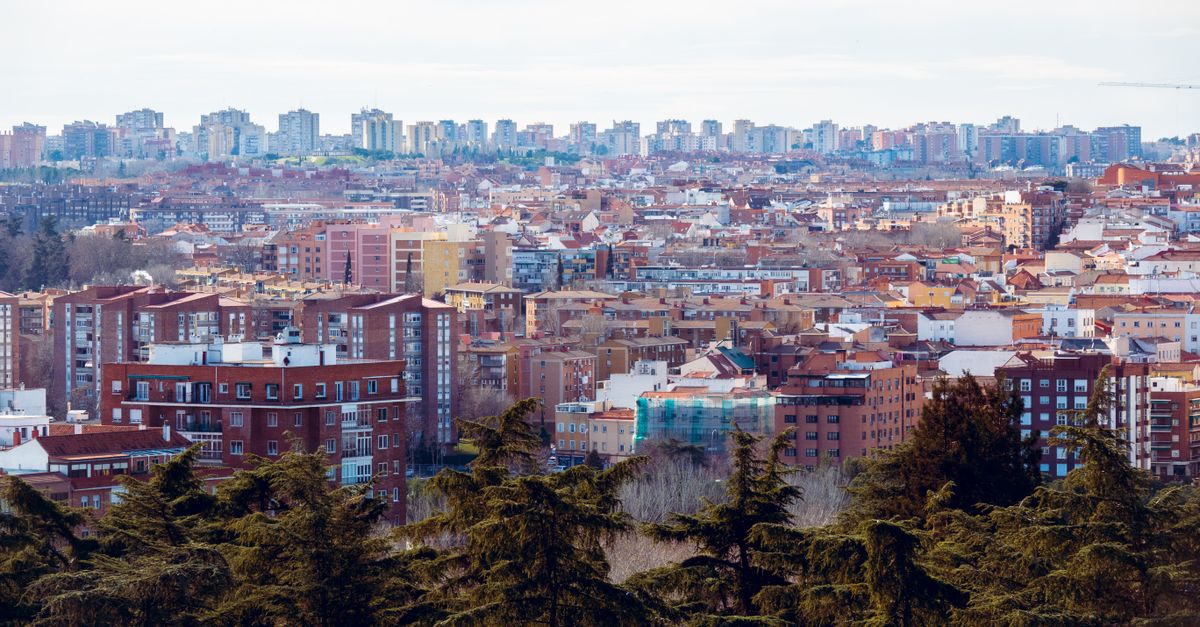
Madrid, Spain

About Madrid
Madrid is the capital and largest city of Spain. It had a population of over 3.4 million in the city proper in 2025, and a metropolitan area population of approximately 6.8 million.
Read more on WikipediaQuick Facts
Safety score derived from the U.S. State Department Travel Advisory for Spain: Level 2 (Exercise Increased Caution), as of 2026-07-08. Country-level guidance; check local conditions before you go.
Welcome to Madrid
 Photo: Madrid Skyline - Spain.jpg by Alberto Racatumba (CC BY 2.0), via Wikimedia Commons
Hey there, wander-woman! If you’re dreaming of a city that feels like a living museum, a culinary playground, and a place where you can stroll confidently at any hour, Madrid is calling your name. Sitting more than 600 meters above sea level, it holds the title of the highest capital city in Europe. With around 3.2 million locals calling it home, the energy here is contagious, yet the pace is relaxed enough for a solo traveler to set her own rhythm.
From the echo of historic footsteps in the Prado to the buzz of tapas bars in La Latina, Madrid offers a blend of old-world charm and modern confidence. The city’s layout is compact enough that you can explore neighborhoods on foot, yet its public transport makes longer hops a breeze. So pack your curiosity, your favorite pair of comfy shoes, and get ready to fall in love with a city that feels like a warm, welcoming sister.
Neighborhoods to Know
Madrid de los Austrias (Historic Center)
 Photo: Plaza Mayor de Madrid - 01.jpg by Carlos Delgado (CC BY-SA 3.0), via Wikimedia Commons
The historic core, often called “El Madrid de los Austrias,” is home to iconic plazas, royal buildings, and countless cafés perfect for people-watching over a café con leche. Everything here is walkable, well-trafficked, and busy well into the evening — an easy, low-stress base for a first visit.
Malasaña
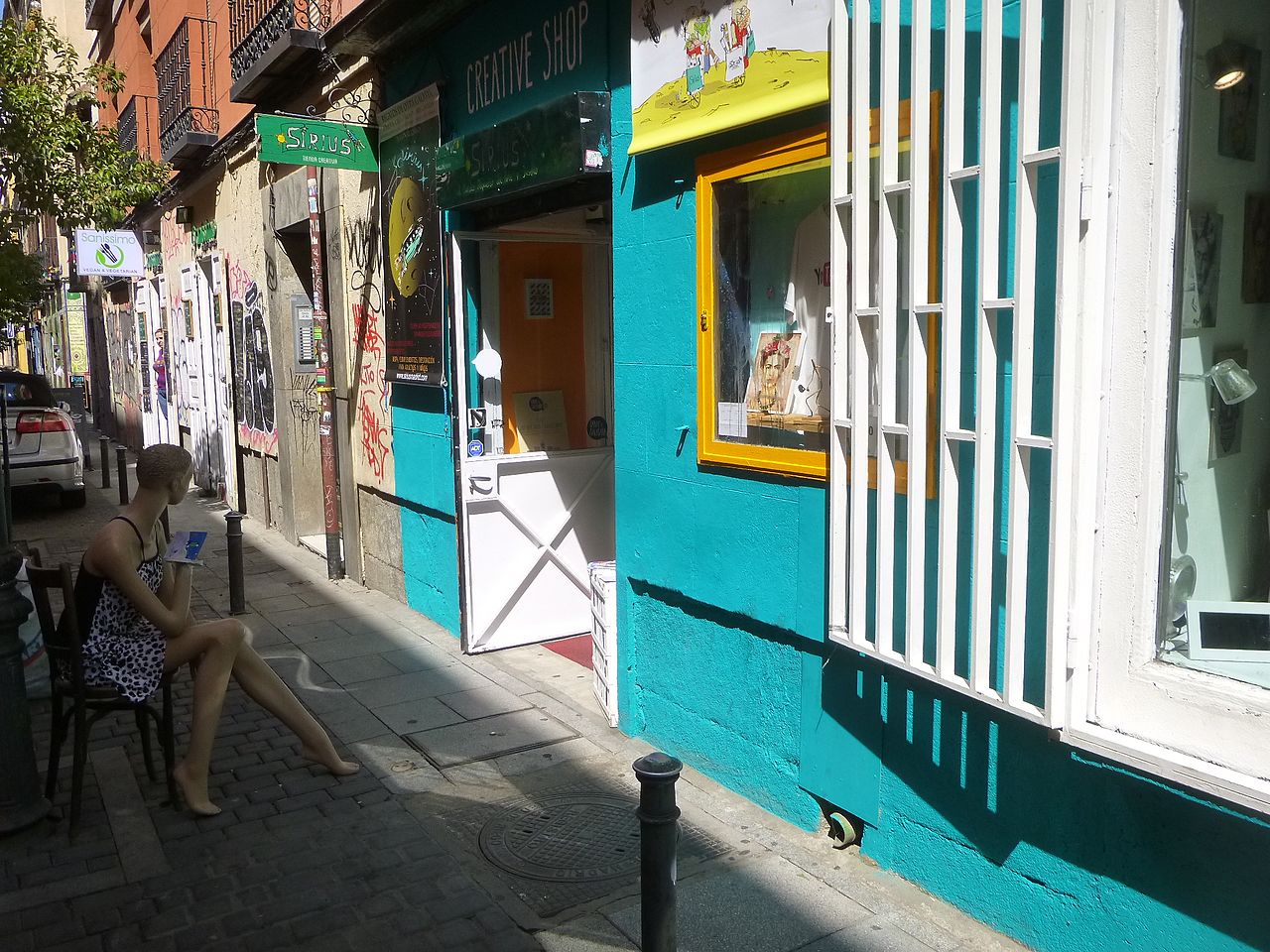 Photo: Madrid - Barrio de Malasaña 32.jpg by Zarateman (CC0), via Wikimedia Commons
North of the center, the lively Malasaña quarter pulses with indie boutiques, street art, and a youthful vibe — perfect for those who love discovering hidden gems off the main tourist trail. It stays lively and well-lit late into the evening, which makes it a comfortable spot for a solo night out.
Salamanca
 Photo: Museo Lázaro Galdiano (Madrid) 02.jpg by Luis García / Zaqarbal (CC BY-SA 3.0), via Wikimedia Commons
The upscale Salamanca neighborhood offers elegant boulevards, designer shops, and a more refined dining scene. It’s quieter after dark than Malasaña or the historic center, which many solo travelers prefer for a good night’s sleep within easy metro reach of everything else.
Top Things to Do in Madrid
1. Museo del Prado
Spain’s principal national art museum houses one of the world’s finest collections of European painting, including major works by Velázquez, Goya, and Bosch. It anchors the so-called Golden Triangle of Art along the Paseo del Prado, easily reached on foot from the historic center.
2. Royal Palace of Madrid
The official residence of the Spanish royal family, though used only for state ceremonies, this is the largest functioning royal palace in Europe by floor area. Its plaza out front is a natural stop between the historic center and the Almudena Cathedral next door.
3. Plaza Mayor
This grand rectangular square dates to the early 1600s and has hosted everything from markets to bullfights to royal ceremonies over the centuries. It’s the literal center of Madrid de los Austrias, ringed by cafés that make it an easy solo coffee stop.
4. Buen Retiro Park
Once a royal retreat, this sprawling park is now Madrid’s green heart, complete with a boating lake and the glass-and-iron Palacio de Cristal. It’s busy with locals at almost any hour, making it a comfortable place to walk or picnic solo.
5. Museo Reina Sofía
Spain’s national museum of 20th-century art, best known as the home of Picasso’s Guernica, rounds out the Golden Triangle alongside the Prado. It’s a short walk or metro ride from Atocha station.
6. Temple of Debod
An genuine ancient Egyptian temple, gifted to Spain in 1968 and reassembled in a park near the Royal Palace, it’s one of the few Egyptian monuments that can be seen outside Egypt. The surrounding gardens are a popular, well-trafficked sunset spot.
7. Puerta del Sol
Madrid’s best-known public square marks kilometer zero for Spain’s road network and hosts the city’s famous New Year’s Eve countdown. It’s a natural hub for orienting yourself between the historic center, Gran Vía, and the surrounding shopping streets.
Book tickets & skip-the-line tours: Browse Madrid experiences
Getting Around
 Photo: Sol station - Madrid Metro line 2 - 2.2.2014.JPG by P h n (CC BY-SA 4.0), via Wikimedia Commons
Madrid’s transit network is one of the most extensive in Europe, and it’s designed with confidence in mind. The Metro runs like clockwork, with clear signage in both Spanish and English, making it simple to hop from the bustling Gran Vía to the tranquil Retiro Park without a hitch. Buses complement the underground, weaving through streets that are often too narrow for cars. If you prefer a scenic route, the city’s commuter rail (Cercanías) connects the central districts to charming suburbs like Alcalá de Henares for an easy day trip. All tickets are contactless and can be topped up at any station, so you won’t have to fumble with cash.
Safety & Practical Notes
The U.S. State Department rates Spain Level 2 (Exercise Increased Caution) (as of 2026-07-08), a rating that largely reflects Europe-wide petty crime and occasional large demonstrations rather than a specific risk to solo women. Violent crime is rare, and the primary issue to stay aware of is pickpocketing, especially in crowded tourist spots like Puerta del Sol, the metro during rush hour, and popular markets. Keep your wallet in a front pocket, use a money belt in crowds, and stay alert when navigating busy streets.
The city uses the Euro (EUR), ATMs are on nearly every corner, and most shops accept both cash and card. Madrid’s municipal tap water is safe to drink. Standard European Type C/F plugs are used, and the EU emergency number 112 works throughout Spain — keep it saved on your phone. Trust your intuition, blend in with the locals, and remember that Madrid’s friendly vibe often translates into helpful strangers willing to point you in the right direction.
Best Time to Visit
Madrid doesn’t have a single “best” month — its magic is available year-round. Spring brings blossoming parks and milder temperatures, while summer dazzles with long evenings perfect for late-night tapas (though July and August can be brutally hot). Autumn paints the streets with golden hues, and winter, though cooler, offers fewer crowds and cozy indoor experiences like flamenco shows. Choose the season that aligns with your travel style, and Madrid will meet you there.
Where to Stay
 Photo: Barrio de las Letras (Madrid) 01.jpg by Jorge Láscar (CC BY-SA 2.0), via Wikimedia Commons
Finding the right base can make your solo adventure feel even more empowering. Whether you prefer boutique hotels tucked into the literary lanes of Barrio de las Letras, elegant Salamanca stays, or modern hostels with vibrant communal spaces, Madrid has a neighborhood to match your style. Check out our full hotel guide for recommendations that balance safety, comfort, and local flair.
Feel the confidence of exploring Madrid on your own terms — every cobblestone, every café, and every sunset over the city’s skyline is waiting for you to make it your own. Safe travels, sister!
Frequently Asked Questions
How long can I stay in Spain on a U.S. passport?
US passport holders can enter Spain, part of the Schengen Area, visa-free for up to 90 days within any 180-day period. No advance visa is needed for tourism.
Is Madrid safe for solo female travelers?
Yes, generally. The U.S. State Department rates Spain Level 2 (Exercise Increased Caution), as of 2026-07-08, largely reflecting Europe-wide petty crime and occasional demonstrations rather than a specific risk to solo women. Violent crime is rare; the main issue is pickpocketing in crowded tourist spots like Puerta del Sol, the metro at rush hour, and popular markets.
What's a realistic daily budget for Madrid?
Solo female travelers typically spend $60-100 per day, covering a hostel or mid-range hotel, meals out, museum entry, and local transport. Madrid is pricier than Lisbon but generally more affordable than London or Paris.
How do I get around Madrid without speaking Spanish?
Very easily. The Metro and bus network use bilingual signage, ticket machines offer an English option, and station staff often speak basic English. The system is dense and well-maintained, so most neighborhoods are a short ride apart.
What should I do if I'm pickpocketed?
Contact your bank immediately to block your cards, report the loss to local police (dial 112 for emergencies), and let your accommodation know. Keeping a photo of your passport and a digital backup of key documents speeds up replacement.
Related Guides
Upcoming Holidays
SpainGet price-drop alerts and new guides from HerTripGuide
One email a week: price drops on the gear we recommend, new guides, and what changed. No spam, unsubscribe anytime.