Mexico City Solo Female Travel Guide
Everything solo women need to know about Mexico City: safest neighborhoods, getting around, budgets, and where to stay.
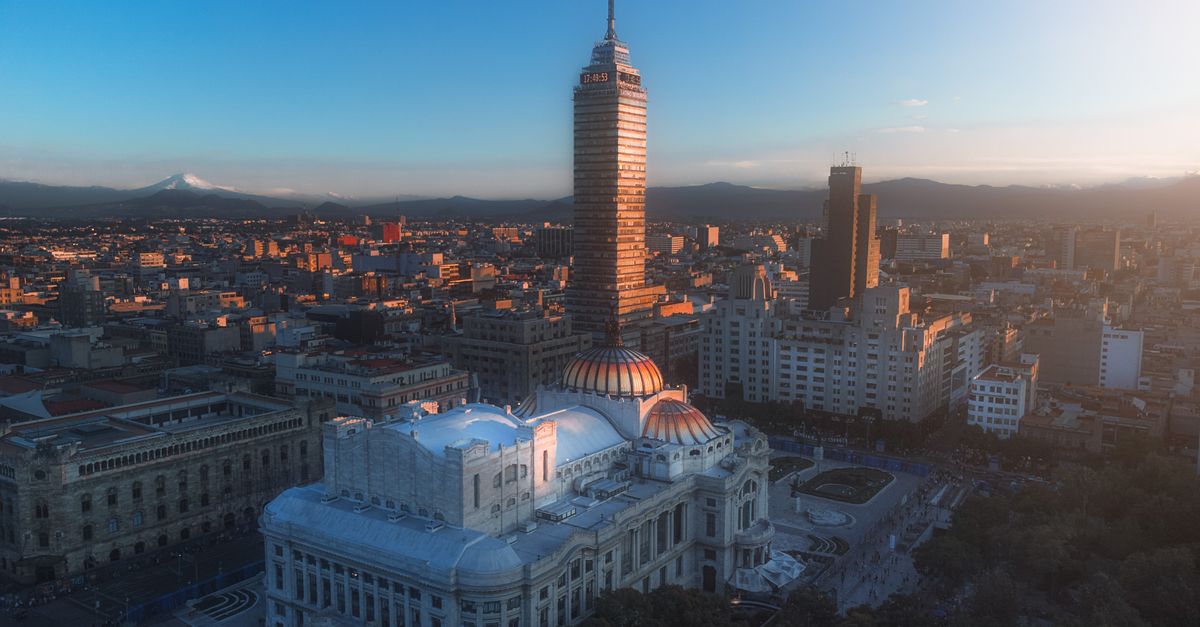
Mexico City, Mexico

About Mexico City
Mexico City is the capital and largest city of Mexico, as well as the most populous city in North America.
Read more on WikipediaQuick Facts
Safety score derived from the U.S. State Department Travel Advisory for Mexico: Level 2 (Exercise Increased Caution), as of 2026-07-08. Country-level guidance; check local conditions before you go.
A Warm Welcome to Mexico City
 Photo: Catedral Metropolitana Mexico City - Zocalo square - 1.jpg by ProtoplasmaKid (CC BY-SA 3.0), via Wikimedia Commons
Hey sister, welcome to one of the biggest, most alive cities you’ll ever set foot in. Mexico City is home to about 9 million people within the capital itself, and stepping onto its streets feels like opening a storybook painted with vibrant murals, fragrant street food stalls, and a hum that never really quiets down. It sits at 19.43° N, 99.13° W, at over 7,300 feet of altitude, which is a big part of why the climate stays so mild year-round.
Here you’ll find a blend of historic plazas, leafy parks, and world-class museums, all connected by a transit system that’s more manageable than the city’s size suggests. Whether you’re sipping coffee in a shaded park, wandering the Zócalo, or getting lost in a market, Mexico City has plenty of room for a solo woman to explore at her own pace.
Neighborhoods to Know
Roma Norte
 Photo: Balcón en Roma Norte.jpg by Tamara Martínez (CC BY-SA 4.0), via Wikimedia Commons
Roma Norte has become a gentrified, café-rich enclave that feels like a living Instagram feed. Its tree-lined streets are packed with boutique restaurants, artisanal bakeries, and independent shops, giving it a relaxed vibe that’s easy to explore solo. Its walkability and steady stream of locals and travelers alike make it a top pick for women traveling alone.
Condesa
 Photo: Vista aérea del Parque México 08.jpg by ProtoplasmaKid (CC BY-SA 4.0), via Wikimedia Commons
Just a stone’s throw from Roma, Condesa offers Art Deco architecture, the sprawling Parque México, and a nightlife scene that stays lively without feeling overwhelming. Its parks and outdoor cafés keep the streets well-populated into the evening, and the mix of cultural venues and green space makes it a favorite base for women on the move.
Polanco
 Photo: Polanco Skyline Mexico City DF.jpg by Matthew Rutledge (CC BY 2.0), via Wikimedia Commons
If you’re drawn to upscale surroundings, Polanco delivers with luxury boutiques, high-end restaurants, and polished, well-maintained streets around Avenida Presidente Masaryk. It’s a quieter, more manicured slice of the city, giving you an extra layer of comfort while you enjoy some of Mexico City’s finer offerings.
These three neighborhoods consistently come up as the most solo-friendly bases, each with its own flavor while keeping you close to transit and everyday conveniences.
Top Things to Do in Mexico City
Sister, once you’ve settled into a neighborhood, here’s where to actually spend your days. These attractions anchor most first-time itineraries, and all of them are easy to reach on your own.
1. Zócalo
Officially named the Plaza de la Constitución, this is one of the largest public squares in the world and the historic and political heart of the city. It’s flanked by the Metropolitan Cathedral and the National Palace, so you can easily combine a stop here with the next two attractions on this list.
2. Templo Mayor
Just steps from the Zócalo, this excavated site was the main temple of the Mexica (Aztec) capital of Tenochtitlan, rediscovered by accident in 1978. The on-site museum walks you through what was found, making it an easy, self-paced history stop right in the historic center.
3. Palacio de Bellas Artes
This marble arts palace opened in 1934 and pairs an Art Nouveau exterior with an Art Deco interior, housing murals by Diego Rivera and other major Mexican muralists. It’s a short walk from the historic center and a lovely place to duck into for an hour of art between neighborhoods.
4. Chapultepec Castle
Perched atop Chapultepec Hill inside the city’s largest urban park, this is the only royal castle in the Americas, once home to Emperor Maximilian I and now home to the National Museum of History. The walk up the hill rewards you with sweeping views over the city.
5. Frida Kahlo Museum
Known locally as La Casa Azul, this cobalt-blue house in Coyoacán is where Frida Kahlo was born, lived, and died, and it’s now dedicated to her life and work. Coyoacán’s cobblestone streets and central plaza make for a pleasant solo afternoon before or after your visit.
6. Xochimilco
This southern borough is known for its network of canals and colorful trajinera boats, a living remnant of the ancient Aztec chinampa farming system, and it’s a UNESCO World Heritage Site. Boats are shared or rented by groups, so it’s easy to join other travelers for the ride.
7. Teotihuacan
About 40 kilometers northeast of the city, this ancient Mesoamerican complex is home to the massive Pyramid of the Sun and Pyramid of the Moon. It’s a popular day trip from Mexico City, typically done with a group tour or shared shuttle rather than solo transit.
Book tickets & skip-the-line tours: Browse Mexico City experiences
Getting Around
 Photo: Mexico City Metro.jpg by Daniel Manrique (CC BY-SA 3.0), via Wikimedia Commons
Navigating a megacity can feel daunting, but Mexico City’s transit network is friendlier than you’d expect once you know the basics.
- Ride-hailing apps: Uber and DiDi dominate the ride-sharing scene and are the go-to option over street-hailed taxis. Simply set your destination in the app and ride with a driver whose route and identity are logged.
- Metro: The Metro is an extensive, affordable way to cross the city. During rush hour, women-only carriages run at the front of the train, giving many solo travelers a more comfortable option. Keep an eye on your belongings in crowded stations, as you would on any big-city transit system.
- Metrobus: For routes the Metro doesn’t cover, the Metrobus runs rapid service in dedicated lanes, cutting down on traffic delays.
- Biking & walking: Roma Norte and Condesa both have bike lanes and pedestrian-friendly streets, making them easy to explore on foot or by bike at your own pace.
Combining ride-hailing with the Metro’s women-only cars is the easiest way to move through the city with confidence.
Safety & Practical Notes
The U.S. State Department rates Mexico Level 2 (Exercise Increased Caution) (as of 2026-07-08), and Mexico City specifically carries the same Level 2 rating in the state-by-state breakdown. Both violent and non-violent crime occur throughout the city, so the usual big-city precautions apply, with a bit of extra care after dark outside well-trafficked areas.
The most commonly cited concern for solo women is express kidnapping involving street-hailed taxis, which is why Uber and DiDi are the standard recommendation over flagging down a cab.
Transit confidence gets a boost from the Metro’s women-only carriages during peak hours. When you’re on the Metro or Metrobus, keep your belongings close, avoid empty cars late at night, and trust your instincts. If a station feels off, it’s fine to exit and walk to a busier area instead.
Emergency services: Dial 911 for police, medical, or fire emergencies — it’s the universal number across Mexico.
Tap water & plugs: Tap water isn’t safe to drink here, so stick to bottled or filtered water, including for brushing your teeth if you’re being cautious. Outlets use the same Type A/B plugs and 127V as the US, so American travelers won’t need an adapter.
Currency: The official currency is the Mexican Peso (MXN). Carry a modest amount of cash for small vendors, but most restaurants, shops, and ride-hailing apps accept card payments.
Overall, staying in Roma Norte, Condesa, or Polanco, using vetted ride-hailing apps, and taking advantage of the Metro’s women-only cars will give you a solid safety net while you explore.
Best Time to Visit
 Photo: Girl dressed up as death in the parade in the Historic Center of Mexico City.jpg by AngieRomo27 (CC BY-SA 4.0), via Wikimedia Commons
Thanks to the city’s altitude, Mexico City stays temperate year-round, so you won’t need to plan around extreme heat or cold. Spring (March through May) is generally the warmest and driest stretch, making it a favorite window for sightseeing. The rainy season runs roughly June through October, usually bringing short afternoon downpours rather than all-day washouts. If you can time a trip for late October into early November, Day of the Dead (Día de Muertos) fills the city with altars, parades, and marigolds, and it’s one of the most striking cultural experiences Mexico City offers.
Where to Stay
 Photo: Casona Roma Norte (2025).jpg by Tbhotch (CC BY-SA 4.0), via Wikimedia Commons
For curated accommodation options that prioritize safety, comfort, and solo-friendly vibes, check out our full hotel guide. Whether you prefer the boutique charm of Roma Norte, the leafy calm of Condesa, or the upscale polish of Polanco, you’ll find a range of vetted hotels and hostels that cater to solo female travelers.
Enjoy the rhythm of Mexico City, sister. Between the museums, the markets, and the neighborhoods built for wandering, there’s more than enough here to keep you busy — and confident — on your own.
Frequently Asked Questions
Is it safe to take street taxis in Mexico City?
Stick to Uber, DiDi, or another app-based ride instead of hailing a cab on the street. It's the standard local safety practice, and both apps are cheap, easy to use, and available across the city.
How can I feel more secure riding the Metro?
During rush hour, look for the marked women-only cars at the front of the train. It's a genuinely popular option with local women commuters, not just a tourist thing.
Which neighborhoods are best for solo women?
Roma Norte, Condesa, and Polanco are the most popular bases for solo travelers, each offering walkable streets, a strong café culture, and steady foot traffic well into the evening.
What's the emergency number in Mexico?
Dial 911. It's the universal emergency number in Mexico for police, medical, and fire, the same as in the US and many other countries.
Can I drink the tap water in Mexico City?
No, stick to bottled or filtered water. Most hotels and restaurants that cater to travelers use purified water for ice and food prep, but it's smart to double-check when in doubt.
Do US citizens need a visa to visit Mexico City?
No. US passport holders can enter for tourism without a visa for stays up to 180 days; you'll fill out or receive a free FMM tourist card on arrival.
Related Guides
Upcoming Holidays
MexicoGet price-drop alerts and new guides from HerTripGuide
One email a week: price drops on the gear we recommend, new guides, and what changed. No spam, unsubscribe anytime.