Seoul Solo Female Travel Guide
Everything solo women need to know about Seoul: safest neighborhoods, getting around, budgets, and where to stay.
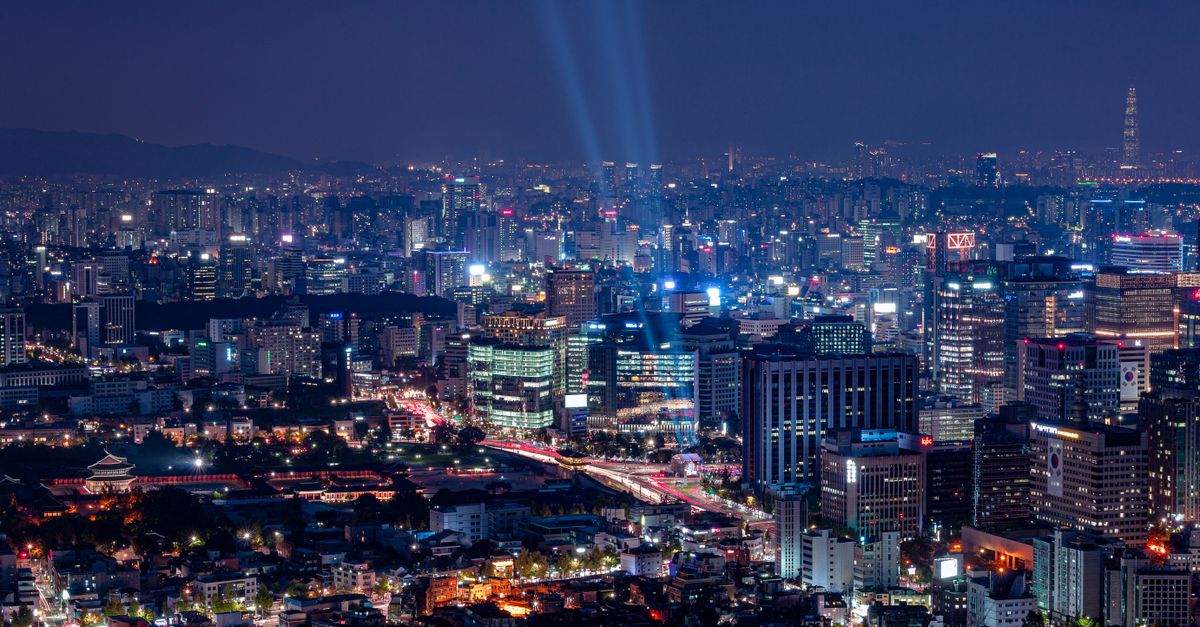
Seoul, South Korea

About Seoul
Seoul, officially Seoul Special Metropolitan City, is the capital and largest city of South Korea, and the largest city in the whole of Korea.
Read more on WikipediaQuick Facts
Safety score derived from the U.S. State Department Travel Advisory for South Korea: Level 1 (Exercise Normal Precautions), as of 2026-07-08. Country-level guidance; check local conditions before you go.
A Warm Welcome to Seoul
 Photo: Downtown Seoul skyline.jpg by Minseong Kim (CC BY-SA 4.0), via Wikimedia Commons
Hey sister, welcome to the city that never stops humming — Seoul, the vibrant heart of South Korea. With a population hovering around 9.6 million, it’s a place where ancient palaces sit side‑by‑side with neon‑lit skyscrapers, and every street corner feels like a new adventure waiting for you to claim it. As a solo female traveler, you’ll find Seoul both exhilarating and reassuringly safe, thanks to its well‑lit streets, efficient public transit, and a culture that respects women travelers. Let’s dive into the neighborhoods that will become your playground, the sights worth building your days around, the transit tips that will keep you moving confidently, and the practical details that let you focus on the fun rather than the logistics.
Neighborhoods to Know
Jongno‑gu
 Photo: Traditional hanok houses at golden hour in Bukchon Hanok Village in Seoul.jpg by Basile Morin (CC BY-SA 4.0), via Wikimedia Commons
Jongno‑gu is the historic core of Seoul, a district that reads like a living museum. Here you’ll wander among grand palaces such as Gyeongbokgung, explore the National Museum of Korea, and stroll through the charming Bukchon Hanok Village where traditional wooden houses whisper stories of the past. The streets are well‑lit and bustling with locals and tourists alike, creating a natural sense of security, making it an ideal first stop for anyone who wants to feel rooted in Korean heritage while staying comfortably visible in a lively environment.
Gangnam‑gu
 Photo: Teheran-ro Yeongdong-daero crossing 6.jpg by kallerna (CC BY-SA 4.0), via Wikimedia Commons
If you’re craving a taste of modern Seoul, Gangnam‑gu delivers with style. Known worldwide thanks to a catchy pop song, this upscale district boasts sleek shopping malls, cutting‑edge tech hubs, and a nightlife that’s lively yet polished. The subway stations here are spacious, the signage is bilingual, and the area’s reputation for safety is reinforced by a strong police presence, so you can sip a cocktail at a rooftop bar or explore the COEX Mall without a second thought about your safety.
Hongdae (Mapo‑gu)
 Photo: Hongdae Main Road, Seoul.jpg by Ken Eckert (CC BY-SA 4.0), via Wikimedia Commons
For the creative soul who loves art, music, and coffee culture, Hongdae is the place to be. Nestled in Mapo‑gu, this youthful neighborhood bursts with street performances, indie galleries, and countless cafés perfect for people‑watching or diving into a good book. The subway stop is just a few steps away, and the area’s vibe is relaxed and welcoming, so you can feel free to join an impromptu jam session, browse vintage boutiques, or simply enjoy a latte while watching the city pulse around you.
Top Things to Do in Seoul
Sister, once you’ve settled into a neighborhood, here’s where to actually spend your days. Every one of these is easy to reach solo by subway.
1. Gyeongbokgung
The largest of Seoul’s Five Grand Palaces, Gyeongbokgung was first built in 1395 as the main royal palace of the Joseon dynasty. Wander the courtyards and throne hall in Jongno‑gu, and time your visit around the changing-of-the-guard ceremony held in the palace’s front courtyard.
2. Bukchon Hanok Village
A residential neighborhood of preserved traditional Korean hanok houses, Bukchon Hanok Village sits between Gyeongbokgung and Changdeokgung. Its sloping lanes are a short walk from the palaces, so it pairs naturally with a Jongno‑gu palace morning.
3. N Seoul Tower
Perched atop Namsan Mountain, N Seoul Tower is a communication and observation tower that has become one of the city’s most recognizable landmarks, with an observation deck offering panoramic views over Seoul. A cable car and hiking trails both reach the base, giving solo travelers an easy, well‑trafficked route up.
4. Insadong
A neighborhood long known as the center of Seoul’s traditional arts and crafts trade, Insadong is lined with galleries, teahouses, and antique shops along its main pedestrian street. It’s an easy, low‑key wander for an afternoon between bigger sights.
5. Dongdaemun Design Plaza
Designed by architect Zaha Hadid, this neofuturistic landmark hosts exhibitions, design events, and markets in the historic Dongdaemun district. It sits right beside Dongdaemun’s famous round-the-clock shopping malls if you want to keep exploring after dark.
6. Gwangjang Market
One of Korea’s oldest and largest traditional markets, Gwangjang Market is famous for its dense rows of street food stalls serving dishes like bindaetteok and mayak gimbap. It’s busy, well‑lit, and full of fellow diners well into the evening, making it a comfortable solo food stop.
Book tickets & skip-the-line tours: Browse Seoul experiences
Getting Around
 Photo: Seoul Station (Seoul Subway Line 4) 20230408 006.jpg by Mobius6 (CC BY-SA 4.0), via Wikimedia Commons
Seoul’s transit network is the city’s circulatory system, and it’s designed with solo travelers in mind. The Seoul Metropolitan Subway is extensive, clean, and English‑friendly, operating from roughly 5:30 am to midnight across more than 20 lines, so you’ll be able to hop from Jongno‑gu’s historic sites to Gangnam‑gu’s glittering towers within the hour. All stations feature clear signage in both Hangul and English, and many platforms are fitted with screen doors that keep them safe.
Buses complement the subway perfectly. City buses run frequently, display English route maps, and accept T‑money cards — your all‑in‑one transit pass that works on subways, buses, and even some taxis. Whether you’re heading to a hidden café in Hongdae or a museum in Jongno‑gu, the bus system offers reliable coverage across the city.
A quick tip: download the “Subway Korea” app or use KakaoMap for real‑time navigation; both provide English instructions and let you plan routes with just a few taps.
Safety & Practical Notes
The U.S. State Department rates South Korea Level 1 (Exercise Normal Precautions) (as of 2026-07-08), one of the lowest advisory levels the agency issues. Seoul consistently ranks as one of the safest megacities in Asia, and solo female travelers often comment on the comforting sense of security they feel, especially after dark. Well‑lit streets, frequent police patrols, and a culture that values public order all contribute to this feeling. Dialing 112 connects you to police services, and 119 reaches fire and medical assistance — standard emergency numbers across South Korea.
When it comes to staying connected, free Wi‑Fi is abundant in cafés, subway stations, and even many public parks. The city’s official portal, Seoul Metropolitan Government (official), provides up‑to‑date alerts and travel advisories in English, so you can check any safety notices before heading out.
Powering your devices is straightforward: South Korea uses Type F electrical plugs at 220V, 60Hz. If your plug differs, a simple travel adapter will keep your phone, camera, and e‑reader charged for those endless photo ops. Tap water is treated and meets international safety standards, though many locals still drink it filtered or boiled out of habit — bottled water is sold everywhere if you’d rather play it safe.
And don’t worry about language barriers — while Korean is the official language, Hangul appears on all major signs, and English translations are standard in transit hubs, tourist attractions, and most restaurants. A few polite phrases like “Annyeonghaseyo” (hello) and “Kamsahamnida” (thank you) go a long way in earning smiles and helpful tips from locals.
Best Time to Visit
 Photo: Cherry Blossom in Yeouido Park - panoramio.jpg by Alexey Komarov (CC BY 3.0), via Wikimedia Commons
Seoul’s charm shines year‑round, but the most popular seasons are spring (April to June) when cherry blossoms paint parks like Yeouido pink, and autumn (September to November) when the foliage turns fiery red and gold. These periods offer comfortable temperatures for walking and outdoor sightseeing, and the city’s festivals — such as the Lotus Lantern Festival in May — add extra sparkle to your itinerary. If you’re flexible, aim for these shoulder seasons for the most pleasant weather.
Where to Stay
 Photo: Seoul-Myeongdong-01.jpg by Tom@HK (CC BY 2.0), via Wikimedia Commons
Choosing the right base can amplify your confidence and comfort. Whether you prefer a boutique guesthouse in Jongno‑gu, a sleek hotel near Gangnam’s subway lines, or a stylish hostel in Hongdae’s artistic quarter, Seoul offers options that cater to solo female travelers. For curated recommendations, check out our full hotel guide, which highlights safe, well‑located, and women‑friendly accommodations across the city.
Enjoy every moment, trust your instincts, and let Seoul’s blend of tradition and innovation inspire you. You’ve got this, and the city is ready to welcome you with open arms.
Frequently Asked Questions
Do I need a visa to visit South Korea?
US passport holders can enter visa-free for up to 90 days, but South Korea requires a K-ETA (Korea Electronic Travel Authorization) approval in advance of arrival, so apply online before you fly.
Is Seoul safe for solo female travelers at night?
Yes. The U.S. State Department rates South Korea Level 1 (Exercise Normal Precautions), as of 2026-07-08, one of the lowest advisory levels available. Well-lit streets, frequent police patrols, and busy neighborhoods like Jongno-gu, Gangnam-gu, and Hongdae make it comfortable to be out after dark.
What's a realistic daily budget for Seoul?
Solo female travelers typically spend $60-90 per day in Seoul, covering mid-range accommodation, meals, subway fares, and a few attraction entry fees.
How do I get around Seoul without speaking Korean?
All subway signage and announcements include English, and most tourist-area shops and restaurants have English menus or staff. Apps like KakaoMap and Subway Korea give turn-by-turn directions in English.
Related Guides
Upcoming Holidays
South KoreaGet price-drop alerts and new guides from HerTripGuide
One email a week: price drops on the gear we recommend, new guides, and what changed. No spam, unsubscribe anytime.