Best Hotels for Solo Female Travelers in Fukuoka 2026
The safest, most welcoming Fukuoka hotels for solo women in 2026 - price ranges, neighborhood picks, transit tips, and an honest, sourced safety note.

This post may contain affiliate links. Disclosure
Fukuoka doesn’t get the hype that Tokyo or Kyoto do, and that’s exactly why solo women love it. It’s Japan’s second-largest city, but it moves at a friendlier pace - clean streets, a subway that runs like clockwork, and a dining culture that never blinks at a table for one. Whether you land in chic Tenjin, transit-friendly Hakata, or leafy Ohori Park, you’re a short walk from a hotel that takes your safety seriously. Below is a vetted lineup of seven Fukuoka stays for solo travelers, from a five-star splurge to a $20 hostel bunk, plus the transit, budget, and safety details you actually need before you book.
Where should solo female travelers stay in Fukuoka in 2026? The standout picks are The Ritz-Carlton, Fukuoka, Richmond Hotel Hakataekimae and Nishitetsu Hotel Croom Hakata. The Ritz-Carlton, Fukuoka suits women who want a secure, upscale base with real wellness facilities and don’t mind paying for it. Nightly rates across this list run roughly $20 to $650.
Why Solo Women Feel at Ease in Fukuoka
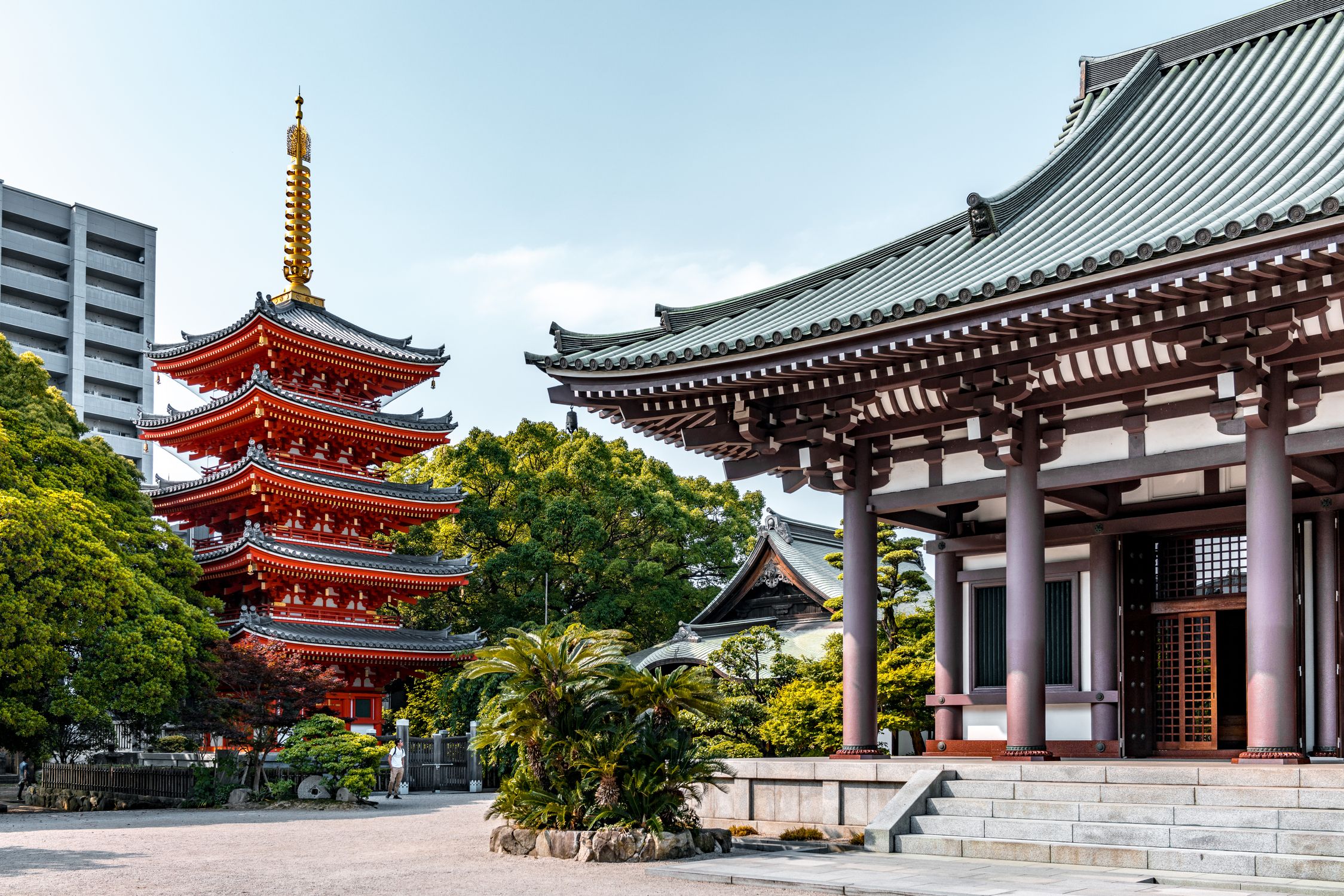
Fukuoka is widely regarded as safe to walk at night, and solo women who’ve spent real time there back that up. One detailed guide to the city, the Hotelier’s Choice guide, puts it plainly: the streets feel comfortable even in quieter neighborhoods after dark. Dining alone is normal here too - many restaurants build counter seating specifically for solo diners, and staff are used to serving a table for one without a second glance. The subway helps: two lines intersect at Tenjin and Hakata, so you can cross the city in five to ten minutes without ever needing a car or a late-night taxi. If you’re weighing when to go, spring (March to May) and autumn (October to November) bring mild 15-22 C weather that’s ideal for walking the city on foot. For more on what to see beyond your hotel, the Japan National Tourism Organization covers Fukuoka’s attractions in depth.
None of that is just marketing copy - it lines up with the official government read on the country as a whole.
Safety: The U.S. State Department rates Japan Level 1 - Exercise Normal Precautions. The UK Foreign Office notes: “Take the same precautions you would at home and get local advice on areas where you might need to be more alert. Tokyo’s entertainment districts carry a higher risk of crime, particularly at night in and around clubs and bars.” (US advisory - UK FCDO, updated June 8, 2026).
That FCDO note is really about Japan’s nightlife hubs in general, and it’s worth carrying into Fukuoka too. The solo-travel blog nomadinjapan.com, written by a woman who lived there, says she’s “never felt uncomfortable as a solo female in Fukuoka,” even walking through quiet residential streets. That’s a good baseline. It doesn’t mean switching off your instincts in Tenjin or Hakata after midnight - just that you’re starting from a genuinely low-stress place.
The Best Hotels for Solo Female Travelers in Fukuoka
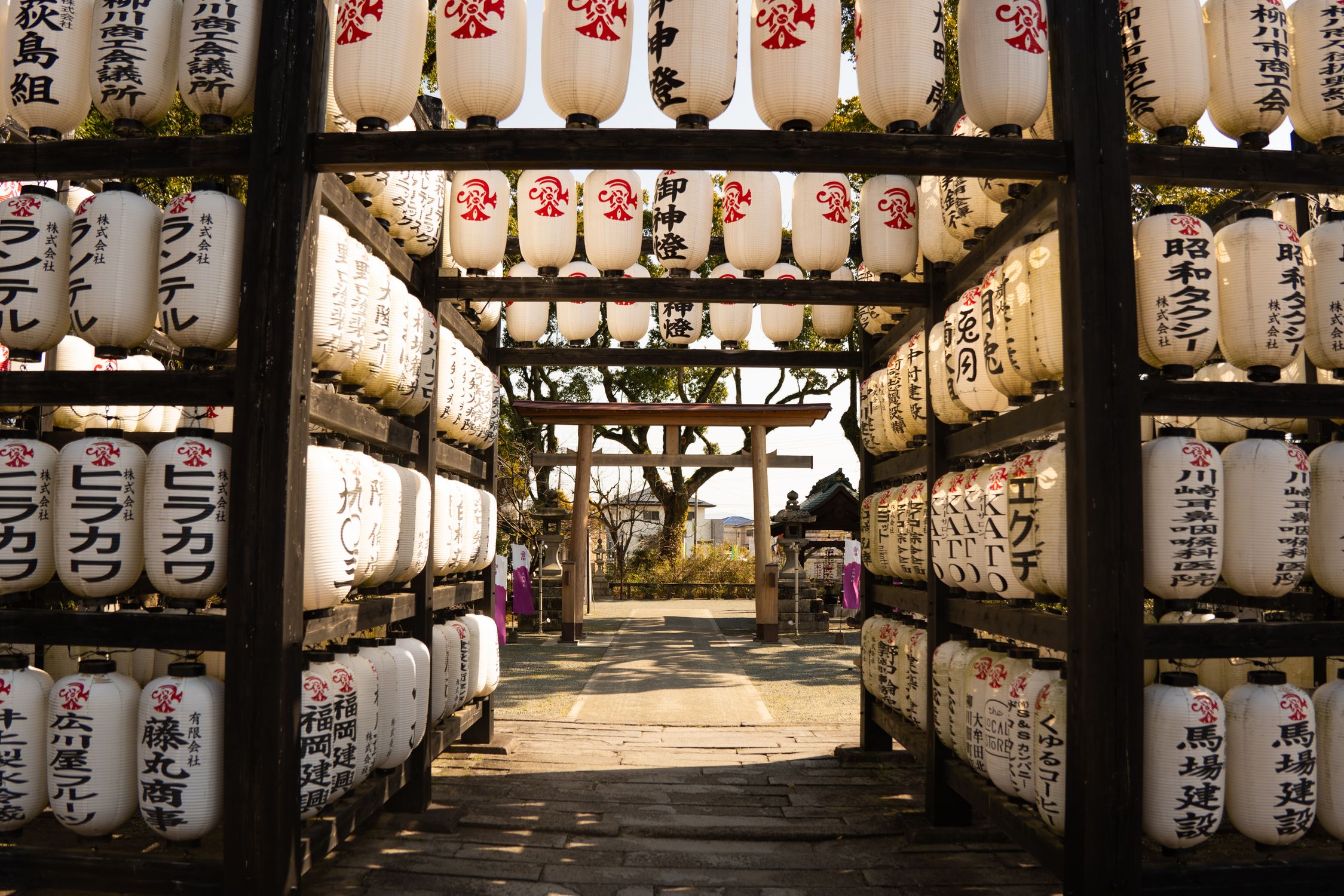
These are the seven stays that hold up under a solo traveler’s checklist: secure entry, a walkable neighborhood, and staff who don’t blink at booking a single room. Every link below goes straight to live rates.
The Ritz-Carlton, Fukuoka
Tucked into Tenjin/Daimyo - Fukuoka’s most fashionable stretch of cafes, boutiques, and nightlife - this is the splurge pick. Rooms and the lounge look out over the skyline, and the hotel runs 24-hour security with key-card-only access, so you’re never sharing a hallway with anyone who hasn’t checked in. After a day of walking, there’s a full-service spa, an indoor pool, and Cantonese a la carte dining if you’d rather not leave the building. At $600-650 a night (it averaged about $604 in 2026, per Enprimeur Club), it’s a genuine splurge - but for a solo trip that doubles as self-care, it earns the price tag. Full details are on the hotel’s official site.
Check rates - The Ritz-Carlton, Fukuoka
Best for: women who want a secure, upscale base with real wellness facilities and don’t mind paying for it.
Richmond Hotel Hakataekimae
Richmond sits close enough to Hakata Station that you can walk from the Shinkansen platform to your room without a taxi or a late-night wait for a bus - which matters more than it sounds when you’re solo and jet-lagged. Rooms are compact and well-kept in that reliable Japanese business-hotel way: nothing flashy, everything works. There’s no pool or spa here, but that trade-off comes with a rate low enough that you can put the savings toward food and day trips.
Check rates - Richmond Hotel Hakataekimae
Best for: travelers who’d rather spend money on ramen and day trips than hotel amenities.
Nishitetsu Hotel Croom Hakata
A few minutes from Hakata Station, Nishitetsu Croom is surrounded by enough restaurants and shopping arcades that you’ll never have to venture far for dinner alone. Rooms are efficient and on the smaller side - fine for a few nights, tighter if you’re settling in longer - but the real draw is the onsen. After a day of walking Fukuoka’s flat, walkable grid, soaking in the hotel’s public bath beats a minibar every time.
Check rates - Nishitetsu Hotel Croom Hakata
Best for: solo women who want a traditional bath experience without giving up a central, walkable location.
UNPLAN Fukuoka
UNPLAN sits right by Ohori Park and its own subway stop, which means you can be at Tenjin or Hakata in under ten minutes, per the solo-travel guide nomadinjapan.com - or spend a quiet morning walking laps around the park’s lake instead. It’s built for solo travelers: private rooms (not dorms) with a communal lounge, a cafe, and regular social events if you want company, plus free self-serve breakfast and laundry. At $20-30 a night for a private room, it’s one of the best-value stays on this list.
Check rates - UNPLAN Fukuoka - current listings are also on Trip.com.
Best for: solo women who want a safe, social home base near green space without paying hostel-dorm prices for privacy.
Hotel Nikko Fukuoka
Hotel Nikko is a three-minute walk from JR Hakata Station, which makes it a smart base if you’re planning day trips further into Kyushu. What sets it apart for solo women specifically: women-only floor options and in-room safety amenities, on top of the usual five-star extras - on-site restaurants, a fitness centre, and a 24-hour front desk that’s staffed no matter when you get back. At $85-110 a night, it’s genuinely mid-range for the level of security and service you’re getting. Current rates and room photos are on Trip.com.
Check rates - Hotel Nikko Fukuoka
Best for: solo women who want a secure, full-service hotel within walking distance of the trains.
The Millennials Fukuoka
The Millennials reworks the capsule-hotel concept for a solo crowd that still wants a private bathroom and fast wifi - a real upgrade from the shared-bathroom capsules you might be picturing. It sits in the middle of Tenjin, walking distance to shopping and dinner, and the social lounge plus rooftop bar make it easy to strike up a conversation if you want one, or skip it entirely if you don’t. Capsule rooms start around $46 on Trip.com, with the full range running $45-60.
Check rates - The Millennials Fukuoka
Best for: budget-conscious solo women who want a tech-forward, sociable stay right in the city center.
Lamp Light Books Hotel
If Daimyo’s quieter, artsier side sounds more like your speed than Tenjin’s main strip, Lamp Light Books is a boutique, book-themed hotel tucked among independent shops and cafes, just far enough off the main road to feel calm at night. It’s the kind of place that makes solo travel feel indulgent rather than lonely - a retro reading nook of a hotel on streets quiet enough that walking back after dinner doesn’t feel like a mission. At $130-180 a night, it costs more than a standard business hotel, but you’re paying for atmosphere and location, not just a bed.
Check rates - Lamp Light Books Hotel
Best for: solo travelers who want a stylish, quiet boutique stay in a central arts district.
Getting Around Fukuoka Safely

Fukuoka’s layout works in a solo traveler’s favor: it’s compact, mostly flat, and the subway is signposted clearly enough in English that you don’t need fluent Japanese to get around. Two lines cross at Tenjin and Hakata, so most of the hotels and neighborhoods in this guide are five to ten minutes apart by train. Hakata Station is also where the Shinkansen comes in, which is why hotels like Richmond and Hotel Nikko - both a few minutes’ walk from the platform - are smart choices if you’re using Fukuoka as a base for exploring further into Kyushu.
A few things worth knowing before you go:
- Tenjin and Hakata are lively after dark, and the same nomadinjapan.com guide that calls Fukuoka comfortable also flags that these districts can get rowdy late at night. Stick to the main, well-lit streets and treat quieter alleys with the same caution you would anywhere else.
- A rechargeable transit card, loaded at any station kiosk, saves you from buying single tickets for every ride and works across the subway and JR lines alike.
- Keep your hotel key-card on you when you’re out. Several of the hotels above use it for both room and building access, so losing it means more than a lock change.
Neighborhood Guide: Tenjin, Hakata, Daimyo, and Ohori Park
Tenjin / Daimyo (Chuo-ku) is Fukuoka’s fashionable core - cafes, boutiques, and the city’s busiest nightlife, home to the Ritz-Carlton and The Millennials. It’s the most energetic base on this list, which also means it’s the district where the “stay aware after dark” advice matters most.
Hakata (Hakata-ku) is the transit hub built around Hakata Station: the Shinkansen, the airport shuttle, and a dense cluster of hotels, including Richmond, Nishitetsu Croom, and Hotel Nikko. It’s practical rather than pretty - the obvious pick if convenience to trains matters more than atmosphere.
Daimyo, a quieter pocket near Tenjin, is where you’ll find Lamp Light Books Hotel - independent boutiques and cafes on streets that stay calm even after the sun goes down, while still being an easy walk from everything else.
Ohori Park (Chuo Ward) is Fukuoka’s green space, built around a lake with its own subway stop and home to UNPLAN. It’s the pick for solo travelers who want quiet mornings and an easy commute into the busier districts, without actually staying in them.
Practical Tips for a Smooth Solo Trip

A few small missteps turn an easy solo trip into an unnecessarily stressful one. Here’s what’s actually worth watching for in Fukuoka, based on what other solo women, the VeraRoam safety overview, and nomadinjapan.com have already flagged.
Don’t assume every neighborhood is equally chill after midnight. Fukuoka earns its safe reputation fairly, and VeraRoam’s overview describes it as “very welcoming for solo female travelers, especially in main tourist areas” - but that’s a daytime-and-early-evening baseline, not a blank check. Treat Tenjin and Hakata’s nightlife strips the way you’d treat any city’s entertainment district once the bars start emptying out.
Don’t skip breakfast to save money. Meals run roughly 1,200-2,000 yen (about $9-15) per person, and skipping the first one to stretch your budget usually just means you’re hungrier and pricier by dinner. If you’re staying at UNPLAN, take the free self-serve breakfast - it’s built into the rate either way.
Don’t over-pack for a walking city. Fukuoka is flat and walkable, which is exactly why a heavy suitcase becomes a liability the moment you hit a narrow subway turnstile or a hotel without an elevator to your floor. Solo travelers move faster, and feel less conspicuous, with less to carry.
Don’t assume you need a car, or even a late-night taxi. Between the subway’s reach and how central most of these hotels are, a car rarely adds anything in Fukuoka, and a taxi after dark, while perfectly safe, usually costs more than the walk or the subway ride would have.
Budget Snapshot: What a Day in Fukuoka Actually Costs
Here’s a realistic rundown of daily costs for a solo female traveler in Fukuoka, based on 2026 pricing.
| Category | Approximate Cost (USD) |
|---|---|
| Accommodation (mid-range) | $85-110 (Hotel Nikko) |
| Budget private room | $20-30 (UNPLAN) |
| Capsule stay | $45-60 (The Millennials) |
| Meals (3 per day) | $9-15 per meal, roughly $27-45 total |
| Subway day pass | $5-7 |
| Miscellaneous (snacks, souvenirs) | $10-20 |
With a modest budget of $70-100 a day, you can stay at UNPLAN or The Millennials, eat well three times a day, and still have cash left for Ohori Park or an afternoon at Fukuoka Tower. If you’re after a touch of luxury, the Ritz-Carlton’s $600-650 nightly rate will eat most of a daily budget on its own - but between the 24-hour security and the spa, it’s the kind of splurge a lot of solo travelers save up for on purpose.
Whichever end of that range you land on, Fukuoka makes it easy to feel both safe and unhurried as a solo traveler. Book anything on this list with confidence, then go get pleasantly lost in Ohori Park or the back streets of Daimyo - you’ve already done the homework.
Related Reading
Get price-drop alerts and new guides from HerTripGuide
One email a week: price drops on the gear we recommend, new guides, and what changed. No spam, unsubscribe anytime.