Best Hotels for Solo Female Travelers in Quito 2026
Four verified, safe places to stay in Quito for solo women in 2026, plus neighborhood safety notes, getting-around tips, altitude advice, and packing picks.

This post may contain affiliate links. Disclosure
Quito has a way of making a solo trip feel manageable instead of overwhelming. The Andean capital sits at 2,850 m (9,350 ft) - the second-highest capital city in the world - and its two safest pockets for solo travelers, La Floresta and the Historic Center, pair colonial architecture with genuinely walkable streets. Below are four verified places to stay, from a 1936 boutique house to a women-only hostel, plus the neighborhood notes, transit habits, altitude advice, and packing picks that make exploring here feel like second nature.
Where should solo female travelers stay in Quito in 2026? The standout picks are Casa Aliso Hotel Boutique in La Floresta, Old Town Quito Suites and Casa Gangotena. Casa Aliso Hotel Boutique suits solo women who want a boutique, historic vibe in a safe, walkable district. Female Only Hostel Quito in Central Quito rounds out the shortlist.
Where to Stay: Four Verified Options for Solo Women
Quito doesn’t hand you a single “best neighborhood” - it hands you a handful of good ones, each with its own personality. These are the four hotels I’d point a solo-traveling friend toward, and every link below goes straight to a real booking page so you can compare rates yourself. Three of the four sit in or beside the Historic Center, and the fourth is tucked into La Floresta - which means wherever you land on this list, you’re already inside one of the two areas that get flagged, over and over, as the safest bases for a woman traveling alone here.
Casa Aliso Hotel Boutique - La Floresta
Casa Aliso lives inside a 1936 historic house in La Floresta, one of Quito’s safe, upscale, residential districts. Rooms open onto private balconies, and the whole property has the feel of staying in a lovingly restored home rather than a chain hotel. If you want quiet nights and a neighborhood that already feels like it’s looking out for you, this is it. The tradeoff for that quiet is distance - you’re a few blocks from the main historic centre, so factor a short trip in whenever you want to be in the middle of Old Town’s activity.
Pros: Charming historic ambience; quiet, residential setting. Cons: A few blocks from the main historic centre. Best for: Solo women who want a boutique, historic vibe in a safe, walkable district. Casa Aliso Hotel Boutique - Check rates.
Old Town Quito Suites - Historic Center (Old Town)
These are spacious, family-style suites with full kitchenettes, planted a few steps from Plaza Grande and Quito’s cluster of colonial museums. The kitchenette matters more than it sounds like it should when you’re traveling solo - some nights you just want to make your own breakfast instead of navigating a restaurant alone, and here you can. The suites blend colonial charm with modern comforts, so you get the character of the historic centre without giving up the conveniences of a larger, more self-sufficient property.
Pros: Full kitchen facilities for self-catering; prime location steps from Plaza Grande and museums. Cons: Larger property may feel less intimate than a boutique hotel. Best for: Travelers who want home-like space and a central location in Quito’s historic heart. Old Town Quito Suites - Check rates.
Casa Gangotena - Historic Center (Old Town)
Casa Gangotena is a meticulously restored colonial mansion turned luxury hotel, with award-winning, genuinely personalized service and a location right in the heart of Quito’s historic core. This is the pick if you want to feel taken care of the moment you walk in, not just booked in. The high-end amenities and attentive staff make it a comfortable choice for a woman traveling solo who wants both luxury and a strong sense of being looked after during her stay.
Pros: High-end amenities and service; prime historic-centre location. Cons: Premium price point. Best for: Solo female travelers seeking a luxurious, secure stay in Quito’s historic core. Casa Gangotena - Check rates.
Female Only Hostel Quito - Central Quito
Built exclusively for women, this hostel offers dorms and private rooms, 24-hour reception, and high safety standards, in a central area close to the historic centre. It’s also the easiest place on this list to make friends fast - the social atmosphere is built for solo travelers who want company some nights and privacy on others. Between the 24-hour front desk and a building full of other women doing exactly what you’re doing, it’s a genuinely reassuring option if this is your first solo trip to South America.
Pros: Safe, women-focused environment; social atmosphere for meeting other travelers. Cons: Limited privacy compared with hotels. Best for: Budget-conscious solo women who want a social hostel experience in a central, safe area. Female Only Hostel Quito - Solo Women Travelers - Check rates.
Neighborhood Safety Notes: Where These Hotels Actually Sit
The four hotels above aren’t scattered at random - they cluster in the two areas local safety guides consistently point to as good bases for solo female travelers: La Floresta and the Historic Center.
La Floresta is quiet and residential, which is exactly why Casa Aliso works so well there. You’re a few blocks removed from the tourist crush of Old Town, which means fewer crowds to navigate but also a short trip when you want to be in the middle of the action.
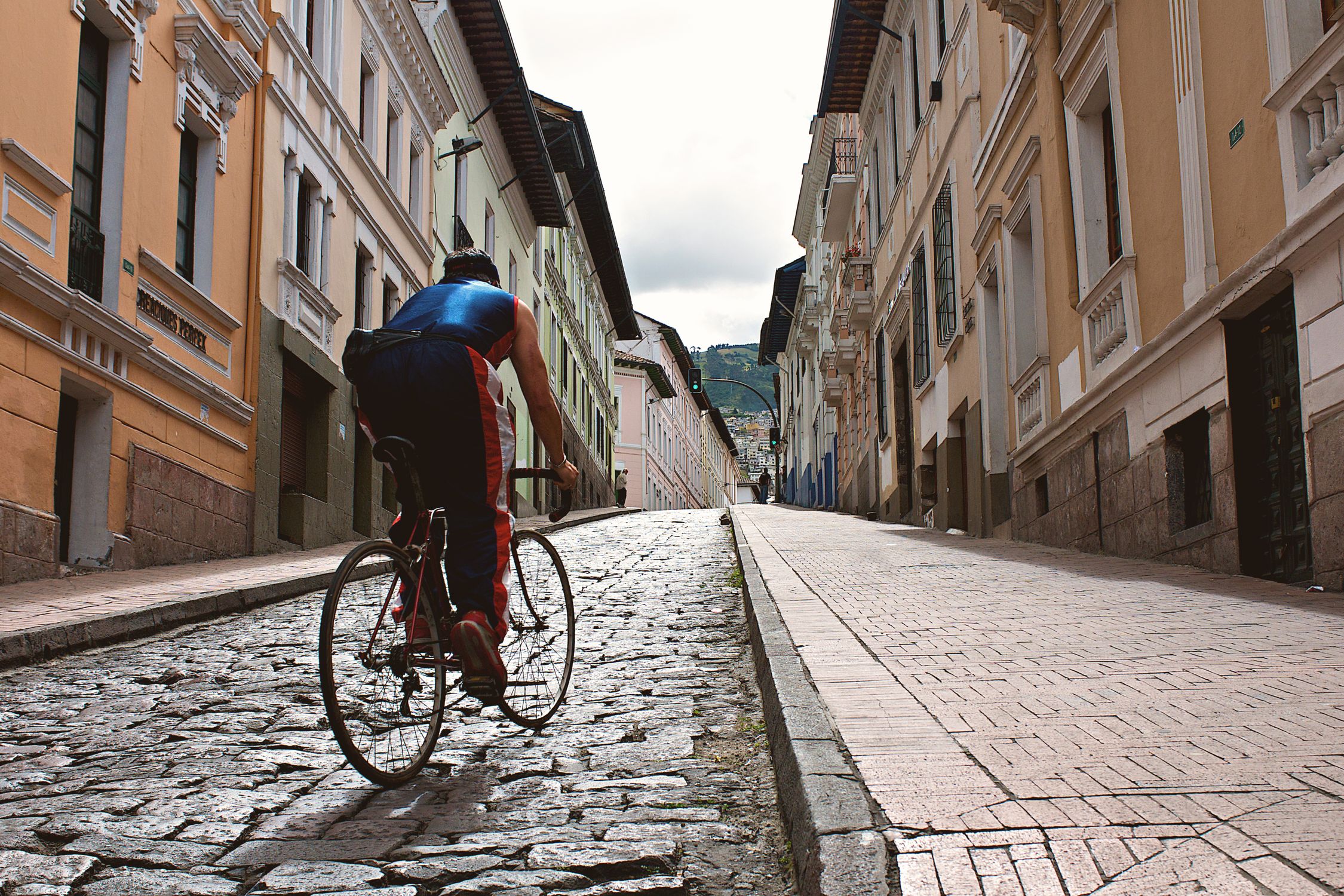
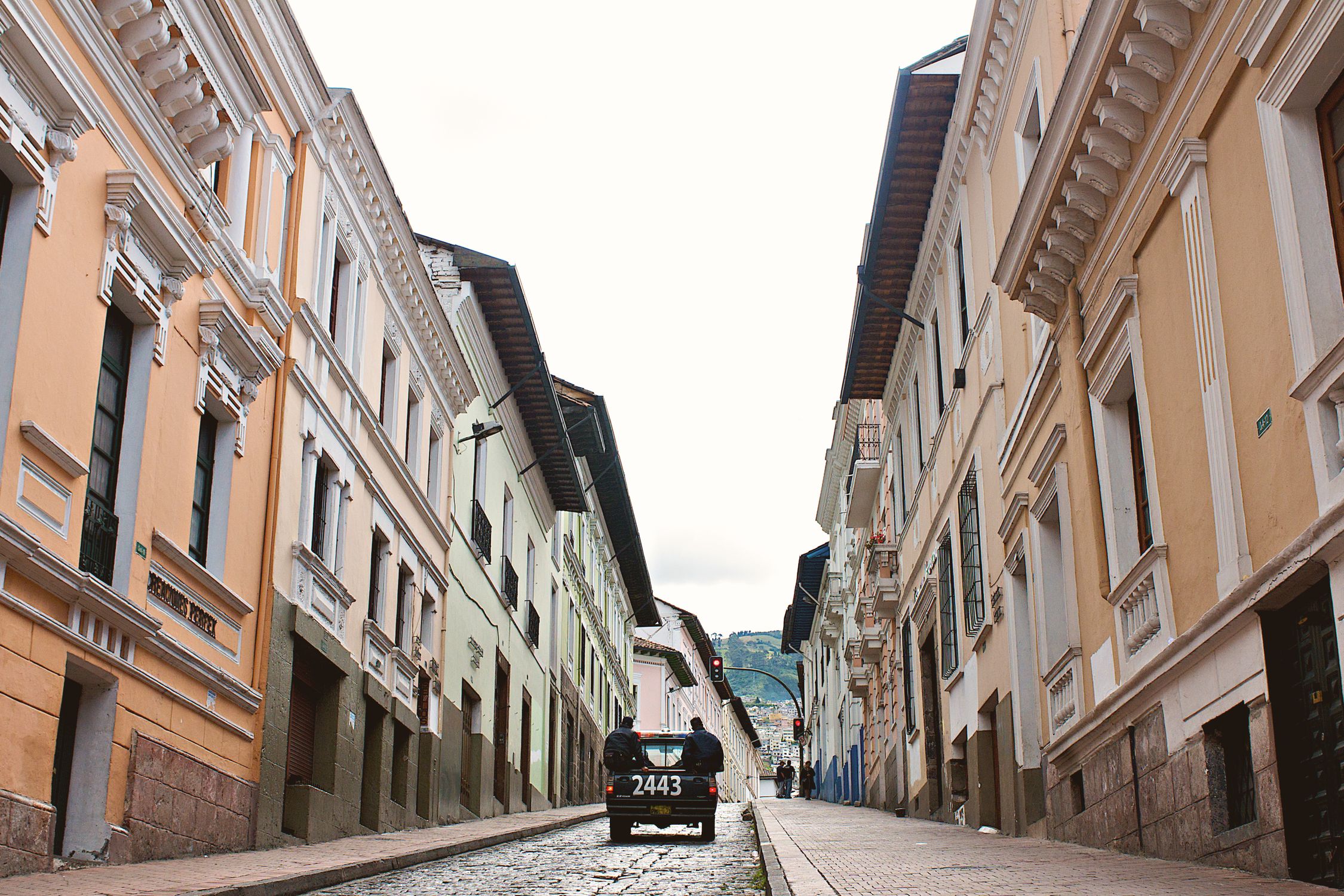
The Historic Center (Old Town) is where Old Town Quito Suites and Casa Gangotena both sit, right around Plaza Grande. This is Quito’s colonial core - colorful facades, cobblestone streets, and museums within walking distance of your front door. It’s also one of the two neighborhoods flagged as genuinely safe for solo women, which is part of why three of the four hotels on this list are clustered here or just beside it.
Central Quito, near the historic centre, is home to the Female Only Hostel. Being close to Old Town without being inside its busiest blocks gives you the safety benefit of a central, well-trafficked area with a bit more breathing room.
If you’re deciding between neighborhoods rather than specific hotels, think of it this way: La Floresta trades a bit of proximity for calm, the Historic Center trades a bit of quiet for being able to walk to almost everything, and Central Quito splits the difference. None of them require a taxi to reach the other, which is part of why local guides keep naming this same pair of areas as the safest bases for solo women visiting Quito.
Getting Around Quito Safely
Certified ride-hailing apps like InDriver are the easiest way to move around with confidence - they show you the driver’s photo, license plate, and rating before you ever get in the car, which adds real accountability compared to hailing something off the street. That verification step is worth the extra thirty seconds every time, and it’s a habit worth building from your very first ride, not just once you’re comfortable in the city.
For longer trips between cities, stick to daytime travel. Long-distance buses at night carry more risk than the same route in daylight, so if a trip can wait until morning, let it. It’s a small scheduling adjustment, but it’s one of the most consistently repeated pieces of safety advice for solo women moving through Ecuador.
Quito’s altitude is also worth factoring into how you move around, not just where you go. At nearly 2,850 m, even a brisk uphill walk between the Historic Center and La Floresta can leave you more winded than it would at sea level, so budget extra time and don’t be surprised if a “quick walk” takes longer than you’d planned.
Budget Guidance: What Fits Your Wallet
None of these four hotels list a fixed rate here - prices move with season and booking window, so always check live rates through the links above before you commit. That said, the four options do sit at different points on the spectrum. The Female Only Hostel is explicitly the budget-conscious pick, built for travelers who’d rather spend their money on experiences than on a room. Casa Aliso and Old Town Quito Suites sit in the middle, trading a bit of luxury for character and space. Casa Gangotena is the splurge - its own listing calls out a premium price point in exchange for luxury amenities and a landmark address. If you’re not sure which tier fits your trip, start with what matters most to you: privacy and space (Old Town Quito Suites), historic charm (Casa Aliso), full-service luxury (Casa Gangotena), or community and cost savings (the hostel). Whichever you choose, book through the links above rather than a third-party reseller you haven’t heard of - it’s the simplest way to make sure the rate you see is the rate you actually pay.
Common Mistakes to Avoid
Even experienced solo travelers trip over a few predictable pitfalls in Quito. None of these are dramatic, but each one is avoidable with a little planning before you land:
- Skipping acclimatization. Quito sits at 2,850 m (9,350 ft), the second-highest capital in the world. Give yourself a day or two to adjust, drink plenty of water, and hold off on strenuous hikes right away.
- Leaving valuables unattended in crowded areas. Pickpocketing can happen in busy plazas and markets, so keep bags zipped and close to your body. A theft-resistant backpack like the Pacsafe below is a genuinely useful buffer here.
- Relying on night buses. Nighttime long-distance transport carries more risk than daytime options - plan to be settled into your accommodation before dark whenever you can.
- Overpacking for a city built on hills. Heavy luggage makes navigating Quito’s slopes and steps exhausting fast. Packing cubes keep you organized without weighing you down.
Altitude and Health at 9,350 Feet
The thin air at nearly 2,850 m can catch first-time visitors off guard. Shortness of breath is common, and the advice from local guides is simple: take it easy for the first few days rather than diving straight into strenuous activity. Pace yourself - enjoy a coffee at a cafe table, walk the plazas slowly, and hydrate more than you think you need to. If anything feels off or doesn’t ease up after a day or two of rest, don’t push through it; seek medical attention promptly.

What to Pack for Quito’s Streets and Altitude
Packing light doesn’t mean sacrificing security. These three picks are built for exactly the kind of trip Quito asks for - cobblestones, altitude, and crowded plazas where you want your bag to work as hard as you do.
Pacsafe Citysafe CX 17L Anti-Theft Backpack ($189.95) - A compact 17-liter pack with interlocking zippers, slash-resistant mesh, and RFID blocking, built from water-resistant regenerated nylon. It fits a 16-inch laptop and is genuinely reassuring in the kind of crowded plazas where pickpocketing is a real (if manageable) risk. The tradeoff: straps aren’t the most adjustable for shorter torsos, and 17L runs small if you’re packing for more than a few days. Pacsafe Citysafe CX 17L Anti-Theft Backpack
Peak Design Packing Cube Medium ($69.95) - This cube compresses from 18L down to 8L and includes a movable clean/dirty divider, so fresh clothes stay fresh even after a few days on the road. The 70D Versa Heal ripstop nylon shell is weatherproof, which is handy for Quito’s occasional drizzle. It’s a premium price for a single cube, and the feature set is a bit of overkill if you don’t already travel with a Peak Design bag. Peak Design Packing Cube Medium
Eagle Creek Pack-It Specter Packing Cube Set (XS/S/M) ($53.95) - Ultralight silnylon ripstop cubes that are water-resistant, machine washable, and translucent enough that you can spot contents at a glance during a quick airport or hotel-room repack. There’s no compression here - it’s purely organizational - but for ultralight, carry-on-only travelers, that lightness is the whole point. Eagle Creek Pack-It Specter Packing Cube Set (XS/S/M)
Safety Tips Every Solo Traveler Should Know
Quito’s safety reputation has genuinely improved, especially in La Floresta and the Historic Center - the same two neighborhoods where most of the hotels above are based. A few habits carry the most weight:
- Use certified ride-hailing. Apps like InDriver show driver photos, plates, and ratings before you get in, which adds a real layer of accountability.
- Stay aware in crowded spots. Pickpocketing can happen in busy plazas and markets, so keep valuables zipped up and close to your body rather than in loose pockets or open totes.
- Travel by day when you can. Daytime buses and transport options are simply safer than their nighttime equivalents for longer routes.
- Dress for comfort, not invisibility. Blending in with locals is smart, but that doesn’t mean disappearing into yourself - dress comfortably and modestly if you’d like, but don’t trade away your personal style. Confidence is still your best accessory.
Treat Quito as a friendly neighbor you’re just getting to know rather than a threat to manage, and the city tends to open up rather than close off. Pick a hotel in La Floresta or the Historic Center, keep your ride-hailing and daytime-travel habits consistent, and let the altitude set your pace for the first day or two - the rest of the trip tends to take care of itself.
Related Reading
Get price-drop alerts and new guides from HerTripGuide
One email a week: price drops on the gear we recommend, new guides, and what changed. No spam, unsubscribe anytime.