Solo Female Travel Ecuador 2026: Complete Safety Guide
Empowering solo female travelers with a 2026 Ecuador guide--visa, safety, itineraries, gear, health tips, and budget hacks for Quito, Cuenca, Amazon, and Galapagos.

This post may contain affiliate links. Disclosure
Traveling alone as a woman can feel like stepping onto a stage where you’re both the lead actress and the director. Ecuador, with its soaring Andes, misty Amazon, and iconic Galapagos, offers a vibrant backdrop that rewards curiosity, confidence, and a dash of daring. From the altitude-thin air of Quito to the sun-splashed beaches of Santa Cruz, this 2026 guide gives you the practical script — visa basics, safety hacks, health prep, and gear that actually works — so you can focus on the wonder rather than the worry. Pack your sense of adventure; Ecuador is ready for you.
Is Ecuador good for solo female travel? Ecuador packs the Andes, the Amazon and the Galapagos into one small country. The guide covers visa, currency and safety basics, then Quito and the Andean highlands, colonial Cuenca, an Amazon jungle stretch and the Galapagos, plus gear that actually works and health advice for altitude.
Getting Started: Visa, Currency, and Safety Basics
Visa & Entry Requirements
U.S. passport holders enjoy visa-free entry for up to 90 days within any 12-month period. Just make sure your passport is valid for at least six months beyond your intended departure date, and keep a return or onward ticket handy. Occasionally, immigration officers may ask for proof of accommodation or funds, so a printed itinerary or a screenshot of a confirmed booking can smooth the process.
Money Matters
Ecuador uses the U.S. dollar (USD) exclusively, so you won’t need to hunt for exchange bureaus after you land. However, cash is still king for certain fees: the Galapagos National Park entrance ($200 adult, $100 child) and the mandatory Ingala Transit Control Card (TCT) at $20. Credit cards are spotty at airport checkpoints and in remote lodges, so carry enough USD in small bills.
Safety Snapshot
The U.S. State Department rates Ecuador at Level 2 — “Exercise Increased Caution.” Crime rates vary by region; Quito, Cuenca, and the Galapagos are generally safe during daylight, but heightened awareness is wise at night, especially in La Mariscal’s bustling bars. Ride-hailing apps like Uber, Cabify, and DiDi are legal and preferred for their in-app tracking and driver verification. Avoid unmarked street taxis after dark; opt for registered yellow taxis (orange sticker) or an app ride instead. Register your trip with STEP via the U.S. Embassy in Quito for added peace of mind.
Quick tip: Keep a slim RFID-blocking money belt (like the LANNEY Travel Money Belt) under your clothes for passports, cash, and cards. It’s invisible to pickpockets and protects against digital skimming.
Quito & the Andean Highlands

Altitude Acclimation
At 2,850 m (9,350 ft), Quito is the world’s second-highest capital. Roughly one in four visitors feels altitude sickness within the first 24-48 hours. Hydration is your best ally — drink at least 2 L of water daily, and consider a gentle electrolyte solution. Skip alcohol and strenuous hikes on arrival day; a leisurely walk around Plaza Grande or the historic streets of La Floresta lets your body adjust without overexertion. If you have a history of severe altitude reactions, consult a travel-medicine doctor about Diamox (acetazolamide) before you go.
Neighborhoods: La Mariscal vs. La Floresta
La Mariscal, often called “La Zona,” is the tourist hub with hostels, bars, and a lively night scene. It’s convenient for first-time visitors but has seen a dip in safety standards; stay alert after dark, keep valuables out of sight, and stick to well-lit streets. A short 10-minute walk southeast lands you in La Floresta, a bohemian enclave favored by locals for its art galleries, independent cafes, and lower street-crime rates. Both neighborhoods are safe in daylight, but La Floresta offers a quieter, more authentic vibe for solo travelers who prefer a slower pace.
Must-Do Experiences
- TeleferiQo Cable Car: Ascend to 3,300 m for panoramic views of the city and surrounding volcanoes. Bring a light jacket; temperatures drop quickly.
- Mitad del Mundo: Stand on the equatorial line and snap a photo with a globe-shaped monument.
- Culinary Exploration: Try locro de papa (potato soup) and cuy (guinea pig) at a family-run comedor in La Floresta.
Gear Highlight for Quito
When strolling cobblestone streets or hopping onto a bus to Cotopaxi, the Teva Women’s Tirra Athletic Sport Hiking Sandal shines. Its Spider Rubber outsole grips volcanic stone, while the quick-dry nylon upper dries in 1-2 hours — perfect for sudden rain showers. The adjustable three-strap system accommodates swelling feet at altitude, and the LUVSEAT footbed eases long walks through historic centers.
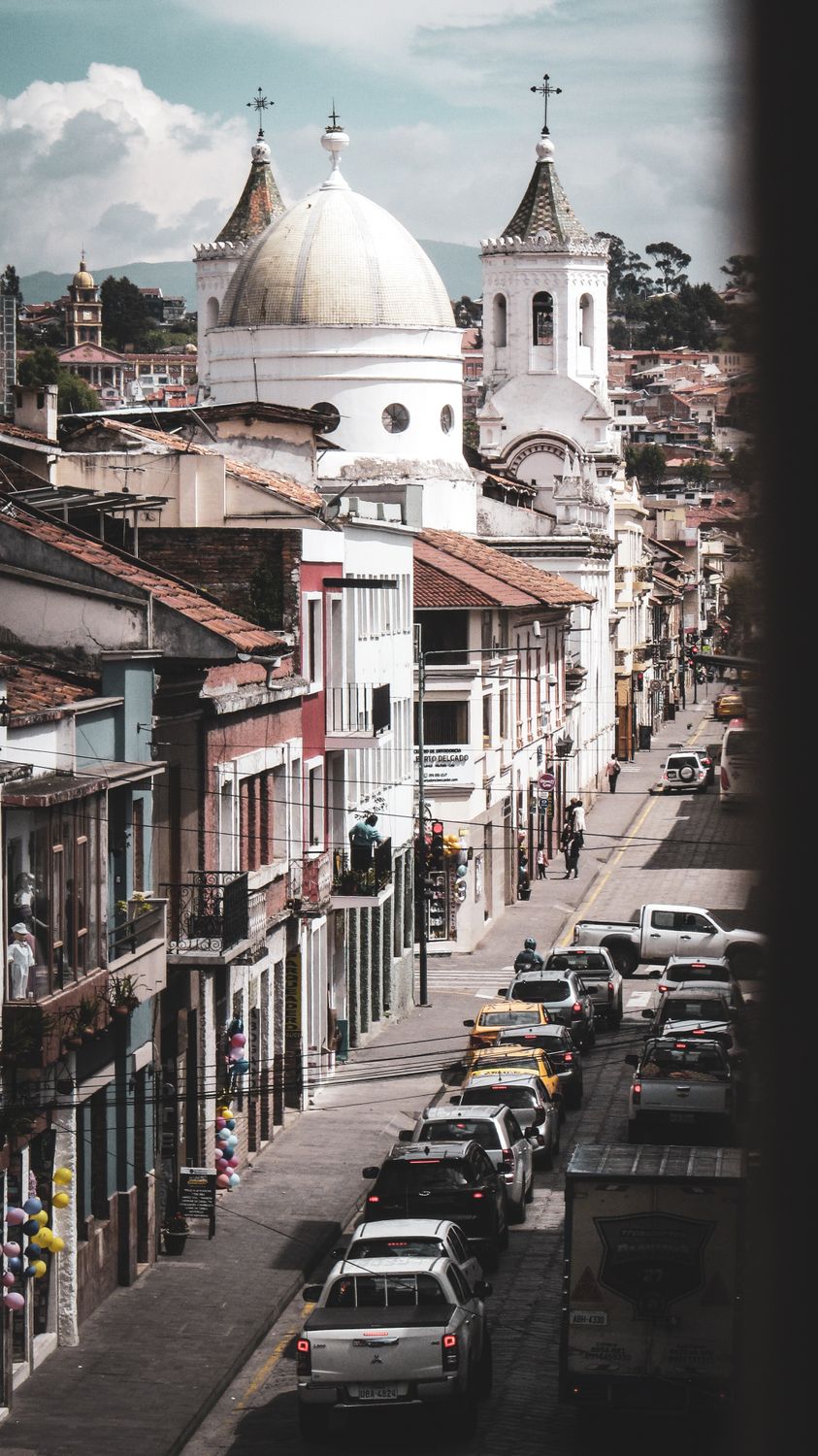
Cuenca & Colonial Charm
Altitude & Climate
Cuenca rests at 2,560 m (8,399 ft), offering milder altitude effects than Quito. Still, newcomers may notice a light head-pressure on the first day. The city enjoys a temperate climate — average 15 degrees C (59 degrees F) — so a packable insulated layer is essential year-round, especially for evenings.
Cultural Highlights
- Canon del Rio Tomebamba: A short hike reveals dramatic cliffs and hidden waterfalls.
- Panama Hat Workshops: Learn the craft behind Ecuador’s iconic straw hats; many workshops welcome solo travelers.
- Night Market (Mercado 10 de Agosto): Sample fresh fruit juices, empanadas, and live music in a bustling, safe environment.
Practical Tips
Cuenca’s public transport is reliable and inexpensive. Buses run every 10-15 minutes, and the city’s compact layout makes walking a pleasure. For night outings, stick to the central Plaza San Sebastian area, where street lighting and police presence are strong.
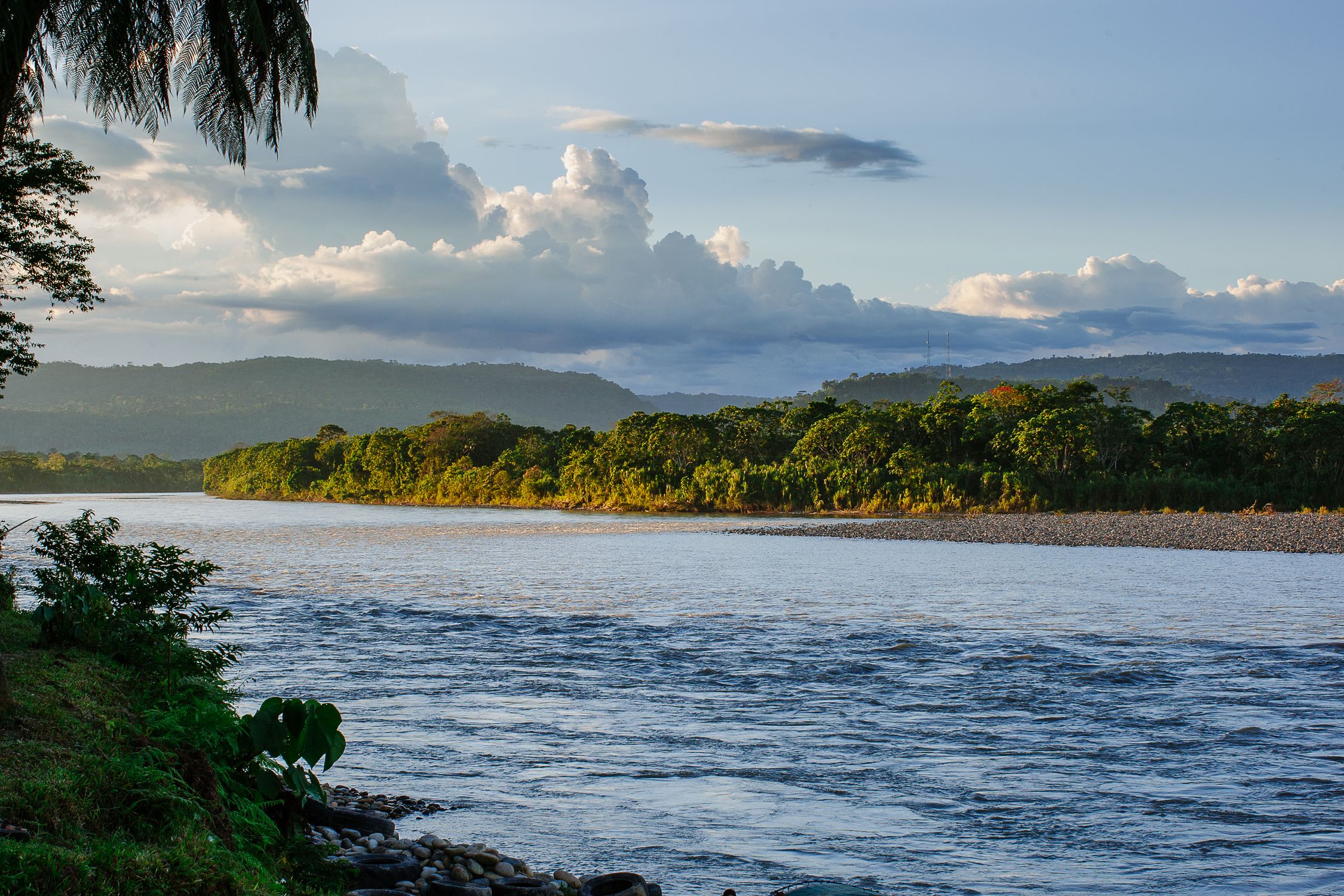
Amazon Adventure: Jungle, Rivers, and Wildlife
Health Precautions
The Amazon lowlands sit below 1,500 m, where malaria risk is present. CDC-recommended prophylactics include atovaquone-proguanil, doxycycline, mefloquine, or tafenoquine. Start your regimen 1-2 weeks before departure and continue for four weeks after you leave the region. Yellow fever vaccination is required for travelers heading into provinces below 2,300 m (e.g., Napo, Orellana). Get the shot at least ten days before travel and carry the International Certificate of Vaccination. Find full guidance at the CDC Ecuador travel health page.
Water Safety
Tap water is unsafe throughout Ecuador, especially in remote Amazon lodges. The Sawyer Products Squeeze Water Filtration System eliminates 99.99999% of bacteria and 99.9999% of protozoa, and even 100% of microplastics. Its collapsible pouches let you drink directly from streams or hotel taps, dramatically cutting single-use plastic waste. Keep a backup pouch for the occasional pinhole leak, and consider adding Aquatabs if you’ll be near tributaries with higher contamination risk.
Nighttime Safety
Jungle night walks are magical but require reliable illumination. The Black Diamond Spot 400 LED Headlamp offers 400 lumens, a red night-vision mode that preserves your eyes’ natural adaptation, and an IPX8 waterproof rating for sudden downpours. Pack spare AAA batteries or the optional rechargeable BD 1500 mAh pack for multi-day treks.
Packing Light & Dry
A OutdoorMaster Dry Bag Waterproof Roll-Top 10L protects electronics, passport copies, and a spare set of dry clothes from river splashes and sudden rain. Its IPX8 rating means it can be fully submerged — ideal for kayak excursions on the Tena River. Because the bag floats when sealed, you won’t lose it if it slips overboard.
Galapagos Islands: Wildlife, Beaches, and Sustainable Travel


Entry Fees & Documentation
Every visitor pays a $200 USD Galapagos National Park entrance fee (adults) and purchases a $20 USD Ingala TCT card at the airport. Cash is mandatory; credit-card acceptance is inconsistent at the fee desks. Bring exact change to avoid delays. For official park information, visit the Parque Nacional Galapagos site.
Cruise vs. Island-Hopping
A cruise offers structured itineraries, access to remote sites, and the convenience of a single accommodation — ideal if you love wildlife spotting without worrying about logistics. Prices range $3,500-$6,000 for a 7-night liveaboard. Island-hopping provides flexibility, lower cost ($2,000-$3,500), and the chance to stay longer on your favorite island, but you’ll need to arrange daily tours and transport. For first-time solo travelers, a hybrid itinerary — 3 nights on a cruise followed by 2-3 days land-based on Santa Cruz — delivers the best of both worlds.
Sustainable Practices
The Galapagos is a fragile ecosystem. Stick to marked trails, avoid feeding wildlife, and use reef-safe sunscreen. Carry a reusable water bottle and refill at designated stations; the Sawyer Squeeze system works perfectly with the island’s tap water, which is generally safe after filtration.
Gear for Island Life
- Dry Bag (10L) for electronics and a spare set of clothes during snorkeling or kayaking.
- Lightweight Convertible Pants: The Columbia Women’s Saturday Trail Knee Pant converts to shorts in seconds, offering UPF 50 protection against the intense equatorial sun.
- Insulated Jacket: Even in the Galapagos, evenings can dip to 15 degrees C (59 degrees F). The Patagonia Women’s Nano Puff Insulated Jacket packs into its own chest pocket and stays warm when damp — perfect for sunset beach walks.
Gear Essentials for the Solo Female Explorer
Below is a curated list of gear that addresses the unique challenges of traveling alone in Ecuador — altitude, jungle humidity, and island adventures — all vetted for quality, durability, and safety.
Water Filtration
Sawyer Products Squeeze Water Filtration System
- ASIN: B01MY8CBXB
- Price: $35-45
- Why it matters: Tap water is unsafe throughout Ecuador. This filter removes 99.99999% of bacteria and 99.9999% of protozoa, plus 100% of microplastics. The two 32-oz squeeze pouches let you drink straight from a river or hotel tap, reducing plastic waste. Its 100,000-gallon lifespan means you’ll never need a replacement cartridge.
Pro tip: Pair with Aquatabs for extra protection against viruses in high-risk Amazon tributaries.
Footwear
Teva Women’s Tirra Athletic Sport Hiking Sandal
- ASIN: B0055X2U3W
- Price: $90-115
- Why it matters: The Spider Rubber outsole handles slick volcanic stone and muddy Amazon trails. Quick-dry nylon upper dries within 2 hours — essential after crossing streams near Banos or Tena. Adjustable straps accommodate swelling at altitude, and the LUVSEAT footbed eases long cobblestone walks in Quito and Cuenca.
Insulation
Patagonia Women’s Nano Puff Insulated Jacket
- ASIN: B08D4KPR4P
- Price: $199-229
- Why it matters: Quito evenings can drop to 8 degrees C (46 degrees F). This 60-g PrimaLoft Gold Eco insulation stays warm when wet, unlike down. It packs into its own chest pocket, fitting easily into a day bag for unpredictable Andes weather.
Convertible Bottoms
Columbia Women’s Saturday Trail Knee Pant Quick Dry Convertible
- ASIN: B07W62DXTZ
- Price: $50-70
- Why it matters: Zip-off legs let you transition from high-altitude hikes to low-land Amazon humidity without a full outfit change. UPF 50 protects against the intense equatorial sun, especially on Galapagos beaches.
Waterproof Storage
OutdoorMaster Dry Bag Waterproof Roll-Top 10L
- ASIN: B07QXZCQ75
- Price: $18-25
- Why it matters: Keeps passport, phone, and dry clothing safe during kayaking in the Galapagos or river taxi rides in the Amazon. The bag floats if accidentally dropped overboard — peace of mind for water-loving solo travelers.
Money Safety
LANNEY Travel Money Belt RFID Blocking Slim Hidden Pouch
- ASIN: B07BTWTJGF
- Price: $12-18
- Why it matters: RFID blocking protects your USD-based credit cards from skimmers. Its slim, under-clothes design stays invisible to opportunistic thieves in Quito’s nightlife districts.
Vantamo Money Belt with RFID for Women, 2-Compartment Hidden Travel Fanny Pack
- ASIN: B0DCW22FNV
- Price: $20-28
- Why it matters: Two compartments keep your Ingala TCT card and cash separate from other valuables, making airport and ferry checks smoother. Adjustable strap fits a range of body types, and the lightweight rip-stop nylon won’t bulk your travel silhouette.
Night Illumination
Black Diamond Spot 400 LED Headlamp — Bordeaux
- ASIN: B09NQKR724
- Price: $40-55
- Why it matters: 400 lumens provide ample light for jungle night walks, while the red night-vision mode preserves your eyes for guided jaguar spotting. IPX8 waterproof rating handles sudden Amazon downpours, and the PowerTap brightness control works with gloves on cold mountain trails.
Health & Wellness: Staying Strong on the Road
Altitude Management
Hydration, gentle movement, and a balanced diet are your first line of defense. If you experience persistent headaches or nausea after 48 hours, seek medical attention at a local clinic — Quito’s public hospitals have English-speaking staff in the tourist zones.
Vaccinations & Prophylaxis
- Yellow Fever: Required for Amazon provinces below 2,300 m. Get the vaccine at least ten days before departure; bring the International Certificate of Vaccination.
- Malaria: Prophylaxis is recommended for the Amazon lowlands. Choose a regimen that fits your health profile and schedule.
For detailed health guidance, consult the CDC Ecuador travel health page.
Women-Specific Concerns
Period supplies can be harder to find in remote areas. Pack a reusable menstrual cup or a sufficient supply of tampons/pads in your dry bag. The packing checklist for solo women offers a comprehensive list of hygiene items.
Mental Well-Being
Solo travel can be exhilarating but also lonely at times. Stay connected with friends via scheduled video calls, and consider joining a women-only travel forum before you leave. Apps like “Travel Buddies” (see our best safety apps guide) let you share your location with trusted contacts.
Practical Tips & Apps for the Modern Solo Woman
- Transportation: Use Uber, Cabify, or DiDi for city rides; they provide driver details, route tracking, and in-app emergency buttons.
- Language: Spanish is the official language. Learning basic phrases (“Donde esta el bano?”) goes a long way in building rapport and safety.
- Connectivity: Purchase a local SIM card (e.g., Claro or Movistar) at the airport for reliable data. Many hostels offer free Wi-Fi, but it can be spotty in the Amazon.
- Emergency Numbers: National emergency line is 911. Keep the U.S. Embassy’s Quito number (+593-2-398-5000) saved.
- Documentation: Scan your passport, visa page, and insurance card; store copies in a secure cloud folder and in a separate dry bag.
For more on staying safe while traveling alone, read our airport safety and transit guide and the personal safety devices guide.
Related Reading
Get price-drop alerts and new guides from HerTripGuide
One email a week: price drops on the gear we recommend, new guides, and what changed. No spam, unsubscribe anytime.