Best Hotels for Solo Female Travelers in San Francisco 2026
A warm, safety-focused guide to the top San Francisco hotels for solo women in 2026, with transit tips, packing gear, and honest, practical advice.

This post may contain affiliate links. Disclosure
Traveling alone as a woman in San Francisco can feel like a celebration of independence, if you have the right base, reliable transit, and a few smart packing tricks. The city consistently ranks as one of the safest major U.S. cities for solo female travelers, with low violent-crime rates in downtown neighborhoods, according to Adventurous Kate. From the design-forward streets of Hayes Valley to the bustling waterfront of Fisherman’s Wharf, you’ll find neighborhoods that feel both vibrant and secure. Below is a curated list of hotels that balance style, safety, and convenience, followed by practical tips on getting around, what to pack, and how to avoid common pitfalls.
Where should solo female travelers stay in San Francisco in 2026? The standout picks are San Francisco Proper Hotel in Mid-Market (Market Street), Hotel Triton and Kimpton Alton Fisherman’s Wharf in Fisherman’s Wharf. 1 Hotel San Francisco suits solo women seeking a tranquil, environmentally-conscious retreat close to waterfront attractions. Direct proximity to the Ferry Building means your last stop before bed is a busy,.
The Best Places to Stay

San Francisco Proper Hotel - Mid-Market (Market Street)
A design-forward boutique perched on Market Street, the Proper Hotel boasts Kelly Wearstler interiors, a rooftop bar with panoramic city views, and steps to BART, MUNI, Hayes Valley, SoMa, and Union Square. Price band: $220-$260.
Pros: Chic vibe that feels upscale yet safe; excellent transit connections for solo explorers. Cons: Higher nightly rate compared with many other boutique options.
Best for solo female travelers who want a chic, design-centric base with easy access to transit and nightlife. The concrete safety win here is location: with BART and MUNI literally at the door, you never have to walk more than a block or two after dark to get back to a well-staffed lobby. San Francisco Proper Hotel - Check rates - Official site
Hotel Triton - Union Square / Chinatown
Located just steps from Union Square, Chinatown, and the Financial District, Hotel Triton dazzles with vibrant, artsy decor and a rotating gallery of local artwork. It also runs a 24-hour front desk and welcomes pets, which many solo women appreciate as an extra layer of round-the-clock staffing. Price band: $140-$210.
Pros: Boutique personality that feels welcoming and safe; great value for a central location. Cons: Rooms can be noisy due to street activity.
Best for solo women who want a lively, culturally-rich neighborhood with easy walking access to attractions - the always-staffed desk means you can arrive on a late flight without worrying about an unattended check-in. Hotel Triton - Check rates - Official site
Kimpton Alton Fisherman’s Wharf - Fisherman’s Wharf
Set on the iconic waterfront, this eco-friendly hotel offers a 24-hour fitness center, a Peloton studio, an on-site Filipino restaurant, and a bike-rental program. Price band: Varies.
Pros: Safe, well-lit area popular with tourists; social spaces (wine hour, communal tables) encourage meeting other travelers. Cons: Tourist-heavy location can feel crowded during peak season.
Best for solo female travelers who appreciate sustainability, fitness amenities, and a bustling waterfront vibe. The nightly wine hour and communal tables are a low-pressure way to strike up conversation with fellow guests before heading out for the evening. Kimpton Alton Fisherman’s Wharf - Check rates
1 Hotel San Francisco - Embarcadero
An eco-luxury retreat built from reclaimed wood and natural materials, featuring a rooftop pool, a lounge with bay views, and direct access to the Ferry Building and MUNI lines. Price band: Varies.
Pros: Quiet, wellness-focused atmosphere; spacious rooms with high-end sustainable amenities. Cons: Premium price point.
Best for solo women seeking a tranquil, environmentally-conscious retreat close to waterfront attractions. Direct proximity to the Ferry Building means your last stop before bed is a busy, well-lit transit hub rather than a quiet side street. 1 Hotel San Francisco - Check rates
University Club of San Francisco - Financial District
Housed in a historic building with antique decor and a library lounge, this club offers free breakfast, a cocktail bar with skyline views, a gym, and squash courts. Price band: Varies.
Pros: Quiet, upscale environment with a sense of privacy; central location near transit hubs. Cons: Limited number of rooms (small boutique size).
Best for solo travelers who value a refined, low-key setting with easy access to the downtown business district. Its small size means staff tend to recognize repeat guests quickly, which adds a personal, watched-over feeling that bigger hotels can’t match. University Club of San Francisco - Check rates
The Donatello Hotel - Union Square
Italian-inspired design, live jazz music, and a seasonal rooftop pool and hot tub offering city views define this lively spot. Price band: Varies.
Pros: Friendly staff who provide local recommendations; close proximity to shopping, dining, and transit. Cons: Rooftop pool is seasonal and may be closed in cooler months.
Best for solo women who enjoy a lively social atmosphere with easy access to Union Square. Staff who know the neighborhood well can steer you toward well-lit routes back from dinner, which is a small but real safety perk. The Donatello Hotel - Check rates
Queen Anne Hotel - Union Square (Victorian historic)
A charming Victorian boutique with elegant decor, free morning coffee and tea service, and a location just steps from Union Square shopping and transit. Price band: Varies.
Pros: Intimate setting that feels safe; excellent location for walking tours. Cons: Older building may have limited modern amenities.
Best for solo travelers who love historic charm and a central, walkable location. Its intimate scale means the front desk tends to notice comings and goings, which many solo guests find quietly reassuring. Queen Anne Hotel - Check rates
Getting Around Safely

Union Square is a major transit hub, offering direct access to BART, MUNI, and numerous cable-car lines, making it easy to reach attractions without a car, according to Girl About the Globe. The city’s public-transport system runs year-round; buses and streetcars arrive every 10-15 minutes on weekdays, with slightly reduced weekend service but still reliable, per Sologuides. A single MUNI ride costs $3, and the 911 emergency system is dependable, with visible police presence in tourist areas enhancing perceived safety, notes Adventurous Kate. You can check live service updates and route planning directly through the San Francisco Municipal Transportation Agency (SFMTA).
Tips for solo women:
- Buy a Clipper Card at any MUNI kiosk; it speeds up boarding and avoids handling cash.
- Stay near well-lit stops. Most BART stations have security cameras and staff on duty.
- Download the official MUNI app for real-time arrivals; it reduces waiting time in isolated stations.
- Carry a small, discreet bag (see the packing section below) to keep valuables close while navigating crowded platforms.
What to Pack
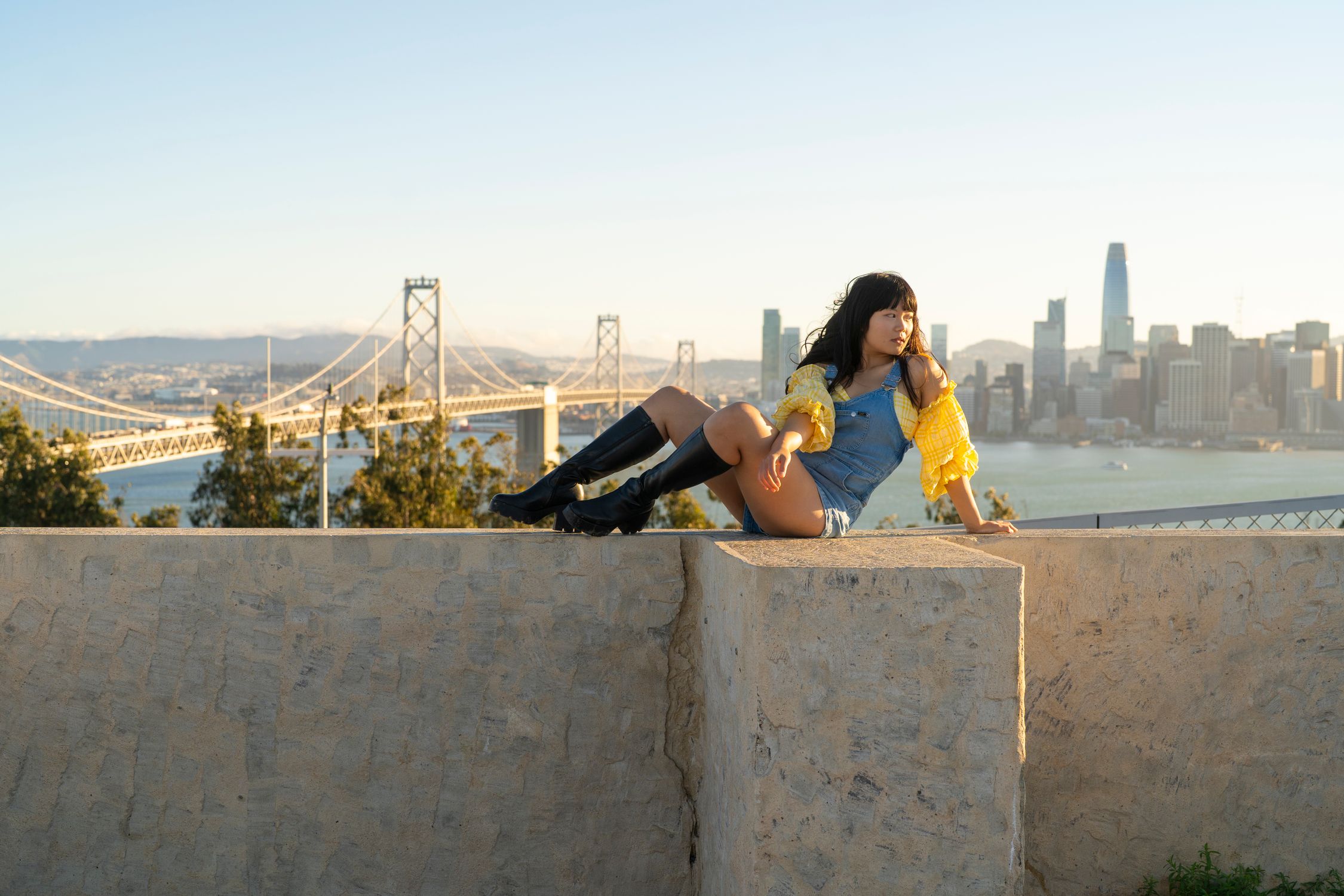
Solo travel means you’ll be juggling a day bag, a laptop, and perhaps a change of clothes for evening outings. Here are three vetted gear picks that balance security, organization, and lightweight performance.
- Pacsafe Citysafe CX 17L Anti-Theft Backpack - At 1.7 lbs with interlocking zippers, slash-resistant mesh, and RFID blocking, this 17-liter pack keeps passports and tech snug while you navigate crowded streets. It fits a laptop up to 16 inches and comes with a 5-year warranty, which says a lot about how it’s built.
- Peak Design Packing Cube Medium - Compresses to 8 L and expands to 18 L, with a movable clean/dirty divider that lets you keep workout gear separate from city-exploration outfits. The 70D Versa Heal ripstop shell is weatherproof, so a sudden fog drizzle near the Embarcadero won’t soak your clothes.
- Eagle Creek Pack-It Specter Packing Cube Set (XS/S/M) - Ultra-light silnylon cubes that are water-resistant and machine washable, perfect for a minimalist carry-on. The translucent fabric means you can spot what’s inside without unzipping every cube at airport security.
Pair the anti-theft backpack with one or two cubes, and you’ll have a streamlined system that fits under the seat on MUNI or in the overhead bin on BART.
Seasonal Tips for Walking Tours
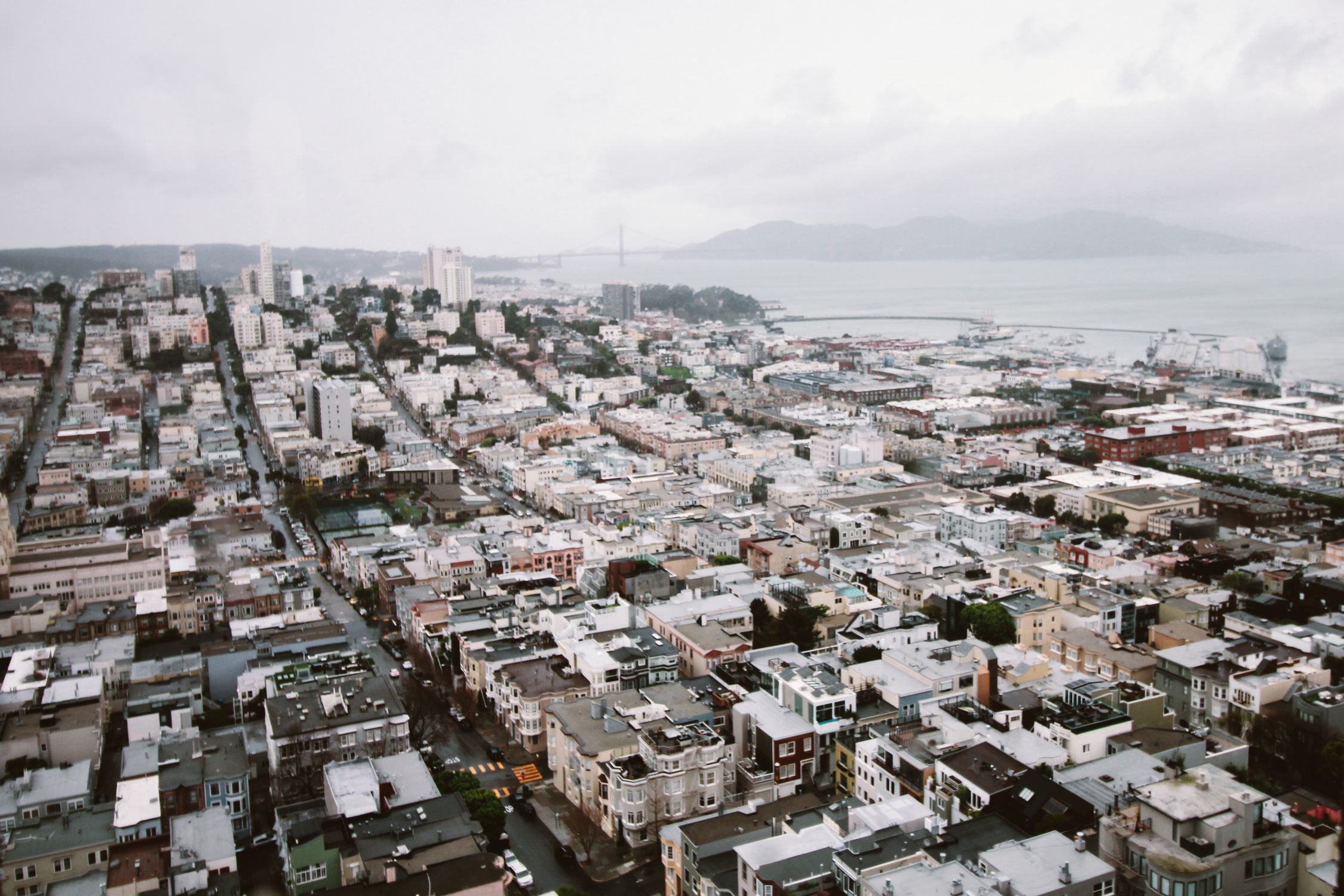
San Francisco’s climate is famously mild. Summers (June-August) hover around 65-70 degrees Fahrenheit with fog, while September-October often bring the warmest, driest days, ideal for extended walking tours, according to Sologuides. Dress in layers: a breathable base, a light fleece, and a wind-proof jacket for the occasional marine breeze.
Footwear: Choose supportive sneakers with good traction; the city’s famous hills can be unforgiving on flat shoes.
Timing: Start early in the morning to beat the fog on the western side and to enjoy quieter streets before the lunch rush.
Hydration: Carry a reusable water bottle; many cafes in Union Square and the Embarcadero offer free refills.
Budgeting for Your Trip
San Francisco’s cost of living is high, so it helps to plan ahead. Expect to pay $15-$25 per restaurant meal and $3 per MUNI ride, per Sologuides. A daily budget of $50-$70 comfortably covers food, transit, and a modest souvenir, on top of your hotel rate. Boutique properties like Hotel Triton and the Queen Anne Hotel sit toward the lower end of the price bands above, which frees up room in your budget for the packing gear and the occasional cable-car splurge.
Common Mistakes to Avoid
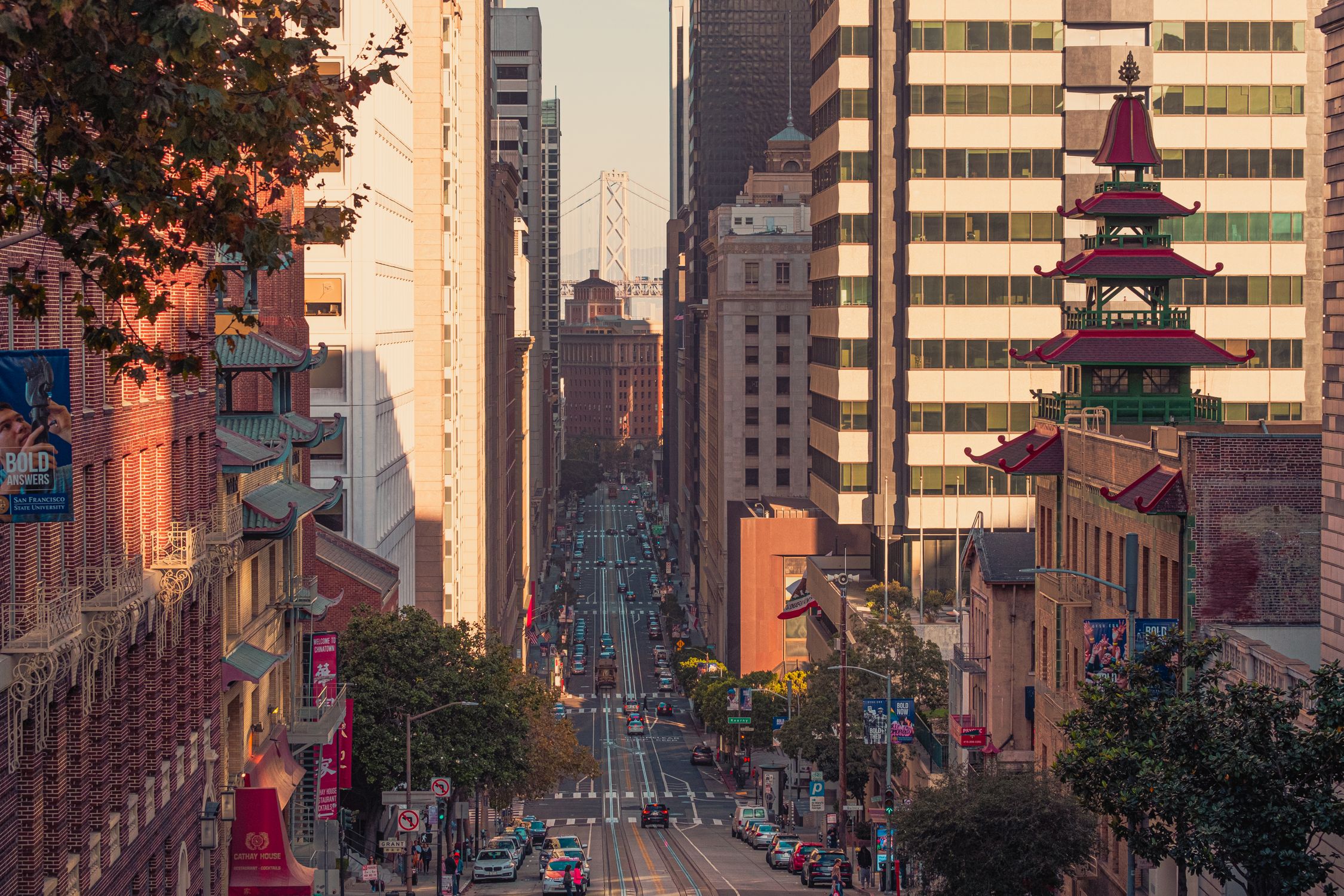
Even seasoned solo travelers can slip into habits that diminish safety or enjoyment. Here are pitfalls to watch for, based on experiences shared by women on the road, per Girl About the Globe.
- Relying on “free Wi-Fi” spots for navigation - Public networks can be insecure; download offline maps ahead of time or use a VPN.
- Leaving valuables unattended - Even in well-lit cafes, keep bags on your lap or use a lockable zip-around strap.
- Over-packing for day trips - A heavy bag can attract unwanted attention and tire you out on the city’s steep streets.
- Skipping the “check-in” habit - Let a trusted friend know your itinerary each night; a quick text can be a lifesaver if plans change.
- Assuming all neighborhoods are equally safe after dark - While downtown rates are low, some peripheral districts feel less lively after sunset; stick to well-traveled routes and transit hubs.
FAQ
Q: Do I need a car to explore San Francisco? A: No. The city’s extensive MUNI network, combined with BART for longer hops, covers most attractions. A Clipper Card and the MUNI app make it easy to hop on and off without a driver’s license.
Q: Is it safe to walk alone at night? A: Yes, especially in well-lit areas like Union Square, the Embarcadero, and Fisherman’s Wharf. Police presence is visible in tourist zones, and the 911 system is reliable, according to Adventurous Kate.
Q: What’s the best time of year for solo female travelers? A: September-October offers the warmest, driest weather, perfect for walking tours and outdoor dining. Summer fog can be beautiful but may require an extra layer.
Q: How much should I budget for meals and transport? A: Expect $15-$25 per restaurant meal and $3 per MUNI ride, per Sologuides. A daily budget of $50-$70 covers food, transit, and a modest souvenir.
Q: Are there any gender-specific services I should look for? A: Many boutique hotels, like the Proper Hotel and Hotel Triton, offer 24-hour front desks and well-lit common areas, which many solo women find reassuring. Always ask the concierge about women-only fitness classes or safe-night-out recommendations.
Q: Which neighborhood should I base myself in? A: It depends on your priorities. Union Square and Mid-Market put you closest to BART, MUNI, and cable cars, which is ideal if you want to move around without much planning. Fisherman’s Wharf and the Embarcadero suit travelers who want a waterfront setting with a strong tourist presence and visible foot traffic well into the evening. The Financial District, home to the University Club, is quieter at night but still central and well-served by transit.
Q: Is it worth paying more for a boutique hotel over a budget chain? A: For solo women, the extra cost often buys peace of mind rather than just style. Hotels like the San Francisco Proper and 1 Hotel San Francisco pair their design with round-the-clock staffing and central, well-lit locations, which can matter more than a lower nightly rate once you factor in late arrivals or evening outings.
Related Reading
Get price-drop alerts and new guides from HerTripGuide
One email a week: price drops on the gear we recommend, new guides, and what changed. No spam, unsubscribe anytime.