Renting a Car in Costa Rica: Solo Female Traveler Guide 2026
Empowering solo women get the facts on age rules, pricing, insurance, road tips, and packing for a safe, confident Costa Rica road trip in 2026.

This post may contain affiliate links. Disclosure
Traveling alone in Costa Rica is a vibrant mix of cloud forests, volcanic vistas, and sun-kissed beaches. With a rental car you set your own pace, stop for a coffee in a hidden village, and chase waterfalls that aren’t on the bus map. Yet the paperwork, insurance jargon, and winding gravel roads can feel intimidating, especially when you’re the only woman behind the wheel. This guide pulls together the hard numbers, legal must-knows, and practical hacks so you can drive with confidence, keep your belongings safe, and still have room for that extra pair of sandals. Let’s turn the rental counter into a launchpad for your solo adventure.
What do you need to rent a car in Costa Rica as a solo woman? You must be at least 21 with a license held two years, plus a major credit card for the deposit — cash and debit are refused. Some brands set 23 or 25. Economy cars run about US$5-10 a day, compacts $15-25 and intermediates $25-35.
Rental Requirements & Age

Costa Rica’s law is clear: you must be at least 21 years old to rent a car, per Expat Focus, and you need a driver’s license that’s been valid for at least two years, a requirement Adobe spells out specifically for its own fleet. Some international brands raise the bar: Adobe requires 23 years, while Alamo only rents to drivers 25 and older unless you pay an under-age surcharge.
A major credit card is non-negotiable for the security deposit; cash or debit cards simply won’t be accepted, per Expat Focus. Bring your passport, a clean license, and the credit card you’ll use for the hold. If you’re traveling with a partner or friend, you can add an extra driver for a modest fee, but make sure they also meet the age and license criteria too, since a mismatch at the counter can delay pickup by an hour or more.
Keep in mind that the age and license rules stack: the 21-year national minimum is a floor, not a guarantee that every company will rent to you at that age. Booking with Alamo or a similar 25-and-over brand at 22 or 23 means budgeting for the under-age surcharge on top of the daily rate, so it pays to shop around companies before you lock in a reservation.
When you pick up the car at Juan Santamaría International Airport (SJO), aim for an early-morning slot. Traffic is lighter, and you’ll have the chance to inspect the vehicle before the rush of other renters arrives. Keep a copy of the rental agreement (paper or digital) in your bag, since this will smooth any questions at the return desk. If you’re adding a second driver for part of the trip, confirm their name is on the contract before you leave the lot, not after a checkpoint stop.
Pricing by Vehicle Class
Costa Rica’s rental market is surprisingly diverse. According to Kayak, economy cars can be found for as little as US$5-$10 per day, while compact models sit in the $15-$25 range. If you need a bit more room for surfboards or a stroller, the intermediate class runs $25-$35 daily. For jungle-bound excursions or coastal drives with a lot of gear, an SUV will cost $45-$64 per day. The average daily rate in October drops to about US$24, a useful benchmark if you’re traveling in the shoulder season.
Major brands, including Alamo, Avis, Budget, Enterprise, Hertz, National, Sixt, and local firms like Vamos and EasyCar, offer these categories, and you’ll see similar price bands across them, as ExpatDen confirms. To get the best deal, compare rates on a meta-search platform such as DiscoverCars; they aggregate offers from the big names and often surface promotional codes.
Remember that the quoted price usually excludes optional add-ons like supplemental liability or roadside assistance, so factor those in if you want extra peace of mind. Also, fuel policies vary: “full-to-full” is the most economical, but you’ll need to locate a gas station before you return, since many rural pumps only accept cash. Comparing at least two or three quotes before you commit is worth the ten extra minutes, especially once add-ons start stacking up.
Which class you choose should match your itinerary, not just your budget. An economy or compact car is fine if you’re sticking to San José and the paved main routes. Once you add a trip to Monteverde, the Osa Peninsula, or anywhere with unpaved switchbacks, the intermediate or SUV classes earn their higher daily rate in ground clearance and peace of mind alone.
Insurance Basics
Costa Rican law mandates Third-Party Liability (TPL) insurance on every rental. This coverage protects you against damage to other vehicles or property and cannot be waived, according to Budget. Most companies bundle a basic TPL limit of US$5,000 into the rental price, per Europcar. If you feel the limit is too low, you can purchase Supplemental Liability Insurance (SLI) for additional protection.
A Credit-Card Collision-Damage Waiver (CDW) is optional and only covers damage to the rental itself; it does not replace the mandatory TPL. If you already have a travel insurance policy that includes rental car coverage, double-check whether it meets Costa Rica’s TPL requirement, since some policies only cover personal injury.
When you sign the contract, verify that the TPL amount is clearly stated. Ask the agent to point out any exclusions (e.g., off-road driving, driving under the influence, or using the vehicle for commercial purposes). If you add SLI, personal accident, theft protection, or roadside assistance, note the daily cost; these add-ons can range from $5-$15 each, and they add up fast if you stack all four for a two-week trip.
A credit-card CDW is a nice-to-have, not a substitute for the legally required coverage, so don’t let a card perk talk you out of the TPL conversation at the counter. If your travel insurance policy back home claims to cover rental cars, ask specifically whether it satisfies Costa Rica’s TPL minimum, since most personal-injury-only policies won’t.
Finally, the MOPT regulation is worth bookmarking for the fine print on mandatory insurance and any updates to the law.
Driving & Road Realities

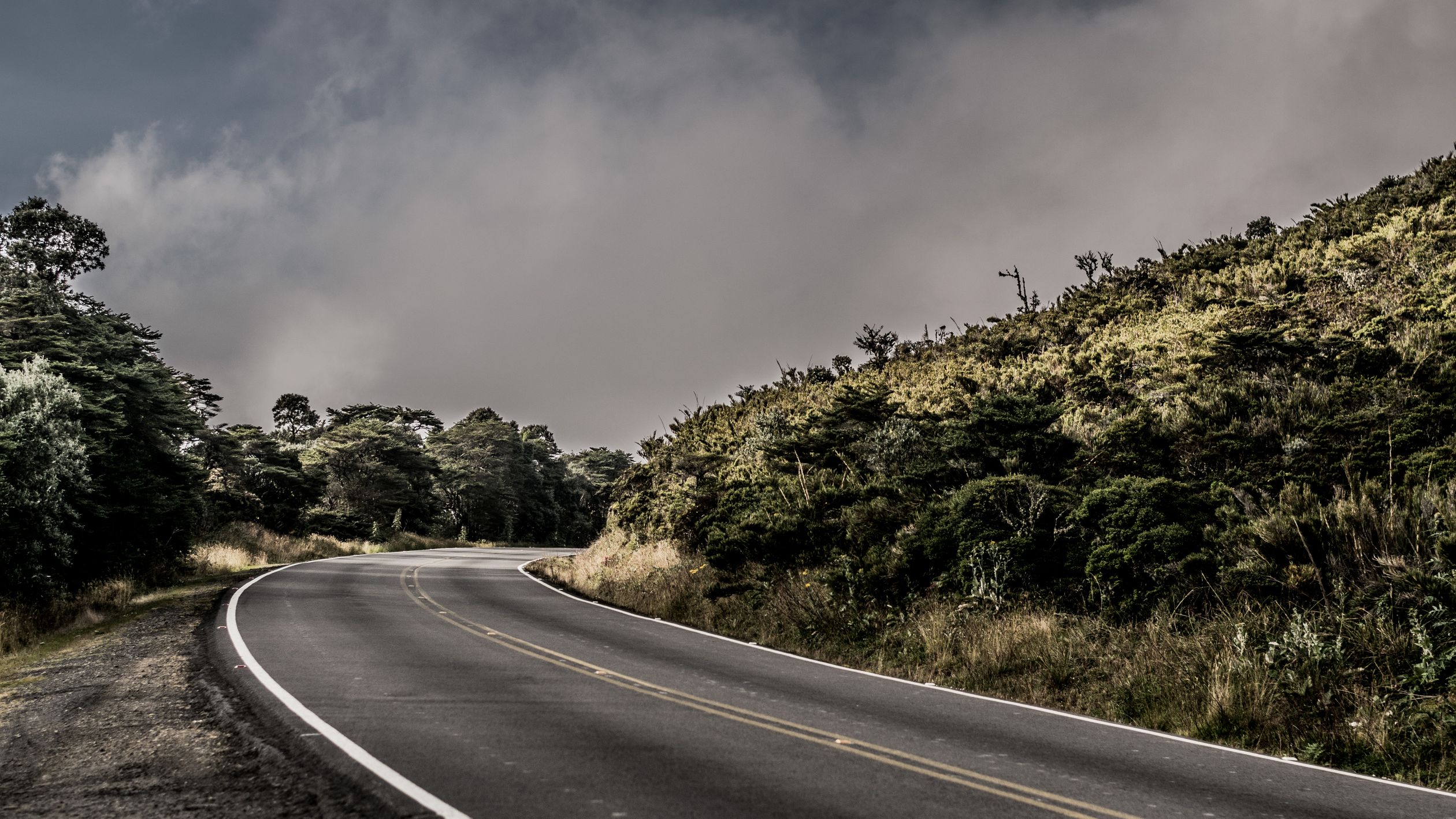
Costa Rica’s main arteries, Route 1 (the Pan-American) and Route 2 (the Inter-American), are paved and well-marked, making city-to-city travel straightforward. The adventure begins once you leave these highways: secondary roads can be gravel, pothole-riddled, or poorly signed, especially after heavy rain.
If you’re heading to remote spots like Monteverde, the Osa Peninsula, or the Caribbean coast, plan to drive during daylight. Nighttime visibility on unlit roads is limited, and wildlife (coatis, iguanas) often cross the path. Carry a spare tire, a basic tool kit, and a jumper cable, since many solo travelers find a flat in a small village where assistance is scarce.
Toll roads exist on the Autopista del Sol (San José-Liberia) and the Autopista Florencio del Castillo; both accept cash or an electronic tag. If you’re unfamiliar with the tag system, paying cash at the toll booth is the simplest option.
Parking in downtown San José can be tight. Opt for secure paid lots rather than street parking; they often have surveillance and are easier to locate for solo women. When you reach a gas station in a rural area, be prepared to pay cash only, as credit cards are not always accepted out there.
A reliable GPS or offline map app (Maps.me works well offline) is essential. Print a paper copy of your route as a backup, and share your daily itinerary with a trusted friend or family member. Knowing the next town’s name and approximate distance helps you stay oriented and reduces anxiety, especially on the stretches between Monteverde and the coast where signal drops out completely.
None of this is meant to scare you off the drive. Costa Rica’s paved arteries make the country genuinely approachable for a first solo road trip; it’s the unpaved detours that reward a little extra preparation, a full tank, and a charged phone before you leave town.
Packing & Safety Tips
A well-packed bag can make the difference between a smooth drive and a frantic scramble for essentials. Here are three jewelry organizers that keep your accessories tidy, tangle-free, and easy to access when you stop for a quick photo:
- BAGSMART Travel Jewelry Organizer Roll Foldable Jewelry Case ($17.99) - A quilted cotton exterior with velvet lining folds down to 9.8 x 5.7 x 1.6 inches and holds five dedicated compartments (ring band, earring panel, necklace strap, zip pouch, zip pocket), closed with a snap-plus-ribbon tie. It comes in 12 colors, including soft pink, black, and teal. Ideal for everyday pieces; just remember it won’t fit a large statement necklace.
- Vlando Small Travel Jewelry Box Organizer Display Case ($10.99) - A faux-leather shell with a removable crossing board, elastic wall pocket, and ring rolls, zipped shut in a compact 3.9 x 3.9 x 2.0-inch footprint. Available in blue, beige, pink, and more. Perfect for minimalist travelers who don’t need a full jewelry wardrobe on the road.
- Teamoy Double Layer Jewelry Organizer Travel Case ($22.99) - A double-layer polyester case with a velvet-lined interior, detachable earring holders, ring holders, and elastic pouches, at 9.5 x 6.7 x 2.8 inches. Comes in black or gray. Great for medium-to-large collections, though it adds a bit more bulk than the other two.
Beyond jewelry, pack these road-trip staples:
- Reusable water bottle - Stay hydrated on long stretches where refill stations are sparse.
- Lightweight rain jacket - Costa Rica’s microclimates can shift quickly; a breathable shell keeps you dry without overheating.
- Portable power bank - Your phone, GPS, and camera will drain fast on scenic detours.
- Sunscreen & insect repellent - The sun is strong at altitude, and mosquitoes are common near water.
- Travel-size first-aid kit - Include band-aids, antiseptic wipes, and any personal medication.
When you stop at a cafe or market, keep your bag close, preferably with a zip-top or lockable compartment. Trust your instincts: if a street feels unsafe, move to a busier spot or a well-lit restaurant. Remember, confidence is your best accessory, and a little pre-trip organization buys you the headspace to actually enjoy the drive.
Common Mistakes to Avoid (FAQ)

Q: Can I use my debit card for the deposit? A: No. All major rental firms in Costa Rica require a major credit card for the security hold; cash or debit cards are not accepted, per Adobe’s own policy.
Q: Is the “full-to-full” fuel policy mandatory? A: Not mandatory, but it’s the most cost-effective. Returning the car with a full tank avoids steep refuel charges at the airport.
Q: Do I need an International Driving Permit (IDP)? A: If your license is in English, an IDP is not required. Non-English licenses should be paired with an IDP to avoid confusion at the rental desk.
Q: Should I drive on unpaved roads with a compact car? A: Compact cars can handle light gravel, but for extended off-road travel an SUV offers higher clearance and better traction. Check the rental agreement for any road-type restrictions before you head toward Monteverde or the Osa Peninsula.
Q: What happens if I get a flat in a remote area? A: Most companies provide a roadside assistance add-on (often $5-$10 per day). If you didn’t purchase it, you’ll need to call the local emergency number (911) and arrange a tow, which can be pricey and time-consuming, particularly on the secondary roads where signal and assistance are both scarce. This is exactly the scenario the spare tire and basic tool kit mentioned earlier are meant to buy you time against, since a slow tow beats no plan at all.
By keeping these pitfalls in mind, you’ll sidestep the common headaches that trip up many first-time solo renters, and spend more of your trip at the waterfall and less of it on the phone with the rental desk. Print this guide, star the questions above, and walk into the rental counter as the most prepared person in line.
Related Reading
Get price-drop alerts and new guides from HerTripGuide
One email a week: price drops on the gear we recommend, new guides, and what changed. No spam, unsubscribe anytime.