Solo Female Travel Costa Rica: Complete 2026 Guide
Solo female travel Costa Rica 2026: safety tips, best neighborhoods, gear picks, and must-do adventures for women exploring volcanoes, rainforests, and beaches.
This post may contain affiliate links. Disclosure
Costa Rica feels like a living postcard — emerald rainforests hugging volcanic peaks, turquoise Pacific waves crashing against black-sand beaches, and hummingbirds darting through misty cloud forests. For solo women, the country offers a rare blend of adventure, safety, and inclusive culture that makes it one of the top solo-female destinations in 2026. Whether you’re chasing waterfalls in Arenal, zip-lining through Monteverde, or soaking up Caribbean vibes in Puerto Viejo, this guide covers the practical logistics, safety tips, and curated gear to help you travel with ease and confidence. Costa Rica ranked first in Central America on the 2025/2026 Global Peace Index. Grab your passport and let’s map out a journey rooted in the pura vida spirit.
Is Costa Rica good for solo female travel? Costa Rica is one of the top solo-female destinations for 2026, combining adventure, safety and an inclusive culture. The guide covers airports, visas and ground transport, solo-friendly neighborhoods, anti-theft gear, must-do adventures in Arenal, Monteverde and Puerto Viejo, plus LGBTQ+ friendly spaces and body-neutral advice.
Getting There: Airports, Visa, and Ground Transport
The easiest entry points are Juan Santamaría International Airport (SJO) in San Jose and Daniel Oduber Quiros International Airport (LIR) in Liberia. LIR’s $3.3M expansion (completed March 2025) makes it a smooth gateway to the Pacific-north beaches of Guanacaste — ideal if your itinerary focuses on Tamarindo, Flamingo, or Nosara. U.S. State Department travel advisory (Level 2) reminds travelers to exercise increased caution due to petty theft, occasional armed robbery, and in some areas sexual assault — particularly after dark.
Visa rules explained: U.S. citizens enjoy a visa-free stay of up to 180 days. In practice, the immigration officer at the port of entry typically stamps a 90-day permit. The law allows the full 180 days, but to use it you must present a return ticket, proof of sufficient funds, and may need to visit a Direccion General de Migracion office to formally extend beyond the initial stamp. Always carry your return ticket printout and roughly $50-100 per day as a rough “proof of funds” benchmark. If you overstay your stamped entry date without an extension, you will face fines. The bottom line: budget for up to 90 days with ease; plan a border run or migration visit if you want to stay longer.
Ground transport from SJO: Reliable Uber rides are available in the metro area (San Jose, Escazu, Heredia, Alajuela) and can be booked right at the terminal. Uber operates in a legal gray area in Costa Rica — it is taxed at 13% VAT but not formally licensed as a taxi service — however it is widely used, reliable, and generally safe in the San Jose metro corridor. Avoid Uber at Liberia Airport (LIR): local police actively ticket unlicensed ride-share drivers there. From LIR, official red metered taxis are the safest and most straightforward option.
For budget-conscious explorers, interurban bus routes connect every major hub: San Jose to La Fortuna (approximately 3 hours, ~$4), San Jose to Tamarindo (approximately 5 hours), and San Jose to Puerto Viejo (approximately 4 hours). Buses are clean, air-conditioned, and a great way to meet fellow travelers. Purchase tickets at main bus terminals or through reputable shuttle services like Interbus or Grayline — note that tourist shuttles cost 5-10x more but run door-to-door between hotels.
For a direct link to the official airport authority, visit Daniel Oduber Quiros International Airport or the official Costa Rica tourism board for destination planning. The U.S. Embassy in San Jose is your first contact in any emergency.
Where to Stay: Solo-Friendly Neighborhoods
| Region | Why It’s Solo-Friendly | Typical Stay |
|---|---|---|
| Escazu (San Jose suburb) | Upscale, walkable streets, many cafes with free Wi-Fi, low-key nightlife. | Boutique hotels or Airbnb apartments. |
| La Fortuna (Arenal base) | Tourist-centric, well-lit main strip, easy access to hot springs and guided tours. | Hostels with female-only dorms (see our best hostels for solo women). |
| Monteverde (Cloud forest) | Compact town center, frequent shuttle service, friendly guides. | Eco-lodges that blend sustainability with comfort. |
| Santa Teresa (Nicoya Peninsula) | Surf-culture vibe, backpacker community, many yoga studios. | Surf hostels and beachfront bungalows. |
| Puerto Viejo de Talamanca (Caribbean coast) | Laid-back Caribbean rhythm, vibrant LGBTQ+ scene, English-friendly staff. | Guesthouses with communal kitchens. |
San Jose neighborhoods in detail: San Jose has a split reputation among solo women. The Barrio Floresta and Barrio Escalante areas — just east of the downtown core — are the clear winners for safety and walkability. Escalante in particular has earned a reputation as the city’s culinary and arts hub, with well-lit streets, busy sidewalk cafes, and an active evening scene that stays safe well past 10 p.m. The older Barrio Mariscal (sometimes called the “gringo zone”) is more bar-heavy and higher-risk after midnight — it’s where most petty theft and harassment incidents occur. The practical advice: stay in Escalante or Escazu, explore Mariscal for dinner and a drink in the early evening, and get back to your accommodation before the bars close. If you’re arriving late at SJO, a reputable hotel within the Escazu corridor is worth the slightly higher price.
Chain and boutique options: Selina operates six Costa Rica locations — San Jose, Puerto Viejo, Manuel Antonio, Jaco, Santa Teresa, and La Fortuna — with co-working spaces, community events, and a genuinely solo-travel-friendly atmosphere. Costa Rica Backpackers in San Jose has been a traveler institution since 2001; it sits near the main bus terminals, has 24-hour front desk coverage, and features a shaded garden with a pool that makes it easy to meet other solo women. In Puerto Viejo, Pagualu Hostel is a beachfront option popular with digital nomads and solo travelers on the Caribbean coast, with mixed dorms and a laid-back social scene.
Wherever you stay, lock valuables in the hotel safe and keep a separate copy of your passport in your dry bag or under-clothing wallet.
Safety First: Practical Tips and Anti-Theft Gear
Costa Rica ranks among the 25 safest solo-female travel destinations globally (Solo Female Traveler Network, 2026), and its first-place ranking in Central America on the Global Peace Index reflects genuine investment in tourist safety. That said, situational awareness is still your most powerful tool. Here are the top habits:
- Avoid walking alone after dark in isolated areas — stick to well-lit streets or use reputable taxis.
- Keep valuables hidden: a Pacsafe Coversafe X100 RFID-blocking waist wallet slides under clothing and resists slash attacks. View on Amazon
- Carry a personal safety alarm like She’s Birdie (130 dB siren + strobe) for night walks or bus stations. View on Amazon
- Stay hydrated and protect against insects — use DEET-free repellents and wear long sleeves in the rainforest mornings.
- Download a trusted safety app (see our guide on best solo female travel safety apps) and share your itinerary with a trusted friend.
- Street harassment (piropos) is common in urban areas. The most effective response is confident, direct non-engagement — keep walking, avoid eye contact, and don’t engage verbally.
When you’re on a guided hike, listen to the guide’s briefings about trail conditions and wildlife. In remote areas, a LifeStraw Personal Water Filter guarantees clean drinking water without chemicals. View on Amazon
Packing Essentials: Gear That Works for Women on the Move
Below is a curated list of gear that balances lightweight performance with the specific challenges of Costa Rica’s terrain — rain, river crossings, and beach hops. Every product ASIN is verified live on Amazon.
Teva Women’s Tirra Sport Hiking Sandal
Quick-dry upper, LUVSEAT PU footbed, Spider Rubber outsole. Ideal for river crossings in Arenal and the misty trails of Monteverde. The adjustable 3-strap system fits a wide range of foot widths, the podiatrist-certified footbed handles all-day cobblestone walking, and the Spider Rubber outsole grips muddy jungle trails reliably. Limited toe protection compared to a closed-toe shoe, but the grip-to-weight trade-off is worth it for warm-weather hiking. Price range: $90-110.
View the Teva Women’s Tirra Sandal on Amazon
Chaco Women’s Z/1 Classic Outdoor Sandal
Single-strap adjustable design, ChacoGrip rubber outsole, floats in water. Perfect for beach towns like Santa Teresa and Puerto Viejo where you’ll hop on and off boats. The continuous-loop strap gives you an ultra-customizable fit, the ChacoGrip outsole excels on wet volcanic rock, and Chaco’s lifetime warranty makes this a sustainable, resole-able choice. Budget a few days of break-in time before your big hike days. Price range: $100-110.
View the Chaco Women’s Z/1 Sandal on Amazon
Avoogue Packable Rain Jacket Women Lightweight Waterproof with Hood
250g, packs into its own hood pocket, seam-sealed. A budget-friendly shield for afternoon showers during the green season (May through November). It compresses to purse size, handles tropical downpours, and comes in neutral and bright colors for trail visibility. Under $40 and easily replaceable — many travelers pack two. Price range: $30-40.
View the Avoogue Rain Jacket on Amazon
33,000ft Women’s Rain Jacket Waterproof Lightweight Packable Raincoat with Hood
10,000mm waterproof rating, 4-way stretch, 250g packable. Best for multi-week itineraries that swing between dry and rainy zones. Amazon best seller in Women’s Raincoats, available in 20+ colors, with a packable carry pouch that doubles as a stuff sack. Note: sizing runs slightly small — size up if between sizes. Price range: $35-50.
View the 33,000ft Rain Jacket on Amazon
HEETA Dry Bag Waterproof (5L/10L/20L)
Roll-top closure, 100% waterproof, includes waterproof phone case, lightweight ripstop nylon. Safeguard your passport, camera, and electronics on boat transfers to Tortuga Island or during spontaneous Pacific beach excursions. The included phone case provides pocket-to-pocket dry protection, and the roll-top seals even under full submersion. Stock two — one for electronics, one for a spare change of clothes. Price range: $15-25.
View the HEETA Dry Bag on Amazon
Pacsafe Coversafe X100 Anti-Theft RFID Blocking Waist Wallet
Slash-resistant slashguard strap, RFID-safe lining, 3.5 oz, worn under clothing. Wire-reinforced strap resists slash-and-grab attacks; sits flat under a dress or leggings — invisible to strangers. RFID blocking protects multiple cards simultaneously from electronic skimming. Best deployed on bus journeys from San Jose to La Fortuna, Jaco, or Tamarindo where pickpocketing risk is highest. Note: can feel warm against skin in tropical heat — a breathable undershirt helps. Price range: $35-45.
View the Pacsafe Coversafe X100 on Amazon
LifeStraw Personal Water Filter for Hiking, Camping, Travel
Filters up to 1,000 liters, removes 99.9999% of bacteria, no chemicals, no batteries. Tap water is safe in San Jose and most urban tourist areas, but outside major cities — remote ecolodges in Corcovado, villages on the Osa Peninsula, or rural areas outside the Central Valley — filtering provides real peace of mind. Weighs 2 oz, clips to any water bottle, and meets EPA drinking water standards. One LifeStraw purchased also provides a school child with clean water for a year. Price range: $15-20.
View the LifeStraw Water Filter on Amazon
She’s Birdie The Original Personal Safety Alarm for Women — 130dB Siren
130dB siren, strobe light, pull-pin activation, keychain attachment, TSA-approved. Founded by women and designed around real female threat scenarios. The 130dB siren is audible up to 600 feet away in open air; the strobe light disorients and draws attention simultaneously. Pull-pin design works reliably even under adrenaline stress. Best used for night walks in San Jose neighborhoods, solo hikes on less-trafficked trails, and late arrivals at unfamiliar bus stations. Carry spare batteries on long trips. Price range: $28-35.
View She’s Birdie Safety Alarm on Amazon
Additional packing notes:
- Backpack: Choose a 30-45L daypack with a rain cover; the HEETA dry bag can double as a lightweight day pack on short hikes.
- Clothing: Pack moisture-wicking shirts, quick-dry shorts, a lightweight fleece for Monteverde’s cooler evenings (temperatures drop to the 50s Fahrenheit at elevation), and a modest-covering layer for rural towns.
- Electronics: A universal travel adapter (type A/B, same as US plugs) and a portable power bank keep your phone charged for navigation and emergency calls. Costa Rica uses 110V/60Hz, identical to the US.
Top Experiences: Must-Do Adventures for Solo Women
San Jose: Beyond the Transit Hub
Most solo travelers treat San Jose purely as a connection point, but a one-to-two night stay rewards those who look past the congestion. Barrio Escalante is the heart of the food scene — a walkable stretch of restaurants, specialty coffee shops, and craft beer bars that rivals any Latin American capital’s dining district. The Pre-Columbian Gold Museum (Museo del Oro Precolombino) is one of the finest in the hemisphere, with over 1,600 gold pieces documenting indigenous cultures. The Mercado Central, open since 1880, is where locals eat breakfast — try a casado (rice, beans, protein, salad) for under $5. For safety, stay on the main thoroughfares during daylight and use Uber for evening movement between Escalante, Barrio Amon, and Escazu.
Arenal Volcano and Hot Springs
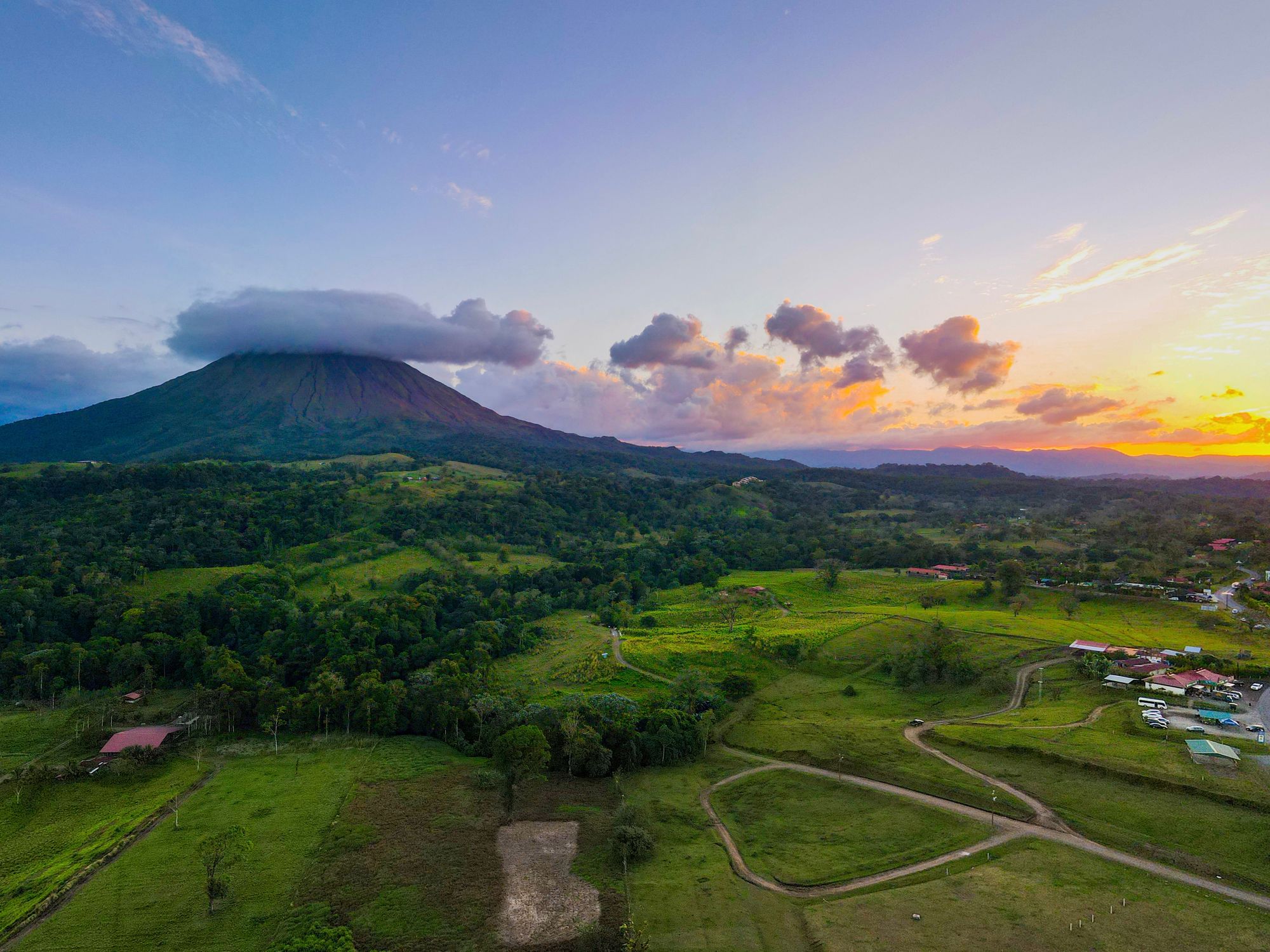
Base yourself in La Fortuna and spend a morning on the Arenal 1968 trail — a well-maintained 4km loop through lava fields from the 1968 eruption with views directly up the volcano’s flanks. The Spider Rubber outsole on the Teva sandals handles the occasional creek crossing. For the main volcano hike on the north face, trail access is managed through SINAC — Costa Rica’s National Parks System, which charges a $19 entry fee for foreigners. Afterward, unwind in the natural hot springs of Tabacon or the more budget-friendly Baldi; the communal setting is ideal for striking up conversations with fellow travelers.

La Fortuna town itself is one of the safest bases in the country for solo women — the main strip is tourist-centric, well-lit, and lined with tour operators, restaurants, and hostels with female-only dorms. Selina La Fortuna is the flagship co-living option here if you want built-in community.

Monteverde Cloud Forest Reserve
Take a guided night walk to spot the elusive resplendent quetzal and nocturnal amphibians — mid-February through April is peak quetzal season. The misty trails stay cool (bring the 33,000ft rain jacket as a windbreaker), and the reserve’s canopy zip-line circuit offers panoramic views above the cloud layer. The Monteverde Cloud Forest Reserve (managed by the Tropical Science Center) charges a $25 entry fee for foreigners; the adjacent Santa Elena Cloud Forest Reserve is slightly cheaper and less crowded. Book guided morning hikes in advance during high season (December through April).
The town of Santa Elena — the commercial hub adjacent to the reserve — is compact, walkable, and genuinely safe for solo women. The single main road is easy to navigate on foot, shuttle services run on schedule, and the majority of businesses are family-operated eco-tourism ventures.

Manuel Antonio National Park
Combine wildlife spotting with beach time at one of Costa Rica’s most popular parks. Early-morning guided hikes — starting at the 7 a.m. park opening — reveal sloths in the canopy, white-faced capuchin monkeys at eye level, vibrant toucans, and scarlet macaws. The park’s pristine white-sand Playa Manuel Antonio is the reward after the wildlife trail: protected from strong swells, it’s one of the safest swimming beaches on the Pacific coast. After the hike, your Chaco sandals will float if you decide to paddle out to the nearby rock formations.
Practical notes: Entry is $19 per adult. The park limits daily visitors — book tickets online at least a week in advance during high season. The nearby town of Quepos has the bus terminal and grocery stores; accommodation ranges from budget hostels in Quepos to jungle-view boutiques on the hill above the park entrance.

Puerto Viejo de Talamanca (Caribbean Coast)
The Caribbean side operates on a different calendar and a different energy. The dry season inverts here — September and October are the driest months, while the Pacific side is deep in its wet season. Plan accordingly: Puerto Viejo is the perfect September destination when Pacific crowds thin out and Caribbean skies clear.
Explore the Cahuita National Park boardwalk (entry by voluntary donation), snorkel the coral reef just off Punta Cahuita, and sample Afro-Caribbean cuisine — rice-and-beans cooked in coconut milk, jerk chicken, and fresh ceviche — at family-run spots along the main road. The HEETA dry bag keeps your phone dry during spontaneous boat rides to nearby Bocas del Toro (Panama, just 45 minutes away by water taxi). The LGBTQ+ scene in Puerto Viejo is relaxed and English-friendly, and the town’s reggae soundtrack makes it one of the most joyful places on the itinerary.

Santa Teresa and Surf Culture
Santa Teresa on the Nicoya Peninsula has evolved from a backpacker secret into a fully-fledged solo traveler hub without losing its laid-back authenticity. Surf lessons are offered by certified instructors daily along the main beach road, and the longboard-friendly beach break is beginner-friendly during morning hours before the offshore wind picks up. After a surf session, beachfront yoga classes run morning and sunset schedules at multiple studios within walking distance of most hostels.
The town layout is a single unpaved road running parallel to the beach — everything is within 10 minutes on foot or bicycle. Solo women consistently rate Santa Teresa as one of the easiest places in Central America to meet other travelers organically: a surf lesson, a yoga class, or a sunset fire circle on the beach is all the social infrastructure you need.

Practical Tips: Money, Language, and Everyday Etiquette
- Currency: The Costa Rican colon (CRC) is official. USD is accepted in most hotels, restaurants, and tourist businesses, but paying in USD almost always yields an unfavorable conversion rate — vendors set their own exchange rates, typically 10-15% below the interbank rate. Use colones for market purchases, sodas (local family restaurants), bus fares, and national park entry. ATMs dispense colones and typically charge low or no-fee withdrawals on international cards; the machines at Banco Nacional and BAC Credomatic are reliable.
- Seasons: High/dry season runs December through April (Guanacaste and the Pacific side stay reliably sunny). Green/rainy season runs May through November — expect daily afternoon showers lasting 1-3 hours, but lower crowds and prices. The Caribbean coast (Puerto Viejo) has an inverse pattern: September-October are the driest months there.
- Tipping: A 10% service charge (propina) and 13% IVA (VAT) are already included on all restaurant bills — additional tipping is not required but rounding up is appreciated for exceptional service. Tour guides typically receive $5-15 per person per tour.
- Language: Spanish is the primary language; a few polite phrases (“Buenos dias!”, “Cuanto cuesta?”, “Con permiso”) go a long way. Many staff in tourist zones speak English, especially in San Jose, Guanacaste, and Manuel Antonio.
- Internet: Free Wi-Fi is common in cafes, hostels, and most hotels. For reliable coverage in remote areas, a local SIM card from Kolbi or Movistar offers plans starting at $15 USD for 5 GB — buy at the airport or any licensed retailer with your passport.
- Health: No mandatory vaccines, but stay current on routine shots and consider hepatitis A and typhoid boosters. Carry a small first-aid kit and your personal medications. Tap water is safe in San Jose and major urban areas; use the LifeStraw for remote stays.
Inclusive Travel: LGBTQ+ Friendly Spaces and Body-Neutral Advice
Costa Rica made history in May 2020 as the first Central American country to legalize same-sex marriage. That legal framework reflects a genuinely progressive social culture in major hubs. San Jose’s Barrio Escalante hosts regular queer events and has a visible LGBTQ+ bar and cafe scene. Manuel Antonio is the most internationally recognized gay-friendly destination in the country, with LGBTQ+-operated hotels and annual pride events. Puerto Viejo on the Caribbean coast offers a more low-key but deeply welcoming queer atmosphere, enhanced by the town’s inclusive reggae culture. When choosing accommodations, look for “LGBTQ-friendly” badges or read recent reviews on Hostelworld and Google Maps.
Our gear recommendations throughout this guide use body-neutral language: the focus is on fit, function, and comfort. The Teva Tirra Sport sandal’s adjustable 3-strap system accommodates a wide range of foot widths; the Chaco Z/1’s continuous-loop strap lets you dial in pressure at any point. The Avoogue and 33,000ft rain jackets are both available from XS through XXL. Whether you’re a seasoned trekker or a first-time solo explorer, the emphasis is on feeling safe, supported, and free to move — on your own terms.
Related Reading
Get price-drop alerts and new guides from HerTripGuide
One email a week: price drops on the gear we recommend, new guides, and what changed. No spam, unsubscribe anytime.