Solo Female Travel Iceland: 2026 Ring Road Guide
Your complete solo female travel Iceland guide for 2026 — Ring Road itinerary, Northern Lights tips, real costs, hot springs, and safety facts that will surprise you.
This post may contain affiliate links. Disclosure
Updated for 2026 — Accurate as of February 2026.
Iceland is one of the safest countries on earth, a place where the concepts of personal danger and street crime feel almost abstract. The Global Peace Index has ranked Iceland as the most peaceful country in the world for seventeen consecutive years. For solo female travelers, this translates into a freedom of movement and a sense of security that is genuinely liberating. You can drive alone across a volcanic desert, soak in a natural hot spring at midnight, and camp by a glacial lagoon without a second thought about personal safety.
I drove the Ring Road solo over ten days and it was one of the most profoundly solitary and beautiful experiences of my life. Iceland is a country that rewards solo travel in ways that few destinations can match. The landscapes are so vast and otherworldly that being alone in them feels not like loneliness but like a conversation with the planet itself.
Iceland received approximately 2.3 million visitors in 2025, continuing its post-pandemic tourism boom. The country has invested heavily in infrastructure, and while overtourism is a concern in some popular spots, the sheer scale of the landscape means that solitude is always available if you are willing to drive an extra thirty minutes off the main route.
Why Iceland Is Perfect for Solo Women
Safety: Iceland’s crime rate is among the lowest in the world. There is no military. Police officers do not carry firearms. The violent crime rate is essentially zero for tourists. I left my rental car unlocked at trailheads and nothing happened. This is normal in Iceland.
Infrastructure: Roads are well-maintained (mostly). Fuel stations have 24/7 automated pumps. Cell coverage is available along the entire Ring Road. Emergency services are responsive and well-equipped. The national emergency app, 112 Iceland, allows you to share your GPS location and send emergency alerts.
Culture: Icelandic society is one of the most gender-equal in the world. Iceland has topped the World Economic Forum’s Gender Gap Index every year since 2009. Women hold prominent positions in politics, business, and public life. This cultural foundation creates an environment where solo women are treated with complete normalcy and respect.
English proficiency: Virtually all Icelanders speak fluent English. Language is never a barrier.
The Ring Road: Solo Road Trip Guide
The Ring Road (Route 1) circles the entire island, covering approximately 1,322 kilometers. It is Iceland’s main highway and the foundation of most travel itineraries. Driving the Ring Road solo is one of the great road trips on earth. Budget about $225-300 USD in fuel for the full loop, which is a worthwhile investment for the access it gives you.
10-Day Ring Road Itinerary
| Days | Region | Highlights |
|---|---|---|
| 1 | Reykjavik | City exploration, Hallgrimskirkja, Harpa, restaurant scene |
| 2 | Golden Circle | Thingvellir, Geysir, Gullfoss, Secret Lagoon |
| 3 | South Coast | Seljalandsfoss, Skogafoss, Reynisfjara black sand beach |
| 4 | Vik to Skaftafell | Vik, Fjadrargljufur canyon, Skaftafell glacier hike |
| 5 | Jokulsarlon & East | Glacier lagoon, Diamond Beach, Eastfjords |
| 6 | Eastfjords | Seydisfjordur, Djupivogur, fjord driving |
| 7 | Myvatn | Pseudocraters, Dimmuborgir lava fields, Myvatn Nature Baths |
| 8 | Akureyri & Husavik | Whale watching in Husavik, Godafoss waterfall |
| 9 | Northwest | Hvitserkur sea stack, Vatnsnes peninsula (seals), Westfjords entry |
| 10 | Snaefellsnes & Return | Kirkjufell mountain, Arnarstapi, black church at Budir |
Driving Tips for Solo Women
Rent a 4x4 unless you are only doing the Ring Road in summer and not venturing onto F-roads (highland roads). Many of Iceland’s most spectacular locations require fording rivers and navigating gravel tracks. A 4x4 costs $80-150 per day depending on size and season. Budget around $90 per day for rental plus extra insurance ($35/day is standard).
F-roads are only open in summer (typically June to September). These unpaved highland roads require a 4x4 and are not covered by standard rental insurance. Check road conditions daily at road.is.
Weather changes rapidly. Sunshine to blizzard in twenty minutes is possible. Always carry warm layers, rain gear, and snacks in the car.
Headlights are mandatory by law at all times, even in summer. Keep them on throughout your drive.
Fuel up frequently. Distances between fuel stations can be 100+ kilometers in the east and north. Never let your tank drop below half.
Wind. Iceland is extremely windy. Wind gusts can exceed 100 km/h, especially in exposed areas. Hold your car door when opening it (the wind will tear it off the hinges, and you will be charged for the damage). I saw this happen to another traveler in the Eastfjords.
Single-lane bridges are common in rural areas. The car closest to the bridge enters first. Flash your lights to communicate.
Costs: Iceland Is Expensive (But Manageable)
Let me be direct: Iceland is one of the most expensive countries in the world for travelers. Food, accommodation, and fuel costs are significantly higher than most European countries. A basic burger and beer in Reykjavik costs $30-40. A night in a mid-range hotel runs $150-250. Fuel costs approximately $2.20 per liter. A typical Ring Road self-drive trip costs around $330 USD per day when combining a rental car ($90), extra insurance ($35), and a guesthouse or mid-range hotel (~$180+).
| Expense | Budget | Mid-Range | Comfort |
|---|---|---|---|
| Accommodation/night | $30-60 (hostel/camping) | $120-200 (guesthouse/hotel) | $250-500 (boutique/luxury) |
| Meals/day | $25-40 | $50-80 | $90-150 |
| Car rental/day | $50-80 (small car) | $100-150 (4x4) | $180-300 (premium 4x4) |
| Fuel/day | $20-35 | $30-45 | $35-50 |
| Activities/day | $0-30 | $40-80 | $100-300 |
| Daily total | $125-245 | $340-555 | $655-1300 |
How to Reduce Costs
Camp: Iceland has over 170 campsites, and camping is the single biggest cost saver. A campsite costs $10-20 per night. A camping card (available at tourist offices) gives you 28 nights at participating campsites for approximately $150. I camped six of my ten nights and saved over $600 on accommodation.
Cook your own food: Rental cars with camping setups often include a cooler or stove. Bonus supermarkets (green pig logo) and Kronan are the cheapest grocery stores. Budget $15-20 per day for self-catered meals.
Free activities: Many of Iceland’s best experiences are free. Waterfalls, hot springs (wild, non-commercial ones), hiking trails, and black sand beaches cost nothing.
Hot dogs: The Icelandic hot dog (pylsur) is a national institution and costs approximately $4. Baejarins Beztu in Reykjavik is the most famous stand. They are genuinely delicious.
Travel in shoulder season: May and September offer fewer crowds, lower accommodation prices, and the possibility of Northern Lights (September) or wildflowers and puffins (May).
Must-Do Experiences
Northern Lights (September to March)
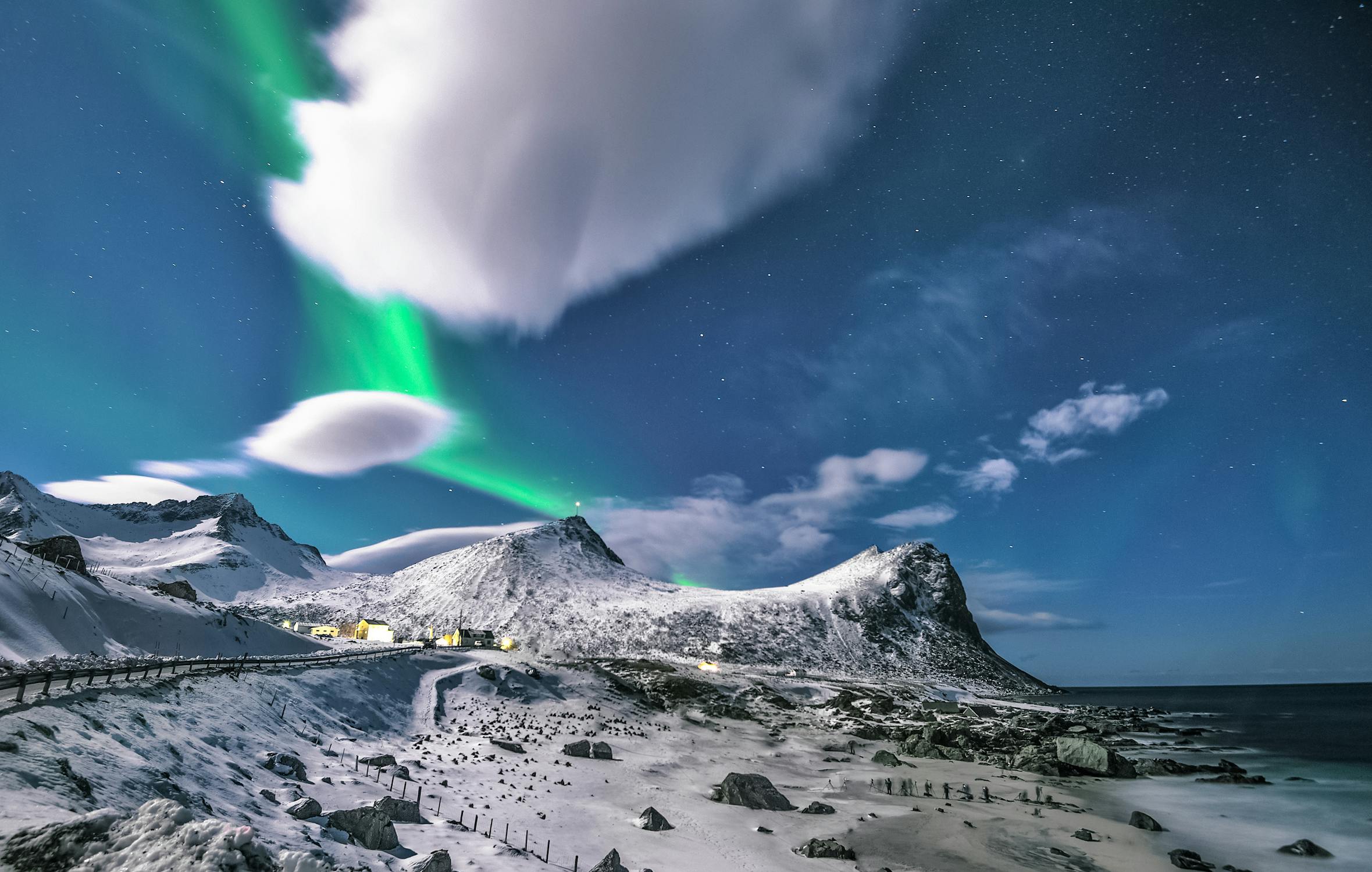
The aurora borealis is visible in Iceland from roughly September through March, with October through February being peak months. Sightings require clear skies and darkness, which means you need to be outside of Reykjavik (light pollution) and checking the Icelandic Met Office forecast.
I saw the Northern Lights on my second night, while soaking alone in a natural hot pot near Fludir. Green curtains of light rippled across the sky while I sat in naturally heated water under more stars than I had ever seen. It was one of those moments that redefined what I thought travel could be.
Tips: The best viewing spots are away from towns. The northern part of the island (Myvatn area, Akureyri) tends to have clearer skies. No tour is necessary; just drive to a dark spot on a clear night. Apps like My Aurora Forecast help predict activity.
Hot Springs
Iceland sits on the Mid-Atlantic Ridge, and geothermal activity produces thousands of hot springs. The commercial ones (Blue Lagoon, Sky Lagoon, Myvatn Nature Baths) are luxurious but expensive ($50-100+). The wild, free hot springs are often even better.
Best free/cheap hot springs:
- Seljavallalaug: A mountainside pool built in 1923. Free. 15-minute hike in.
- Reykjadalur Hot Spring River: A naturally heated river in a geothermal valley. 45-minute hike from the trailhead near Hveragerdi.
- Hellulaug: A small hot pot on a beach in the Westfjords. Free and rarely crowded.
- Secret Lagoon (Fludir): Not free ($28) but the least commercial of the paid options.
Glacier Hiking
Glacier hiking is a uniquely Icelandic experience and should not be done without a certified guide. Solheimajokull and Svinafellsjokull are the most popular glaciers for guided walks. Tours cost $75-120 and include all equipment (crampons, ice axes, helmets).
I did a glacier hike at Svinafellsjokull solo (meaning I joined a group tour by myself) and it was extraordinary. Walking on ice that is hundreds of years old, peering into crevasses of impossible blue, and seeing the glacier’s retreat firsthand is both beautiful and sobering.
Reykjavik: The World’s Smallest Capital
Reykjavik has a population of approximately 140,000 and feels more like a quirky university town than a capital city. It is entirely walkable, with colorful houses, excellent coffee shops, world-class restaurants (for those willing to pay), and a thriving cultural scene.
For solo women, Reykjavik is one of the best cities in the world. The cafe culture supports solo dining. The bars are friendly and non-aggressive. The bookshops (Icelanders read more books per capita than any other nation) are wonderful for rainy afternoons.
Must-do in Reykjavik:
- Walk to Hallgrimskirkja church for the city’s best view
- Visit the Harpa Concert Hall (the architecture alone is worth it)
- Eat a lamb soup at Svarta Kaffid (served in a bread bowl)
- Browse the Kolaportid flea market on weekends
- Walk along the old harbor
Best Time to Visit
| Season | Months | Pros | Cons |
|---|---|---|---|
| Summer | Jun-Aug | 20+ hours daylight, all roads open, camping, puffins | Most expensive, most crowded, no Northern Lights |
| Shoulder | May, Sep | Fewer crowds, possible Northern Lights, good weather | Some F-roads closed, unpredictable weather |
| Winter | Oct-Apr | Northern Lights, ice caves, cheaper accommodation | Limited daylight (4-6 hrs), some roads closed, cold |
For a Ring Road trip, June through August is ideal. For Northern Lights, October through February. September is the best compromise month: possible aurora, fewer crowds, reasonable daylight hours, and lower prices.
Practical Information
Visa: Iceland is part of the Schengen Area. Citizens of most Western countries can enter visa-free for up to 90 days within a 180-day period.
Currency: Icelandic Krona (ISK). Approximately 137 ISK = 1 USD. Iceland is virtually cashless. Credit and debit cards are accepted everywhere, including at unmanned fuel pumps and tiny rural campsites. I did not use cash once in ten days.
Health: No specific vaccinations required. Tap water is excellent (it comes from glacial springs). The cold and wind are the main health concerns. Dress in layers and protect against wind chill.
Pack: A Marmot PreCip waterproof rain jacket (essential, not optional — compare it against our best travel rain jackets for women if you want fully waterproof alternatives), thermal base layers, sturdy hiking boots, swimsuit (for hot springs), sunglasses, and sunscreen (yes, even in Iceland the sun reflects off ice and snow). Iceland tap water is glacier-pure, so a reusable Hydro Flask 32oz means you are never paying for bottled water in one of the few countries where tap water genuinely tastes better than anything in a bottle. An Anker Nano Power Bank 10000mAh is essential for the Ring Road — you will be photographing constantly, using navigation apps, and checking road conditions, all while potentially hours from a power outlet.
 Iceland’s remote stretches demand a fully charged phone and a reliable water bottle. Photo credit on Pexels
Travel insurance: Essential for Iceland given the adventure activities and unpredictable weather. See our travel insurance guide for solo women for the best options covering glacier hikes and road trips.
How Iceland Fits Into a Bigger Solo Travel Journey
Iceland works beautifully as a standalone trip or as a starting point for deeper solo travel exploration. If Iceland sparked your love of driving solo through landscapes, our solo female road trip guide covers everything from planning to emergency preparedness. For women who want the adventure without renting a car, our solo female travel safety apps guide covers the tools that make independent navigation easier in any country.
If Iceland’s budget feels steep, consider pairing it with budget solo travel strategies to build the financial foundation for a Scandinavian adventure without compromising on experiences.
Final Thoughts
Iceland is solo female travel with the safety dial turned to maximum and the scenery dial turned to surreal. It is expensive, yes. But the experiences it offers are genuinely unique on earth. Where else can you stand between two tectonic plates, soak in geothermal water under the Northern Lights, walk on a glacier, and watch whales breach from a harbor cafe, all within a single week?
Iceland asks nothing of you except that you dress warmly and drive carefully. In return, it gives you some of the most extraordinary landscapes on the planet and the freedom to explore them entirely on your own terms.
You Might Also Like
Get the best HerTripGuide tips in your inbox
Weekly guides, deals, and insider tips. No spam, unsubscribe anytime.