Solo Female Travel in Puerto Rico: 2026 Caribbean Guide
Puerto Rico in 2026 — no passport needed, LGBTQ-friendly, safe walkable neighborhoods, bioluminescent bays, El Yunque rainforest, and practical safety tips.

This post may contain affiliate links. Disclosure
Traveling solo as a woman can feel like stepping into a story where you write every chapter. Puerto Rico offers a unique blend of Caribbean sunshine, U.S. convenience, and a welcoming vibe that lets you focus on the adventure, not the paperwork. In 2025 the island welcomed over 2.1 million stay-over visitors — marking the fifth consecutive record-breaking year for tourism arrivals — and the numbers keep climbing. U.S. citizens board a domestic flight with just a REAL ID-compliant driver’s license, no passport or currency exchange required. You’ll find safe, walkable neighborhoods, reliable Uber rides, and a culture that celebrates diversity. Here is everything you need to plan a confident, unforgettable 2026 Puerto Rico adventure.
Why is Puerto Rico easy for solo female travelers? U.S. citizens fly domestically with a REAL ID — no passport or customs. The island welcomed over 2.1 million stay-over visitors in 2025, its fifth consecutive record year. Base yourself in Old San Juan, Condado or Ocean Park, then add bioluminescent bays and El Yunque rainforest.
Why Puerto Rico Is a Solo-Female Dream
Puerto Rico checks boxes that solo women look for in a destination. It is a U.S. territory, so U.S. citizens can hop on a domestic flight with just a REAL ID-compliant driver’s license or passport — no visa, no currency exchange headaches. For international travelers from Visa Waiver Program countries, an approved ESTA (currently $21) grants up to 90 days of stay.
Safety is another strong point. Petty theft is the primary concern for solo travelers here, not violent crime. Neighborhoods like Old San Juan, Condado, and Ocean Park consistently rank as the safest and most walkable, giving you confidence to explore on foot, day or night.
Puerto Rico’s LGBTQ-friendly reputation adds another layer of comfort. Same-sex marriage has been legal since 2015, and federal anti-discrimination protections apply just as they do in any U.S. state. Whether you’re strolling through colorful street art in San Juan or dancing at a local festa, you’ll feel welcomed for who you are.
Finally, the island’s natural wonders — three bioluminescent bays and the only tropical rainforest in the U.S. National Forest System — are bucket-list experiences that feel especially magical when you set your own pace.
Getting There and Entry Requirements
Luis Munoz Marin International Airport (SJU) received over 6.8 million passenger arrivals in 2025, a 3 percent increase from the previous year, plus over 1.6 million cruise passengers at Puerto Rico ports. If you’re a U.S. citizen, a REAL ID-compliant driver’s license or passport is enough to board your domestic flight. Check the latest TSA REAL ID requirements before you travel, as the compliance deadline is approaching.
Visitors from Visa Waiver Program countries must apply for an ESTA ($21 fee), valid for two years or until your passport expires, allowing a stay of up to 90 days. The CDC’s traveler health page for Puerto Rico covers up-to-date vaccinations and mosquito-borne illness guidance — routine shots (MMR, Tdap, flu) are recommended, plus insect repellent for evenings near the bioluminescent bays. Review the full list at CDC Puerto Rico Traveler Health.
Puerto Rico uses the U.S. Dollar, and credit or debit cards are accepted at roughly 95 percent of businesses. Small cash bills are handy for roadside kiosks, local markets, and casual beach bars where card terminals may be unavailable.
Where to Stay: Safe, Walkable Bases
Old San Juan
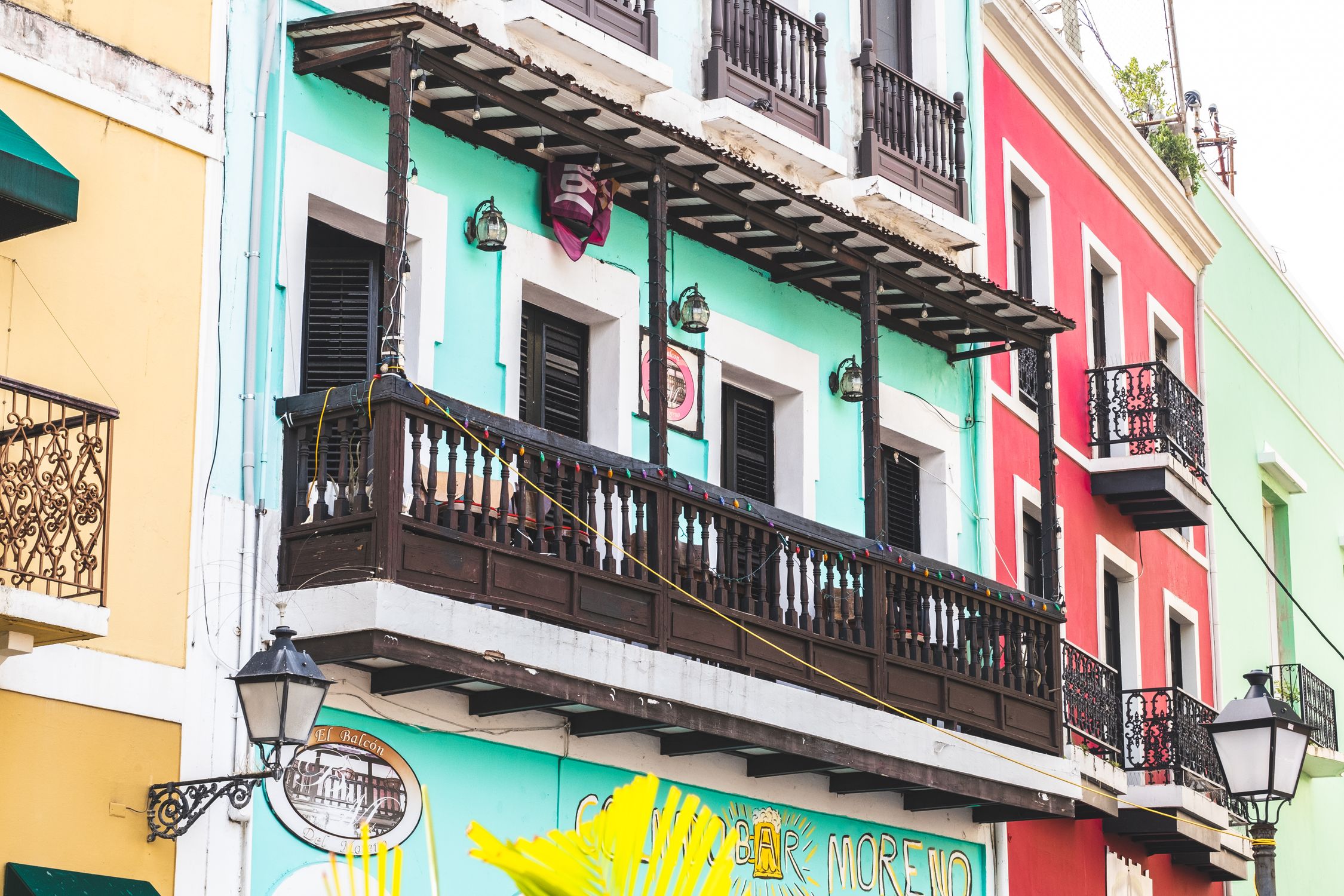
The historic heart of the island, Old San Juan, is a UNESCO World Heritage site brimming with pastel-colored buildings, cobblestone streets, and the iconic Castillo San Felipe del Morro fortress. The area is heavily patrolled, pedestrian-friendly, and packed with hostels, boutique hotels, and Airbnb options that cater to solo travelers. Because it’s a compact district, you can return to your lodging after a night out without worrying about late-night transport.
Condado
Just east of Old San Juan, Condado offers a beachfront vibe with upscale hotels, trendy cafes, and a lively nightlife scene. Streets are well-lit, and Uber rides are readily available. Condado’s proximity to the San Juan Metro makes it easy to hop onto the Trolley for quick trips to historic sites.
Ocean Park
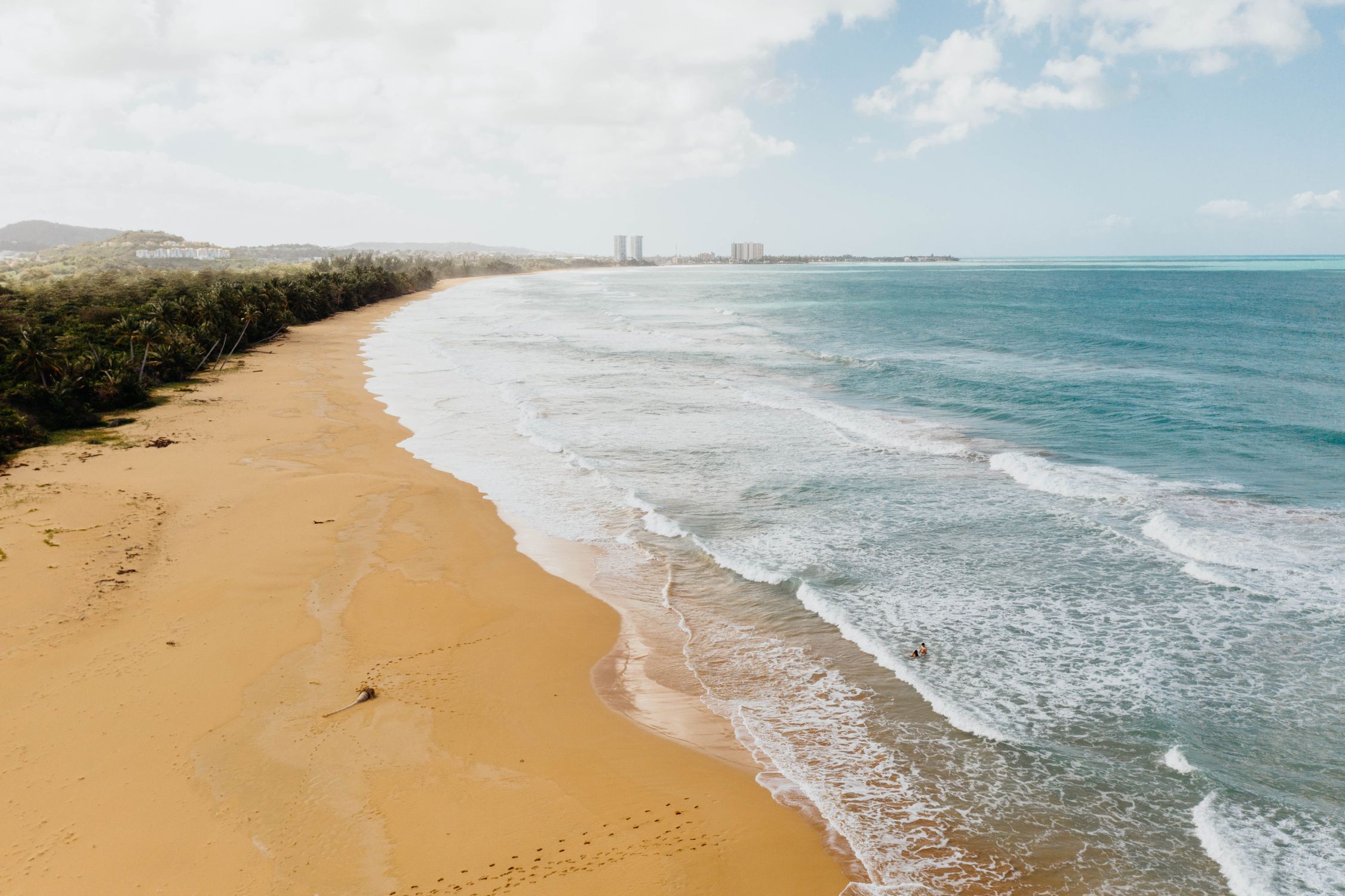
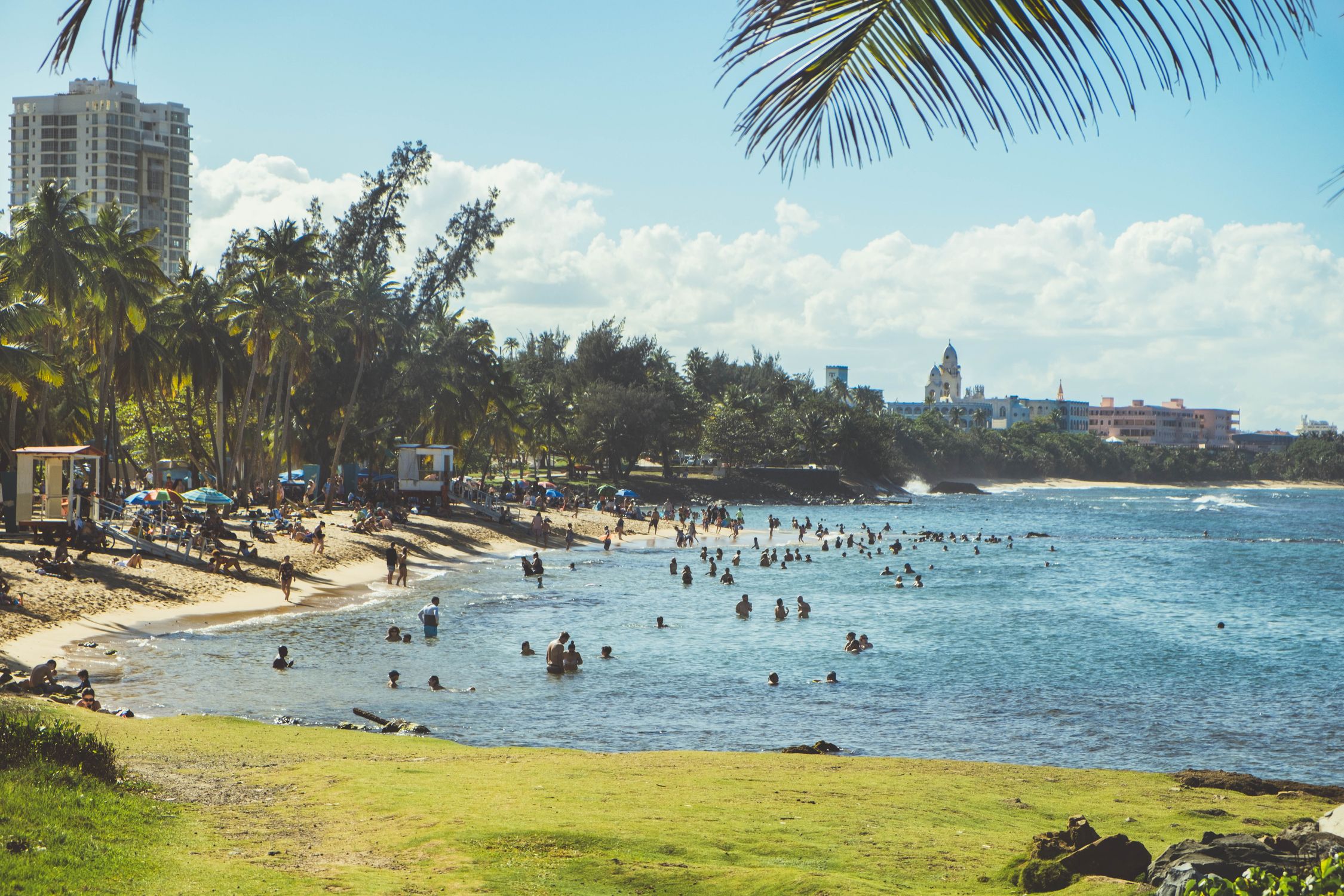
On the island’s northeast coast, Ocean Park is a quieter, residential neighborhood known for its relaxed beachfront promenade and family-friendly atmosphere. The area feels like a small town within the city — perfect for solo travelers who want a slower pace but still want easy access to downtown San Juan via a short Uber ride or bike share.
All three neighborhoods boast a high density of cafes with free Wi-Fi, co-working spaces, and 24-hour convenience stores — great for charging devices, grabbing a late-night snack, or simply feeling secure in a well-lit environment.
Getting Around: Transportation Tips
Uber operates reliably throughout the San Juan metro area, and the city’s public bus system (AMA) provides inexpensive routes to popular spots like Isla Verde beach and the historic forts. For solo women who prefer a more personal touch, local “guaguas” (shared taxis) run on set routes, though they can be crowded during rush hour.
Public transportation outside San Juan is essentially non-existent, so a rental car is the most flexible option for reaching El Yunque, the west coast, or the central mountains. Daily rates range from $40 to $60, and most major car rental agencies have desks at SJU. Book early, especially for the shoulder season (May-June) when demand spikes but prices remain lower than the peak winter months.
When driving, keep doors locked and windows up in high-traffic areas. Parking garages in Condado and Ocean Park are well-lit and monitored. Consider a reliable navigation app — most solo travelers find it helpful for locating the timed-entry reservation kiosks at El Yunque.
Must-Do Experiences: Bioluminescent Bays and El Yunque
Puerto Rico boasts three bioluminescent bays, each offering a different vibe:
- Mosquito Bay (Vieques) — Often called the brightest in the world, its waters glow intensely after a gentle paddle.
- Laguna Grande (Fajardo) — Conveniently close to San Juan, perfect for a night-time kayak tour after a day of beach hopping.
- La Parguera (Lajas) — Known for boat-based tours that let you glide through glowing waters while the sun sets over mangroves.
All tours start after sunset and last about two hours. Dress in lightweight, quick-dry clothing, bring a waterproof bag for your phone, and follow the guide’s instructions to avoid contaminating the delicate dinoflagellates. Book in advance, especially during high season.

El Yunque is the only tropical rainforest in the U.S. National Forest System, covering nearly 29,000 acres of lush trails, waterfalls, and panoramic vistas. The forest now requires timed-entry reservations, so plan your visit early — especially in May or June when the shoulder season draws more nature lovers. The most popular trail for solo explorers is La Mina Trail, a moderate 1.5-mile hike that leads to a stunning waterfall and a natural pool. Pack sturdy hiking shoes, a rain jacket (tropical showers are common), and plenty of water. Details at USDA El Yunque Visitor Information.

Practical Safety and Health Tips
Puerto Rico’s vibe is generally warm and welcoming, but like any popular tourist spot, you may encounter cat-calling or unsolicited comments, especially in crowded beach areas. Stay confident, keep your belongings close, and if you feel uncomfortable, move to a well-lit area or step onto a nearby cafe patio. Most locals respect personal boundaries, and the island’s culture leans toward friendliness rather than aggression.
For petty theft prevention: keep your wallet in a zippered pocket, use a money belt under your clothing, and avoid flashing expensive jewelry. Choose ATMs inside banks or well-lit malls rather than street-side units. Petty theft is the most common issue, so a little vigilance goes a long way.
Health essentials: water is safe to drink from the tap in most hotels and restaurants, though you may prefer bottled water for hikes. Sunscreen with at least SPF 30 is a must — the island’s year-round temperature ranges from 75 to 88 degrees Fahrenheit, and the sun is intense even on cloudy days. If you have prescription medications, bring a copy of the prescription; pharmacies in San Juan are well-stocked but may have limited English signage in rural areas.
Money, Food, and Culture
Puerto Rico uses the U.S. Dollar, and credit or debit cards are accepted at roughly 95 percent of businesses. Small cash bills are handy for roadside kiosks, local markets, and “chinchorros” (casual beach bars) where card terminals may be unavailable. ATMs are plentiful in San Juan — if you travel to remote areas, withdraw enough cash before leaving the city.
Puerto Rican cuisine is a celebration of flavors: think mofongo (mashed plantains with garlic and pork), lechon (roast pork), and fresh seafood ceviche. Street food stalls in Old San Juan serve alcapurrias (fried yucca balls) that are perfect for a quick snack between sightseeing stops. Many restaurants are LGBTQ-friendly and offer vegetarian or vegan options, reflecting the island’s inclusive spirit. The island’s nightlife includes gay-friendly bars and clubs, especially in Condado and the vibrant Calle Loiza district.
Packing and Timing: Best Travel Window
Puerto Rico’s hurricane season runs June 1 through November 30, with peak activity in August through October. However, May and early June offer a sweet spot: warm temperatures, lower humidity, and prices that have not yet peaked for the winter high-season rush. Booking flights and accommodations during this window often yields better rates, and you will still have a good chance of clear skies for bioluminescent bay tours. The dry season (December through April) averages 75 to 82 degrees with the lowest humidity and highest visitor prices.
What to pack:
- Light, breathable clothing (linen shirts, shorts, sundresses)
- A modest swimsuit for beach days and waterfall dips
- Quick-dry towel and waterproof phone case for night kayak tours
- Sturdy hiking shoes for El Yunque
- Reusable water bottle and a small daypack
- Sunscreen, hat, and sunglasses
- A small first-aid kit (band-aids, antiseptic wipes, motion-sickness tablets)
Stay organized with a travel-safety app that tracks your location and sends alerts to trusted contacts. For a curated list of the best solo-female travel safety apps, check out /blog/best-solo-female-travel-safety-apps-tech-2026/.
Accommodation Tips for Solo Women
For budget travelers, Hostelworld listings in Old San Juan include several female-only dorms at well-reviewed properties. Nomada Urban Beach Hostel in Ocean Park is a popular choice among solo female travelers for its community vibe, rooftop social space, and proximity to the beach. Airbnb options are plentiful across all three recommended neighborhoods — look for superhosts with five-star safety reviews and hosts who specify female-friendly properties in their listing descriptions. Always read recent reviews from solo female guests before booking.
Beyond San Juan: Day Trips Worth the Drive
Renting a car opens Puerto Rico’s west coast, where the surf town of Rincon draws a laid-back international crowd and the sunsets are legendary. A rental typically costs $40 to $60 per day, and most agencies have desks at SJU. The central mountain town of Jayuya offers a cool-temperature escape from coastal heat, with coffee farm tours and panoramic ridge views. For a structured day trip, Discover Puerto Rico’s official tour partners offer guided excursions that handle all logistics — ideal if you prefer not to drive solo in unfamiliar territory. Vieques, home to Mosquito Bay, is a 30-minute ferry ride from Fajardo or a quick commuter flight from SJU; the island’s slow pace and lack of chain hotels make it a favorite among solo female travelers seeking genuine off-the-beaten-path Caribbean character. Culebra, another small island off the east coast, is home to Flamenco Beach, consistently ranked among the world’s best beaches, and is easily done as a day trip via the passenger ferry from Ceiba.
Related Reading
Get price-drop alerts and new guides from HerTripGuide
One email a week: price drops on the gear we recommend, new guides, and what changed. No spam, unsubscribe anytime.