Transformative Travel: How Solo Trips Change Your Life
Explore how solo travel transforms women's lives through self-discovery, confidence, and growth. Real stories and science-backed benefits of traveling alone.
This post may contain affiliate links. Disclosure
Updated for 2026 — Accurate as of March 2026.
You leave for your solo trip as one version of yourself. You return as another. Not in a dramatic, cinematic way where everything changes overnight, but in the quiet, accumulating way that real transformation works — decision by small decision, uncomfortable moment by uncomfortable moment, until one day you realize you trust yourself in ways you never did before.
That is the promise of transformative travel, and it is not hyperbole. Research from the Journal of Positive Psychology consistently shows that novel experiences — particularly those that involve navigating uncertainty independently — build psychological resilience, increase self-efficacy, and create lasting shifts in how people perceive their own capabilities. Solo travel delivers all of these in concentrated form. When you navigate a foreign city alone, solve a problem without help, or sit with discomfort and discover you are fine, you are literally rewiring your brain’s relationship with challenge and risk.
The numbers reflect this shift. Global searches for solo female travel companies have grown 600 percent between 2020 and 2025, according to JourneyWoman, and 2026 has seen the trend accelerate further. Women are not just traveling more — they are traveling differently, seeking experiences that challenge, stretch, and ultimately change them.
The Science of Why Travel Transforms Us
Transformation through travel is not a marketing slogan. It is a neurological reality.
When you enter an unfamiliar environment, your brain shifts from autopilot mode — where it efficiently processes the predictable patterns of daily life — to active engagement mode, where it must process new stimuli, make novel decisions, and adapt to unexpected situations. This heightened cognitive state is what neuroscientists call “neuroplasticity in action,” and it is the same state that drives learning, creativity, and personal growth.
Dr. Julia Zimmerman’s widely cited research at the University of Jena found that students who spent time abroad showed measurable increases in openness to experience and agreeableness — personality changes that persisted long after they returned home. The key variable was not the destination but the degree of cultural immersion and independent decision-making involved.
Solo travel amplifies this effect because every decision falls on you. There is no travel companion to defer to, no group leader to follow. You choose where to eat, where to sleep, how to navigate, and what to do when things go wrong. Each independent decision builds a small deposit in your confidence account, and over the course of a trip, those deposits compound into genuine self-trust.
Five Ways Solo Travel Changes Women’s Lives
1. You Discover You Are More Capable Than You Thought
The first time you navigate a foreign transit system alone — decoding signs in another language, buying the right ticket, finding the correct platform — you feel a flush of pride that seems disproportionate to the accomplishment. But it is not disproportionate at all. You have just proven to yourself that you can function independently in an unfamiliar environment, and that proof matters enormously.
This pattern repeats throughout a solo trip: ordering food when you do not speak the language, haggling at a market, finding your way back to your accommodation after getting lost, handling a delayed flight or missed connection. Each small victory reinforces the same message: you can handle this. And that message carries over into every other area of your life.
Women who return from solo trips consistently report feeling more confident in work situations, more comfortable setting boundaries in relationships, and more willing to take on challenges they would have previously avoided. The trip itself might be two weeks long, but the confidence shift is permanent.
2. You Learn to Be Comfortable Alone
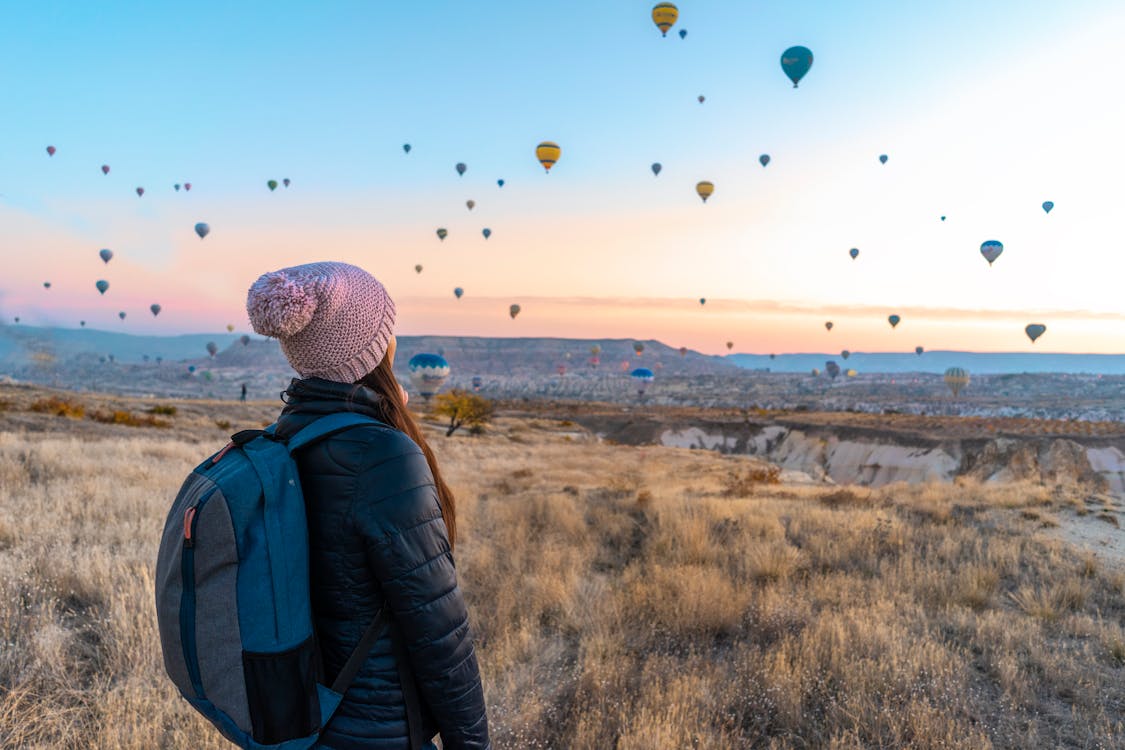
Many women arrive at solo travel with a fear of being alone. Not lonely — alone. There is a difference. Loneliness is a painful deficit of connection. Being alone is simply the state of being with yourself, and for many women, it is an unfamiliar and uncomfortable state because their lives are structured around meeting the needs and expectations of others.
Solo travel forces you to spend extended time in your own company, and most women discover something surprising: they actually enjoy it. Eating alone at a café with a good book. Wandering a museum at your own pace. Sitting on a beach without checking the time. These experiences reveal that solitude is not something to fear but something to cherish.
This comfort with solitude transforms daily life back home. You become less dependent on external validation. You make decisions based on what you actually want rather than what will please others. You start protecting your alone time instead of filling every moment with social obligations. For a deeper exploration of this topic, read our guide on solo travel and mental health.
3. You Connect More Deeply With Others
This seems paradoxical — solo travel makes you better at being alone and better at connecting with others — but it makes perfect sense. When you travel alone, you are more approachable and more motivated to reach out to strangers. You strike up conversations at hostels, join walking tours, share tables at busy restaurants. You practice the art of meeting someone, connecting quickly, and appreciating the encounter without needing it to become a permanent relationship.
These temporary but genuine connections teach you something about the nature of human interaction: depth does not require duration. A three-hour conversation with a stranger on a train can be more meaningful than months of surface-level socializing at home. Solo travel recalibrates your social skills toward authenticity and presence.
If making connections on the road is something you want to explore further, our guide to apps for making friends while solo traveling covers the best tools for 2026.
4. You Redefine Your Relationship With Fear
Fear is a constant companion at the beginning of a solo trip. Fear of getting lost. Fear of being scammed. Fear of eating alone. Fear of making a mistake. Fear of being judged. The list is long, and it is real.
But here is what happens when you travel solo: you do all of the things you feared, and you survive. You get lost and find your way back. You eat alone and enjoy it. You make mistakes and recover. You interact with strangers and they are kind. Each feared scenario that turns out fine loosens fear’s grip on your decision-making.
This is exposure therapy in its purest form, and it works. Women who travel solo develop a more nuanced relationship with fear — they learn to distinguish between genuine danger signals (which deserve attention) and anxiety projections (which deserve acknowledgment but not obedience). This recalibrated relationship with fear opens doors in every area of life.
For practical strategies on managing fear before your first trip, see our first solo trip anxiety guide.
5. You Gain Perspective on Your Own Life
Distance creates clarity. When you step out of the daily routines, social obligations, and environmental cues that define your normal life, you gain the perspective needed to see that life clearly — often for the first time.
Solo travelers frequently report moments of sudden clarity about relationships that are not working, career paths that are not aligned with their values, habits that are not serving them, or dreams they have been postponing. The physical distance from your regular life creates emotional and cognitive distance too, and that distance is where insight lives.
This is why so many women describe their solo trips as “the trip that changed everything.” Not because something dramatic happened on the road, but because the space and silence of solo travel allowed them to hear their own thoughts clearly enough to act on them.
Destinations That Facilitate Transformation
Not all destinations are equally transformative. The most life-changing trips tend to involve some combination of cultural difference, natural beauty, manageable challenge, and opportunities for both solitude and connection.
Lisbon, Portugal
Easy to navigate independently, with key neighborhoods accessible on foot or via the iconic tram network. Lisbon offers the perfect balance of European comfort and cultural richness for first-time solo travelers. The city’s melancholic fado music, tile-covered streets, and warm locals create an atmosphere that invites reflection and presence.
Bali, Indonesia
Bali has earned its reputation as a transformation destination for good reason. The combination of natural beauty, spiritual traditions, affordable wellness offerings, and a thriving community of solo female travelers creates an environment where personal growth feels natural and supported. Check our wellness retreats for solo women for specific retreat recommendations.
Andalusia, Spain
Walking the ancient paths of southern Spain — from the white villages of the Sierra to the Moorish palaces of Granada — offers a physical and metaphorical journey that strips away the unnecessary and reveals what matters. The region is safe, affordable, and stunningly beautiful.
Nepal
For women seeking a more challenging transformation, trekking in Nepal delivers. The physical challenge of high-altitude hiking, combined with the warmth of Nepali culture and the humbling scale of Himalayan landscapes, creates conditions for profound shifts in perspective and priorities.
Rwanda
An emerging destination that surprises every woman who visits. Rwanda’s remarkable post-genocide transformation, combined with mountain gorilla trekking and vibrant culture, offers a unique lens on resilience and renewal. See our solo female travel Rwanda guide for practical planning tips.
How to Design a Transformative Solo Trip
Transformation does not happen automatically just because you buy a plane ticket. It requires some intentional design:
Choose discomfort over convenience. Stay in a homestay instead of a chain hotel. Take public transport instead of private transfers. Eat at local restaurants instead of tourist-oriented ones. The mild discomfort of unfamiliarity is where growth happens.
Build in unstructured time. Over-scheduled trips do not transform because they do not leave space for spontaneity, reflection, or unexpected encounters. Leave at least half your days unplanned.
Journal daily. Writing about your experiences forces you to process them rather than just accumulate them. You do not need a fancy journal — the notes app on your phone works fine. For more journaling options, check our best travel journals and apps guide.
Limit social media. Constant posting and checking pulls you out of the present moment and back into the performance of travel rather than the experience of it. Consider a social media break for the duration of your trip.
Push past the three-day hump. The first three days of a solo trip are often the hardest — loneliness, self-doubt, and the temptation to go home are strongest at the beginning. Push through. The breakthrough typically comes on day four or five, and everything after that is different.

Managing the Emotional Challenges
Transformative experiences are not always comfortable. In fact, they are almost never comfortable. Solo travel involves loneliness, frustration, fear, and self-doubt alongside the joy, freedom, and confidence. Both sides of the experience are necessary for transformation.
Loneliness is the most commonly cited challenge. It tends to peak in the evening, especially around dinner time. Having strategies ready — a good book, a podcast playlist, a plan to eat at a communal restaurant — helps you navigate these moments without them derailing your trip. Our guide on handling loneliness on long solo trips offers detailed coping strategies.
Overwhelm can hit when you are making every decision alone for days on end. Decision fatigue is real. Combat it by pre-deciding some things — where you will eat breakfast each morning, for example — so you have fewer choices to make throughout the day.
Re-entry shock is the least discussed challenge. Returning home after a transformative trip can be disorienting. Your life looks the same, but you feel different. Give yourself time to integrate the experience. Do not expect to immediately translate travel insights into life changes — let them settle.
The Long-Term Impact
The women who experience the most lasting transformation from solo travel are those who travel repeatedly. A single trip can plant seeds — it can show you what is possible and give you a taste of your own capability — but repeated solo travel is what makes the changes stick.
Each subsequent trip builds on the previous one. You become a more skilled traveler, a more confident navigator, a more open connector. The anxiety diminishes but never fully disappears (and that is healthy — some vigilance keeps you safe). The sense of freedom and self-trust deepens.
Many women find that solo travel becomes a regular practice — not just a vacation but a form of self-care, a way to reset, reflect, and reconnect with themselves. The investment pays returns that no resort vacation or group tour can match.
Getting Started
If you have never traveled solo and the idea feels overwhelming, start small. A weekend trip to a nearby city. A few nights in a place where you speak the language. A destination that feels safe and manageable.
The size of the trip does not determine the size of the transformation. What matters is that you go alone, that you make your own decisions, and that you sit with whatever comes up — the joy, the fear, the boredom, the exhilaration, all of it.
For practical first steps, our budget solo travel guide removes the financial barriers, and our packing checklist for solo women ensures you have everything you need without overpacking.
The trip that changes your life is not some mythical future journey to an exotic destination. It is the next trip you take alone, wherever that might be. Book it. Pack light. Go.
Get the best HerTripGuide tips in your inbox
Weekly guides, deals, and insider tips. No spam, unsubscribe anytime.