Where to Stay in Tokyo: A Solo Female Safety Guide 2026
Tokyo's safest neighborhoods, women-only floors, and budget stays for solo female travelers in 2026, plus transit and packing tips that keep you covered.

This post may contain affiliate links. Disclosure
Traveling alone as a woman can feel like being both the hero and the narrator of your own story, and Tokyo is one of the best cities on earth to write that story with confidence. Low crime rates, women-only train cars, and a 24-hour convenience store on nearly every corner mean you can wander home after a late dinner without white-knuckling your bag straps. This guide walks you through seven verified, solo-female-friendly stays across Tokyo’s most welcoming neighborhoods, what each area actually feels like after sunset, and the gear that keeps you organized and secure from Shimbashi to Shinjuku.
Where should a solo female traveler stay in Tokyo? The standout picks are LOF HOTEL Shimbashi, Asakusa View Hotel and Tosei Hotel Cocone Ueno Okachimachi. LOF HOTEL Shimbashi suits solo female travelers who want a safe, centrally located base with a social lounge. Nightly rates across this list run roughly $68 to $150.
Why Tokyo Is a Great Solo Female Destination
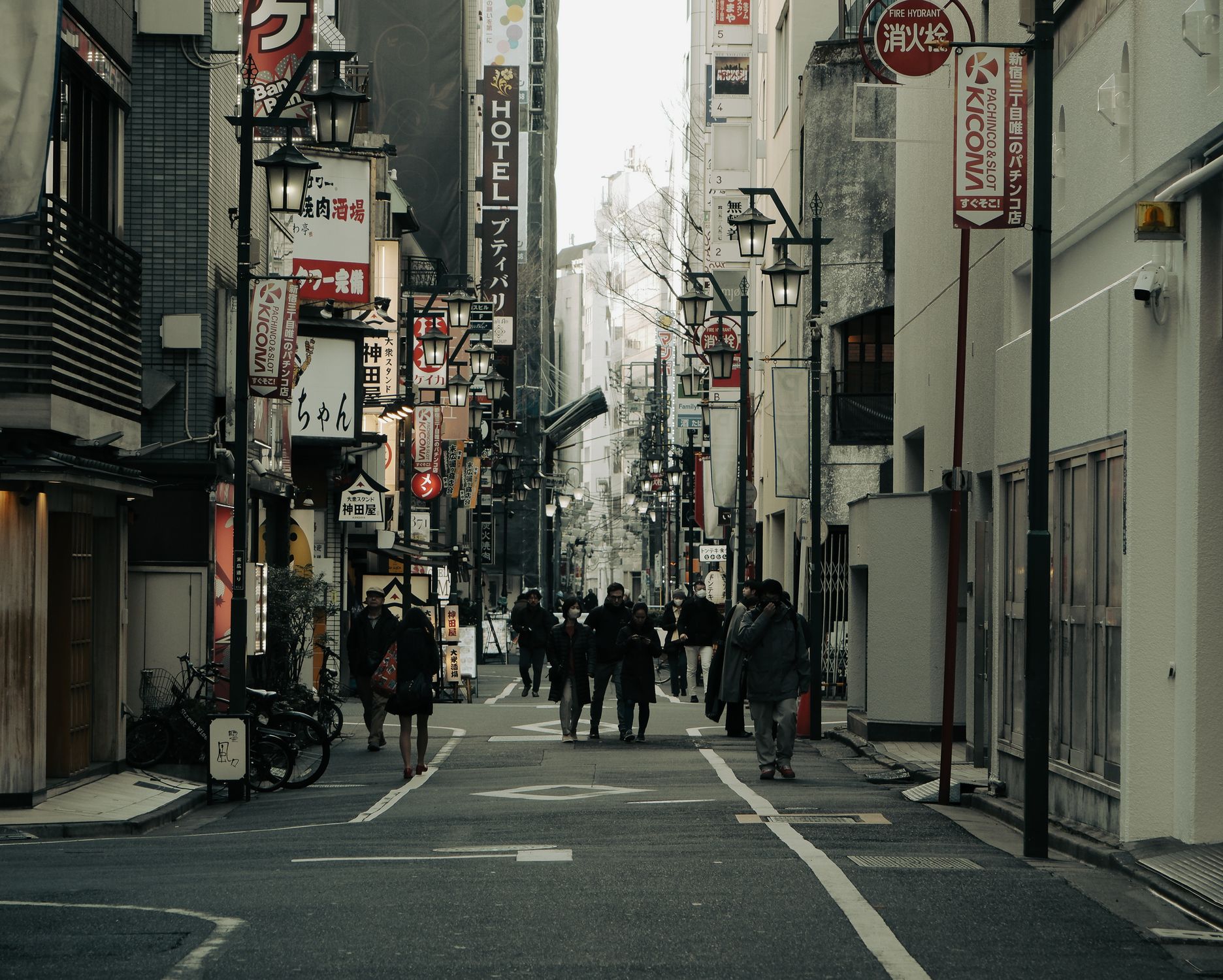
Tokyo’s reputation for safety isn’t just a headline, it’s woven into daily life. Police presence is visible but unobtrusive, and pickpocketing is rare even in the most crowded stations. Public transportation runs like clockwork, with punctual, clean trains and English-speaking staff ready to help if you get turned around. Women-only train cars, marked with pink signs on the platform, run during the two daily rush-hour windows (roughly 7-9 am and 5-7 pm) and give you a private space during the most crowded commutes. After dark, central neighborhoods like Ginza, Shibuya, and Shinjuku stay well-lit, and 24-hour convenience stores such as 7-Eleven, FamilyMart, and Lawson double as safe, bright spots to regroup, check a map, or grab a snack at 2 am.
Tokyo’s size can feel intimidating on a map, but it breaks down into distinct, walkable neighborhoods, each with its own rhythm. The Japan National Tourism Organization’s Tokyo guide is a solid starting point before you land, and the Tokyo Metropolitan Government’s official site has more on the safety and city-services picture. The real orientation happens once you pick a base: matching your hotel to the vibe you want, buzzy and central or quiet and residential, shapes your trip more than any single safety gadget.
The Best Places to Stay
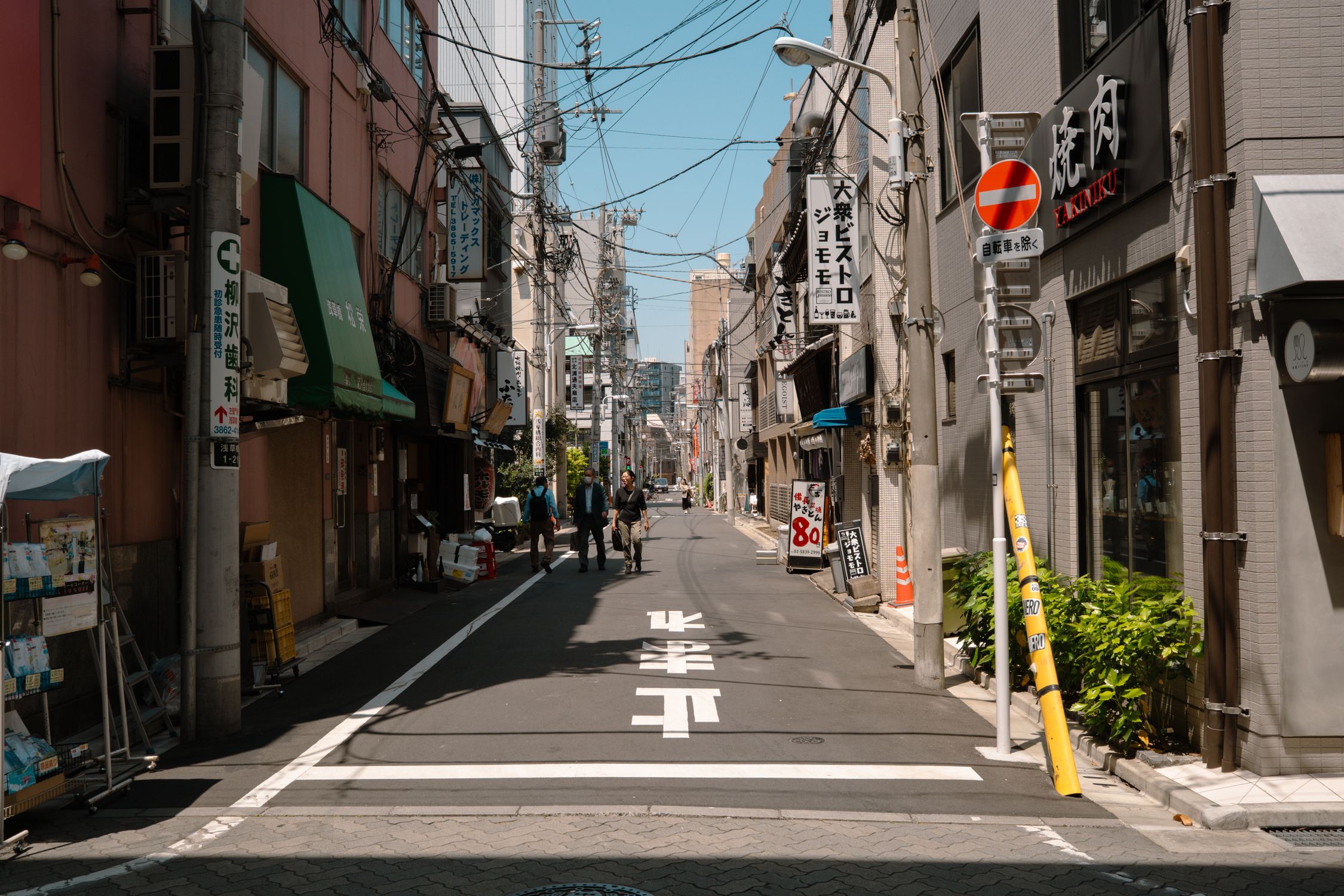
Finding a base that feels both welcoming and secure is the first step to a stress-free trip. Below are seven verified options that span budget hostels, mid-range hotels, and boutique stays, all vetted for women-only floors, attentive staff, or community-focused environments.
LOF HOTEL Shimbashi
Price band: $68-100 Nestled in Minato ward just 100 meters from the Shinbashi Shiogama Shrine, LOF HOTEL Shimbashi puts you a short walk from Ginza’s upscale shopping and Tokyo Tower. The hotel markets itself as women-friendly and backs it up with solid security measures. Up on the 12th floor, a lounge serves complimentary coffee and tea, an easy spot to swap notes with other travelers. Shimbashi Station connects you to the Yamanote Line, the Ginza Line, and several other routes, so day trips rarely take more than a couple of transfers. Best for: Solo female travelers who want a safe, centrally located base with a social lounge. Pros: Secure, women-friendly environment; central location with excellent transit links. Cons: Rooms are modestly sized, which can feel tight on longer stays. LOF HOTEL Shimbashi - Check rates.
Asakusa View Hotel
Price band: price not listed Located in historic Asakusa, this hotel gives you floor-to-ceiling windows framing the Senso-ji Temple and Asakusa Shrine, both a five-minute walk away. A pastry shop and bar on the ground floor make spontaneous socializing easy, and the neighborhood is a major tourist hub with lantern-lit streets that stay busy, and watched-over, well into the evening. It’s quieter than Shinjuku, but the Ginza Line runs straight through for a smooth ride downtown. Best for: Women seeking a stylish hotel with great views in a historic, safe district. Pros: Quiet neighborhood yet close to major attractions; multiple dining options on-site. Cons: Higher price point compared with budget hostels. Asakusa View Hotel - Check rates.
Tosei Hotel Cocone Ueno Okachimachi
Price band: price not listed Set in the cultural corridor of Ueno, this hotel sits within walking distance of Ueno Park, its cluster of museums, and the market stalls of Okachimachi. A hearty on-site breakfast and a 24-hour front desk mean you can store luggage after checkout and keep exploring instead of watching the clock. Guests consistently mention the staff’s friendliness, which matters more than it sounds when you’re navigating a new city solo. Best for: Solo female travelers who value easy access to museums and a comfortable breakfast. Pros: Friendly staff and reliable service; well-located near major museums and transit. Cons: Rooms are basic with limited space. Tosei Hotel Cocone Ueno Okachimachi - Check rates.
GrapeHouse Koenji
Price band: price not listed If you love indie music, street art, and meeting fellow backpackers, GrapeHouse Koenji is built for you. It’s a female-only hostel near Keimei Park, with a shared lounge and board-games area that make conversation almost unavoidable, in the best way. The surrounding neighborhood has a friendly, low-key nightlife scene, a nice change from the neon crush of the bigger districts. The tradeoff: shared bathrooms mean less privacy than an en-suite. Best for: Budget-conscious solo women who enjoy a communal, sociable setting. Pros: Budget-friendly and women-only floors; opportunities to meet locals and other travelers. Cons: Shared bathrooms may reduce privacy. GrapeHouse Koenji - Check rates.
Oak Hotel Edo
Price band: price not listed Tucked into Fukagawa, Oak Hotel Edo trades neon for quiet. A terrace and city-view balcony give you an outdoor spot to decompress after temple-hopping, and the concierge can point you toward the nearby Edo Hyogu Museum and other historic sites. The location is calmer and farther from the nightlife-heavy parts of the city, which some solo women find is exactly the point after a long day of sightseeing. Not for those chasing Shinjuku’s energy nightly, but a peaceful retreat with real character. Best for: Women who prefer a peaceful stay with easy access to cultural sites. Pros: Quiet location with cultural attractions nearby; nice outdoor spaces for solo travelers. Cons: A bit farther from central nightlife districts. Oak Hotel Edo - Check rates.
Hotel Lumiere Nishikasai
Price band: price not listed Situated in Edogawa, Hotel Lumiere Nishikasai offers free Wi-Fi, a complimentary breakfast, and a five-minute walk to Nishi-Kasai Subway Station. Its biggest draw is proximity to Tokyo Disney Resort, making it a smart, budget-friendly base for a theme-park day trip. Central landmarks like Shibuya and Akihabara are a longer ride from here, so treat this as a comfortable, well-connected outpost rather than a downtown base. Best for: Solo female travelers looking for affordable comfort and easy transit to theme parks. Pros: Excellent value with breakfast included; great for day trips to Disney and easy subway access. Cons: Located farther from central Tokyo attractions. Hotel Lumiere Nishikasai - Check rates.
Hotel Gracery Shinjuku
Price band: $120-150 Right on the edge of Shinjuku’s bustling east side near Shinjuku Gyoen, Hotel Gracery Shinjuku gives you a ladies-only floor with extra security features, reassuring after a night out in one of Tokyo’s busiest districts. The Godzilla-themed roof is a fun, memorable touch, and you’re a direct walk from Shinjuku Station and 24-hour convenience stores. The caveat: this hotel sits close to Kabukicho’s nightlife, which gets loud after midnight, so pack earplugs if you’re a light sleeper. Best for: First-time solo female travelers who want a safe, centrally located hotel with a quirky vibe. Pros: Excellent safety reputation for solo women; prime central location steps from Shinjuku Station and shopping. Cons: Nighttime noise from nearby nightlife. Hotel Gracery Shinjuku - Check rates.
Two of these seven come with confirmed price bands: LOF HOTEL Shimbashi runs $68-100 a night, a solid value pick for a central location, while Hotel Gracery Shinjuku sits at $120-150, tracking with its prime Shinjuku Station address and ladies-only floor. The remaining five don’t have a published price band in our research, so pull up the live rate through the booking link before you commit. Tokyo pricing shifts with season and availability, and cherry blossom season or a big convention week can push a modest hotel past its usual range.
Neighborhood Highlights
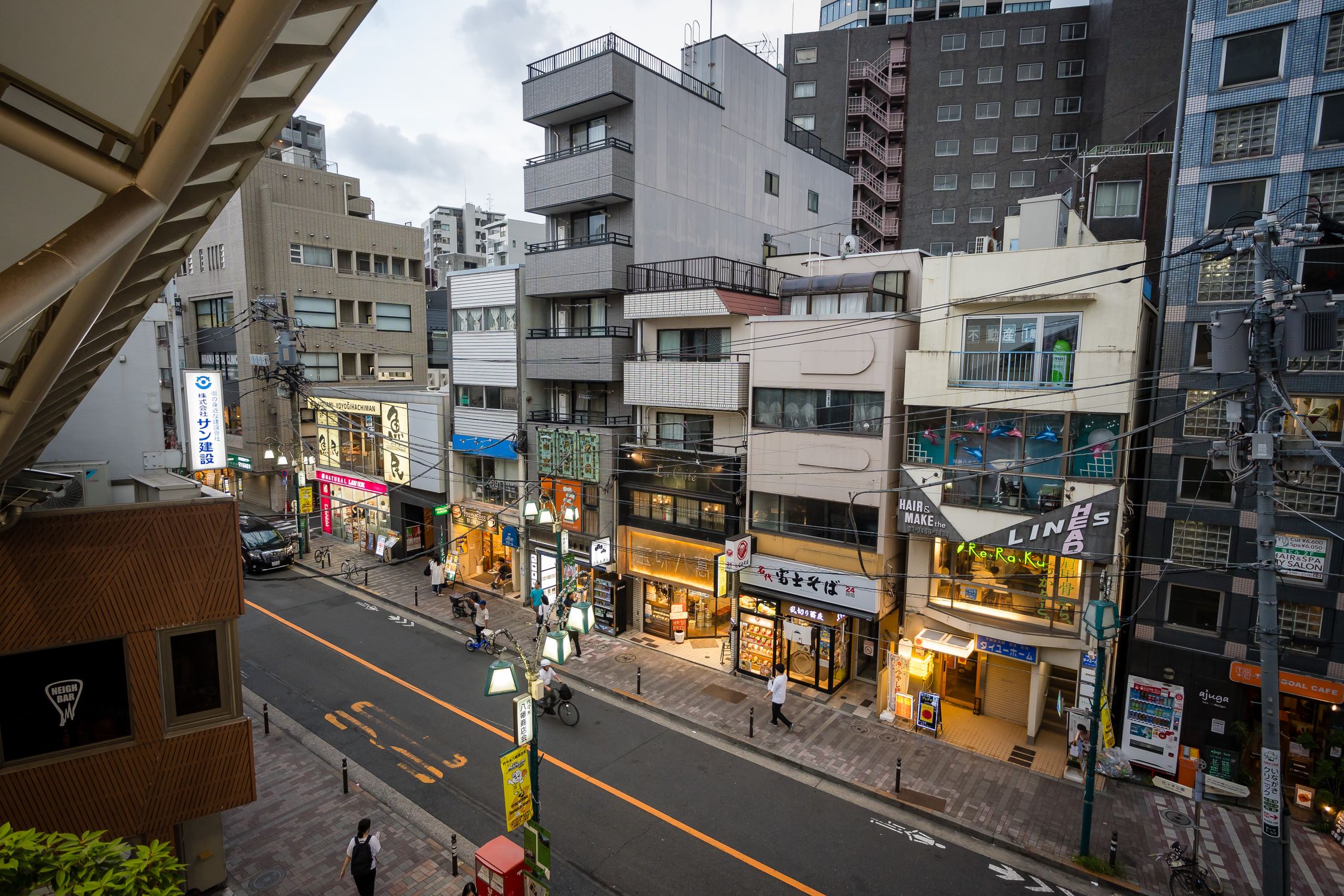
Each district in Tokyo has its own personality, and picking the right one shapes the rhythm of your entire trip more than any single amenity list will.
Shimbashi and Minato - A business hub that doubles as a gateway to Ginza’s luxury boutiques and the iconic Tokyo Tower. Shimbashi Station connects you to the Yamanote Line, the Ginza Line, and several subway routes, making day trips a breeze. Expect polished streets, plenty of coffee shops, and a professional daytime crowd that keeps things feeling safe well into the early evening.
Asakusa (Taito) - Home to the luminous Senso-ji Temple, lantern-lit streets, and traditional snack stalls. The Ginza Line runs directly through Asakusa, offering a smooth ride downtown while keeping you in a tourist-heavy, well-trafficked zone. Nighttime lanterns create a genuinely magical atmosphere, and the steady flow of families and travelers adds to the sense of security after the shops close.
Ueno/Okachimachi (Taito) - A cultural corridor anchored by Ueno Park and its cluster of museums, plus the market stalls of Okachimachi just outside the park gates. The park’s wide pathways and daytime crowds make it a comfortable playground for solo explorers, and the nearby stations give you rapid access to the rest of the city. If you love art and a bit of nostalgia, this neighborhood feels like a living museum.
Koenji (Suginami) - Known for its indie music venues, vintage shops, and laid-back cafes. The community vibe is friendly and inclusive, a welcoming environment for solo women who want to meet people without a party-hostel scene. It sits off the main tourist radar, part of its charm if you’ve already hit the big landmarks and want somewhere that feels lived-in.
Fukagawa (Koto) - A quieter residential zone with easy access to historic sites like the Edo Hyogu Museum. The hotel’s terrace offers a rare outdoor spot in a city where rooftops are often the only green escape. It’s farther from the nightlife epicenters, so expect a longer ride if Shinjuku or Shibuya are on your evening agenda, but the calm streets make it a genuinely restful base.
Nishikasai (Edogawa) - Ideal for travelers planning a Disney day or a relaxed stay near the river. The area’s 24-hour convenience stores and well-lit streets keep the nighttime feel safe, and the short walk to Nishi-Kasai Subway Station means you’re never stranded, even though central Tokyo is a longer ride from here.
Shinjuku (East side, near Shinjuku Gyoen) - The pulse of Tokyo’s nightlife, shopping, and transport. Shinjuku Station is one of the world’s busiest hubs; cross-reference routes on the Tokyo Metro’s official English site before you land. The ladies-only floor at Hotel Gracery adds security here, and nearby Shinjuku Gyoen park gives you a green oasis between nights out.
By aligning your hotel choice with the neighborhood vibe you actually want, rather than just the cheapest rate or the flashiest photo, you’ll spend less time navigating and more time savoring the city.
What to Pack

Traveling light doesn’t mean compromising on safety or convenience. Below are three vetted gear picks that blend anti-theft tech with sleek design, perfect for navigating Tokyo’s subway maze and bustling streets.
Pacsafe Citysafe CX 17L Anti-Theft Backpack - The 17-liter volume fits a 16-inch laptop and your daily essentials while keeping pickpockets at bay with interlocking zippers, slash-resistant mesh, and RFID-blocking pockets. Its water-resistant regenerated nylon adds durability for rainy days. The downside: a fixed strap length that may feel short for petite frames, and modest capacity if it’s your only bag for a multi-day trip.
Peak Design Packing Cube Medium - This cube compresses from 18 liters down to 8, letting you reorganize your suitcase on the go. A movable divider separates clean from dirty clothes, and the weatherproof 70D ripstop shell guards against sudden showers. It carries a premium price tag around $70, but the versatility pays off for travelers who like tidy luggage between museum visits and long transit days.
Eagle Creek Pack-It Specter Packing Cube Set (XS/S/M) - For ultra-light packers, this set offers silnylon cubes that are virtually weightless and water-resistant. The translucent material lets you spot items without opening each bag, saving seconds in a crowded train station. They don’t compress, so they’re for organization rather than space-saving, and the price feels high if you only need a single cube.
Pair these with a reusable water bottle, a compact umbrella, and a portable charger, and you’ll be ready for everything from an early museum morning in Ueno to a late-night ramen run near your hotel.
Practical Tips and Common Mistakes to Avoid
1. Forgetting the women-only train cars. During rush hour, the pink-sign-marked cars are a lifesaver. Skipping them can mean uncomfortable crowds and unnecessary stress. Plan around the 7-9 am and 5-7 pm windows and head to the designated cars early; station staff are happy to point them out.
2. Over-packing for day trips. Tokyo’s subway makes it easy to hop between districts, but lugging a large suitcase onto a crowded train is exhausting. Stick to a day bag, like the Pacsafe Citysafe, for excursions, and store larger luggage at your hotel’s front desk. Several hotels above, including Tosei Hotel Cocone, offer 24-hour storage so you can check out and keep exploring.
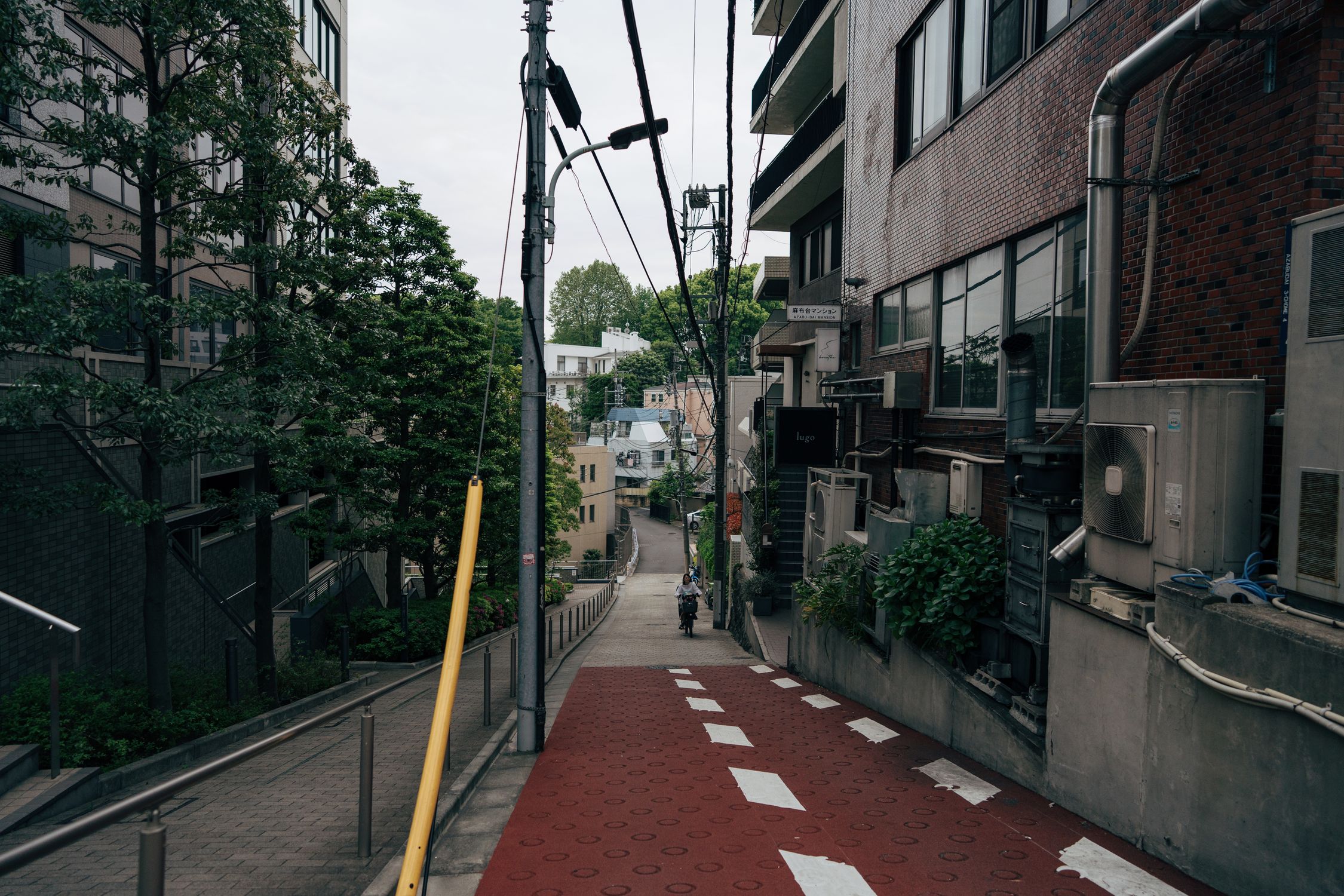
3. Assuming every neighborhood is equally lively at night. Central areas like Shinjuku stay buzzing well after midnight, but quieter districts such as Fukagawa or Nishikasai wind down early. If you crave nightlife, base yourself near a hub. If you prefer calm, choose a peripheral neighborhood and enjoy the early-evening glow of temples and parks instead.
4. Ignoring local etiquette around safety. Japanese culture values courtesy and personal space, and following the unwritten rules keeps you comfortable, not just polite. Keep your voice low on trains, avoid eating while walking, and respect queue lines. These small gestures earn you friendly smiles and quietly signal that you’re paying attention.
5. Relying solely on English signage. Most major stations have English maps, but smaller exits may only display Japanese. Pull up the Tokyo Metro’s official app and site before your trip or download Google Maps offline. A few key phrases in kanji, like toilet or exit, are a handy backup if your phone dies.
6. Not checking hotel security details. Even women-friendly hotels vary in their safety features. Look for 24-hour front desks, key-card access, and well-lit corridors. The hotels above all score well on these fronts, but it’s still worth reading recent guest reviews before you book.
Keep these pointers in mind and you’ll sidestep the common pitfalls, leaving more energy for the parts of Tokyo that made you want to come here in the first place.
Related Reading
Get price-drop alerts and new guides from HerTripGuide
One email a week: price drops on the gear we recommend, new guides, and what changed. No spam, unsubscribe anytime.