Athens Solo Female Travel Guide
Everything solo women need to know about Athens: safest neighborhoods, getting around, budgets, and where to stay.

Athens, Greece

About Athens
Athens is the capital and largest city of Greece. A significant coastal urban area in the Mediterranean, Athens is also the capital of the Attica region and is the southernmost capital on the European mainland.
Read more on WikipediaQuick Facts
Safety score derived from the U.S. State Department Travel Advisory for Greece: Level 1 (Exercise Normal Precautions), as of 2026-07-08. Country-level guidance; check local conditions before you go.
A Warm Welcome to Athens
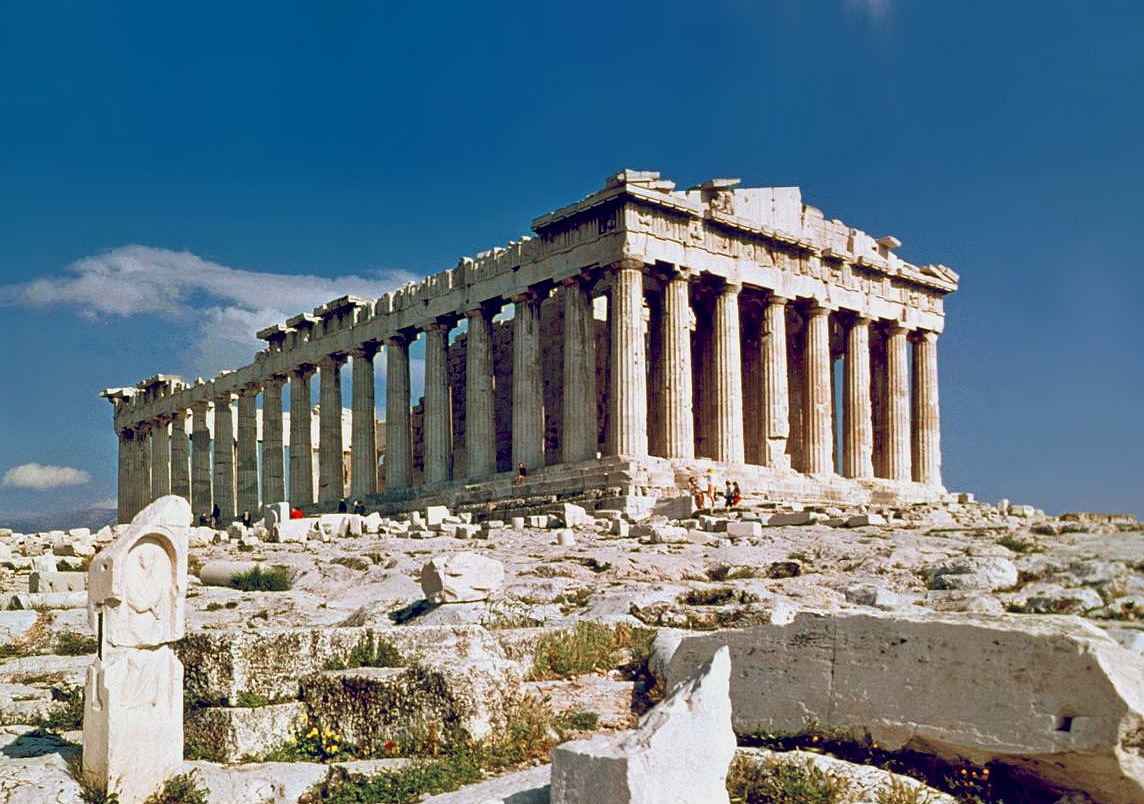 Photo: The Parthenon in Athens.jpg by Steve Swayne (CC BY 2.0), via Wikimedia Commons
Hey sister, welcome to the sun‑kissed streets of Athens! This ancient city is a living museum where marble columns sit shoulder‑to‑shoulder with vibrant street art, and every alleyway whispers stories of philosophers, playwrights, and warriors. With a population of roughly 0.64 million, according to Athens – Wikipedia, Athens feels big enough to offer endless discoveries yet small enough to navigate confidently on your own. The Euro (EUR) is the currency, Greek is the language, and the city runs on Europe/Athens time (UTC+2, summer UTC+3). If you’re flying in on a U.S. passport, you can stroll through Greece visa‑free for up to 90 days. Think of Athens as your personal playground — rich in history, buzzing with modern cafés, and, most importantly, welcoming to solo women travelers who want to feel safe and empowered.
Neighborhoods to Know
Koukaki
 Photo: Koykaki.jpg by Dimorsitanos (CC BY-SA 3.0), via Wikimedia Commons
Tucked just south of the Acropolis, Koukaki is a quiet residential enclave that feels like a friendly neighbor looking out for you. The streets are well‑lit, the vibe is relaxed, and the metro station is only a short walk away, making it easy to pop over to the ancient sites or the city center. It’s an ideal base for solo women who value both safety and convenience.
Plaka
 Photo: Carrer del barri de Plaka, Atenes.JPG by Joanbanjo (CC BY-SA 3.0), via Wikimedia Commons
Step into the historic heart of Athens and you’ll find Plaka, a maze of pedestrian‑only lanes lined with neoclassical houses, boutique shops, and cozy cafés. By day, you can wander among museums and the Roman Agora; by night, the area stays lively yet feels secure, with plenty of lighting and a steady flow of locals and tourists alike.
Monastiraki / Psyrri
 Photo: Monastiraki Square on June 6, 2020.jpg by George E. Koronaios (CC BY-SA 4.0), via Wikimedia Commons
If you crave a little buzz, head to Monastiraki and the adjoining Psyrri district. Here the famous flea market spills onto the streets, and the hum of street performers creates an energetic backdrop. Public transport links are excellent — multiple metro lines intersect nearby — so you can hop to any corner of the city with ease.
Top Things to Do in Athens
Sister, once you’ve settled into a neighborhood, here’s where to actually spend your days. Every one of these sites is easy to reach solo.
1. Acropolis of Athens
The ancient citadel perched on a rocky outcrop above the city holds the remains of several of the most significant buildings of the ancient world, the most famous being the Parthenon. It’s the single most iconic sight in Athens and an easy, well-signed walk from Plaka or Koukaki.
2. Parthenon
The former temple dedicated to the goddess Athena, built in the 5th century BC, is considered an enduring symbol of ancient Greece and Western civilization. Its decorative sculptures are among the high points of classical Greek art — give yourself time to walk the full site slowly.
3. Ancient Agora of Athens
Just northwest of the Acropolis, this was the commercial, civic, and social heart of ancient Athens. It’s a peaceful, less-crowded counterpoint to the Acropolis itself, and an easy add-on for the same solo morning.
4. Acropolis Museum
This archaeological museum, founded in 2003, houses everything found on the Acropolis rock and its surrounding slopes, from the Greek Bronze Age through Roman and Byzantine Athens. It’s a comfortable, air-conditioned way to see the artifacts up close after (or before) the climb up the hill.
5. Temple of Olympian Zeus
Construction on this colossal temple began in the 6th century BC and wasn’t completed for centuries, but the surviving columns still give a sense of what was meant to be the greatest temple in the ancient world. It sits an easy walk from the National Garden and Syntagma Square.
6. Panathenaic Stadium
Also known as Kallimarmaro (“beautiful marble”), this is the only stadium in the world built entirely of marble, and it hosted the first modern Olympic Games in 1896. It’s a striking, walkable stop between the National Garden and the Acropolis area.
7. Mount Lycabettus
At 277 meters, this limestone hill is the highest point in central Athens, reachable by funicular. The summit view over the whole city — Acropolis included — is one of the best solo sunset spots Athens has to offer.
Book tickets & skip-the-line tours: Browse Athens experiences
Getting Around
 Photo: Athens, Syntagma metro station.JPG by Palickap (CC BY-SA 4.0), via Wikimedia Commons
Athens’ public transit is a solo‑traveler’s best friend. The metro is clean, well‑monitored, and runs until midnight, connecting you to the Acropolis, the airport, and the neighborhoods mentioned above. Buses and trams fill in the gaps, whisking you to seaside promenades or the sprawling National Garden. Taxis are plentiful, and rideshare apps work just as smoothly as they do back home — just make sure the driver turns on the meter. A single ticket covers the metro, bus, and tram within its validity window, so you can hop between them without juggling multiple tickets.
Safety & Practical Notes
The U.S. State Department rates Greece Level 1 (Exercise Normal Precautions) (as of 2026-07-08) — one of the lowest advisory levels the agency issues, and a reflection of how comfortable most solo women feel walking Athens after dark, especially in well‑lit neighborhoods like Plaka and Koukaki. Should you ever need assistance, the EU’s universal emergency number is 112; in Greece you can also reach the police directly at 100, and the Tourist Police — English-speaking officers who specialize in helping visitors — at 1571.
When it comes to practicalities, the Euro is the everyday currency, so you won’t need to hunt for exchange offices at every corner. Tap water in Athens is safe to drink, though many locals and visitors prefer bottled water for taste. Greece uses the standard European plug (type C/F).
A quick tip for solo women: keep your belongings close in crowded markets, especially around Monastiraki, and consider a money belt for passports and cards. The city’s metro stations have visible security personnel, and the Tourist Police often patrol popular sites like the Acropolis and Syntagma Square, offering an extra layer of reassurance.
Best Time to Visit
 Photo: Lycabettus Hill, Athens, 2024.jpg by Mustang Joe (CC0), via Wikimedia Commons
Athens enjoys a Mediterranean climate, meaning mild winters and hot, dry summers. Many travelers favor the shoulder seasons — late spring (May–June) and early autumn (September–October) — when temperatures hover in the comfortable 20‑25°C range and the crowds thin out just enough to let you explore at your own pace. During these periods, you’ll still catch the city’s vibrant street life but without the peak‑summer heat that can make midday sightseeing feel exhausting.
Where to Stay
 Photo: Kolonaki, Main Avenue.jpg by Giorgoos (Public domain), via Wikimedia Commons
Whether you’re drawn to the quiet charm of Koukaki, the historic lanes of Plaka, or the buzzing energy of Monastiraki, Athens offers a range of boutique hotels and well‑reviewed hostels that cater to solo female travelers. For curated recommendations that match your budget of $55‑80 per day, check out our full hotel guide.
Feel the pulse of Athens, let the ancient stones guide your curiosity, and trust your instincts — this city is ready to welcome you with open arms. Safe travels, sister!
Frequently Asked Questions
Is Athens safe for solo female travelers at night?
Yes. The U.S. State Department rates Greece Level 1 (Exercise Normal Precautions), as of 2026-07-08, one of the lowest advisory levels available. Central neighborhoods like Plaka and Koukaki are well-lit and busy well into the evening, and Tourist Police patrol popular sites like the Acropolis and Syntagma Square.
How do I get from the airport to the city center?
The easiest way is the Athens Metro Line 3, which runs directly from the airport to Syntagma Square in about 40 minutes. Taxis and rideshare apps are also available; confirm the fare or that the meter is running before you set off.
Do I need a visa to visit Greece?
If you hold a U.S. passport, you can enter Greece visa-free for up to 90 days. Make sure your passport is valid for at least three months beyond your planned departure date.
What's the best way to stay connected to the internet?
Free Wi-Fi is common in cafes, hotels, and many public squares. For more reliable coverage, a local SIM card from the airport or a nearby kiosk is inexpensive and keeps you connected for navigation and translation apps.
Are there any cultural etiquette tips I should know?
Greeks are warm and expressive — a friendly 'Kalimera' (good morning) goes a long way. When visiting churches or monasteries, dress modestly and cover shoulders and knees. Tipping 5-10% in restaurants is customary, though not mandatory.
Related Guides
Upcoming Holidays
GreeceGet price-drop alerts and new guides from HerTripGuide
One email a week: price drops on the gear we recommend, new guides, and what changed. No spam, unsubscribe anytime.