Dublin Solo Female Travel Guide
Everything solo women need to know about Dublin: safest neighborhoods, getting around, budgets, and where to stay.

Dublin, Ireland

About Dublin
Dublin is the capital and largest city of Ireland. Situated on Dublin Bay at the mouth of the River Liffey, it is in the province of Leinster, and is bordered on the south by the Dublin Mountains, part of the Wicklow Mountains range.
Read more on WikipediaQuick Facts
Safety score derived from the U.S. State Department Travel Advisory for Ireland: Level 1 (Exercise Normal Precautions), as of 2026-07-08. Country-level guidance; check local conditions before you go.
A Warm Welcome to Dublin
 Photo: Dublin skyline and River Liffey from ferry arriving at Dublin Port - geograph.org.uk - 5167299.jpg by Chris Morgan (CC BY-SA 2.0), via Wikimedia Commons
Hey sister-traveler, welcome to Dublin — a city that feels like a cozy living-room with its friendly locals, lively pubs, and literary history humming around every corner. With a population of roughly 1.5 million people, the Irish capital balances the buzz of a modern metropolis with the charm of a small town, making it an inviting base for solo female adventurers. The U.S. State Department rates Ireland Level 1 (Exercise Normal Precautions), one of the lowest advisory levels there is, so you can explore with confidence while still feeling the thrill of new experiences. Grab a cup of tea, slip on those comfy shoes, and let’s map out how to make the most of Dublin, safely and stylishly.
Neighborhoods to Know
Grafton Street / St. Stephen’s Green
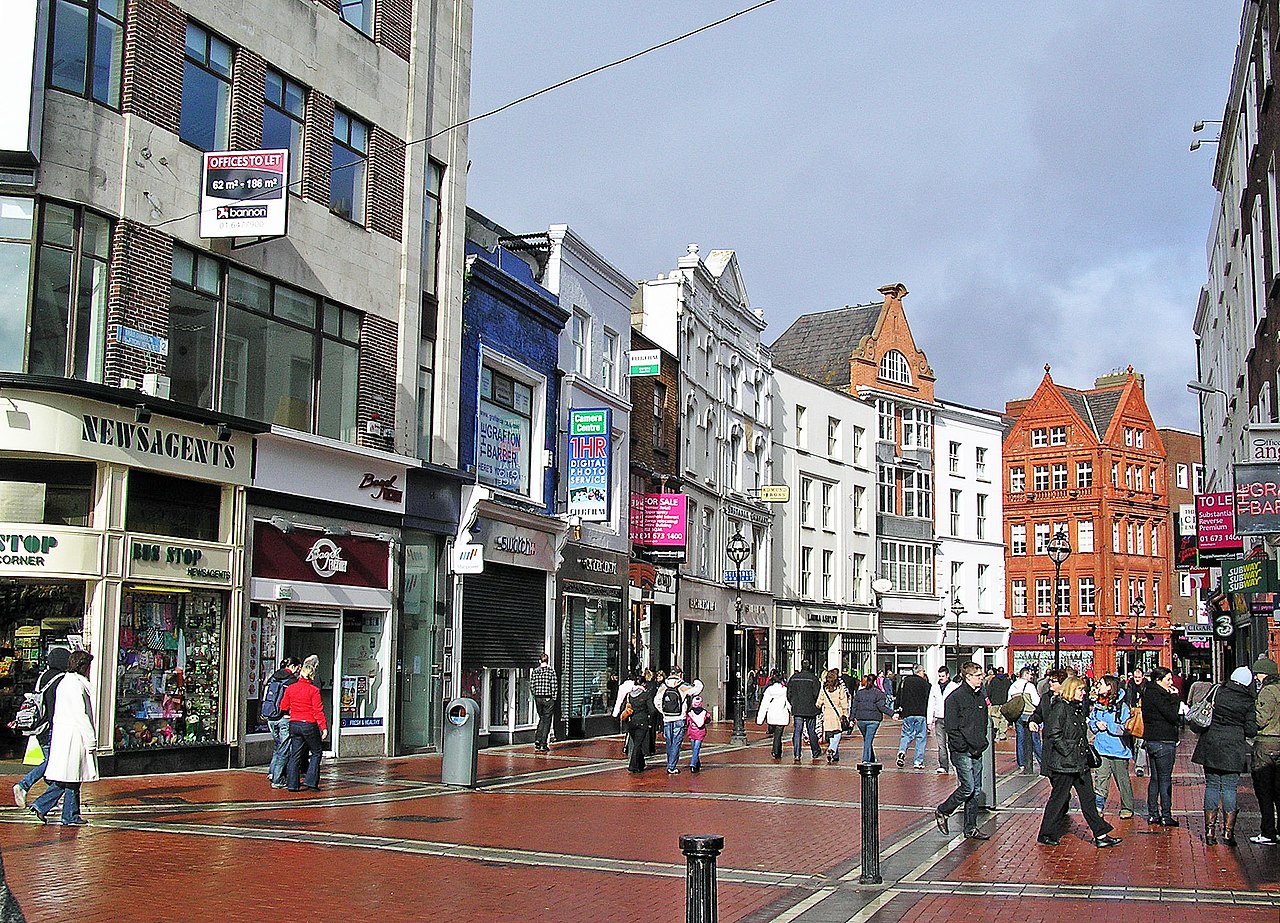 Photo: Grafton St, Dublin.jpg by Donaldytong (CC BY-SA 3.0), via Wikimedia Commons
If you love being in the heart of the action, Grafton Street and the adjacent St. Stephen’s Green are perfect. This pedestrianized shopping street stays bright and busy with foot traffic well into the evening, and the park next door is a lovely place to unwind. Pop into a cafe, wander the park’s winding paths, or browse the flagship stores — all while staying in one of Dublin’s most walkable, well-trafficked areas.
Ranelagh / Rathmines
 Photo: Ranelagh, Dublin D6.jpg by William Murphy (CC BY-SA 2.0), via Wikimedia Commons
A short ride south of the city centre, Ranelagh and Rathmines offer a residential vibe that’s popular with young professionals. Tree-lined streets, boutique coffee shops, and a relaxed nightlife scene make it an ideal base for those who prefer a calmer evening after a day of sightseeing, while still having easy access to the city centre.
Docklands (Grand Canal)
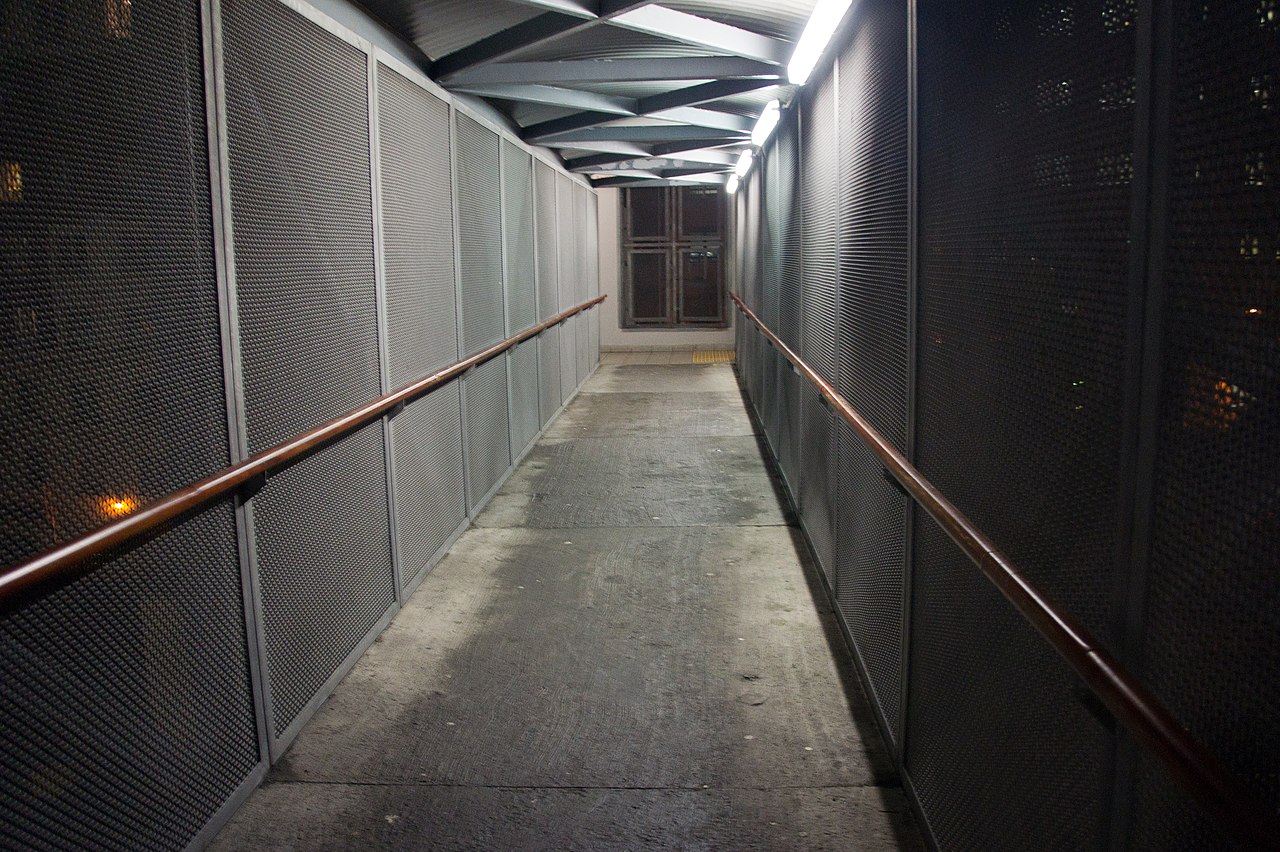 Photo: Dublin At Night - Grand Canal Dock Railway Station (6540585763).jpg by William Murphy from Dublin, Ireland (CC BY-SA 2.0), via Wikimedia Commons
The Docklands, especially the Grand Canal area, is Dublin’s sleek, modern side. Contemporary architecture, waterfront promenades, and excellent transport links define this district, with plenty of restaurants, tech-company offices, and bars that stay lively without feeling rowdy. The well-lit streets make it a comfortable place to explore after work or on a weekend night.
Quick tip: As in any capital city, some north inner-city streets away from the main tourist routes feel quieter and less lively after dark — stick to well-known, well-lit paths if you’re walking alone at night.
Top Things to Do in Dublin
Sister, once you’ve settled into a neighborhood, here’s where to actually spend your days.
1. Trinity College Dublin
Founded in 1592 by royal charter, Trinity is home to the Book of Kells and the Long Room, Ireland’s largest research library. It’s right in the city centre, so you can easily wander over solo and join a guided tour or walk the grounds on your own.
2. Guinness Storehouse
Opened in 2000 at St. James’s Gate Brewery, this seven-floor attraction is shaped like a giant pint glass and ends at the rooftop Gravity Bar, where your ticket includes a complimentary pint with a skyline view. It’s a self-paced, well-signed visit that’s easy to do alone.
3. Dublin Castle
Once the seat of British rule in Ireland, Dublin Castle’s state apartments and Chapel Royal are open for tours right in the city centre. It pairs naturally with a walk through the nearby Temple Bar and Trinity College area.
4. St Patrick’s Cathedral
Founded in 1191, this is the largest church in Ireland and the national cathedral of the Church of Ireland; Jonathan Swift served as its dean from 1713 to 1745 and is buried inside. It’s a quiet, contemplative stop that’s easy to reach on foot from the city centre.
5. Temple Bar
Promoted as Dublin’s “cultural quarter,” this compact riverside district on the south bank of the Liffey is packed with pubs, restaurants, and live-music venues. It’s at its liveliest in the evening — great for a solo pint and some trad music, especially earlier in the night when it’s busiest with a mixed crowd.
6. Phoenix Park
One of the largest enclosed city parks in Europe at 707 hectares, Phoenix Park is home to Dublin Zoo, a herd of wild fallow deer that’s lived there since the 17th century, and the Irish president’s residence. It’s a peaceful, well-used daytime walk or cycle, popular with locals and safe to explore solo.
7. Kilmainham Gaol
This former prison, where many leaders of the 1916 Easter Rising were held and executed, is now a museum run by the Office of Public Works. Guided tours are required and easy to book solo online in advance.
Book tickets & skip-the-line tours: Browse Dublin experiences
Getting Around
 Photo: Luas tram approaching Blackhorse station May 2025.jpg by 4300streetcar (CC BY 4.0), via Wikimedia Commons
Dublin’s public transport is designed with the solo traveler in mind. The Luas tram network — comprising the Green and Red lines — runs until after midnight on weekends, and each station is well-lit and equipped with CCTV, offering a reassuring sense of security after sunset. The trams glide through the city centre, connecting neighborhoods like Grafton Street, Ranelagh, and the Docklands with ease.
When you need a door-to-door ride, especially after a late-night outing, the Free Now app (or any reputable licensed taxi service) is your best bet. Licensed taxis are clearly marked, and using the app lets you track the vehicle, share your route with a friend, and pay securely.
If you’re feeling adventurous, Dublin’s compact size makes it walkable, and many of the safest, busiest neighborhoods are just a pleasant stroll away from each other.
Safety & Practical Notes
The U.S. State Department rates Ireland Level 1 (Exercise Normal Precautions) (as of 2026-07-08), one of the lowest advisory levels available. The city’s emergency services can be reached instantly by dialing 999 or 112. Keep this number saved in your phone, and note the nearest police station or hospital wherever you stay.
Drink safety: Dublin’s pubs are legendary, but it’s wise to stay alert, as in any nightlife-heavy city. Keep your drink in sight, avoid accepting drinks from strangers, and don’t leave your glass unattended. If anything feels off, remember the “Ask for Angela” scheme — many venues allow women to discreetly signal for help by mentioning “Angela” to staff, who are trained to intervene.
Nighttime navigation: The Luas trams and well-lit streets of the busy central neighborhoods (Grafton Street, Ranelagh, Docklands) provide reliable options after dark. If you venture into quieter side streets, plan to leave before it gets too late or arrange a taxi via the Free Now app.
Budget: Expect to spend roughly $52-$170 per day, covering meals, transport, and attractions. This range reflects the city’s flexibility — from budget hostels and street food to mid-range hotels and fine dining.
Tap water & power: Dublin’s tap water is safe to drink straight from the tap. Ireland uses Type G plugs (230V), the same as the UK, so bring a universal adapter for your devices.
Local etiquette: Irish people are known for their warm hospitality. A friendly “How’s the craic?” (how’s it going?) can open doors to conversation. Tipping is appreciated but not mandatory — rounding up the bill in cafes or leaving 10% in restaurants is customary.
Best Time to Visit
 Photo: Phoenix Park Dublin - geograph.org.uk - 4686561.jpg by James Emmans (CC BY-SA 2.0), via Wikimedia Commons
Dublin’s charm shines year-round, but the most pleasant weather and bustling cultural calendar fall between May and September. Summer brings longer daylight hours and street festivals, though the city gets busy and crowded around St. Patrick’s Day in March. If you prefer fewer tourists and cooler temperatures, the shoulder months of April and October still offer comfortable strolling weather and lower accommodation rates.
Where to Stay
 Photo: Georgian Dublin. Merrion Square - panoramio.jpg by Pastor Sam (CC BY 3.0), via Wikimedia Commons
For solo female travelers, staying in one of the busy central neighborhoods — Grafton Street, Ranelagh, or the Docklands — offers both convenience and peace of mind. These areas provide easy access to public transport, lively cafes, and well-lit streets that feel safe at any hour. Need specific recommendations? Our curated list of boutique hotels and hostels designed for solo women is ready for you in our full hotel guide.
Frequently Asked Questions
Is Dublin safe for a woman traveling alone at night?
Yes. The U.S. State Department rates Ireland Level 1 (Exercise Normal Precautions), as of 2026-07-08. Stick to well-lit, busy areas like Grafton Street, Ranelagh, and the Docklands, use the Luas after dark, and consider a licensed taxi for late-night returns.
How can I discreetly ask for help if I feel unsafe?
Many pubs and venues participate in the "Ask for Angela" scheme, which lets you signal for assistance by mentioning "Angela" to staff. Trained staff can then step in or help you leave safely.
What should I watch out for in Dublin's nightlife?
As in any capital city's nightlife district, keep your drink in view in busy pub areas like Temple Bar, avoid accepting drinks from strangers, and stay with friends or trusted staff when possible.
Which transport option is safest after midnight?
The Luas tram runs until after midnight on weekends and has well-lit, CCTV-monitored platforms. For later hours, a licensed taxi booked through an app such as Free Now lets you track the vehicle and share your route.
Related Guides
Upcoming Holidays
IrelandGet price-drop alerts and new guides from HerTripGuide
One email a week: price drops on the gear we recommend, new guides, and what changed. No spam, unsubscribe anytime.