Istanbul Solo Female Travel Guide
Everything solo women need to know about Istanbul: safest neighborhoods, getting around, budgets, and where to stay.
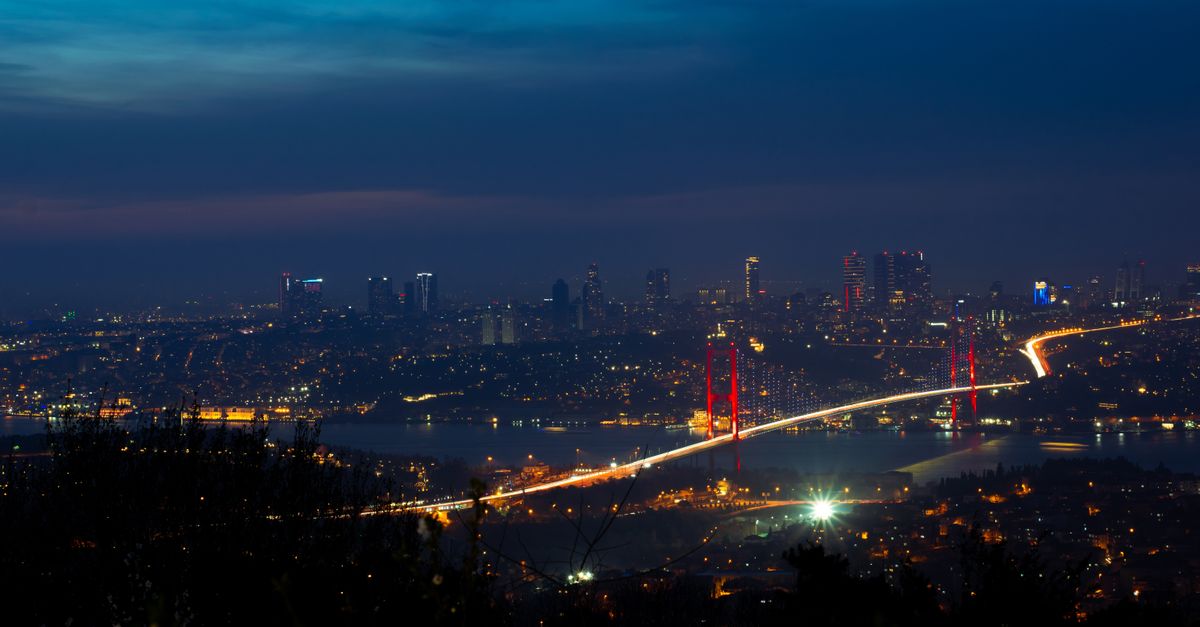
Istanbul, Turkey

About Istanbul
Istanbul is the largest city in Turkey, a megacity, constituting the country's economic, cultural, and historical center. With a population of over 15 million, it is home to 18% of the population of Turkey.
Read more on WikipediaQuick Facts
Safety score derived from the U.S. State Department Travel Advisory for Turkey: Level 2 (Exercise Increased Caution), as of 2026-07-08. Country-level guidance; check local conditions before you go.
A Warm Welcome to Istanbul
 Photo: Maiden’s Tower at the background of Istanbul skyline from the Bosphorus.jpg by Radosław Botev (CC BY 3.0), via Wikimedia Commons
Hey sister, welcome to the city where two continents hug each other across the Bosphorus. Istanbul is a living museum, a bustling market, and a place where you can sip tea on a rooftop and watch the world drift by. With a population of roughly 15.8 million people, the city pulses with energy, yet it still finds room for quiet moments in its historic lanes. You’ll be navigating a place that speaks Turkish, uses the Turkish lira (TRY), and runs on Europe/Istanbul time (UTC+3). All of that may feel like a lot at first, but trust me — you’ve got everything you need to feel confident, safe, and inspired as you explore solo.
Neighborhoods to Know
Sultanahmet
 Photo: Hagia Sophia February 2013 02.jpg by Arild Vågen (CC BY-SA 3.0), via Wikimedia Commons
Sultanahmet is the historic heart of Istanbul, where the city’s most iconic monuments sit side‑by‑side. Think Hagia Sophia, the Blue Mosque, and the ancient walls of the Hippodrome — all just a short walk from each other. Because it’s the main tourist hub, you’ll find plenty of English‑speaking staff, clear signage, and a steady stream of fellow travelers. The streets are well‑lit after dark, and many cafés stay open late, giving you a comfortable place to pause and people‑watch. If you’re looking for a base that feels both safe and steeped in history, Sultanahmet is a solid choice.
Beyoğlu (Taksim)
 Photo: Republic Square at Taksin Square, Istanbul (Ank Kumar, Infosys Limited) 02.jpg by Ank Kumar (CC BY-SA 4.0), via Wikimedia Commons
Cross the Golden Horn and you’ll land in Beyoğlu, anchored by the bustling Taksim Square. This district is a blend of modern energy and classic charm — think neon‑lit avenues, historic tram lines, and a maze of side streets filled with boutique cafés and independent shops. The area is well‑lit and heavily trafficked, which makes it feel secure even after the sun sets. Public transport hubs are everywhere, so you can hop onto a metro, bus, or tram with ease. Beyoğlu also offers a vibrant street‑art scene and plenty of opportunities to strike up a conversation with locals or fellow solo travelers.
Kadıköy
 Photo: Kadıköy Fish Market (6418934547).jpg by William Neuheisel from DC, US (CC BY 2.0), via Wikimedia Commons
On the Asian side, Kadıköy feels like a cool, laid‑back cousin of the European districts. Its bustling market, colorful street art, and lively waterfront promenade make it a favorite among locals and solo adventurers alike. The neighborhood’s cafés are known for their relaxed vibe, and the night markets buzz with energy without ever feeling overwhelming. Ferries run frequently from the European side, so you can enjoy a scenic crossing and still feel completely at home once you step off the boat. Kadıköy’s blend of authenticity and accessibility makes it a perfect spot for those who want to experience everyday Istanbul life.
Top Things to Do in Istanbul
Sister, once you’ve settled into a neighborhood, here’s where to actually spend your days. These are the sights that keep Istanbul on every traveler’s list, and every single one is easy to reach solo.
1. Hagia Sophia
Originally built as a cathedral under Byzantine emperor Justinian I in 537 AD, Hagia Sophia has served as a church, a mosque, a museum, and — since 2020 — a mosque again, and it’s recognized as a UNESCO World Heritage Site. It sits right in the heart of Sultanahmet, so you can wander over on foot, admire the massive dome, and be back at your guesthouse before dark — no transport logistics required.
2. Sultan Ahmed Mosque
Better known as the Blue Mosque for the thousands of hand‑painted İznik tiles lining its interior, this working mosque was built between 1609 and 1616 under Sultan Ahmed I and is famous for its six minarets. It sits directly across the square from Hagia Sophia, so pair the two for an easy, low‑key solo morning of temple‑and‑mosque hopping (just bring a scarf to cover your hair before you go in).
3. Topkapı Palace
For roughly 400 years this sprawling complex was the primary residence of the Ottoman sultans, with construction beginning under Mehmed II in 1459; today it’s a museum housing the imperial treasury and relics. Give yourself a couple of unhurried hours here — the courtyards and gardens make it easy to wander at your own pace and duck into whichever wing catches your eye.
4. Grand Bazaar
One of the largest and oldest covered markets in the world, the Grand Bazaar traces back to the 1450s and today holds thousands of shops selling everything from lanterns to leather. It’s busy, well‑lit, and full of fellow browsers, which makes it a comfortable place to practice your haggling and pick up a souvenir without ever feeling like you’re navigating it alone.
5. Basilica Cistern
Built in the 6th century under Justinian I, this cavernous underground cistern is the largest of the hundreds that once supplied water to the city, and it’s famous for the two carved Medusa‑head column bases hidden in its far corner. It’s cool, dim, and atmospheric — a nice midday break from the sun, and just a short walk from Hagia Sophia and the Blue Mosque.
6. Galata Tower
This medieval stone tower was built by the Genoese in 1348 and still offers one of the best panoramic views over the Golden Horn and the Bosphorus. Climb up in the late afternoon, catch the sunset over the rooftops, and then wander back down into Beyoğlu’s cafés and side streets for dinner.
Book tickets & skip-the-line tours: Browse Istanbul experiences
Getting Around
 Photo: T1 Istanbul Tram with Hagia Sophia in the background, March 2024.jpg by Calistemon (CC BY-SA 4.0), via Wikimedia Commons
Istanbul’s transit network is impressively extensive — metro lines snake under historic neighborhoods, trams glide past ancient ruins, buses weave through bustling streets, and ferries cross the Bosphorus. The secret to stress‑free travel is the Istanbulkart, a contactless card that works on every mode of public transport. Grab one at any metro station or kiosk, load a modest amount of lira, and you’ll be set to hop on the tram to Sultanahmet, catch a ferry to Kadıköy, or ride the metro up to Beyoğlu without fumbling for change. The system is generally reliable, and most stations have English signage, which helps keep anxiety at bay.
Safety & Practical Notes
Safety
The U.S. State Department rates Turkey Level 2 (Exercise Increased Caution) (as of 2026-07-08). In practice, that translates to a generally manageable environment for solo female travelers — especially in the well‑touristed neighborhoods highlighted above. The UK Foreign Travel Advice for Turkey notes that the city’s main tourist districts are well‑policed and that common‑sense precautions (like keeping valuables out of sight and staying aware of your surroundings) go a long way. Emergency services are reachable by dialing 112; the number works for police, medical, and fire emergencies throughout Turkey.
Practicalities
- Tap water: It varies across the city. Many locals prefer bottled water, and it’s a good idea to do the same unless you’re staying in a place that explicitly states the tap water is safe to drink.
- Power plugs: Turkey uses Type C and Type F plugs at 230 V. Pack a universal adapter or a couple of Turkish plugs so you can charge your phone, camera, and any other gadgets without a hitch.
- Currency: The Turkish lira (TRY) is the official currency. ATMs are plentiful, especially in Sultanahmet, Beyoğlu, and Kadıköy, and most larger shops accept card payments.
- Language: Turkish is the official language, but English is widely spoken in tourist areas, hotels, and many cafés. A few phrases — Merhaba (hello), Teşekkür ederim (thank you), and Lütfen (please) — can go a long way in building rapport.
- Visa: U.S. citizens can obtain an e‑visa online for stays up to 90 days. The process is straightforward: fill out a short form, pay the fee, and you’ll receive a digital visa that you print or store on your phone.
Best Time to Visit
 Photo: Istanbul Tulip Festival in Gülhane Park (01).jpg by Janabaevazizbek (CC BY-SA 4.0), via Wikimedia Commons
Istanbul’s climate runs warm summers and cool, rainy winters, so spring (April to June) and early autumn (September to October) tend to offer the most pleasant temperatures and fewer crowds. Spring also brings the city’s tulip season, when parks like Gülhane and Emirgan fill with color during the Istanbul Tulip Festival — a lovely, easy, low‑cost outing for a solo afternoon. Dress in layers, carry a light rain jacket just in case, and you’ll be ready for whatever the city throws your way.
Where to Stay
 Photo: Sultanahmet ferry on the Bosphorus in Istanbul, Turkey 001.jpg by Moonik (CC BY-SA 3.0), via Wikimedia Commons
For a comfortable, solo‑traveler‑friendly base, look for boutique hotels or well‑reviewed hostels in Sultanahmet, Beyoğlu, or Kadıköy. These neighborhoods not only keep you close to major sights and transit hubs but also offer a welcoming atmosphere where you can meet other travelers if you wish. Need more detailed recommendations? Check out our full hotel guide for curated options that balance safety, style, and social vibes.
Enjoy the magic of Istanbul, sister. With its blend of ancient charm and modern convenience, you’ll find countless moments that feel like they were made just for you. Safe travels!
Frequently Asked Questions
Do I need a visa to visit Istanbul as a U.S. citizen?
Yes. You can apply for an e-visa online for tourism stays up to 90 days. The process is quick, and you'll receive a digital document that you either print or keep on your phone.
Is public transportation safe for women traveling alone?
Generally, yes. Istanbul's metros, trams, and ferries are heavily used by locals and tourists alike, and stations stay well-lit and busy well into the evening. Keep your Istanbulkart handy, stay aware of your surroundings, and you'll find the system efficient and easy to navigate solo.
What should I do if I need emergency assistance?
Dial 112 for police, medical, or fire emergencies. The number works nationwide, and operators can often provide assistance in English or connect you with an English-speaking responder.
Can I drink tap water in Istanbul?
Tap water quality varies across the city, so many travelers and locals opt for bottled or filtered water. If your accommodation confirms the water is safe, you can use it for drinking and brushing your teeth; otherwise, stick to bottled options.
How do I stay connected to the internet?
Free Wi-Fi is common in cafes, hotels, and many public spaces. For more reliable coverage, consider buying a local SIM card at the airport or a nearby mobile shop -- the process is simple and usually just requires a passport.
Related Guides
Upcoming Holidays
TurkeyGet price-drop alerts and new guides from HerTripGuide
One email a week: price drops on the gear we recommend, new guides, and what changed. No spam, unsubscribe anytime.