Travel Guide to Reykjavik, Iceland
The safest capital in the world for women, Reykjavik offers stunning natural beauty, a deeply egalitarian culture, and the kind of freedom that makes solo travel feel effortless.
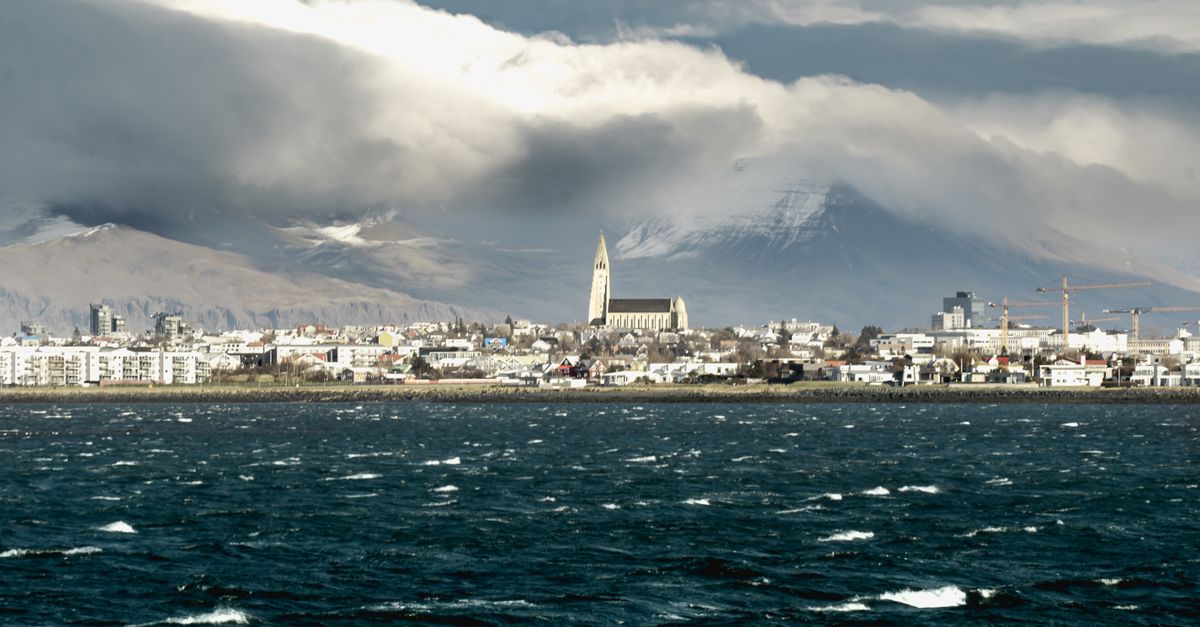
Reykjavik, Iceland

About Reykjavik
Reykjavík is the capital and largest city of Iceland. It is located on the southern shore of the Faxaflói bay in southwest Iceland and has a latitude of 64°08′ N, making it the world's northernmost capital of a sovereign state.
Read more on WikipediaQuick Facts
Safety score derived from the U.S. State Department Travel Advisory for Iceland: Level 1 (Exercise Normal Precautions), as of 2026-07-08. Country-level guidance; check local conditions before you go.
A Warm Welcome to Reykjavik
 Photo: Hallgrímskirkja.jpeg by Andreas Tille (CC BY-SA 4.0), via Wikimedia Commons
Iceland has topped the Global Peace Index as the world’s most peaceful country for over a decade, and Reykjavik reflects that in every way. This is a city where you can walk anywhere, at any hour, without a second thought about personal safety. The culture is deeply egalitarian — Iceland consistently ranks number one in the world for gender equality. Solo women are not a curiosity here; they are the norm.
The city itself is compact, colorful, and walkable. But the real draw is what surrounds it: glaciers, volcanic landscapes, hot springs, waterfalls, and the Northern Lights. Solo travelers can join small-group tours to explore the countryside safely, or rent a car and drive the Ring Road independently — the infrastructure is excellent and the roads are well-maintained (outside of winter).
Neighborhoods to Know
101 Reykjavik (Miðborg)
 Photo: Laugavegur, Reykjavik.jpg by Marek Ślusarczyk (Tupungato) (CC BY 3.0), via Wikimedia Commons
Postal code 101 is downtown Reykjavik, anchored by Laugavegur, the city’s main shopping and nightlife street. It’s the most walkable base for a solo trip — guesthouses, cafés, and Hallgrímskirkja are all within a short stroll, and the street stays lively and well-lit well into the evening.
Old Harbour (Grandi)
 Photo: Reykjavik old harbour (6046082168).jpg by Aapo Haapanen from Tampere, Finland (CC BY 2.0), via Wikimedia Commons
A short walk from downtown, the Old Harbour area has grown into a relaxed waterfront district of fish restaurants, the Maritime Museum, and the departure point for whale-watching and Northern Lights boat tours. It’s a quieter alternative to Laugavegur while still being an easy walk to everything else.
Top Things to Do in Reykjavik
-
Hallgrímskirkja — At 74.5 meters tall, this is the largest church in Iceland and an important symbol of national identity since it was completed in 1986. Take the elevator to the top for the best rooftop view of the colorful city below.
-
Sun Voyager — Jón Gunnar Árnason’s steel sculpture along the Sæbraut waterfront was conceived as an ode to the sun and a dream of undiscovered territory. It’s a quick, flat waterfront walk from downtown, especially striking at sunset.
-
Perlan — This natural history museum sits atop Öskjuhlíð hill inside a glass dome built over six geothermal water tanks, one of which houses an indoor ice cave. It’s an easy solo outing with panoramic views over the city.
-
Harpa Concert Hall — Opened in 2011, Harpa’s distinctive colored-glass façade was inspired by Iceland’s basalt coastline. Even if there’s no show on, it’s worth wandering in to see the lobby’s shifting light.
-
National Museum of Iceland — Established in 1863, this is the place to get context on Icelandic history before or after your countryside day trips — a good rainy-day, solo-friendly stop.
-
Þingvellir National Park — A day trip from Reykjavik, Þingvellir was the site of the Althing, Iceland’s parliament, from the year 930 until 1798, and sits where the North American and Eurasian tectonic plates meet. It’s the first and most iconic stop on the Golden Circle.
-
Blue Lagoon — This geothermal spa in a lava field near Grindavík, about 20 km from Keflavík Airport, is one of Iceland’s most visited attractions and a relaxing, solo-friendly way to bookend a flight.
Book tickets & skip-the-line tours: Browse Reykjavik experiences
Getting Around
 Photo: Iceland Ring Road trip, 22.jpg by Ben & Gab (CC BY 2.0), via Wikimedia Commons
Reykjavik’s city center is entirely walkable — you can cross it in 20 minutes. For day trips, renting a car gives you total freedom (roads are safe, well-signed, and traffic is light). Reykjavik Excursions and Gray Line run reliable bus tours to the Golden Circle, South Coast, and other popular routes. The Straeto city bus system covers the greater Reykjavik area but is not necessary if you stay central.
Safety Overview
The U.S. State Department rates Iceland Level 1 (Exercise Normal Precautions) (as of 2026-07-08). Reykjavik is about as close to a perfect safety record as any capital gets: violent crime is almost nonexistent, the police do not carry firearms, and there is no neighborhood you need to avoid. The biggest “danger” is the natural environment — respect weather warnings, stay on marked trails, and don’t underestimate Iceland’s rapidly changing conditions.
Emergency number: 112. English is universally spoken.
Safety tips specific to women:
- Weather is the main risk, not people — always check vedur.is for weather warnings before heading out of the city, and dress in layers with waterproof outer shells
- Driving in winter requires experience with icy roads — if you are not confident, book guided tours instead of renting a car
- The bar scene on Laugavegur (main street) is lively on weekends — Icelanders are friendly and direct, which some travelers mistake for aggression; it is simply the culture
- Tap water is safe and excellent — no need to buy bottled water
- Travel insurance is essential — medical care is excellent but extremely expensive for non-residents
- Solo hiking is safe on popular trails, but always tell someone your route and expected return time for remote areas
Best Time to Visit
 Photo: Aurora Borealis outside Reykjavik.jpg by Beata May (CC BY-SA 4.0), via Wikimedia Commons
June through September brings the mildest weather, near-endless daylight, and the easiest driving conditions for a Ring Road trip. If the Northern Lights are the priority, aim for September through March instead, when darker skies make aurora sightings possible on clear nights — just know that winter travel outside the city requires more caution on the roads.
Where to Stay
 Photo: Downtown, 101 Reykjavík, Iceland - panoramio (5).jpg by Michal Gorski (CC BY-SA 3.0), via Wikimedia Commons
Budget: KEX Hostel is Reykjavik’s best hostel for solo travelers — a converted biscuit factory with a great bar, live music, and a social atmosphere. Loft Hostel is another excellent option with a rooftop bar ($40-60/night).
Mid-range: Guesthouses in the 101 Reykjavik area put you within walking distance of everything. CenterHotel Thingholt and Hotel Leifur Eiriksson are well-reviewed by solo women ($150-200/night).
Splurge: The Retreat at Blue Lagoon or Ion Adventure Hotel offer once-in-a-lifetime experiences in stunning natural settings ($350+/night).
For more curated picks, see our full Reykjavik hotel guide.
Frequently Asked Questions
How long can I stay in Iceland on a U.S. passport?
US citizens can enter Iceland visa-free for up to 90 days under the Schengen agreement. Make sure your passport is valid for at least three months beyond your planned departure.
Is it safe to walk around Reykjavik alone at night?
Yes. The U.S. State Department rates Iceland Level 1 (Exercise Normal Precautions), as of 2026-07-08, and Iceland has topped the Global Peace Index as the world's most peaceful country for over a decade. Violent crime is rare and the city center is walkable at any hour.
What's a realistic daily budget for Reykjavik?
Solo travelers typically spend between $120 and $200 per day, covering a mid-range guesthouse, meals, and local transport or a rental car -- Iceland is one of the more expensive countries in Europe to visit.
Do I need to rent a car to see Iceland from Reykjavik?
Not necessarily. Reykjavik's city center is entirely walkable, and reliable bus tours run daily to the Golden Circle, South Coast, and other popular routes. A rental car gives you more freedom for day trips, and Iceland's roads are safe and well-signed outside of winter.
Related Guides
Upcoming Holidays
IcelandGet price-drop alerts and new guides from HerTripGuide
One email a week: price drops on the gear we recommend, new guides, and what changed. No spam, unsubscribe anytime.