Travel Guide to Tokyo, Japan
One of the safest major cities on earth for solo women, Tokyo combines ultra-modern convenience with deep cultural richness and virtually zero street harassment.

Tokyo, Japan

About Tokyo
Tokyo, officially the Tokyo Metropolis, is the capital and most populous city of Japan. The population of the city proper was over 14 million as of 2023.
Read more on WikipediaQuick Facts
Safety score derived from the U.S. State Department Travel Advisory for Japan: Level 1 (Exercise Normal Precautions), as of 2026-07-08. Country-level guidance; check local conditions before you go.
A Warm Welcome to Tokyo
 Photo: Tokio skyline from Tokyo Metropolitan Government Building.jpg by Max221B (CC BY-SA 4.0), via Wikimedia Commons
Hey sister, welcome to Tokyo — a city that’s consistently ranked among the safest in the world, and for solo female travelers, that reputation is earned. Street harassment is virtually nonexistent, and you can walk alone through most neighborhoods late at night without feeling unsafe, which is exactly why the city’s nightlife runs so late. The extraordinary public transit system means you never have to rely on a stranger for a ride, and crime targeting tourists is rare.
Beyond safety, Tokyo is a solo traveler’s paradise. The city is genuinely designed for people doing things alone — solo dining isn’t just accepted, it’s celebrated. Ichiran Ramen has individual booths built specifically for solo diners, and convenience stores (konbini) on nearly every corner stock excellent prepared meals if you’d rather eat in. The cultural range is endless too: ancient temples one block from neon-lit arcades, quiet gardens beside chaotic fish markets.
Neighborhoods to Know
Shinjuku
 Photo: Shinjuku20040421.jpg by photo taken by Gorgo (Public domain), via Wikimedia Commons
Shinjuku is Tokyo’s business-and-neon heart, home to the world’s busiest train station and a skyline of skyscrapers by day that turns into a wall of neon by night. It’s also where you’ll find quieter pockets like Shinjuku Gyoen park, making it a solid, well-connected base — busy enough to feel alive, but with plenty of well-lit, well-patrolled streets around the station.
Shibuya
 Photo: Tokyo Shibuya Scramble Crossing 2018-10-09.jpg by Benh LIEU SONG (Flickr) (CC BY-SA 2.0), via Wikimedia Commons
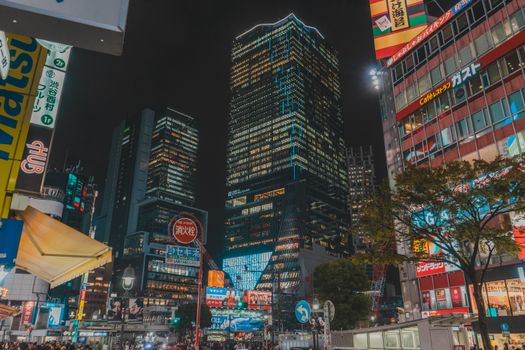
Shibuya is young, fashion-forward, and built around its famous scramble crossing. It’s dense with shopping, cafes, and izakaya, and the crowds mean you’re rarely walking anywhere truly alone, even late in the evening. It’s a great pick if you want to be in the middle of the energy with an easy transit connection out.
Asakusa
 Photo: Views from Tokyo Skytree 450 Asakusa DSCN3729 20121101.JPG by Ogiyoshisan (CC BY-SA 3.0), via Wikimedia Commons
Asakusa is Tokyo’s old-town side, built around Senso-ji temple and the Nakamise shopping street leading up to it. It has a slower, more traditional rhythm than Shinjuku or Shibuya, with budget-friendly guesthouses and a strong hostel scene that’s popular with solo travelers looking to meet people over breakfast.
Top Things to Do in Tokyo
Sister, once you’ve picked a neighborhood, here’s where to actually spend your days — all easy to do solo, at your own pace.
1. Sensō-ji
Tokyo’s oldest temple sits at the heart of Asakusa, reached through the towering Kaminarimon gate and the Nakamise shopping street lined with snack stalls and souvenir shops. Go early in the morning before the tour groups arrive for a quieter, more contemplative visit.
2. Meiji Shrine
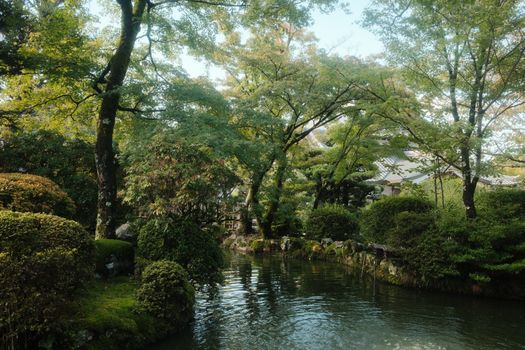
Tucked into a forested park near Harajuku, this Shinto shrine feels a world away from the city noise the moment you step under the torii gate. A morning walk through the grounds is one of the most peaceful solo rituals Tokyo has to offer.
3. Shibuya Crossing
The world’s busiest pedestrian crossing is a Tokyo rite of passage — step into the flow of hundreds of people at once, or grab a coffee at one of the surrounding cafes for a bird’s-eye view. It’s safe, brightly lit, and full of people at every hour.
4. Tsukiji Market
The famous inner fish market has relocated, but Tsukiji’s outer market still buzzes with food stalls, knife shops, and produce vendors. Solo grazing is the norm here — work your way through a few stalls for one of Tokyo’s best breakfasts.
5. Akihabara
Tokyo’s electronics-and-otaku district is a sensory overload of arcades, anime shops, and multi-story electronics stores. It’s easy to explore alone at your own pace, and the crowds keep it lively well into the evening.
6. Yanaka, Tokyo
One of the few Tokyo neighborhoods that survived both the 1923 earthquake and WWII bombing largely intact, Yanaka retains a old-town, low-rise character — narrow lanes, small temples, and a well-known population of neighborhood cats. It’s a calm, unhurried counterpoint to the rest of the city.
7. Tokyo Skytree
The tallest structure in Japan offers two observation decks with sweeping views across the entire city and, on a clear day, Mount Fuji in the distance. It’s a straightforward solo outing — buy a ticket, ride up, and take in the skyline.
Book tickets & skip-the-line tours: Browse Tokyo experiences
Getting Around
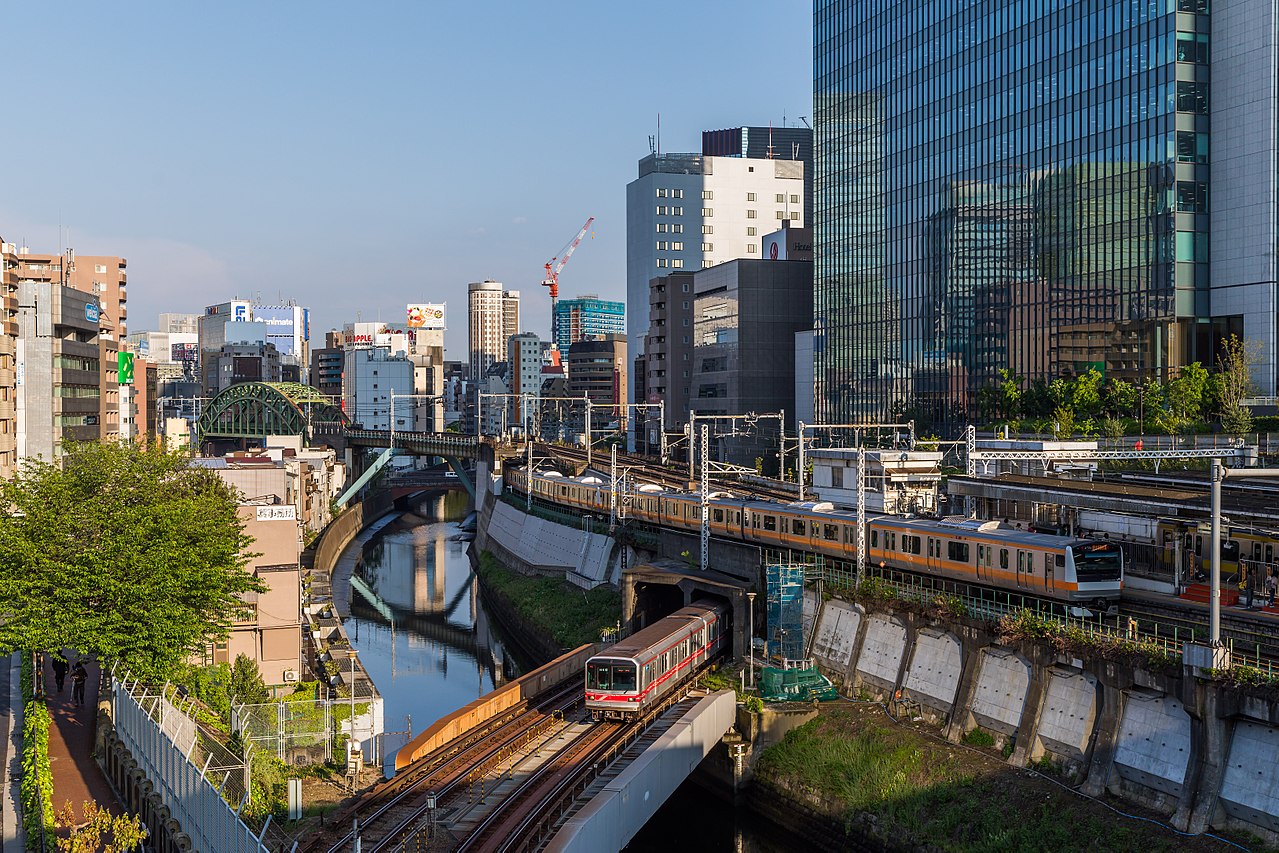 Photo: Tokyo Metro and JR East at Ochanomizu, Tokyo.jpg by Kabelleger / David Gubler (CC BY-SA 4.0), via Wikimedia Commons
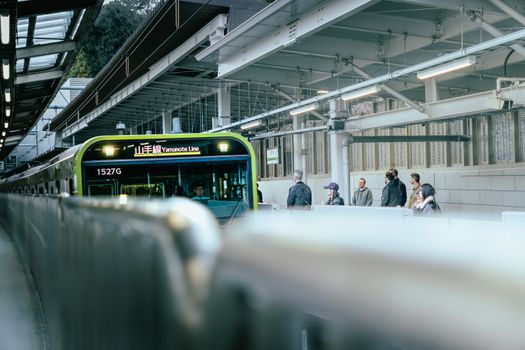
Tokyo’s transit system is the best in the world for solo travelers. Get a Suica or Pasmo IC card for seamless tap-to-ride access across all trains, subways, and buses. A 72-hour Tokyo Metro pass costs just 1,500 yen (~$10). Trains run from approximately 5 AM to midnight; after that, taxis are safe and metered, or use the Japan Taxi app. Use women-only train cars during rush hour — they’re marked with pink signs on the platform.
Safety & Practical Notes
 Photo: Koban (police box) from Sudo-cho.jpg by MichaelMaggs (CC BY-SA 3.0), via Wikimedia Commons
The U.S. State Department rates Japan Level 1 (Exercise Normal Precautions) (as of 2026-07-08). Tokyo’s crime rate is among the lowest of any major city, and pickpocketing is rare, though not unheard of in crowded tourist spots like Shibuya Crossing. The biggest safety concern for solo women is crowded trains during rush hour, where groping can occur — women-only train cars are available during peak hours and are worth using. Drink spiking at bars in the Roppongi nightlife district has been reported; stick to established venues and keep an eye on your drink.
A few practical pointers:
- Emergency number: 110 (police) or 119 (ambulance) — English-speaking operators are available.
- Roppongi caution: avoid touts pulling you toward unfamiliar bars, and don’t accept free drinks from strangers.
- Carry cash — many smaller shops and restaurants still don’t take cards, and cash avoids late-night ATM hunting.
- Download Google Translate with the Japanese offline pack; most signage is bilingual, but spoken exchanges can be trickier.
- Hotel safety is excellent across every price point, including capsule hotels with women-only floors.
Best Time to Visit
 Photo: Cherry Blossoms in Shinjuku Gyoen(Shinjuku Imperial Garden) - 新宿御苑の桜 - panoramio.jpg by Carbonium (CC BY 3.0), via Wikimedia Commons
The sweet spots are March-April, when cherry blossoms bloom in parks like Shinjuku Gyoen and along the Meguro River, and October-November, when autumn foliage turns the city’s gardens red and gold. Both windows bring mild, comfortable weather — avoid the muggy peak of summer (July-August) and the rainy season in June if you can.
Where to Stay (Solo-Friendly)
 Photo: Skyscrapers Shinjuku 2007 rev.jpg by Itoshin87 (Public domain), via Wikimedia Commons
Budget: Capsule hotels are a uniquely Japanese experience, and many now have women-only floors (try Nine Hours or First Cabin). Hostels in Asakusa like Khaosan Tokyo or Nui. are social, clean, and well-reviewed by solo women ($25-40/night).
Mid-range: Business hotels in Shinjuku or Shibuya offer small but immaculate rooms with excellent transit access. Tokyu Stay and Mitsui Garden are reliable chains ($80-120/night).
Splurge: The Park Hyatt (of Lost in Translation fame) or the Aman Tokyo offer world-class luxury and staff who go above and beyond for solo guests ($300+/night).
For a full breakdown by neighborhood and budget, check out our full hotel guide.
Enjoy every moment, sister. Tokyo rewards curiosity, and there’s no wrong way to explore it alone. Safe travels!
Frequently Asked Questions
How long can I stay in Japan on a U.S. passport?
US passport holders can enter Japan visa-free for tourism stays of up to 90 days under the countries' reciprocal visa exemption arrangement. No visa application is required for a standard vacation-length trip.
Is it safe to travel alone at night in Tokyo?
Yes. The U.S. State Department rates Japan Level 1 (Exercise Normal Precautions), as of 2026-07-08, and Tokyo is consistently ranked among the safest major cities in the world. Central neighborhoods stay well-lit and busy late into the night, though it's still smart to use women-only train cars during rush hour and stay alert around Roppongi's nightlife strip.
What's a realistic daily budget for Tokyo?
Solo female travelers typically spend $80 to $150 per day, covering a mid-range hotel or hostel bed, meals, local transit, and a few attractions.
How do I get around Tokyo without speaking Japanese?
Pick up a Suica or Pasmo IC card for tap-to-ride access on every train, subway, and bus. Station signage and announcements are bilingual in English, and the Google Translate app with the offline Japanese pack covers most everyday situations.
Related Guides
Upcoming Holidays
Japan
Get price-drop alerts and new guides from HerTripGuide
One email a week: price drops on the gear we recommend, new guides, and what changed. No spam, unsubscribe anytime.