Osaka Solo Female Travel Guide
Everything solo women need to know about Osaka: safest neighborhoods, getting around, budgets, and where to stay.
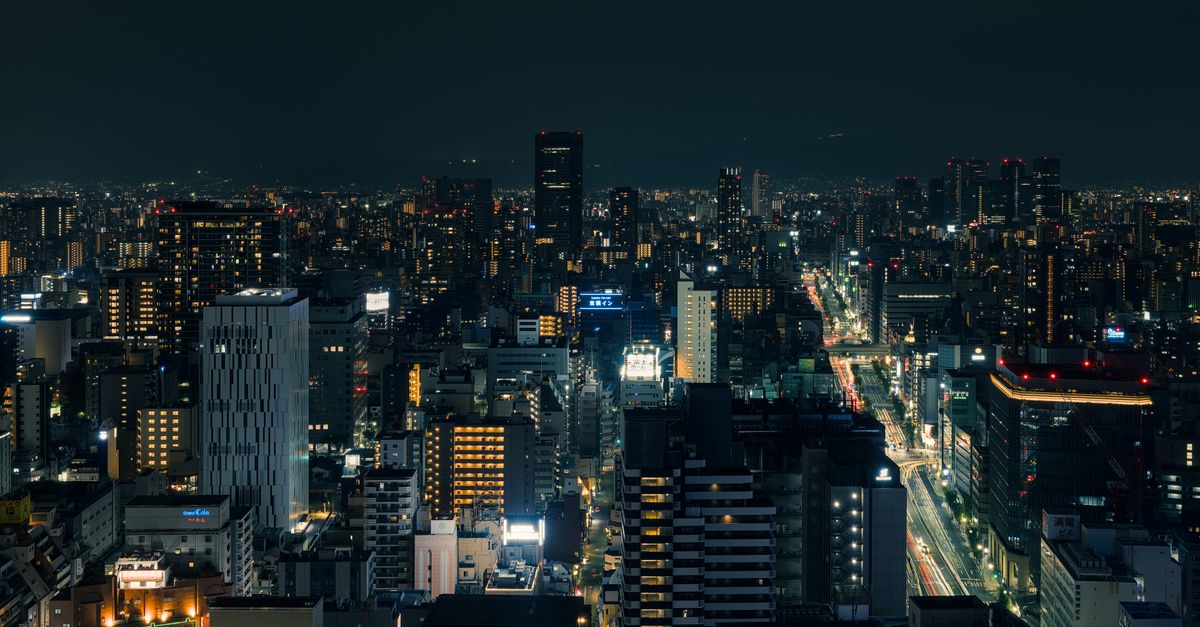
Osaka, Japan

About Osaka
Osaka is a designated city in the Kansai region of Honshu in Japan. It is the capital of and most populous city in Osaka Prefecture, and the second biggest prefectural city, third-most populous city proper in Japan, following the special wards of To...
Read more on WikipediaQuick Facts
Safety score derived from the U.S. State Department Travel Advisory for Japan: Level 1 (Exercise Normal Precautions), as of 2026-07-08. Country-level guidance; check local conditions before you go.
A Warm Welcome to Osaka
 Photo: Inner Moat of Osaka Castle and Buildings in Kyobashi District.JPG by そらみみ (CC BY-SA 3.0), via Wikimedia Commons
Hey sister, welcome to Osaka — Japan’s third-largest city, home to roughly 2.8 million people (according to Wikipedia). This bustling metropolis blends neon-lit streets with centuries-old castles, and the U.S. State Department rates Japan Level 1 (Exercise Normal Precautions), which lets solo women feel confident exploring on their own. The city’s vibe is relaxed yet energetic, and while Japanese is the primary language, English signage is common at major tourist spots. With a daily budget of roughly $70-150 and visa-free entry for US passport holders up to 90 days, Osaka is practically begging you to wander its lanes, taste its street food, and make unforgettable memories.
Neighborhoods to Know
Namba/Dotonbori
 Photo: Osaka Dotonbori Ebisu Bridge.jpg by Type specimen (CC BY-SA 3.0), via Wikimedia Commons
If you love food that dances on your palate, Namba/Dotonbori is your playground. The area buzzes with vibrant nightlife and countless street-food stalls, making it a favorite for solo diners. Picture yourself biting into a piping-hot takoyaki or savoring a fluffy okonomiyaki while the neon signs reflect off the canal — a scene that feels both safe and exhilarating. The streets are well-lit, and the crowd is a mix of locals and travelers, so you’ll never feel alone.
Shinsekai
 Photo: Shinsekai @ Osaka (13382795134).jpg by Guilhem Vellut from Annecy, France (CC BY 2.0), via Wikimedia Commons
Step back in time in Shinsekai, where retro charm meets affordable eats. This neighborhood’s laid-back atmosphere is perfect for a relaxed afternoon of exploring quirky shops and sampling budget-friendly ramen. Public transport is just a hop away, so you can easily hop back to your base or venture to nearby attractions. Shinsekai’s streets are lively but not overwhelming, offering a comfortable space to practice your Japanese greetings and soak up local life.
Umeda
 Photo: Umeda Sky Building (5225805966).jpg by KimonBerlin (CC BY-SA 2.0), via Wikimedia Commons
Umeda is the modern heart of Osaka, a major shopping and transport hub that radiates confidence. Its well-lit streets, towering department stores, and countless cafes create a safe, welcoming environment for solo travelers. Grab a coffee at a sky-high cafe, watch the city pulse below, and then hop onto the Osaka Metro for a seamless ride to any corner of the city. The area’s polished vibe makes it an ideal base for those who love a blend of convenience and style.
Top Things to Do in Osaka
- Osaka Castle — originally built in 1583 by Toyotomi Hideyoshi, the current concrete keep dates to a 1931 reconstruction and anchors a large park that’s especially lovely during cherry blossom season.
- Dotonbori — the canal-side entertainment district famous for its oversized illuminated signs, including the iconic Glico “Running Man,” and one of the densest street-food scenes in Japan.
- Shitenno-ji — said to have been founded in 593 by Prince Shotoku, it’s regarded as one of the oldest officially administered Buddhist temples in Japan and a peaceful counterpoint to the city’s neon energy.
- Umeda Sky Building — twin 40-story towers connected by a “Floating Garden Observatory” with panoramic views over the city, an easy solo outing from the Umeda district.
- Universal Studios Japan — opened in 2001, this is one of the most-visited theme parks in Asia and a full-day outing if you want a break from temples and markets.
- Sumiyoshi-taisha — one of Japan’s oldest Shinto shrines, notable for its distinctive Sumiyoshi-zukuri architectural style that predates Buddhist influence on shrine design.
- Osaka Aquarium Kaiyukan — one of the largest aquariums in the world, built around a giant tank that recreates the Pacific Ocean, home to whale sharks.
Book tickets & skip-the-line tours: Browse Osaka experiences
Getting Around
 Photo: Osaka-metro-Series10A.jpg by MaedaAkihiko (CC BY-SA 4.0), via Wikimedia Commons
Osaka’s transit network is a dream for solo explorers. The Osaka Metro, JR West lines, and private railways provide comprehensive city coverage (according to Wikipedia). Grab an ICOCA IC card — it works on all public transport and even many stores, so you won’t have to fumble with tickets at every turn. Trains run every few minutes, stations are clearly signposted in English, and elevators are plentiful, making navigation a breeze for anyone traveling alone.
Safety & Practical Notes
 Photo: The people crossing Ebisubashi Bridge on 2nd March 2021.jpg by Tokumeigakarinoaoshima (CC BY-SA 4.0), via Wikimedia Commons
The U.S. State Department rates Japan Level 1 (Exercise Normal Precautions) (as of 2026-07-08). Traveling solo as a woman can still feel daunting in an unfamiliar country, but Osaka’s low crime rate makes it one of the most reassuring cities in Asia. Keep Japan’s emergency numbers handy: dial 110 for police and 119 for fire or ambulance. Tap water is safe to drink, so refill your bottle on the go without worry. Plug type is A/B at 100 V, so bring a universal adapter if your devices use a different standard.
The city’s currency is the Japanese yen (JPY), and while many places accept credit cards, it’s handy to have some cash for small stalls and market vendors. English signage is common in stations and major attractions, but learning a few polite Japanese phrases — like “Sumimasen” (excuse me) and “Arigatou” (thank you) — will earn you smiles and extra goodwill.
For official updates on city services, events, and safety tips, you can check the Osaka City Official Website. The Osaka Tourism Official Site also offers curated itineraries and cultural insights that can help you plan each day with confidence.
Best Time to Visit
 Photo: 大川朝桜 - Flickr - m-louis.jpg by m-louis .® from Osaka, Japan (CC BY-SA 2.0), via Wikimedia Commons
Osaka shines brightest in the shoulder seasons: March, April, and May, and again in October and November. Spring brings cherry blossoms that frame Osaka Castle, while autumn paints the city in warm golds and reds. These periods offer comfortable temperatures, fewer crowds than the summer rush, and a calendar full of festivals that let you experience authentic Japanese hospitality.
Where to Stay
 Photo: KINTETSU Osaka-Namba Station 20141120A.JPG by Oka21000 (CC BY-SA 4.0), via Wikimedia Commons
When you’re ready to book your home base, think about staying near a Metro station for easy access to all three neighborhoods. Whether you prefer a boutique ryokan, a sleek business hotel, or a cozy guesthouse, Osaka has options that cater to solo female travelers. For curated recommendations that balance safety, style, and budget, check out our full hotel guide.
Frequently Asked Questions
Is Osaka safe for solo female travelers at night?
Yes. The U.S. State Department rates Japan Level 1 (Exercise Normal Precautions), as of 2026-07-08, and Osaka's main districts -- Umeda, Namba, and Dotonbori -- are well-lit and busy well into the night. As anywhere, keep your phone charged, use reputable taxis or rideshares late at night, and stay aware of your surroundings.
Do I need to carry cash, or are credit cards accepted everywhere?
Many larger establishments accept credit cards, but smaller eateries, street-food stalls, and market vendors often prefer cash. Carrying a modest amount of yen ensures you can enjoy spontaneous food stops without hesitation.
How do I stay connected to the internet?
Free Wi-Fi is common in cafes, convenience stores, and major train stations. You can also rent a pocket Wi-Fi device at the airport or buy a prepaid SIM card at electronics shops.
What should I do if I get lost or need help?
Look for the nearest train station or convenience store -- staff are generally happy to help point you in the right direction. For urgent assistance, dial 110 for police or 119 for fire and medical emergencies. An offline-capable map app also makes navigating alone much easier.
Related Guides
Upcoming Holidays
JapanGet price-drop alerts and new guides from HerTripGuide
One email a week: price drops on the gear we recommend, new guides, and what changed. No spam, unsubscribe anytime.